What Happened At Cornell University 2026 A Glimpse Into Future Transformations
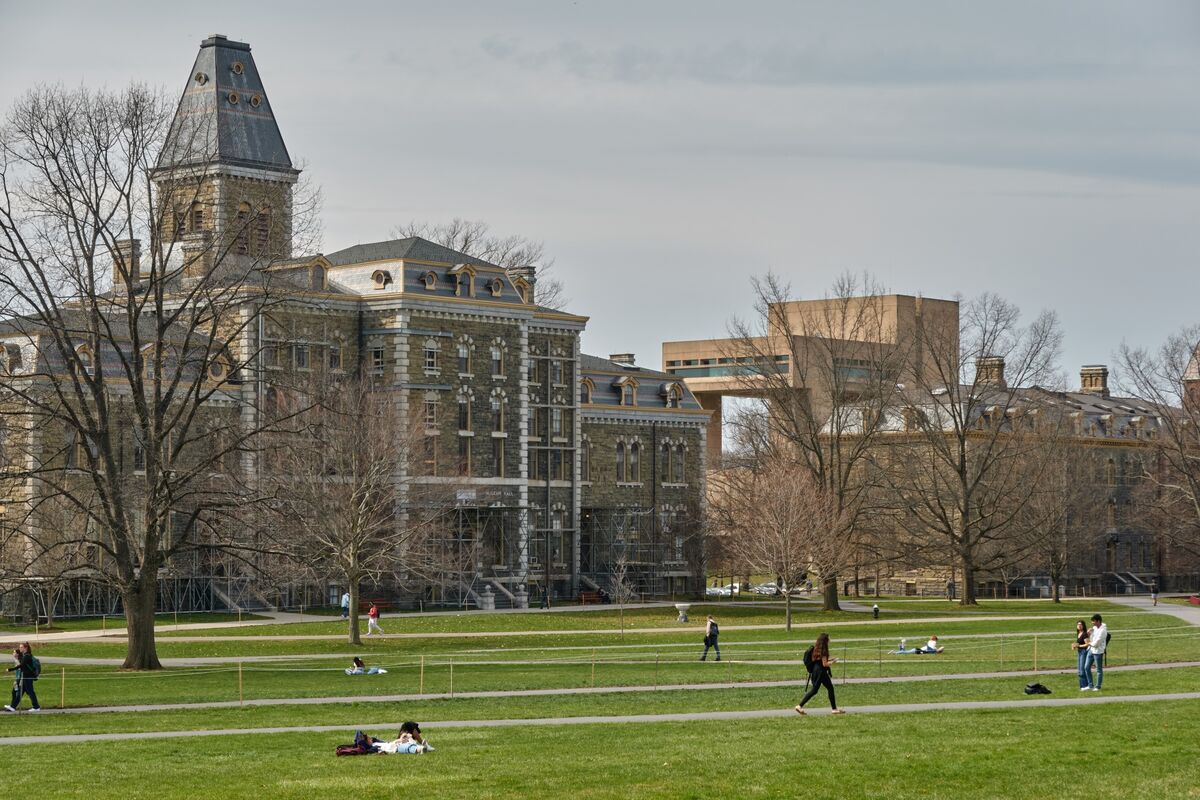
Cornell University stands at the precipice of 2026 poised to redefine higher education through bold academic innovations and societal impact. Founded in 1865 as a beacon of democratic learning, the Ivy League institution now faces unprecedented challenges and opportunities that will reshape its legacy. From pioneering research in quantum computing to reimagining campus life with sustainability at its core, Cornell’s trajectory reflects broader shifts in technology, ethics, and global collaboration.
The university’s dual identity as both an Ivy League institution and a land-grant university has long set it apart, blending elite academic rigor with practical, community-driven solutions. By 2026, this duality will manifest in groundbreaking initiatives—such as AI-driven agricultural advancements or interdisciplinary programs addressing climate change—that could influence policy and industry worldwide. Meanwhile, student experiences will evolve alongside technological and cultural trends, balancing Cornell’s storied traditions with the demands of a rapidly changing world.
Historical Context of Cornell University: A Legacy Before 2026

Cornell University’s founding in 1865 marked a pivotal moment in American higher education, blending Ivy League prestige with the practical mission of a land-grant institution. Established through the Morrill Act, Cornell emerged as a fusion of academic rigor and applied innovation, a model that would redefine both elite education and public service. By 2026, the university’s evolution—from its origins as a co-educational, democratized institution to its current status as a global leader in research and interdisciplinary learning—reflects broader societal shifts while maintaining its core principles. This legacy is built on milestones that transformed Cornell into a microcosm of intellectual and cultural progress, where agricultural science met liberal arts, and where activism and academic freedom became intertwined with its identity.
Founding Vision: Ezra Cornell and Andrew Dickson White’s Dual Mission
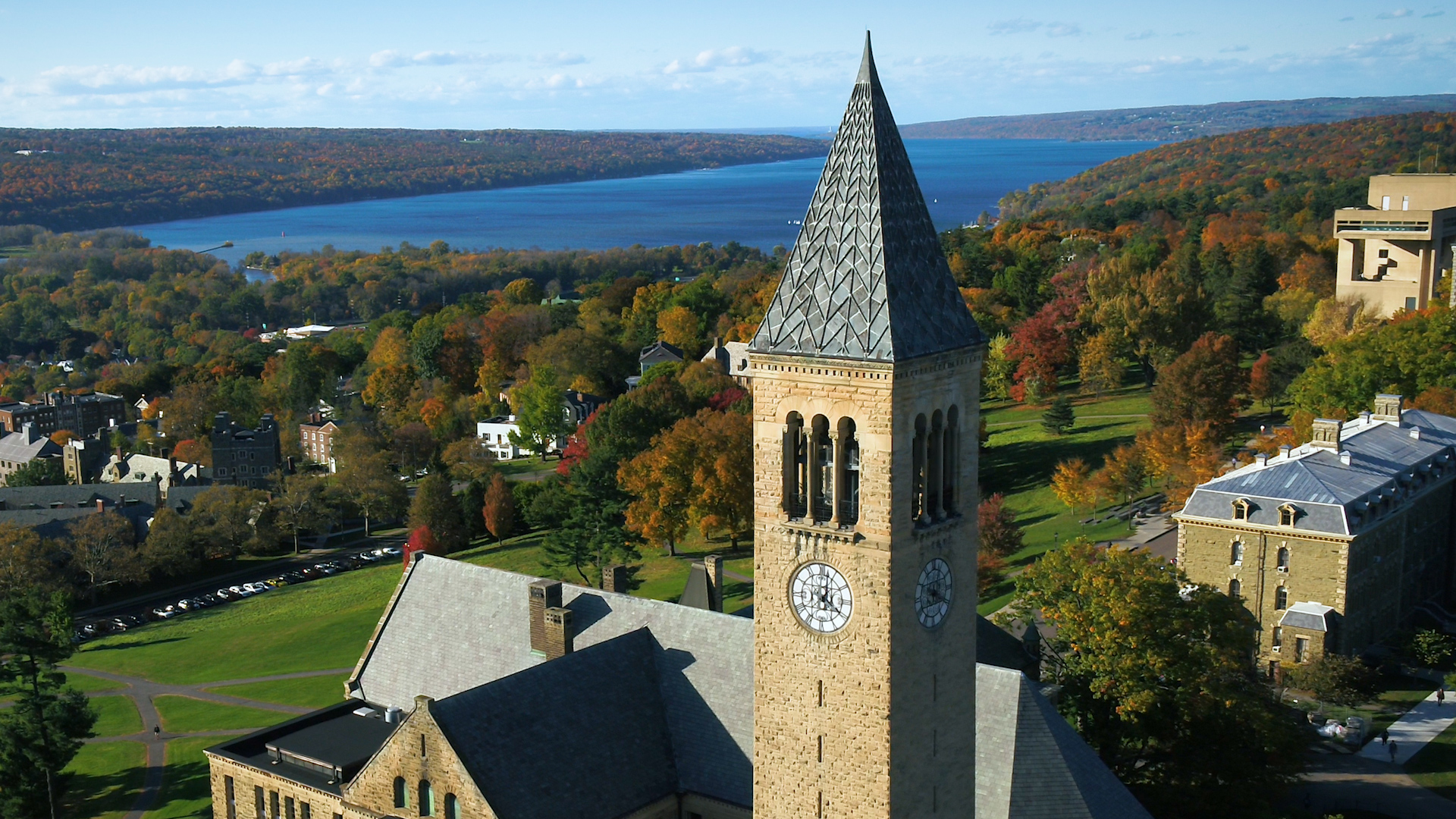
The collaboration between Ezra Cornell, a telegraph entrepreneur, and Andrew Dickson White, a historian and diplomat, laid the foundation for an institution unlike any other. Cornell’s vision, articulated in his famous pledge—"I would found an institution where any person can find instruction in any study"—challenged the elitism of traditional universities. White, meanwhile, emphasized the need for a "great university" that would combine the best of European scholarship with American pragmatism. Their 1865 charter established Cornell as a private university with a public mandate: to provide accessible education while advancing knowledge through research. This duality was codified in the land-grant mission, requiring Cornell to integrate practical fields like agriculture and engineering with classical liberal arts.
The university’s first curriculum, introduced in 1868, reflected this balance. Students could pursue studies in the College of Arts and Sciences alongside emerging programs in agriculture, architecture, and mechanical engineering. White’s insistence on academic freedom—inspired by his experiences in Germany—ensured that Cornell would prioritize inquiry over dogma. By 1870, the university admitted its first female students and international scholars, setting a precedent for inclusivity. This early commitment to diversity was not merely symbolic; it was a structural innovation that would later influence co-educational policies at other Ivy League institutions.
Major Milestones: Academic, Scientific, and Cultural Achievements (1865–2020)
Cornell’s trajectory over 155 years is marked by breakthroughs that reshaped education, science, and society. Below are key milestones categorized by era, illustrating the university’s adaptive growth:
Table of Contents
- Historical Context of Cornell University: A Legacy Before 2026
- Founding Vision: Ezra Cornell and Andrew Dickson White’s Dual Mission
- Major Milestones: Academic, Scientific, and Cultural Achievements (1865–2020)
- Comparative Growth: Enrollment, Faculty, and Campus Expansion
- Top Influential Alumni by Century: Contributions to Society
- Anticipated Academic and Research Developments by 2026
- Evolution of Top-Ranked Programs and Emerging Specializations
- Investments in Cutting-Edge Research Facilities
- Cornell Tech NYC: Expanding Urban Innovation and Entrepreneurship
- Projected Research Output: Publications, Patents, and Grants (2020 vs. 2026)
- Campus Life and Student Experiences in 2026: Tradition and Transformation By 2026, Cornell University will have redefined campus life through a delicate balance of preserving its storied traditions while embracing radical innovations shaped by sustainability, technology, and shifting student expectations. The Ithaca campus, nestled between Cayuga Lake and the Finger Lakes, will continue to serve as a microcosm of global challenges and opportunities, where students navigate academic rigor, cultural engagement, and personal well-being in an era of hybrid learning and digital transformation. From the redesign of residential halls to the integration of esports into athletic culture, Cornell’s evolution reflects a proactive response to the demands of Gen Z and Alpha students—prioritizing inclusivity, mental health, and experiential learning without compromising the university’s historic identity. The physical and social fabric of Cornell in 2026 will be marked by intentional sustainability initiatives, such as zero-waste dining halls, solar-powered residence halls, and vertical gardens integrated into academic buildings. Technology will permeate daily life, from AI-driven personalized study spaces to augmented reality (AR) campus tours for prospective students. Meanwhile, student-led movements—spurred by climate activism, social justice, and technological disruption—will reshape extracurricular landscapes, blending time-honored traditions with cutting-edge innovation. Redesigned Housing and Dining: Sustainability Meets Student-Centric Living
- Greek Life and Alternative Living Communities: Navigating Inclusivity and Modern Challenges
- Athletics and Esports: The Future of Big Red Fan Engagement and Technology
1865–1900: Foundations and Expansion - 1868: First classes held in McGraw Hall, with 412 students and 21 faculty. - 1870: Admission of women and international students, including the first female graduate, Mary Wooley (1874). - 1872: Establishment of the Sibley College of Mechanical Engineering and Mechanics, one of the first in the U.S. - 1882: Founding of the New York State Agricultural Experiment Station, pioneering applied agricultural research. - 1890: Introduction of the elective system, allowing students to design their own curricula—a radical departure from rigid academic tracks.
1900–1950: Research and Global Influence - 1910: William Henry Seward House donated to Cornell, becoming the center of the School of Architecture. - 1917: Cornell Aeronautical Laboratory established, later evolving into the Cornell Aeronautical Laboratory (CALTech), a hub for aviation research. - 1930: Cornell Medical College founded in New York City, merging with Weill Cornell in 1998. - 1940: Cornell University Press publishes its first book, solidifying its role in academic publishing. - 1948: First African American undergraduate admitted, George McCauley, breaking racial barriers.
1950–2000: Interdisciplinary Innovation and Activism - 1965: Cornell’s Centennial Celebration coincides with the launch of the Johnson Graduate School of Management. - 1970: Student protests against the Vietnam War lead to the establishment of the Cornell Committee on Socially Responsible Investment, an early model for ethical investing in universities. - 1980: Cornell Theory Center founded, becoming a pioneer in supercomputing and digital research. - 1990: First female president appointed, Hunter Rawlings, who expanded international programs and research funding. - 2000: Cornell Tech announced in New York City, merging engineering with urban innovation.
2000–2020: Global Leadership and Technological Frontiers - 2004: Cornell’s first robotics team competes in the DARPA Grand Challenge, advancing autonomous vehicle technology. - 2010: Ann S. Bowers College of Computing and Information Science established, reflecting Cornell’s leadership in tech education. - 2015: Cornell’s participation in the Breakthrough Energy Coalition, led by Bill Gates, focuses on renewable energy research. - 2020: COVID-19 pandemic response includes rapid development of mRNA vaccine research in collaboration with Pfizer, leveraging Cornell’s biotech expertise.
Comparative Growth: Enrollment, Faculty, and Campus Expansion
Cornell’s physical and academic expansion mirrors broader trends in higher education, with periods of rapid growth often tied to economic, political, or technological shifts. Below is a comparative analysis of key decades:
| Decade | Student Enrollment | Faculty Growth | Campus Expansion | Notable Context |
|---|---|---|---|---|
| 1920s | ~3,000 students | 250 faculty | Rhoads Hall (1924), Uris Hall (1926) | Post-WWI boom; focus on agricultural science and engineering. |
| 1960s | ~15,000 students | 1,200 faculty | Physical Sciences Building (1965), Clark Hall (1968) | Civil Rights Era; increased diversity and activism. |
| 2000s | ~23,000 students | 3,000+ faculty | Cornell Tech NYC (2017), Biotech Hub Expansion | Digital revolution; rise of STEM and interdisciplinary programs. |
Enrollment Trends: - 1920s: Growth driven by the Smith-Lever Act (1914), which expanded agricultural extension programs, attracting students nationwide. - 1960s: Enrollment surged due to the GI Bill’s legacy and Cornell’s reputation as a progressive institution, particularly in sciences and humanities. - 2000s: International student enrollment tripled, reaching 14% of the student body, reflecting global demand for Cornell’s programs in tech and sustainability.
Faculty Additions: - 1920s: Specialization in agricultural chemistry and aeronautics led to targeted hires, including Nobel laureate Thomas Midgley Jr. (1920s), who later invented chlorofluorocarbons (CFCs), a controversial legacy. - 1960s: Expansion of social sciences and African American studies in response to student activism and federal funding for diversity initiatives. - 2000s: Growth in computer science and biotech, with faculty like Jeannette Wing (computer science) shaping modern tech education.
Campus Expansion: - 1920s: Focus on science and engineering, with landmarks like Snee Hall (1924) becoming symbols of Cornell’s technical prowess. - 1960s: Student unions and cultural centers (e.g., Willard Straight Hall) built to accommodate activism and social change. - 2000s: Urban campuses (e.g., Cornell Tech NYC) and sustainability initiatives, such as the Cornell Botanic Gardens expansion, reflected 21st-century priorities.
Top Influential Alumni by Century: Contributions to Society
Cornell’s alumni have shaped nearly every field, from politics to the arts. The table below highlights the most impactful graduates from each century, categorized by their domains of influence:
| Century | Alumni Name | Class Year | Field | Contribution | ||||||||||||||||||||
|---|---|---|---|---|---|---|---|---|---|---|---|---|---|---|---|---|---|---|---|---|---|---|---|---|
19th
Anticipated Academic and Research Developments by 2026Cornell University’s trajectory by 2026 reflects a convergence of long-standing academic excellence and bold investments in interdisciplinary innovation. As one of the world’s top research institutions, Cornell’s evolution will be shaped by strategic expansions in its flagship programs, transformative infrastructure projects, and deepened collaborations with industry and global consortia. The university’s commitment to addressing 21st-century challenges—from AI ethics to climate resilience—positions it to redefine leadership in academia and research output. By 2026, Cornell’s academic and research landscape will likely feature new specializations, cutting-edge facilities, and expanded partnerships that align with emerging global priorities.Evolution of Top-Ranked Programs and Emerging SpecializationsCornell’s reputation as a hub for applied and theoretical innovation is underpinned by its elite schools, each poised for significant evolution by 2026. The Dyson School of Applied Economics and Management will likely deepen its focus on data-driven policy solutions, integrating advanced computational economics with real-world applications in sustainability and digital governance. Current initiatives, such as the Global Labor Institute and Center for Sustainable Global Enterprise, suggest a future emphasis on circular economy models and algorithm accountability, aligning with global demands for ethical economic frameworks. The College of Engineering continues to dominate rankings, particularly in robotics, aerospace, and materials science, but by 2026, it may introduce specialized tracks in quantum engineering and biomanufacturing. Collaborations with IBM’s Quantum Network and SUNY Polytechnic Institute could accelerate Cornell’s role in developing quantum-resistant cryptography and topological qubits. Meanwhile, the Johnson Graduate School of Management will expand its tech entrepreneurship programs, leveraging Cornell Tech’s NYC campus to foster startups in fintech and climate-adaptive business models. New interdisciplinary minors and joint degrees are expected to emerge, bridging gaps between engineering, social sciences, and the arts. For instance, a Neurotechnology and Society program may combine insights from the Cornell Ann S. Bowers College of Computing and Information Science with ethical frameworks from the Department of Science and Technology Studies.Investments in Cutting-Edge Research FacilitiesCornell’s research infrastructure is a cornerstone of its global influence, and by 2026, several facilities will undergo expansions or upgrades to support next-generation discoveries. The Cornell High Energy Synchrotron Source (CHESS), a leader in X-ray and neutron scattering research, is likely to integrate AI-driven data analysis to accelerate materials science breakthroughs, such as high-temperature superconductors or carbon-capture catalysts. A proposed CHESS 2.0 upgrade could double its brightness, enabling studies of quantum materials and biological macromolecules with unprecedented precision. The Cornell NanoScale Science and Technology Facility (CNF) will continue to be a linchpin for nanofabrication and quantum dot research, but by 2026, it may introduce clean-room expansions for flexible electronics and neuromorphic computing chips. Partnerships with GlobalFoundries and SEMATECH could position Cornell as a leader in semiconductor innovation, particularly for post-silicon technologies. In biotechnology, the Weill Institute for Cell and Molecular Biology will likely expand its CRISPR-based gene-editing facilities, with a focus on therapeutic applications for rare diseases. Meanwhile, the Boyce Thompson Institute (BTI) may launch vertical farming research hubs, collaborating with Microsoft’s AI for Earth to optimize crop resilience using hyperspectral imaging. A new Quantum Computing Initiative could emerge, consolidating efforts across physics, computer science, and engineering. Cornell’s proximity to IBM’s quantum labs in Poughkeepsie and Google’s quantum AI research suggests potential for a hybrid quantum-classical computing center, targeting applications in drug discovery and climate modeling.Cornell Tech NYC: Expanding Urban Innovation and EntrepreneurshipCornell Tech’s campus in Rockefeller Center serves as a bridge between Ivy League rigor and Silicon Valley entrepreneurship, and by 2026, its focus on urban innovation will likely broaden to include smart city infrastructure and resilient infrastructure design. Current partnerships with NYC Mayor’s Office and Sidewalk Labs (Alphabet) suggest future projects in autonomous mobility networks and equitable AI deployment in municipal services. The Tech to Market (T2M) program will expand its venture capital pipelines, with a growing emphasis on deep-tech startups in biotech and cleantech. Collaborations with Blackstone LaunchPad and Cornell’s Entrepreneurial Programs may introduce accelerators for social impact ventures, aligning with NYC’s climate action goals. Additionally, Cornell Tech’s Data + Design Lab could pioneer AI ethics auditing tools for urban planning, ensuring transparency in algorithmic decision-making. By 2026, Cornell Tech may also launch a Global Urban Tech Hub, connecting NYC innovators with counterparts in Singapore, Amsterdam, and Barcelona, fostering cross-continental solutions for housing affordability and disaster resilience.Projected Research Output: Publications, Patents, and Grants (2020 vs. 2026)Cornell’s research output reflects its global impact, and by 2026, key metrics in publications, patents, and grants are expected to see exponential growth, particularly in high-impact fields. Below is a comparative projection based on current trends and institutional commitments:
Campus Life and Student Experiences in 2026: Tradition and Transformation
By 2026, Cornell University will have redefined campus life through a delicate balance of preserving its storied traditions while embracing radical innovations shaped by sustainability, technology, and shifting student expectations. The Ithaca campus, nestled between Cayuga Lake and the Finger Lakes, will continue to serve as a microcosm of global challenges and opportunities, where students navigate academic rigor, cultural engagement, and personal well-being in an era of hybrid learning and digital transformation. From the redesign of residential halls to the integration of esports into athletic culture, Cornell’s evolution reflects a proactive response to the demands of Gen Z and Alpha students—prioritizing inclusivity, mental health, and experiential learning without compromising the university’s historic identity.
The physical and social fabric of Cornell in 2026 will be marked by intentional sustainability initiatives, such as zero-waste dining halls, solar-powered residence halls, and vertical gardens integrated into academic buildings. Technology will permeate daily life, from AI-driven personalized study spaces to augmented reality (AR) campus tours for prospective students. Meanwhile, student-led movements—spurred by climate activism, social justice, and technological disruption—will reshape extracurricular landscapes, blending time-honored traditions with cutting-edge innovation.
|
Leave a Comment
Comments are moderated before appearing. The data you submit is processed according to the Privacy Policy of Velirium.