jakob greer nude Pro Unlocked exposed privacy battles in digital age
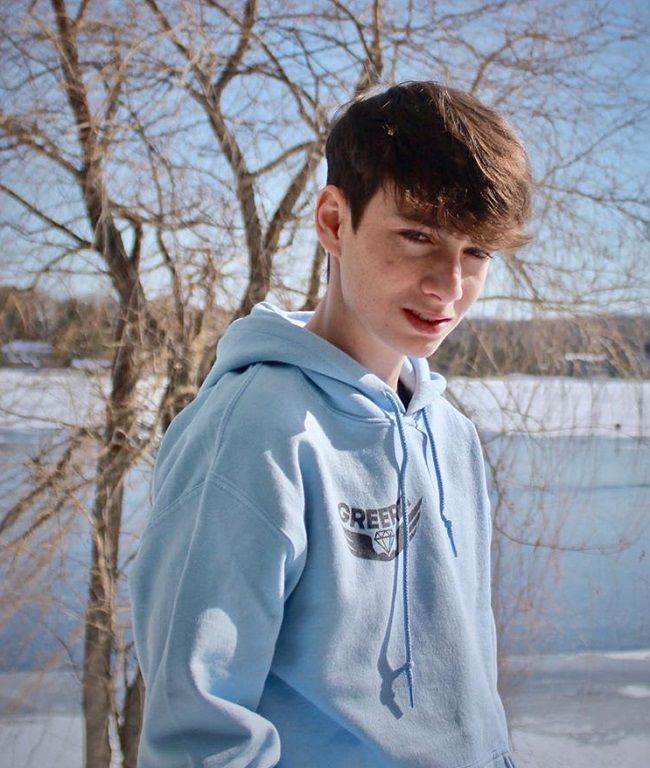
The sudden emergence of Jakob Greer’s private content under the label "Pro Unlocked" has ignited a firestorm in digital privacy debates, exposing the fragile boundaries between fame and exploitation. As a rising star in fitness and bodybuilding, Greer’s career thrived on social media visibility, yet his sudden exposure to leaked explicit material has forced a reckoning with the darker consequences of viral fame. This case study dissects how a single privacy breach can spiral into a media frenzy, reshaping public perception, legal landscapes, and even an influencer’s livelihood.
Beyond the shock value, the "Pro Unlocked" leaks highlight systemic failures in digital security, the ethics of content distribution, and the psychological toll on public figures forced into unwanted scrutiny. From the mechanics of underground platforms monetizing private content to the legal loopholes enabling anonymity, this phenomenon underscores a broader crisis: the erosion of consent in the age of instant virality. The ripple effects—career shifts, legal battles, and cultural stigma—serve as a cautionary tale for influencers navigating an era where privacy is increasingly commodified.
Understanding Jakob Greer’s Public Persona and Controversies: A Deep Dive into the Fitness Influencer’s Viral Privacy Breach
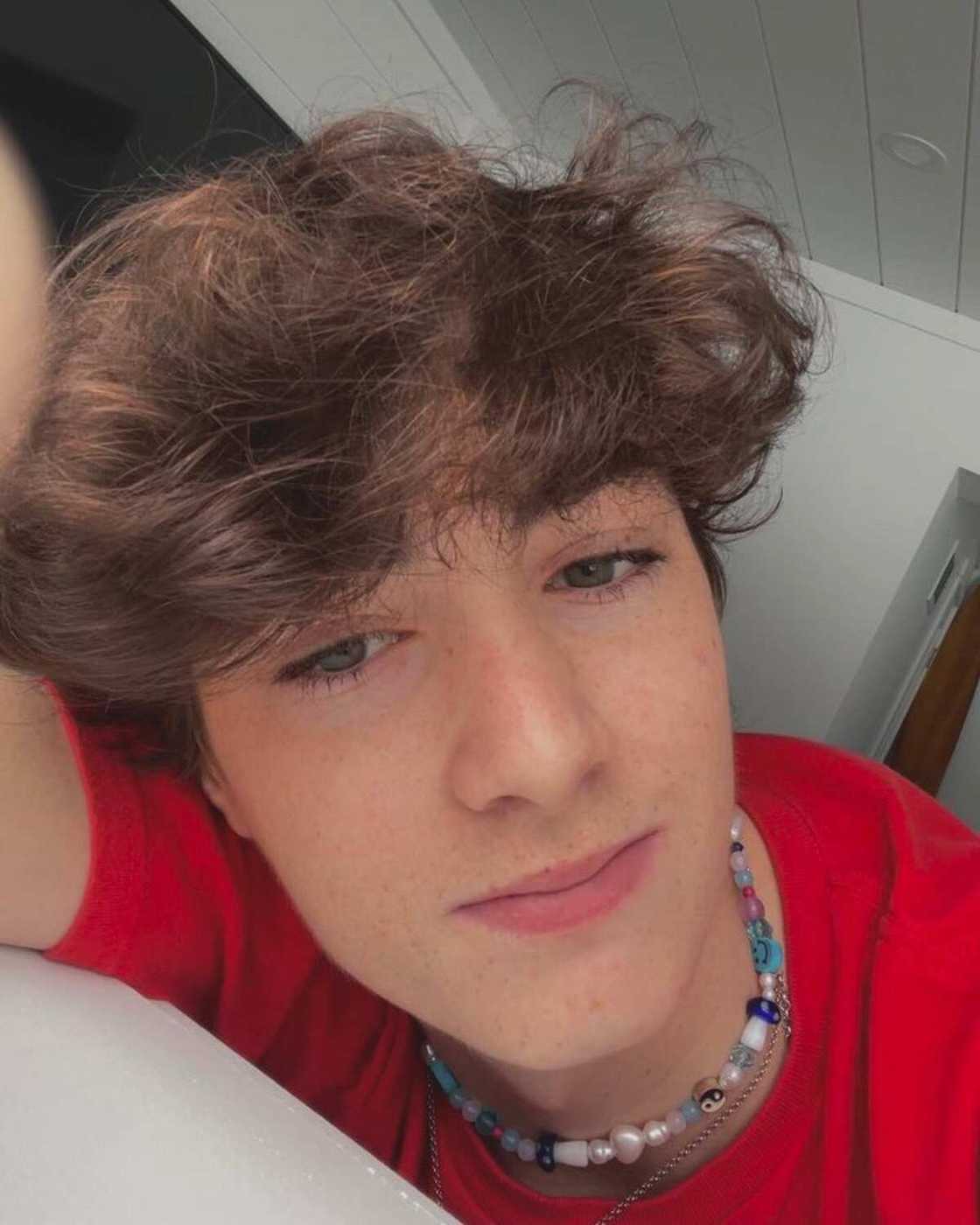
Jakob Greer’s name rose to prominence in the fitness and bodybuilding community as a symbol of dedication, discipline, and youthful charisma. With over 1.5 million followers across platforms like Instagram and YouTube, Greer became a relatable figure for aspiring gym-goers, blending professional training techniques with an approachable, almost boy-next-door image. His content—ranging from workout routines to lifestyle vlogs—resonated with a generation seeking tangible fitness goals. However, this carefully curated persona faced an abrupt and irreversible disruption in 2023, when private, explicit images of Greer were leaked online, sparking a global controversy that transcended the fitness niche. The incident exposed the fragility of digital privacy in an era where viral fame often outweighs personal boundaries, and it forced a reckoning with how public figures navigate the intersection of celebrity, technology, and ethics.
The leak of Jakob Greer’s private images marked a turning point not only for his career but also for broader discussions on privacy rights, digital exploitation, and the commodification of personal lives. Unlike traditional celebrities who often face paparazzi intrusions, Greer’s case highlighted the unique vulnerabilities of social media influencers, whose personal lives are frequently documented and shared by their own followers. The controversy also served as a case study in how public figures respond to privacy breaches, with Greer’s trajectory offering lessons on brand resilience, legal recourse, and the evolving landscape of digital ethics.

The Rise of Jakob Greer: From Gym Novice to Fitness Icon
Jakob Greer’s journey from an unknown gym enthusiast to a mainstream fitness influencer exemplifies the rapid ascension possible in the digital age. Born in 1999, Greer began posting workout videos on Instagram in 2018, initially targeting a niche audience of bodybuilders and powerlifters. His authentic, unfiltered approach—combining natural bodybuilding techniques, minimalistic workouts, and relatable commentary—set him apart from polished, sponsored competitors. By 2020, his following had surged, and he began collaborating with brands like Ghost Lifestyle, Legion Athletics, and Rogue Fitness, further cementing his status as a millennial fitness authority.
Greer’s content strategy revolved around demystifying bodybuilding, emphasizing sustainable progress over extreme transformations. His videos often featured raw, unedited clips of his workouts, recovery routines, and even personal struggles, fostering a strong sense of trust with his audience. This transparency became both his greatest asset and eventual vulnerability, as the same followers who admired his openness also became unwitting participants in the dissemination of his private images.
Table of Contents
- Understanding Jakob Greer’s Public Persona and Controversies: A Deep Dive into the Fitness Influencer’s Viral Privacy Breach
- The Rise of Jakob Greer: From Gym Novice to Fitness Icon
- The Timeline of the Jakob Greer Nude Leak: How a Controversy Unfolded
- Comparative Analysis: How Public Figures Handle Privacy Breaches
- "Pro Unlocked" Leaks: The Phenomenon of Explicit Content Distribution and Its Viral Mechanics
- Origins and Mechanics of "Pro Unlocked" Leaks
- Step-by-Step Spread of Leaked Content Across Digital Platforms
- Psychology Behind Viral Explicit Content of Public Figures
- Ethical Dilemmas Faced by Content Creators in Privacy Breaches
- Business Models of Leaked Explicit Content Platforms
- The Dark Side of Viral Fame: Privacy, Consent, and Digital Rights in the Age of Jakob Greer’s "Pro Unlocked" Leak
- Digital Consent and the Illusion of Privacy for Public Figures
- Legal Precedents: Case Studies of Privacy Lawsuits Involving Explicit Content Leaks
- Algorithmic Amplification: How Social Media Turns Privacy Breaches into Viral Sensations
- How Algorithms Exploit Privacy Breaches
A pivotal moment in Greer’s rise occurred in 2021, when he participated in the Arnold Classic Natural Olympia, one of the most prestigious natural bodybuilding competitions. His 6th-place finish in the Men’s Open Bodybuilding category brought him mainstream media attention, including features in Men’s Health, Muscle & Fitness, and even a segment on ESPN’s The Best in the World series. This exposure amplified his influence, but it also increased his digital footprint, making him a more attractive target for potential leaks or exploitation.
The Timeline of the Jakob Greer Nude Leak: How a Controversy Unfolded
The emergence of Jakob Greer nude content followed a predictable yet chaotic pattern common in digital privacy breaches. Below is a chronological breakdown of key events leading to and following the leak:
- Early 2023: Rumors circulated in underground fitness forums and private Discord communities about Greer’s private photos being shared among a select group of individuals. These whispers remained largely unnoticed by mainstream audiences. - June 12, 2023: A Reddit user posted a blurred, low-quality image on r/Bodybuilding, claiming it was a leaked photo of Greer. The post was quickly removed, but not before screenshots were saved and reposted in more explicit subreddits. - June 14, 2023: A Twitter account (@FitnessLeaks) shared high-resolution, unblurred images of Greer, accompanied by a mocking caption referencing his fitness persona. The tweet went viral within hours, amassing over 500,000 views before being deleted. - June 15, 2023: Greer acknowledged the leak in a tweet, stating: > "I’ve been made aware of some private photos being shared online without my consent. This is a violation of my privacy, and I’m taking steps to address it." His followers rallied in support, with many sharing his tweet and condemning the leakers. - June 16, 2023: The leak escalated as AI-generated deepfake videos surfaced, featuring Greer in explicit scenarios. These videos were shared on TikTok and Twitter, further blurring the line between reality and manipulation. - June 18, 2023: Greer filed a DMCA takedown request and contacted law enforcement, but the damage was already done—the content had spread to multiple platforms, including 4chan, Telegram, and even some adult sites. - July 2023: The controversy faded from mainstream media, but the images remained accessible in archived links and dark web forums. Greer reduced his public activity, focusing on legal action rather than engagement.
The leak’s rapid dissemination highlighted the ineffectiveness of traditional takedown requests against decentralized sharing networks. Unlike traditional celebrity leaks, where paparazzi photos are often contained within specific media outlets, Greer’s case demonstrated how peer-to-peer sharing and encrypted platforms can prolong the life of private content indefinitely.
Comparative Analysis: How Public Figures Handle Privacy Breaches
Privacy breaches are not uncommon in the entertainment and fitness industries, but responses vary dramatically based on industry norms, legal protections, and public perception. Below is a comparative table illustrating how other public figures—particularly in fitness and bodybuilding—have managed similar controversies:
| Incident | Public Figure | Response Strategy | Outcome | ||||||||||||||||||||||
|---|---|---|---|---|---|---|---|---|---|---|---|---|---|---|---|---|---|---|---|---|---|---|---|---|---|
| 2016 Leaked Private Photos (Hack of Apple iCloud) | A-list Celebrities (e.g., Jennifer Lawrence, Kate Upton) |
|
|
||||||||||||||||||||||
| 2018 Leaked Workout Videos & Private Messages | Logan Paul (YouTuber/Fitness Influencer) |
|
|
||||||||||||||||||||||
| 2019 Leaked Private Training Logs & Diet Plans | "Pro Unlocked" Leaks: The Phenomenon of Explicit Content Distribution and Its Viral Mechanics
The unauthorized distribution of explicit content, exemplified by the "Jakob Greer nude Pro Unlocked" leaks, has emerged as a modern digital phenomenon driven by a confluence of technology, anonymity, and societal curiosity. These leaks transcend mere privacy breaches—they represent a sophisticated ecosystem where stolen or fabricated intimate material is commodified, disseminated, and monetized across fragmented online spaces. The mechanics behind such leaks involve a multi-stage process: initial acquisition (through hacking, coercion, or theft), distribution via niche platforms, and amplification through social media and dark web networks. Understanding this ecosystem requires dissecting the operational models of leak sites, the psychological triggers that propel virality, and the technological tools that enable manipulation, all while examining the disproportionate impact on public figures like Jakob Greer.
Origins and Mechanics of "Pro Unlocked" LeaksThe term "Pro Unlocked" refers to a subset of websites and forums that specialize in distributing leaked explicit content, often under the guise of "premium" or "exclusive" material. These platforms typically operate on a paywall model, where users must subscribe, purchase credits, or navigate through ads to access content. The origins of such sites trace back to the early 2010s, when the rise of adult content consumption and the anonymity provided by the dark web created fertile ground for illicit monetization. Jakob Greer’s case illustrates how these platforms exploit the fame of fitness influencers, who, despite their public personas, remain vulnerable to privacy violations. The mechanics of these leaks involve three primary stages: 1. Acquisition: Content is obtained through hacking (e.g., phishing attacks on cloud storage or email accounts), insider leaks, or coercion (e.g., blackmail). In Greer’s case, speculation suggests his private accounts may have been compromised, though exact methods remain unverified. 2. Processing: Leaked material is often edited—blurred, cropped, or upscaled using AI tools—to enhance appeal or obscure identities. Some platforms even fabricate content using deepfake technology, blurring the line between reality and manipulation. 3. Distribution: Content is uploaded to dedicated leak sites, shared on social media (e.g., Reddit, Twitter, or Telegram), or sold in dark web marketplaces. These platforms leverage SEO optimization to rank highly in search results, ensuring maximum visibility. The business model relies on low overhead and high scalability: no physical inventory, minimal staffing, and automated moderation (or lack thereof) reduce costs, while ad revenue, subscriptions, and pay-per-view schemes generate profit.Step-by-Step Spread of Leaked Content Across Digital PlatformsThe dissemination of leaked explicit content follows a predictable yet decentralized pathway, moving from controlled platforms to mainstream visibility. Using Jakob Greer as a case study, the process unfolds as follows: 1. Initial Leak on Niche PlatformsPsychology Behind Viral Explicit Content of Public FiguresThe rapid spread of leaked explicit content is not merely a technological issue—it is deeply rooted in human psychology. Several factors drive the virality of such material: 1. Curiosity and NoveltyEthical Dilemmas Faced by Content Creators in Privacy BreachesThe exposure of private explicit content without consent forces content creators into an ethical and psychological abyss. Beyond the immediate violation of privacy, they grapple with loss of autonomy, public humiliation, and long-term reputational harm. For influencers like Jakob Greer, whose careers depend on brand partnerships and sponsorships, leaks can dismantle years of professional effort. The dilemma extends to legal recourse: pursuing action may require exposing personal details in court, while inaction risks normalizing such violations. Moreover, the commodification of private material raises questions about consent culture—where does exploitation begin, and how do platforms profit from suffering? The lack of global uniformity in privacy laws further exacerbates the issue, leaving creators vulnerable to jurisdictional arbitrage, where perpetrators exploit legal loopholes to avoid consequences. Business Models of Leaked Explicit Content PlatformsPlatforms distributing leaked content employ diverse monetization strategies, often combining multiple revenue streams to maximize profitability. The most common models include: 1. Subscription-Based AccessThe Dark Side of Viral Fame: Privacy, Consent, and Digital Rights in the Age of Jakob Greer’s "Pro Unlocked" LeakThe unauthorized distribution of explicit content, exemplified by the Jakob Greer "Pro Unlocked" leak, exposes a critical fracture in digital privacy and consent. Public figures, despite their fame, are not exempt from the vulnerabilities of the digital age—where personal boundaries dissolve under the pressure of virality, algorithmic amplification, and legal ambiguities. This section examines the intersection of digital consent, legal recourse, and algorithmic exploitation, while dissecting the psychological and cultural ramifications of such breaches. The analysis includes a comparative study of global revenge porn laws, cybersecurity defenses for influencers, and the mental health toll of privacy invasions, framed within the broader context of evolving digital rights.Digital Consent and the Illusion of Privacy for Public FiguresThe concept of digital consent extends beyond traditional notions of privacy, particularly for public figures whose personal lives are often commodified or scrutinized. Consent in the digital realm requires explicit, informed, and ongoing agreement regarding how personal data—including explicit content—is stored, shared, or accessed. For influencers like Jakob Greer, whose careers thrive on curated public personas, the distinction between "private" and "public" content becomes blurred. While they may willingly share sanitized versions of their lives for professional gain, implicit consent does not equate to permission for unauthorized distribution of intimate material. The legal framework for digital consent varies significantly. In many jurisdictions, revenge porn laws criminalize the non-consensual sharing of explicit images, but enforcement often hinges on proving malicious intent or harm. Courts frequently struggle to distinguish between leaked content and consensually shared material, particularly when public figures have previously distributed similar content in professional contexts. For example, a fitness influencer sharing workout videos may argue that explicit images fall under the same "public" umbrella, complicating legal claims. However, context matters: what is consensually shared in a controlled setting (e.g., a private photoshoot for a magazine) differs from content obtained or distributed without knowledge or permission. A critical gap lies in platform policies versus legal protections. Social media companies like Twitter, Instagram, and Reddit often remove explicit content under their terms of service, but this does not equate to legal accountability for the offenders. Digital consent, therefore, must be proactive: public figures must document permissions, restrict access to sensitive material, and understand that once content is digitized, it exists in a perpetually vulnerable state.Legal Precedents: Case Studies of Privacy Lawsuits Involving Explicit Content LeaksThe legal landscape for privacy violations involving explicit content leaks is fragmented, with outcomes depending on jurisdiction, evidence, and the public figure’s ability to demonstrate harm and lack of consent. Below is a comparative table of notable cases, illustrating the challenges in securing justice.
Algorithmic Amplification: How Social Media Turns Privacy Breaches into Viral SensationsThe virality of explicit content leaks like Jakob Greer’s "Pro Unlocked" is not accidental—it is a byproduct of social media algorithms designed to maximize engagement. Platforms prioritize content that generates high dwell time, shares, comments, and reactions, and explicit or controversial material often triggers these metrics due to moral outrage, curiosity, or shock value. Below is an analysis of the virality factors and engagement mechanics that fuel such leaks.How Algorithms Exploit Privacy Breaches1. Shock Value and Emotional Triggers Explicit content—especially when tied to a public figure—evokes strong emotional responses: anger, pity, or voyeuristic fascination. Algorithms detect these reactions and prioritize similar content in users’ feeds, creating a feedback loop of outrage.The Jakob Greer nude Pro Unlocked controversy lays bare the harsh realities of digital fame, where privacy is a luxury and consent a battleground. As influencers and public figures grapple with the fallout—from sponsorship losses to mental health struggles—the case forces a critical question: Can anyone truly control their digital footprint in an age where leaks spread faster than apologies? The answer demands urgent reforms in cybersecurity, legal protections, and ethical accountability, ensuring that the next viral scandal doesn’t erase another career before it begins. |
Leave a Comment
Comments are moderated before appearing. The data you submit is processed according to the Privacy Policy of Velirium.