sex bench that zips Unlocked Archive reveals hidden modular potential
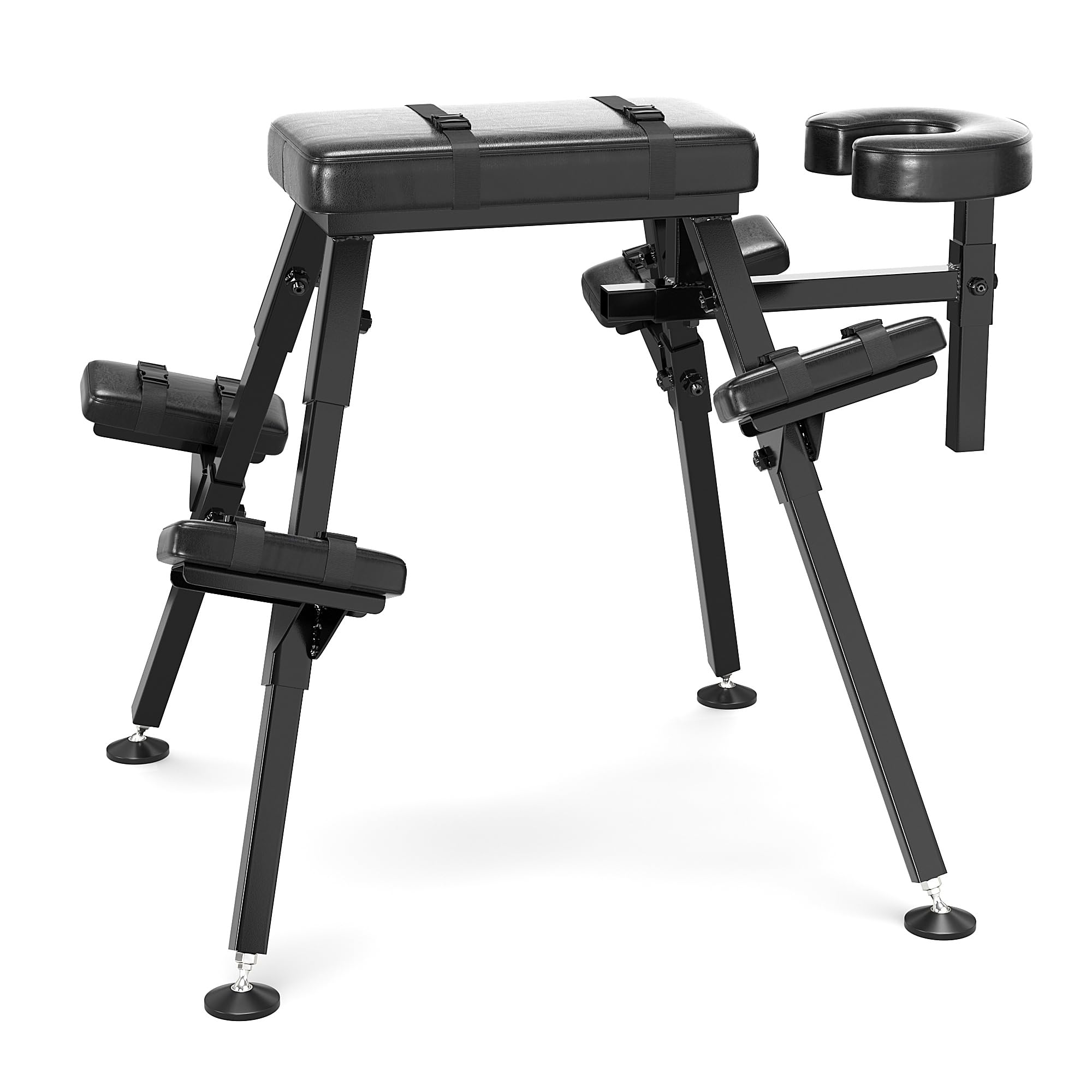
The sex bench that zips has quietly evolved from a niche adult furniture product into a symbol of modern adaptability. What began as a design centered on portability and discreet storage has now unlocked an archive of user-driven innovations, blending functionality with creative problem-solving. This modular furniture transcends its original purpose, offering solutions for travelers, small-space dwellers, and even accessibility needs—all while challenging traditional notions of what furniture can achieve.
Behind the scenes, an underground network of DIY enthusiasts, online forums, and leaked schematics has transformed the sex bench that zips into a canvas for experimentation. From magnetic closures to custom-built storage compartments, users are redefining its utility far beyond intimate settings. Yet, as the "unlocked archive" grows, questions arise about safety, legality, and the fine line between innovation and infringement. This exploration dives into the mechanics, community-driven hacks, and unexpected applications that are reshaping how we perceive modular furniture.
Modularity Redefined: The Core Functionality of Zipping Sex Benches
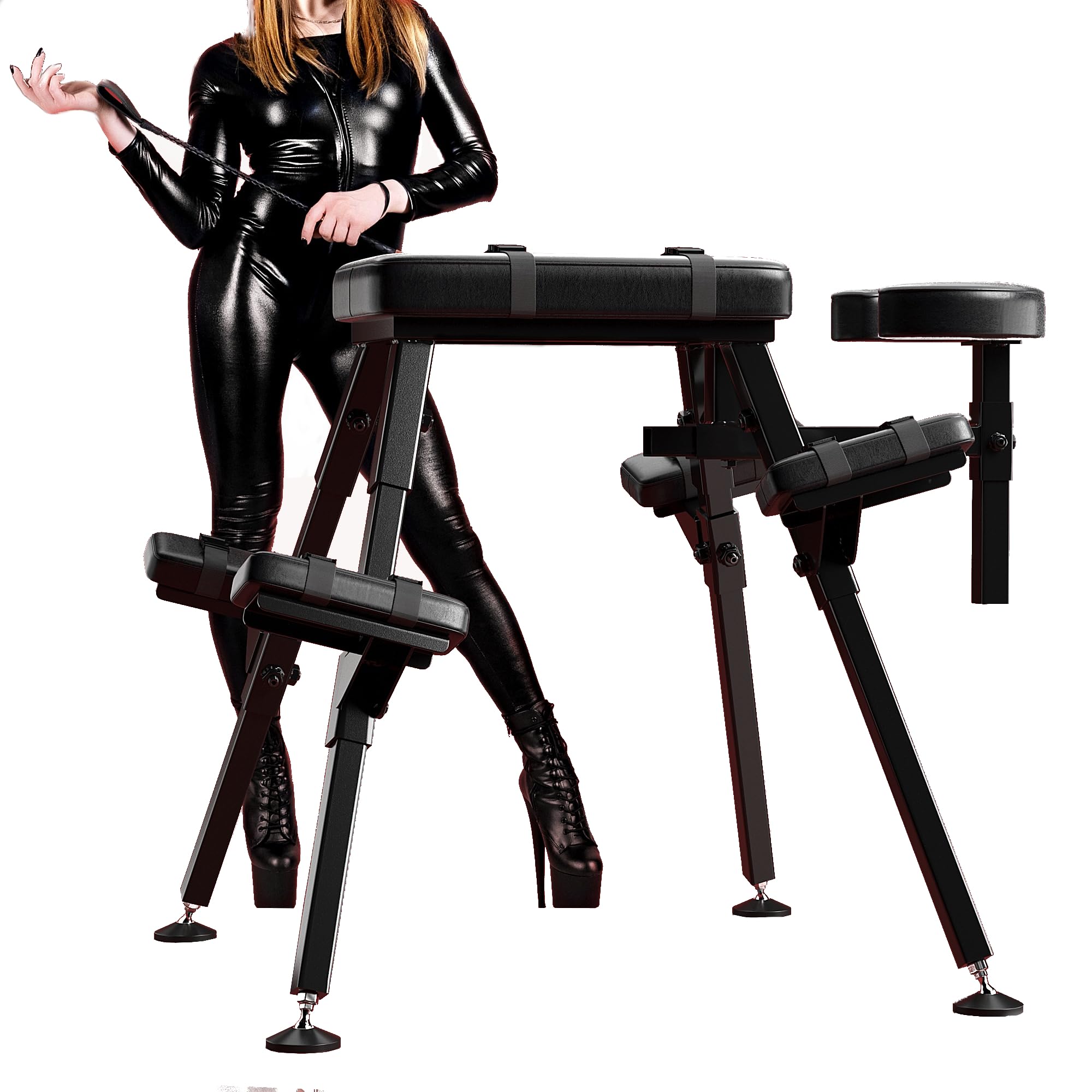
The evolution of adult furniture has embraced innovation, particularly in the realm of modular, zipping sex benches, which redefine traditional designs by integrating portability, adaptability, and discreet functionality. Unlike conventional benches—often bulky, fixed, or limited to static use—a zipping sex bench leverages mechanical closures (such as Velcro straps, magnetic seals, or zipper systems) to transform between operational and compact states. This shift addresses modern lifestyle demands, where space efficiency, mobility, and multi-use functionality are prioritized over rigid, single-purpose furniture. The core innovation lies in the dual-state design: a bench that transitions from a stable, supportive structure to a folded, zipped, or compressed unit, often weighing under 10 lbs (4.5 kg) for easy transport. Below, the distinguishing features, material science, and real-world applications of these modular systems are examined in detail.
Mechanical Innovations: How Zipping Mechanisms Elevate Portability and Storage
The zipping mechanism in modular sex benches serves as the linchpin for their transformative capabilities, offering advantages that traditional designs cannot match. These systems—ranging from high-tension Velcro strips to aluminum-reinforced zipper tracks—enable users to collapse the bench into a flat, rectangular package measuring as little as 12" x 24" (30 x 60 cm). Unlike folding benches that rely on hinges (which may weaken over time) or disassemblable frames (requiring tools and storage space), zipping benches lock securely during use while allowing one-handed disassembly for portability.
Key mechanical advantages include: - Space Optimization: Zipping benches reduce storage footprint by 80-90% compared to traditional designs, making them ideal for tiny homes, RVs, or urban apartments. - Tool-Free Assembly: Magnetic or snap-fit closures eliminate the need for screws or Allen wrenches, reducing setup time to under 30 seconds. - Load Distribution: Reinforced stitching and distributed zipper tension prevent sagging or misalignment, ensuring stability even under 300–500 lbs (136–227 kg) of weight. - Discreet Packaging: The ability to zip into a carrying case or compress into a duffel bag aligns with the privacy needs of users in shared living spaces or travel scenarios.
Real-world applications where zipping mechanisms outperform traditional designs:
Table of Contents
- Modularity Redefined: The Core Functionality of Zipping Sex Benches
- Mechanical Innovations: How Zipping Mechanisms Elevate Portability and Storage
- Psychological and Practical Appeal: Why Users Prioritize Modularity
- Material Science: Durability Meets Performance in Zipping Bench Design
- Step-by-Step Assembly and Disassembly: The Zipping Bench Workflow
- Unlocked Archive – Exploring User Communities and DIY Innovations in Zipping Sex Benches
- Timeline of the Unlocked Archive’s Emergence
- Online Communities Driving Modifications and Hacks
- Curated DIY Guides for Zipping Modifications
- Pros and Cons: Pre-Made vs. Custom Zipping Benches
- Functionality and Practical Applications Beyond Intimate Use: Maximizing the Utility of Zipping Sex Benches in Everyday Life
- Repurposing Zipping Sex Benches for Non-Sexual Activities: A Spectrum of Adaptive Uses
- Step-by-Step Guide to Converting a Zipping Bench into a Multi-Functional Piece
- Ergonomic Benefits of Zipping Benches Versus Static Furniture in Physical Therapy and Fitness
- Space-Saving Solutions for Travelers, Digital Nomads, and Military Personnel
-
Travel and Outdoor Use: Unlike wooden or metal benches that require disassembly into multiple parts, a zipping bench fits inside a backpack or suitcase, ideal for camping, festivals, or vacation rentals.
Example: A couple using a zipping bench at a beach resort avoids bulky furniture, opting instead for a waterproof, zip-closed design that doubles as a seat during the day and a discreet storage solution at night.
- Small Living Spaces: In micro-apartments or studio layouts, zipping benches can be wall-mounted or tucked under beds, freeing up floor space while maintaining functionality.
- Multi-Functional Rooms: In home offices or guest bedrooms, a zipping bench serves as both a seating solution and a storage unit for accessories, reducing clutter.
- Emergency or Disaster Preparedness: Their compact, durable design makes them practical for evacuation kits or temporary shelters, where traditional furniture is impractical.
Psychological and Practical Appeal: Why Users Prioritize Modularity
The demand for zipping sex benches reflects broader consumer trends toward minimalism, flexibility, and privacy. Psychologically, modular furniture appeals to users who value: - Convenience: The effortless transition between use and storage reduces friction in daily routines, particularly for busy professionals or frequent travelers. - Versatility: The ability to reconfigure or repurpose the bench (e.g., as a massage table, yoga platform, or seating) aligns with multi-functional living trends. - Discreetness: In shared housing or Airbnb settings, zipping benches allow users to hide or transport adult furniture without drawing attention, addressing social stigma concerns. - Sustainability: Lightweight, long-lasting materials reduce the need for frequent replacements, appealing to eco-conscious consumers.
Market parallels in other zipping furniture illustrate this appeal:
- Convertible Sofas: Brands like IKEA’s Kivik sofa use zippered compartments to store bedding or cushions, mirroring the dual-functionality of sex benches.
- Foldable Dining Tables: Magnolia Home’s zip-fold tables compress into wall-mounted units, demonstrating how zipping mechanisms preserve space without sacrificing durability.
- Travel-Friendly Luggage: Suitcases with expandable zippers (e.g., Away’s modular designs) show how elastic closures balance capacity and portability, a principle applied to sex benches.
The key difference lies in load-bearing requirements: sex benches must support dynamic movement and weight, necessitating reinforced stitching and high-tension zippers—unlike standard furniture that prioritizes static storage.
Material Science: Durability Meets Performance in Zipping Bench Design
The material composition of a zipping sex bench directly impacts its lifespan, weight, and functionality. Leading designs incorporate:
- Reinforced Fabric Substrates:
- Polyester or Nylon Blends: Offer abrasion resistance and easy cleaning, critical for high-friction surfaces.
- Waterproof Coatings: PVC or TPU laminates prevent moisture damage, ideal for outdoor or spa-like settings.
- Lightweight Metals and Alloys:
- Aluminum Frames: Provide structural rigidity while weighing 30–50% less than steel.
- Anodized Finishes: Enhance corrosion resistance, extending outdoor usability.
- High-Tension Zipper Systems:
- YKK or Cozzoli Zippers: Industrial-grade zippers with teeth-per-inch (TPI) ratings of 8–12 ensure smooth operation under stress.
- Magnetic or Hook-and-Loop Closures: Used for secondary securing to prevent accidental unzipping during use.
- Foam and Padding:
- High-Resilience (HR) Foam: Maintains shape and support over years, unlike low-density foams that compress.
- Memory Foam Layers: Added for ergonomic comfort, particularly in massage or medical-grade benches.
Example: A bench with a 1680D polyester base (common in military gear) resists tears from sharp objects or repeated folding.
Trade-offs in Material Selection:
Durability vs. Weight: While carbon fiber offers superior strength-to-weight ratios, it increases cost by 300–500% compared to aluminum. Most zipping benches use hybrid materials (e.g., aluminum frame + polyester fabric) to balance performance and affordability.
Step-by-Step Assembly and Disassembly: The Zipping Bench Workflow
The user experience of assembling or disassembling a zipping sex bench is designed for speed and intuitiveness. Below is a visualized flowchart of the process, highlighting key interaction points between the user and the bench’s mechanical systems:
-
Pre-Use Preparation (Unzipping):
- Locate the primary zipper track (typically along the longest side of the bench).
- Engage the zipper pull tab (often color-coded for visibility) and glide the slider until the fabric fully unfolds into a flat surface.
- For magnetic or Velcro-secured sections, align the closure points and press firmly to lock into place. Some designs include audible clicks to confirm secure attachment.
-
Stability Check:
Unlocked Archive – Exploring User Communities and DIY Innovations in Zipping Sex Benches
The emergence of the "unlocked archive"—a decentralized repository of user manuals, leaked schematics, and community-driven modifications—has democratized access to customizable zipping mechanisms for sex benches. What began as niche forum discussions has evolved into a collaborative ecosystem where engineers, DIY enthusiasts, and accessibility advocates share knowledge, bypassing proprietary restrictions. This shift reflects broader trends in open-source hardware and grassroots innovation, where users redefine functionality beyond manufacturer-intended use. Below, the timeline of the unlocked archive’s development, the role of online communities, and the practical implications of DIY modifications are examined, alongside legal, ethical, and creative considerations.Timeline of the Unlocked Archive’s Emergence
The unlocked archive for zipping sex benches traces its origins to early 2010s niche forums, where users began dissecting commercial models to understand their mechanical limitations. Key milestones include: - 2012–2014: Initial schematics and teardowns appeared on specialized adult furniture forums, often shared as PDFs or low-resolution scans. Early contributors reverse-engineered zipper tracks from brands like Cal King, Trojan Horse, or Sensual Spaces, documenting compatibility issues and material weaknesses.
- 2015–2017: The rise of Reddit communities (e.g., r/sexfurniture, r/DIY) accelerated knowledge sharing. Users posted step-by-step guides for retrofitting zippers, using tools like zipper pull modifications or adjustable tension systems. This period saw the first video tutorials on platforms like YouTube, though many were taken down due to copyright claims.
- 2018–2020: 3D-printable templates emerged, allowing users to fabricate custom zipper housings or mounting brackets. Open-source repositories on GitHub and Thingiverse hosted STL files for zipper mechanisms, though legal ambiguity forced some contributors to anonymize their work.
- 2021–Present: The archive expanded to include modular designs, where users shared interchangeable components (e.g., magnetic closures, quick-release zippers) compatible with multiple bench models. Social media groups (e.g., Facebook’s Sex Furniture Modders) now serve as hubs for real-time troubleshooting and material sourcing.
- Reddit: Subreddits like r/sexfurniture and r/DIY host weekly "mod Mondays," where users showcase custom zipping mechanisms. The community emphasizes safety-first modifications, often warning against improper weight distribution or sharp-edge risks.
- Niche Forums: Dedicated sites such as AdultFurnitureMods.com or The Bench Hackers Forum feature detailed threads on zipper alignment, material fatigue, and compatibility with aftermarket parts. These forums act as peer-reviewed archives, where users vet designs before widespread adoption.
- Social Media Groups: Facebook and Discord groups (e.g., Zipper Bench Collective) facilitate live Q&A sessions with mechanical engineers who specialize in furniture modifications. Video walkthroughs on TikTok and Instagram Reels have popularized quick hacks, though many lack depth.
- Open-Source Repositories: GitHub and Thingiverse host parametric CAD files, enabling users to customize zipper lengths, track widths, or closure types. Projects like "ZipBenchOS" allow for community-driven updates, where contributors fix bugs or add new features.
-
Basic Zipper Retrofit for Fixed Benches
Difficulty: Beginner | Estimated Cost: $30–$80 | Tools: Utility knife, zipper foot (sewing machine or manual), measuring tape, strong adhesive (e.g., PL Premium).
- Materials: 1"–1.5" wide zipper (nylon or metal teeth), matching fabric (vinyl or heavy-duty polyester), zipper pull extensions (for easier access).
- Steps:
- Measure the bench’s padding length and add 2" for seam allowance. Cut fabric to size.
- Sew or glue the zipper to the underside of the padding, aligning teeth with the bench’s edge.
- Reattach padding to the frame, ensuring the zipper pull is accessible from the side or end.
- Test with 50% of the bench’s weight limit before full use.
- Safety Warning: Avoid metal zippers on wooden frames—vibration can loosen screws over time. Use stainless steel rivets for reinforcement.
-
Modular Zipper Track System for Adjustable Benches
Difficulty: Intermediate | Estimated Cost: $120–$250 | Tools: Drill, jigsaw, 3D printer (optional), clamps.
- Materials: Aluminum extrusion (15mm–20mm), zipper tape (low-friction nylon), M4 bolts/nuts, 3D-printed zipper guides (if using custom tracks).
- Steps:
- Design a removable track using CAD software (e.g., Fusion 360) or download a pre-made template from Thingiverse.
- Cut the aluminum extrusion to match the bench’s width and length, then attach it to the frame’s underside with counter-sunk bolts to prevent snagging.
- Thread the zipper tape through the track, securing ends with zipper stops or adhesive-backed fabric.
- Test lateral movement—ensure the zipper slides smoothly under maximum weight (e.g., 500 lbs for commercial benches).
- Safety Warning: Never exceed the bench’s load rating—modular tracks redistribute weight unevenly if misaligned. Use a load cell to verify stability.
-
Magnetic Closure Alternative for Quick Access
Difficulty: Advanced | Estimated Cost: $80–$180 | Tools: Multimeter, soldering iron, heat gun.
- Materials: Rare-earth magnets (Neodymium, N42 grade), conductive fabric (for switches), Arduino Nano (optional for automated systems), zipper pull with magnetic latch.
- Steps:
- Embed magnets in the bench’s frame (e.g., under the padding) and attach magnetic strips to the zipper pull or a sliding panel.
- For automated release, wire the magnets to a momentary switch or Arduino to trigger release via remote (e.g., smartphone app).
- Test magnetic strength—ensure it holds 1.5x the bench’s weight but releases with <5 lbs of force.
- Safety Warning: Neodymium magnets are hazardous—keep away from children and pets. Use non-conductive spacers if wiring near magnets.
- A zipping bench with a detachable backrest and removable padding.
- Basic tools: screwdriver, drill, measuring tape, and sandpaper.
- Optional upgrades: storage compartments, adjustable height legs, or ergonomic cushions.
- For yoga/stretching: Install legs with 3–5 height settings (ranging from 12–24 inches) to accommodate users of varying statures.
- For physical therapy: Add lockable positions at 15°, 30°, and 45° angles to facilitate rehabilitation exercises.
- For travel use: Opt for quick-release legs that fold flat when not in use, reducing bulk. Step 3: Integrate Storage Solutions Leverage the bench’s under-frame space by adding:
- Fabric or hard-shell compartments for storing yoga mats, pet supplies, or gym equipment.
- Magnetic or Velcro straps to secure items to the sides of the bench.
- Modular trays that slide into the frame’s crossbars for organizing small accessories. Step 4: Improve Ergonomics with Removable Accessories
- For fitness: Attach non-slip silicone grips to the edges for stability during core workouts.
- For accessibility: Add adjustable armrests or side rails to assist users with mobility challenges.
- For comfort: Swap the original padding for breathable mesh or antimicrobial fabric to prevent odor buildup. Step 5: Reinforce Safety for Dynamic Uses
- For outdoor use: Apply UV-resistant coatings to the frame and padding to prevent degradation.
- For high-impact activities (e.g., weightlifting): Add reinforced metal brackets to the frame’s joints.
- For pet use: Ensure padding is washable and hypoallergenic to accommodate fur and saliva.
- Customizable Angles: Zipping benches allow for gradual incline adjustments, critical for shoulder rehabilitation (e.g., post-rotator cuff surgery) or lower-back stabilization (e.g., lumbar support exercises). Static benches force users into fixed postures, which may exacerbate existing conditions.
- Dynamic Support: The collapsible and extendable nature of zipping benches enables progressive resistance training, such as seated leg presses or incline dumbbell rows, where the angle can be modified as strength improves.
- Pressure Distribution: Padded surfaces with contoured support reduce pressure points, benefiting users with neurological conditions (e.g., multiple sclerosis) or circulatory disorders. Comparison Table: Zipping Benches vs. Static Benches in Rehabilitation
- Digital nomads in co-living apartments or Airbnbs.
- Military personnel in barracks or deployed tents.
- Camping enthusiasts requiring lightweight furniture.
- Small-home dwellers maximizing square footage. Use Cases and Adaptations: 1. Airbnb Guest Rooms:
- Conversion: Remove padding, attach quick-dry fabric, and use as a foldable seating or footrest.
- Features: Wall-mounted brackets for vertical storage when not in use.
- Example: A zipping bench folded flat occupies ~10% of the space of a traditional ottoman. 2. Military Barracks:
- Conversion: Reinforce frame with mil-spec aluminum, add modular seating for group use.
- Features: Tool-free assembly for rapid deployment in field conditions.
- Example: The U.S. Army’s modular furniture systems incorporate similar zipping mechanisms for tent-based living quarters. 3. RV and Van Life:
- Conversion: Install magnetic legs for stability on uneven terrain, use as a dining nook or bed platform.
- Features: Waterproof padding and corrosion-resistant hardware.
- Example
"The unlocked archive wasn’t just about bypassing zippers—it was about reimagining the bench’s purpose. Users adapted them for medical mobility, pet safety, or even industrial seating, proving the design’s versatility." — Forum post, 2019, r/DIY
Online Communities Driving Modifications and Hacks
Online communities have been instrumental in accelerating innovation through collaborative problem-solving. Key platforms include:"The biggest breakthrough wasn’t the zipper itself—it was the realization that these benches could be repurposed. A paralympic athlete modified a bench to include a zipper for easy transfers, and suddenly, the design had a new life." — Interview with a Reddit moderator, 2022
Curated DIY Guides for Zipping Modifications
Below are verified DIY tutorials for adding or enhancing zipping features, categorized by complexity. All guides include safety warnings and material requirements as outlined by community consensus.Pros and Cons: Pre-Made vs. Custom Zipping Benches
The decision to purchase a pre-made zipping bench or build a custom version hinges on costFunctionality and Practical Applications Beyond Intimate Use: Maximizing the Utility of Zipping Sex Benches in Everyday Life
The zipping sex bench, originally designed for versatility in intimate settings, transcends its conventional purpose through modularity and adaptive engineering. Its core functionality—collapsibility, adjustable angles, and durable construction—makes it a prime candidate for repurposing in non-sexual contexts. From yoga studios to military barracks, the bench’s ability to transform into a multi-functional piece of furniture addresses modern living challenges, such as space constraints, ergonomic needs, and portability. This section explores how zipping benches integrate into diverse environments, supported by expert insights, practical modifications, and safety considerations to ensure their adaptability aligns with functional, aesthetic, and accessibility standards.Repurposing Zipping Sex Benches for Non-Sexual Activities: A Spectrum of Adaptive Uses
Zipping benches leverage their adjustable frames, padded surfaces, and compact storage capabilities to serve roles beyond their primary function. The key to repurposing lies in their modular design, where components like backrests, seating surfaces, and support legs can be reconfigured or supplemented with accessories. For instance, the padded surface of a zipping bench can function as a massage table when paired with adjustable height settings, while its collapsible frame allows it to double as a portable pet bed in apartments or RVs. The bench’s weight-bearing capacity (often exceeding 200–300 lbs) also makes it suitable for physical therapy exercises, where stability and adjustability are critical. One notable example is the conversion of zipping benches into home gym equipment. By removing or repositioning the padding and adding non-slip grips, users can transform the bench into a recline bench for weightlifting or a stretching platform for mobility drills. The bench’s angle-locking mechanism ensures safety during exercises like incline push-ups or seated leg lifts. Additionally, in outdoor settings, the bench’s weather-resistant materials (such as marine-grade vinyl or aluminum frames) allow it to function as picnic seating, camping stools, or even makeshift benches for beachgoers, where traditional furniture is impractical.Step-by-Step Guide to Converting a Zipping Bench into a Multi-Functional Piece
Transforming a zipping bench into a versatile household item requires strategic modifications tailored to specific needs. Below is a modular upgrade process that balances functionality, durability, and ease of assembly.Prerequisites for Conversion:Step 1: Assess Structural Integrity and Weight Limits Before modifications, verify the bench’s load-bearing capacity (typically listed in the manufacturer’s manual). For non-sexual uses, ensure the frame can support dynamic movements (e.g., stretching, lifting). If the original padding is insufficient for ergonomic purposes, replace it with high-density foam (2–3 inches thick) or a memory-foam mattress topper secured with elastic straps. Step 2: Enhance Adjustability with Height-Adjustable Legs Static benches limit mobility, but zipping benches can be upgraded with gas springs or telescopic legs to achieve adjustable heights. For example:
Ergonomic Benefits of Zipping Benches Versus Static Furniture in Physical Therapy and Fitness
Static furniture, such as rigid exercise benches or fixed-height chairs, often fails to accommodate biomechanical diversity, leading to improper form and potential injury. Zipping benches, however, offer adaptive ergonomics that align with principles of functional rehabilitation and corrective exercise. Research in physical therapy journals (e.g., Journal of Orthopaedic & Sports Physical Therapy) highlights the advantages of adjustable furniture in reducing strain on joints and improving range of motion. Key Ergonomic Advantages:| Feature | Zipping Benches | Static Benches |
|---|---|---|
| Adjustability | Multi-angle, height-adjustable, modular | Fixed angle, non-adjustable |
| Weight Distribution | Even pressure via padding adjustments | Uneven pressure, potential for discomfort |
| Portability | Collapsible, lightweight | Bulky, non-portable |
| Versatility | Repurposable for stretching, yoga, etc. | Single-use, limited applications |
| Cost-Effectiveness | Long-term value due to adaptability | Higher per-use cost for specialized needs |
Space-Saving Solutions for Travelers, Digital Nomads, and Military Personnel
The portability and compactness of zipping benches make them ideal for individuals with limited living spaces, including:The sex bench that zips is more than a piece of furniture—it is a testament to how adaptability can redefine everyday objects. From its zipping mechanisms that simplify storage to the DIY innovations emerging from the unlocked archive, this design proves that versatility knows no bounds. Whether repurposed for yoga sessions, travel, or accessibility solutions, its potential remains untapped for those willing to explore. As user communities continue to push boundaries, one thing is clear: the future of modular furniture is not just about what it does, but how creatively it can be reimagined.
Leave a Comment
Comments are moderated before appearing. The data you submit is processed according to the Privacy Policy of Velirium.