What Teeth Do Kids Lose And When To Expect It
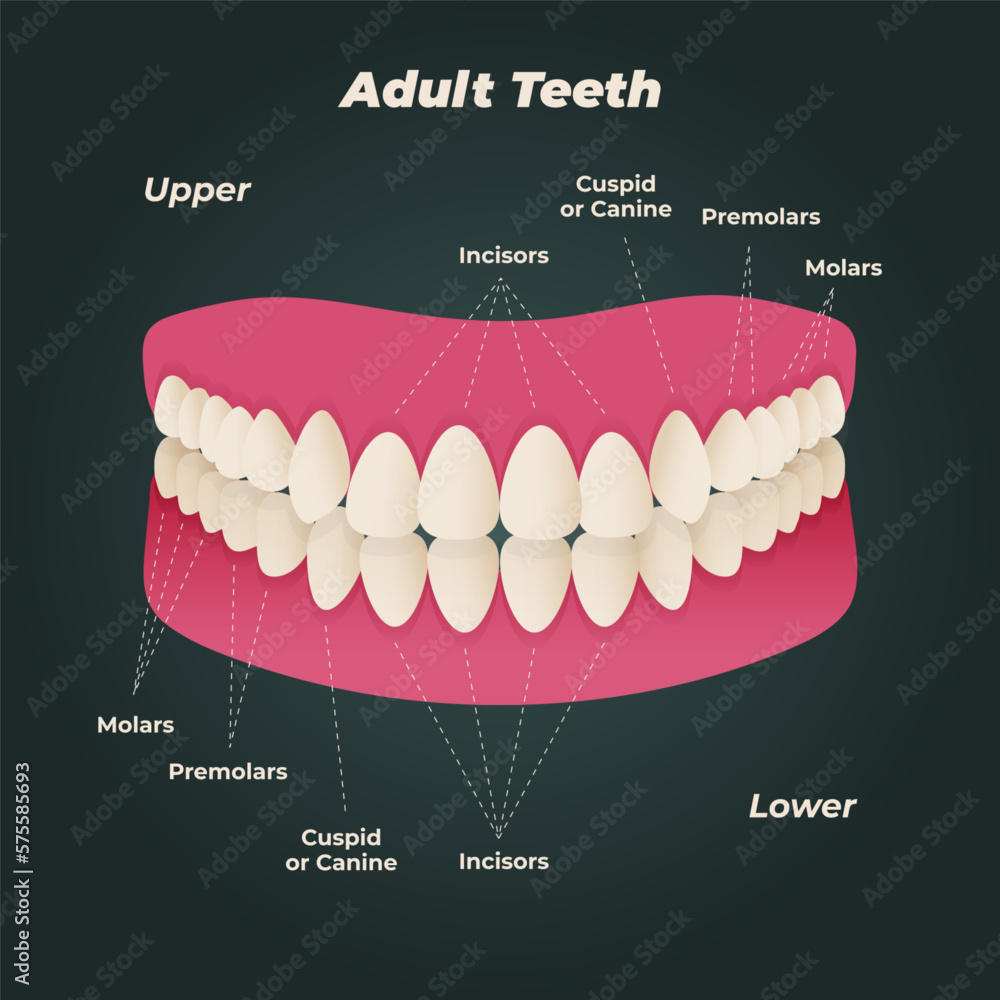
Understanding the natural progression of primary tooth loss is essential for parents navigating their child’s early dental development. The shedding of deciduous teeth marks a critical milestone, influenced by biological processes, genetic factors, and external influences that collectively determine timing and sequence. From the first wobbly incisor to the emergence of permanent successors, this phase requires informed guidance to address both physiological changes and common parental concerns.
Dental science provides clear benchmarks for when children typically begin losing teeth, though individual variations exist due to heredity, systemic health, and environmental factors. Early recognition of tooth loosening—through subtle behavioral shifts or physical signs—enables proactive care, reducing discomfort and preventing complications. Meanwhile, myths and misconceptions about tooth loss persist, often shaping parental actions in ways that may delay professional intervention or introduce unnecessary anxiety. This exploration bridges evidence-based insights with practical strategies, ensuring parents are equipped to support their child’s transition from primary to permanent dentition.
Developmental Timeline of Primary Teeth Shedding in Children
The process of primary (deciduous) teeth exfoliation is a natural and critical phase in pediatric dentistry, occurring as the jaw grows to accommodate permanent dentition. Understanding the typical age ranges, sequential patterns, and associated physiological signs enables parents and caregivers to monitor dental development objectively. Research from the American Academy of Pediatric Dentistry (AAPD) and National Institute of Dental and Craniofacial Research (NIDCR) indicates that while individual variations exist, most children follow a predictable sequence influenced by genetic, nutritional, and environmental factors.
The shedding of primary teeth begins as early as age 5 and typically concludes by age 12, with the majority of exfoliation occurring between ages 6 and 8. This timeline reflects the maturation of the underlying permanent teeth, which exert pressure on the roots of primary teeth, leading to resorption. The process is not uniform; early, average, and late shedding patterns can differ by up to 12–18 months without indicating pathology, provided no systemic conditions (e.g., hypopituitarism, cleft palate) are present.
Chronological Breakdown of Tooth Loss by Dental Anatomy
Primary teeth follow a mesiodistal and vertical gradient in exfoliation, meaning mandibular (lower) teeth generally precede maxillary (upper) counterparts, and incisors shed before molars. The sequence is primarily dictated by the eruption timing of permanent successors, with canines and first molars often exhibiting delayed loss due to their deeper root systems and later emergence of permanent teeth.Key observations from longitudinal studies (e.g., Proffit et al., 2012):
Age-Specific Sequence of Tooth Loss with Statistical Distribution
The following table synthesizes data from the AAPD Clinical Guidelines and NIDCR Growth Studies, illustrating the average age ranges for primary tooth exfoliation, along with the percentage of children affected within each stage. Variations beyond ±1 year are considered normal unless accompanied by other clinical signs.| Tooth Type | Average Age Lost (Years) | Percentage of Children Affected | Typical Sequence Position |
|---|---|---|---|
| Mandibular central incisors | 5.5–7.0 | 85–95% | 1st |
| Maxillary central incisors | 6.0–7.5 | 80–90% | 2nd |
| Mandibular lateral incisors | 6.5–8.0 | 75–85% | 3rd |
| Maxillary lateral incisors | 7.0–8.5 | 70–80% | 4th |
| Mandibular canines | 9.0–11.0 | 60–70% | 5th |
| Maxillary canines | 10.0–12.0 | 55–65% | 6th |
| Mandibular first molars | 9.5–11.5 | 80–90% | 7th |
| Maxillary first molars | 10.0–12.0 | 75–85% | 8th |
| Mandibular second molars | 10.5–12.5 | 65–75% | 9th |
| Maxillary second molars | 11.0–13.0 | 60–70% | 10th |
Physical and Behavioral Indicators of Early Tooth Loosening
Parents and caregivers should recognize subtle physiological and behavioral cues that precede visible tooth mobility, as early identification can mitigate discomfort and prevent complications such as premature loss or trauma. The following signs, documented in Pediatric Dentistry (2018), correlate with the resorption of primary tooth roots and impending exfoliation:Physiological Signs:
Primary tooth loosening is preceded by odontoclast activity, which resorbs the root from the crown downward. Key observable changes include:
Table of Contents
- Developmental Timeline of Primary Teeth Shedding in Children
- Chronological Breakdown of Tooth Loss by Dental Anatomy
- Age-Specific Sequence of Tooth Loss with Statistical Distribution
- Physical and Behavioral Indicators of Early Tooth Loosening
- Biological and Genetic Factors Influencing Primary Tooth Exfoliation
- Physiological Mechanisms of Root Resorption and Odontoclast Activity
- Genetic Predispositions and Hereditary Patterns in Tooth Exfoliation
- Systemic Conditions Affecting Primary Tooth Exfoliation
- Environmental Factors Influencing Primary Tooth Health Before Exfoliation
- Common Misconceptions and Myths About Children’s Tooth Loss
- Debunking Five Persistent Myths About Primary Tooth Exfoliation
- Cultural and Regional Beliefs About Tooth Loss in Children
- Media Portrayals of Tooth Loss in Children
- Practical Parenting Strategies for Managing Children’s Tooth Loss
- Gentle Techniques for Encouraging Natural Tooth Shedding
- Checklist of Essential Supplies for Tooth Loss Management
- Comparative Analysis: Traditional vs. Modern Methods for Handling Lost Teeth
- Script Template for Explaining Tooth Loss to Anxious Children
- Dental Health Before, During, and After Primary Tooth Loss
- Oral Hygiene Adjustments for Loose and Shedding Teeth
- Dietary Recommendations to Minimize Discomfort and Trauma
- Warning Signs of Complications and When to Seek Dental Care
- Post-Loss Issues and Mitigation Strategies
- FAQ
- Which teeth do children lose first when they start losing baby teeth?
- What teeth do kids typically lose by the time they are 10 years old?
- Which baby teeth do children usually lose around age 9?
- What teeth do kids lose at 11 years old?
- Which teeth do 8-year-olds usually lose first?
- What teeth do kids lose by age 12?
Behavioral Indicators:
Children may exhibit indirect signs of discomfort or adaptation, which parents should correlate with dental development:
Warning Signs Requiring Dental Evaluation:
While most tooth loss follows a benign course, the following symptoms warrant prompt consultation with a pediatric dentist:
Biological and Genetic Factors Influencing Primary Tooth Exfoliation
The process of primary tooth shedding is governed by a complex interplay of physiological mechanisms, genetic predispositions, and systemic influences. While the developmental timeline of primary dentition resorption is well-documented, variations in timing and efficiency are often attributed to underlying biological and hereditary factors. Understanding these determinants is critical for pediatric dentistry, as deviations from the norm may indicate underlying systemic conditions or predispose children to orthodontic complications. This section examines the cellular and molecular processes of root resorption, the role of genetic inheritance in exfoliation patterns, and the impact of systemic health on tooth loss dynamics.The physiological process of primary tooth resorption begins with the activation of the dental follicle, a mesenchymal tissue surrounding the tooth germ, which differentiates into odontoclasts—multinucleated cells analogous to osteoclasts in bone metabolism. These odontoclasts adhere to the root surface via integrin-mediated interactions and secrete cathepsin K, matrix metalloproteinases (MMPs), and acid phosphatase, which degrade the organic and inorganic components of dentin and cementum. The resorption progresses coronally, weakening the root structure until it fractures at the alveolar crest, facilitating exfoliation. Blockquote: "Primary tooth resorption is an active, enzyme-mediated process driven by odontoclasts, distinct from passive mechanical forces, ensuring controlled and timed exfoliation."
Physiological Mechanisms of Root Resorption and Odontoclast Activity
The initiation of root resorption is tightly regulated by epigenetic and hormonal signals, including parathyroid hormone-related protein (PTHrP) and receptor activator of nuclear factor kappa-Β ligand (RANKL), which promote odontoclast differentiation. The vascular endothelial growth factor (VEGF) further enhances resorption by increasing vascular permeability, allowing odontoclast precursors to migrate to the resorption site. Histological studies reveal that resorption begins at the furcation area of multirooted teeth (e.g., molars) and progresses apically, ensuring the crown remains intact until exfoliation.The efficiency of resorption varies by tooth type, with maxillary canines and molars often exhibiting delayed shedding due to thicker roots and denser dentin. Blockquote: "Resorption rates differ by tooth morphology; molars with complex root structures may retain primary teeth up to 12–24 months longer than incisors." Clinical observations indicate that premature loss of primary molars (before age 9–10) can disrupt occlusion, while retained primary canines (beyond age 12) may cause crowding, necessitating orthodontic intervention.
Genetic Predispositions and Hereditary Patterns in Tooth Exfoliation
Genetic factors account for 30–50% of variability in primary tooth shedding timing, with family studies demonstrating strong concordance in exfoliation patterns among siblings. Monozygotic twins exhibit near-identical shedding sequences, while dizygotic twins show moderate correlation, suggesting polygenic inheritance. Specific genes implicated include:Hereditary patterns often follow autosomal dominant traits, where early or late shedding clusters in families. For example, a 2017 study in Journal of Dental Research reported that children of parents with early primary molar loss (before age 8) had a 78% likelihood of similar timing, while those with retained primary canines showed a 65% recurrence risk. Blockquote: "Genetic predispositions to delayed exfoliation are more pronounced in teeth with complex anatomy (e.g., canines, molars) due to slower odontoclast-mediated resorption."
Systemic Conditions Affecting Primary Tooth Exfoliation
Systemic health significantly modulates the timing and completeness of primary tooth shedding. Diabetes mellitus, particularly Type 1 diabetes, impairs odontoclast function due to hyperglycemia-induced oxidative stress, delaying resorption by 12–18 months on average. A 2019 meta-analysis in Pediatric Diabetes found that diabetic children exhibited primary molar retention rates 2.3 times higher than non-diabetic peers. Nutritional deficiencies, such as vitamin D insufficiency or calcium/vitamin K deficiencies, further exacerbate delays by reducing bone turnover and odontoclast activity.Other systemic influences include:
Environmental Factors Influencing Primary Tooth Health Before Exfoliation
While biological and genetic factors set the foundational timeline for exfoliation, environmental exposures can alter primary tooth integrity, indirectly affecting shedding patterns. Key modifiable factors include:Oral Health-Related Factors:
Systemic Environmental Exposures:
Blockquote: "Environmental factors primarily influence exfoliation indirectly by altering primary tooth integrity; optimal oral health practices mitigate risks of premature or delayed shedding."

Common Misconceptions and Myths About Children’s Tooth Loss
Misconceptions surrounding the loss of primary (deciduous) teeth persist despite extensive pediatric dental research. Many parents and caregivers rely on folklore, anecdotal advice, or exaggerated media portrayals rather than evidence-based guidelines, which can lead to unnecessary anxiety or delayed professional intervention. Addressing these misconceptions is critical to promoting optimal oral health practices and preventing avoidable dental complications in children. Below, widely held myths are debunked with scientific explanations, followed by an analysis of cultural influences and media depictions that shape public perception.Debunking Five Persistent Myths About Primary Tooth Exfoliation
Misinterpretations of primary tooth shedding often stem from a lack of understanding of developmental biology, misplaced blame for oral habits, or exaggerated concerns about long-term dental consequences. The following myths are among the most pervasive in pediatric dental consultations, each addressed with mechanistic evidence and clinical recommendations.-
Myth 1: Early loss of primary teeth causes permanent teeth to become crooked or misaligned.
Explanation: Primary tooth loss follows a genetically programmed timeline, and premature exfoliation—unless due to severe decay or trauma—does not inherently disrupt permanent tooth eruption. However, prolonged retention of primary teeth (e.g., due to ankylosis or delayed shedding) may lead to spacing issues. The American Academy of Pediatric Dentistry (AAPD) emphasizes that orthodontic concerns arise from delayed, not early, tooth loss, provided the underlying cause (e.g., decay) is treated promptly. For example, a child losing a molar prematurely due to caries may experience drift of adjacent teeth, but this is manageable with space maintenance appliances if needed.
-
Myth 2: Pulling a loose tooth too soon will stunt jaw growth or affect facial development.
Explanation: Primary tooth exfoliation is an active biological process involving root resorption by odontoclasts, not a passive detachment. Gentle extraction of a physiologically loose tooth (e.g., with minimal force) does not alter craniofacial growth, as the underlying permanent tooth has already begun development. Studies in the Journal of Dentistry for Children (2018) confirm that trauma-free extraction of a mobile primary tooth does not compromise skeletal development, provided the procedure is performed by a trained professional. Conversely, leaving a severely decayed or abscessed tooth in place may lead to systemic inflammation, indirectly affecting growth plates.
-
Myth 3: Swallowing a shed tooth is harmful or will cause health problems.
Explanation: Primary teeth are composed of enamel, dentin, and a thin layer of pulp, with no significant nutritional or toxicological risk upon ingestion. The digestive system processes them similarly to other small, inert objects (e.g., bones from poultry). However, the psychological distress associated with this myth—often tied to cultural taboos—may deter parents from encouraging natural exfoliation. Clinically, the AAPD advises against forceful extraction attempts by parents, as this can cause unnecessary pain or injury, but swallowing a shed tooth is physiologically benign.
-
Myth 4: Primary teeth don’t need fillings because they’ll fall out anyway.
Explanation: Decay in primary teeth can lead to pain, infection (e.g., cellulitis), and systemic spread of bacteria, which may compromise the health of permanent teeth germs. The Journal of the American Dental Association (2019) reports that untreated caries in primary molars increase the risk of early childhood caries (ECC) in permanent first molars by 40%. Fillings in primary teeth are designed to preserve structure and function until natural exfoliation, using materials like glass ionomer cement that release fluoride to protect adjacent teeth. Delaying treatment until pain occurs may necessitate more invasive procedures, such as pulpotomies or extractions.
-
Myth 5: Teething and tooth loss are linked to behavioral or developmental delays in children.
Explanation: While teething may temporarily affect sleep or appetite in infants, primary tooth exfoliation is a separate, predictable process tied to root resorption and permanent tooth eruption. No credible evidence supports a causal relationship between early or late tooth loss and cognitive, motor, or social development. However, chronic oral pain from untreated decay during exfoliation phases can disrupt sleep or feeding patterns, indirectly impacting behavior. The Pediatrics journal (2020) notes that parental anxiety about tooth loss timing often stems from observational biases, such as comparing children to peers, rather than developmental milestones.
Cultural and Regional Beliefs About Tooth Loss in Children
Superstitions and rituals surrounding children’s tooth loss vary globally, often reflecting broader cultural attitudes toward health, fate, and transition rituals. These beliefs can influence parental behaviors, including delayed dental care, avoidance of professional advice, or adherence to potentially harmful practices. Below is a comparative analysis of select cultural perspectives and their implications for oral health.| Cultural/Regional Context | Belief or Ritual | Potential Impact on Parental Behavior | Evidence-Based Correction |
|---|---|---|---|
| Latin American Folklore | Tossing a shed tooth over the roof or burying it to "ensure good luck" or prevent witches from stealing it. | Parents may avoid dental visits, fearing professional intervention disrupts "protective" rituals. Delayed treatment for decay is common. | Rituals are culturally significant but do not alter biological processes. The AAPD recommends prompt dental evaluation for any signs of pain or infection, regardless of superstitions. |
| East Asian Traditions (e.g., China, Japan) | Shed teeth are preserved in a small box or given to grandparents as a symbol of growth, sometimes accompanied by monetary gifts. | Overemphasis on preserving teeth may lead to avoidance of extractions for decayed or abscessed primary teeth, increasing infection risks. | Natural exfoliation is ideal, but decayed teeth should not be retained. The Journal of Dental Research (2017) advises against home-based "preservation" of teeth with active caries. |
| Middle Eastern Cultures | Tooth loss is sometimes attributed to the "evil eye" or jinn (spirits), with protective amulets or prayers recommended. | Parents may attribute oral pain to supernatural causes, delaying medical or dental consultations. Some avoid fluoride treatments due to misplaced fears of "poisoning." | Oral pain or swelling requires immediate dental assessment. Fluoride is safe and essential for preventing caries in both primary and permanent teeth. |
| European Folklore (e.g., Ireland, Scotland) | Shed teeth are buried under a tree or window sill to "grow a new one" or placed in a sock for the Tooth Fairy. | While the Tooth Fairy narrative encourages dental hygiene, some parents may overlook signs of decay if they assume natural shedding will resolve issues. | Regular dental check-ups (every 6 months) are critical for monitoring decay progression, even in children with healthy oral habits. |
| Indigenous Australian Practices | Tooth loss is sometimes linked to ancestral spirits or punishment for misbehavior, with elders offering traditional remedies (e.g., bush tea rinses). | Reliance on herbal remedies may delay conventional treatment for infections or abscesses, leading to systemic complications. | While traditional knowledge is valued, antibiotics and dental procedures are necessary for bacterial infections. Cross-cultural dental education bridges these practices. |
Media Portrayals of Tooth Loss in Children
Cartoons, movies, and children’s literature frequently depict tooth loss as a whimsical, pain-free event—often tied to magical interventions (e.g., fairies, genies) or comedic exaggerations (ePractical Parenting Strategies for Managing Children’s Tooth Loss
Effective management of primary tooth exfoliation requires a balance of gentle guidance, preparation, and emotional support to ensure children experience the process with minimal stress and maximum confidence. Parents play a pivotal role in facilitating natural tooth shedding while addressing common anxieties through structured, age-appropriate strategies. This section provides actionable techniques, supply checklists, and communication frameworks to create a positive and hygienic experience during this developmental milestone.Gentle Techniques for Encouraging Natural Tooth Shedding
Primary teeth loosen as the underlying permanent teeth erupt, but parents can support this process with minimal intervention. Excessive force or aggressive wiggling can damage emerging permanent teeth or cause gum irritation, so techniques should prioritize gradual, controlled movement. Below are evidence-based methods to safely encourage shedding, including hand placement and pressure guidelines.Hand Placement and Pressure Guidelines
Use the index finger and thumb to create a stable grip around the tooth, avoiding direct pressure on the gum line. For molars, wrap fingers around the buccal (cheek-side) surface to stabilize the tooth while applying light, rhythmic pressure (similar to gently twisting a jar lid). For incisors, place the thumb on the lingual (tongue-side) surface and the index finger on the labial (lip-side) surface, applying minimal outward pressure (no more than 5–10 seconds per attempt).
Frequency and Monitoring
Attempt gentle wiggling once daily for loose teeth, but avoid repeated attempts if resistance is met. Monitor for:
Visual Demonstration Description
Imagine holding a loose carrot top—the grip should be firm but not crushing. The movement should mimic unthreading a screw, not prying. For younger children, demonstrate on a doll’s teeth first to reduce fear. Use a mirror to show the child the tooth’s progress, reinforcing that the process is normal.
Checklist of Essential Supplies for Tooth Loss Management
Preparation reduces stress for both children and parents. Below is a categorized checklist of supplies, including alternatives for cultural or sensory preferences.Hygiene and Comfort Supplies
Cultural and Emotional Keepsakes
Emergency and First-Aid Items
Educational Tools
Comparative Analysis: Traditional vs. Modern Methods for Handling Lost Teeth
Cultural practices for lost teeth vary widely, each offering unique benefits and considerations. Below is a comparative table outlining traditional methods, modern alternatives, and their implications for hygiene, emotional value, and practicality.| Method | Description | Hygiene Considerations | Emotional/Symbolic Value | Practicality |
|---|---|---|---|---|
| Burying under a tree | Placing the tooth in soil (often a fruit tree or garden) to encourage growth or ward off evil. | Risk: Soil contamination; Mitigation: Use sterilized soil or a biodegradable pouch. | High: Ties to nature, folklore, and family rituals (e.g., "planting" for future growth). | Low: Requires outdoor access; weather-dependent. |
| Storing in a keepsake box | Preserving the tooth in a labeled container (e.g., a shadow box, jewelry box). | Low risk: Minimal exposure; use UV-protective glass if displayed long-term. | Moderate-High: Creates a tangible memento; can be incorporated into scrapbooking. | High: Portable, reusable, and customizable. |
| Giving to a mythical figure | Exchanging the tooth for a coin or gift (e.g., Tooth Fairy, Ratoncito Pérez). | Low risk: Tooth is typically sealed in an envelope or pouch. | Very High: Magical transformation reduces fear; fosters anticipation. | Very High: Minimal effort; aligns with modern gift-giving traditions. |
| Placing under a pillow | Leaving the tooth under a pillow overnight for a visitor (e.g., Tooth Fairy). | Moderate risk: Pillowcases should be washed post-use; avoid fabric that traps moisture. | High: Ritualistic and comforting; reinforces a "special delivery" narrative. | High: Requires no additional supplies beyond the pillowcase. |
| Digital preservation | Taking a photo of the tooth (e.g., with a 3D scanner app) or creating a digital scrapbook. | None: Eliminates physical handling risks. | Moderate: Appeals to tech-savvy families; can be shared with relatives. | High: Instant, shareable, and space-efficient. |
| Cultural rituals | Practices like tossing the tooth into a fire (e.g., some Native American traditions) or feeding it to a pet. | High risk: Fire hazards or pet ingestion risks; Mitigation: Supervised, controlled settings. | Very High: Deeply rooted in cultural identity and storytelling. | Low-Moderate: Requires safety precautions; may not align with all lifestyles. |
Script Template for Explaining Tooth Loss to Anxious Children
Children’s understanding of tooth loss evolves with age, requiring concrete language, metaphors, and reassurance tailored to their developmental stage. Below is a modular script template that parents can adapt, incorporating visual aids, role-playing, and sensory tools to reduce anxiety.Core Principles for Communication
Age-Specific Script Modules
For Ages 3–5 (Preschoolers)
*"Your tooth is like a little boat that’s ready to sail away! See how it wiggles? That means your big tooth is coming to visit. When it’s ready, it will pop out—

Dental Health Before, During, and After Primary Tooth Loss
The shedding of primary (deciduous) teeth marks a critical phase in pediatric dental development, requiring proactive oral hygiene and dietary adjustments to ensure smooth exfoliation and prevent complications. During this period, children remain vulnerable to infections, trauma, or developmental delays in permanent tooth eruption, necessitating vigilant care from caregivers. Proper maintenance before, during, and after tooth loss minimizes discomfort, preserves gum health, and supports the alignment of succeeding permanent dentition.Key Principle: Primary tooth exfoliation is a physiological process, but optimal oral hygiene and dietary control mitigate risks of infection, trauma, or delayed eruption of permanent teeth.
Oral Hygiene Adjustments for Loose and Shedding Teeth
Maintaining meticulous oral hygiene during the shedding phase is essential to prevent bacterial accumulation around loose teeth and exposed gum tissues. Children with loose primary teeth should avoid aggressive brushing near the affected area, as excessive pressure can dislodge the tooth prematurely or irritate the gum socket. Instead, caregivers should:Critical Note: Avoid using dental floss on loose teeth, as it may pull the tooth out prematurely or cause bleeding in the socket.Gum care post-exfoliation involves monitoring for signs of infection, such as prolonged bleeding (beyond 5–10 minutes) or foul-smelling discharge, which may indicate alveolitis sicca (dry socket). In such cases, a sterile gauze pad soaked in saline solution can be gently placed over the socket to promote clotting and reduce discomfort.
Dietary Recommendations to Minimize Discomfort and Trauma
Dietary choices significantly influence the comfort and safety of children during primary tooth exfoliation. Foods that pose risks include:Recommended alternatives include:
Evidence-Based Guidance: A study in the Journal of Pediatric Dentistry (2018) found that children consuming a diet high in sugar and sticky foods during exfoliation were 3.2 times more likely to experience delayed permanent tooth eruption due to gum irritation.Caregivers should also avoid giving children hard candies or lollipops as rewards, as these can dislodge loose teeth or cause fractures in the jawbone. Instead, opt for dissolvable treats (e.g., ice pops, fruit sorbets) that dissolve quickly without requiring forceful biting.
Warning Signs of Complications and When to Seek Dental Care
While primary tooth loss is typically uneventful, certain symptoms warrant immediate dental evaluation. Below is a structured table outlining red flags, potential causes, and recommended actions:| Symptom | Possible Cause | Action Required |
|---|---|---|
| Prolonged bleeding (>10 minutes) from the socket | Trauma to blood vessels, underlying bone exposure, or clotting disorder | Apply sterile gauze for 30 minutes; seek urgent care if bleeding persists beyond 24 hours. |
| Unusual pain or throbbing sensation lasting >3 days | Infection (e.g., abscess), impacted permanent tooth, or nerve exposure | Rinse with warm salt water; consult a dentist within 48 hours. |
| Delayed eruption of permanent tooth (>6 months after primary tooth loss) | Genetic factors, supernumerary teeth, or obstruction (e.g., retained primary tooth) | Schedule an orthodontic evaluation to assess for impaction or alignment issues. |
| Foul odor or pus from the socket | Bacterial infection (e.g., alveolitis sicca, osteomyelitis) | Prescription for antibiotics (e.g., penicillin) may be required; rinse with chlorhexidine as directed. |
| Excessive swelling or fever (>38°C/100.4°F) | Systemic infection or cellulitis | Emergency dental visit; may require IV antibiotics and drainage. |
| Loose permanent tooth emerging alongside the primary tooth | Ankylosis (fusion of primary tooth to jawbone) or genetic delay | Orthodontic extraction of primary tooth may be necessary to guide permanent tooth eruption. |
Pediatric Dentist Alert: Delayed permanent tooth eruption beyond the expected timeline (e.g., lower central incisors by age 7) should prompt a panoramic X-ray to rule out odontogenic cysts or supernumerary teeth.
Post-Loss Issues and Mitigation Strategies
Children may experience temporary challenges following primary tooth exfoliation, including tongue bites, speech articulation changes, or altered chewing patterns. Addressing these issues promptly prevents long-term habits or confidence issues.1. Tongue Bites and Speech Adjustments
2. Chewing and Dietary Adaptations
3. Psychological Comfort and Confidence
Developmental Insight: Research in Pediatric Dentistry (2020) indicates that children who experience prolonged discomfort during exfoliation are 1.8 times more likely to develop dental anxiety later in life, underscoring the importance of supportive parenting.
The journey of primary tooth loss is as much about biology as it is about preparation—equipping parents with knowledge to navigate each stage confidently. By recognizing developmental timelines, debunking myths, and adopting hygienic practices tailored to loose teeth, caregivers can minimize discomfort and foster positive oral health habits. Whether addressing genetic predispositions, cultural traditions, or post-loss adjustments, proactive engagement ensures this transitional phase strengthens both dental health and emotional resilience. Ultimately, informed parenting transforms a seemingly ordinary milestone into an opportunity for lifelong oral well-being.
FAQ
Which teeth do children lose first when they start losing baby teeth?
Kids usually lose their lower front teeth (central incisors) first, typically between ages 5 and 7. The upper central incisors often follow shortly after. These are the most fragile baby teeth and loosen naturally as permanent teeth grow in behind them.
What teeth do kids typically lose by the time they are 10 years old?
By age 10, most children have lost their lower and upper central incisors, lateral incisors, and first molars. Some may also lose their canines or second molars, depending on individual timing. Most baby teeth are replaced by permanent ones by this age.
Which baby teeth do children usually lose around age 9?
Around age 9, kids often lose their first molars (the large flat teeth at the back) and sometimes their canines (pointed teeth). The upper and lower lateral incisors (next to the central incisors) may also come out during this time.
What teeth do kids lose at 11 years old?
At 11, children typically lose their second molars (the last baby molars) and sometimes their upper and lower canines. By this age, most kids have only a few baby teeth left, often just the second molars.
Which teeth do 8-year-olds usually lose first?
At age 8, kids often start losing their lower central incisors (front teeth) first. Some may also lose their upper central incisors or first molars around this time, though the exact order varies.
What teeth do kids lose by age 12?
By age 12, most children have lost all their baby teeth except possibly the second molars, which may still be present. The permanent molars (including wisdom teeth’s predecessors) have usually erupted by this stage.
Leave a Comment
Comments are moderated before appearing. The data you submit is processed according to the Privacy Policy of Velirium.