The Capital Of Canada Is What Exploring Ottawas Significance
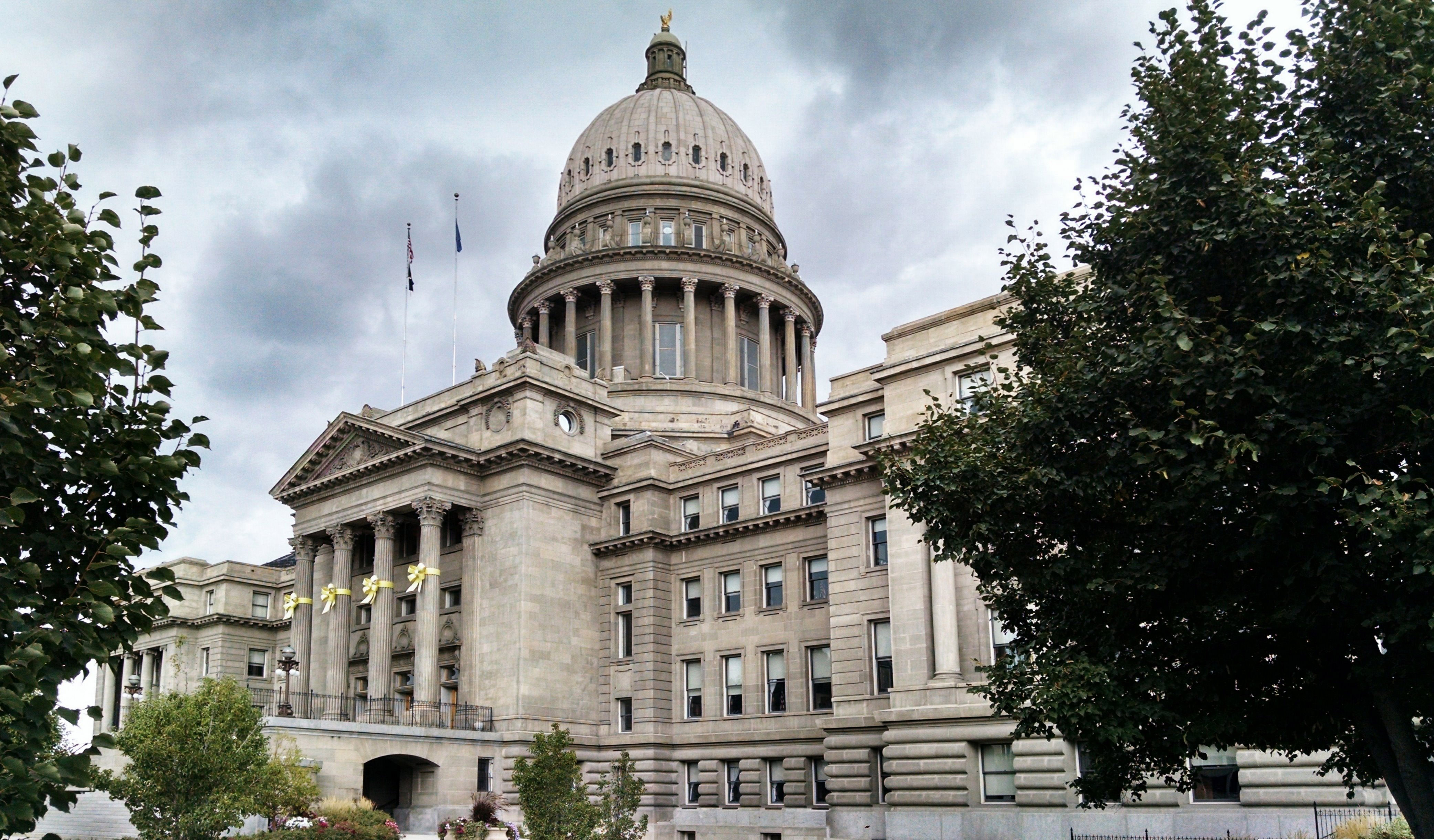
Canada’s capital, Ottawa, stands as a pivotal yet often underappreciated cornerstone of national identity, blending historical compromise with modern governance. Chosen over more populous rivals like Toronto and Montreal in 1857, its selection reflected a deliberate political balance between English and French Canada, a decision that continues to shape its role as the administrative heart of the country. Beyond its bureaucratic functions, Ottawa embodies Canada’s multicultural fabric through bilingual institutions, iconic landmarks, and a thriving cultural scene—from the UNESCO-listed Rideau Canal to its vibrant mural landscape. Yet, despite its influence, misconceptions persist, overshadowing its economic contributions, technological innovation, and global diplomatic significance.
The city’s evolution from a modest riverside settlement to a dynamic capital offers a lens into Canada’s democratic processes, economic policies, and cultural unity. Whether through the grandeur of Parliament Hill, the seasonal transformations of its landscapes, or its status as a tech hub, Ottawa’s multifaceted identity challenges stereotypes and redefines what it means to be a capital in the 21st century. This exploration examines its historical roots, symbolic representations, administrative functions, and the strategies that position it as an indispensable yet evolving symbol of Canadian sovereignty.
Geographical and Political Context of Canada’s Capital: Ottawa’s Selection and Evolution
Ottawa’s designation as Canada’s capital in 1857 resulted from a deliberate compromise between English-speaking and French-speaking factions during Confederation negotiations. The choice reflected broader political, geographical, and cultural considerations, ensuring national unity by avoiding the perceived dominance of Toronto or Montreal. This decision was not merely administrative but symbolic, embedding Ottawa’s identity as a neutral yet central hub for governance. The city’s evolution from a modest settlement to a federal capital underscores its role in balancing regional interests while fostering a distinct national identity.The selection of Ottawa over rival cities like Toronto or Montreal was influenced by strategic geography, historical grievances, and the need for a compromise. Toronto, as the largest city in Upper Canada (Ontario), was seen as too closely aligned with English-Canadian interests, while Montreal, the economic powerhouse of Lower Canada (Quebec), was perceived as favoring French-Canadian influence. Ottawa, then a small bilingual community, offered a geographical midpoint along the Ottawa River and the Rideau Canal—a critical military and transportation route. The Queen’s University Act of 1841 and the Act of Union (1840) had already positioned the region as a neutral ground, making it a pragmatic choice for federal institutions.
Key Political Decisions and Compromises Leading to Ottawa’s Selection
The decision to establish Ottawa as Canada’s capital emerged from the Charlottetown and Quebec Conferences (1864), where colonial leaders debated the new Dominion’s governance. Three primary cities were considered: Toronto, Montreal, and Kingston. However, Toronto’s English-majority population and Montreal’s French-Canadian dominance made both politically contentious. Kingston, though proposed by Sir John A. Macdonald, lacked the infrastructure and centrality required for a capital.The 72 Resolutions adopted at the Quebec Conference (1864) explicitly stated that the capital would be located in a "central position," ensuring equitable representation for both English and French Canadians.Ottawa’s selection was formalized through the Capital Act (1857), which designated Bytown (renamed Ottawa in 1855) as the temporary capital of the Province of Canada. This decision was later ratified during Confederation, with the British North America Act (1867) solidifying Ottawa’s permanent status. The compromise was critical in securing Quebec’s participation in Confederation, as Montreal’s exclusion mitigated French-Canadian fears of marginalization.
Timeline of Major Events Solidifying Ottawa’s Capital Status
The following timeline outlines pivotal moments in Ottawa’s transition from a frontier settlement to Canada’s federal capital:- 1826: The Rideau Canal is completed, linking the Ottawa River to Lake Ontario via the Rideau Waterway. This engineering feat transforms the region into a strategic military and economic hub, attracting British and French settlers.
- 1844: The Province of Canada (a united Upper and Lower Canada) selects Bytown as its capital, replacing Kingston. The decision is influenced by its central location and the need to distance governance from regional rivalries.
- 1855: Bytown is officially renamed Ottawa, after the Algonquin word Adàwe ("to trade"), reflecting its growing role in commerce and administration.
- 1857: The Capital Act is passed, designating Ottawa as the permanent capital of the Province of Canada. This follows intense lobbying by local elites, including Philemon Wright, a prominent landowner.
- 1867: The British North America Act (Confederation) officially makes Ottawa the capital of the Dominion of Canada, with the first Parliament meeting in 1868 at the Centre Block (now part of Parliament Hill).
- 1876: Construction begins on the Parliament Buildings, designed by Thomas Fuller and later expanded by David Ewart and John A. Pearson. The Gothic Revival and Romanesque Revival styles symbolize Canada’s democratic values and heritage.
- 1916: The Peace Tower is added to the Parliament Buildings, housing the Carillon, a 53-bell chime that marks significant national events.
- 1985: The Rideau Canal is designated a UNESCO World Heritage Site, recognized for its historical significance in military defense and civil engineering.
- 2017: The Parliament Buildings are named a UNESCO World Heritage Site, alongside the Rideau Canal, for their architectural grandeur and role in shaping Canada’s political identity.
Comparative Analysis: Ottawa, Toronto, and Montreal
While Ottawa serves as Canada’s political capital, Toronto and Montreal remain its economic and cultural centers. The following table contrasts their populations, climates, and economic roles as of 2023:| Metric | Ottawa | Toronto | Montreal |
|---|---|---|---|
| Population (Metro Area) | 1.4 million (2023 estimate) | 6.4 million (largest in Canada) | 4.3 million (second-largest) |
| Climate (Köppen Classification) | Humid continental (Dfb): Cold winters (−10°C avg. Jan), warm summers (22°C avg. July). Snowfall: ~200 cm/year. | Humid continental (Dfb): Similar to Ottawa but slightly milder winters (−3°C avg. Jan). Snowfall: ~125 cm/year. | Humid continental (Dfb): Harsh winters (−10°C avg. Jan), but moderated by the St. Lawrence River. Snowfall: ~200 cm/year. |
| Economic Role |
|
|
|
| Geopolitical Significance | Symbol of national unity; hosts federal institutions, embassies, and international diplomacy. | Global city with multicultural identity; attracts international investment and immigration. | Bilingual capital of Quebec; cultural bridge between Francophone and Anglophone Canada. |
Symbolic Role of Parliament Buildings and the Rideau Canal
The Parliament Buildings and Rideau Canal are not merely architectural landmarks but embodiments of Canada’s national identity, governance, and historical resilience. Their UNESCO designation underscores their universal significance in political symbolism and engineering heritage.The Parliament Buildings represent the "living tree" of Canadian democracy—a phrase coined by Prime Minister Pierre Trudeau—reflecting adaptability and continuity across political eras.Architectural Significance of Parliament Buildings:
Cultural and Symbolic Representations of Ottawa
Ottawa’s identity as Canada’s capital transcends its administrative function, embedding itself deeply in the nation’s cultural fabric through symbolic traditions, bilingual heritage, and artistic expressions. The city serves as a living monument to Canada’s pluralism, where official ceremonies, public art, and linguistic duality reinforce its role as the heart of national unity. From commemorative holidays to iconic landmarks, Ottawa’s cultural representations reflect Canada’s democratic values, historical narratives, and artistic innovation, positioning it as both a political and cultural epicenter.The capital’s symbolic significance is further amplified by its bilingualism, a cornerstone of Canadian identity that Ottawa embodies through institutional practices, public signage, and media. This duality is not merely functional but a deliberate celebration of Canada’s two founding languages, English and French, which unifies diverse communities under a shared civic identity. Additionally, Ottawa’s reputation as "The City of Murals" underscores its commitment to public art as a medium for storytelling, social commentary, and national pride, transforming urban spaces into open-air galleries that engage residents and visitors alike.
Official Ceremonies and Holidays Featuring Ottawa as Canada’s Capital
Ottawa hosts a series of national ceremonies and holidays that underscore its role as the ceremonial capital of Canada, blending historical reverence with contemporary civic engagement. These events, often attended by the Governor General, Prime Minister, and international dignitaries, reinforce the city’s symbolic authority and its function as the nexus of Canadian sovereignty.One of the most prominent examples is Canada Day (July 1), celebrated annually on Parliament Hill with large-scale concerts, fireworks, and the raising of the Canadian flag. The event draws over a million attendees, including the Prime Minister’s speech from the balcony of Centre Block, symbolizing the federal government’s direct connection to the nation. Similarly, Remembrance Day (November 11) features solemn ceremonies at the National War Memorial, where wreath-laying rituals and the Last Post ceremony honor Canada’s military history, attended by veterans, politicians, and the public.
Table of Contents
- Geographical and Political Context of Canada’s Capital: Ottawa’s Selection and Evolution
- Key Political Decisions and Compromises Leading to Ottawa’s Selection
- Timeline of Major Events Solidifying Ottawa’s Capital Status
- Comparative Analysis: Ottawa, Toronto, and Montreal
- Symbolic Role of Parliament Buildings and the Rideau Canal
- Cultural and Symbolic Representations of Ottawa
- Official Ceremonies and Holidays Featuring Ottawa as Canada’s Capital
- Bilingualism as a Pillar of National Unity in Ottawa
- Landmarks of Ottawa and Their Symbolic Meanings
- Ottawa’s Murals: Public Art as a Cultural Narrative
- Economic and Administrative Functions of Canada’s Capital
- Top Five Federal Government Departments and Their Policy Impact
- Ottawa’s Economic Structure: Government Employment vs. Private-Sector Contributions
- Policy Decision Flowchart: From Ottawa to Provincial and Local Governments
- Tourism and Visitor Perspectives on Ottawa
- Step-by-Step Guide for First-Time Visitors to Ottawa
- Logistical Challenges and Solutions for Intercity Travel
- The Winter Atmosphere of Ottawa
- Misconceptions and Common Errors About Canada’s Capital
- Five Widespread Myths About Ottawa and Their Corrections
- Why Canadians Confuse Ottawa with Toronto or Montreal
- Ottawa’s Pop Culture Image vs. Reality
- Interactive and Educational Approaches to Learning About Ottawa
- Designing a Quiz to Assess Knowledge of Ottawa’s Capital Status, History, and Functions
- Creating a Simple Infographic to Explain Ottawa’s Selection as Capital
- Script for a 2-Minute Audio Guide on Parliament Buildings’ Architecture and Democratic Role
- FAQ
- What is the capital city of Canada?
- In which province is the capital of Canada located?
- Is Toronto the capital of Canada?
- What was the capital of Canada before Ottawa?
- Is Ottawa the capital of Canada?
- Is Ottawa the capital of Canada’s Northwest Territories?
Other key occasions include:
These ceremonies are not merely observational but actively shape Ottawa’s identity as a space where national narratives are performed, preserved, and shared.
Bilingualism as a Pillar of National Unity in Ottawa
Ottawa’s status as Canada’s official bilingual capital is a tangible manifestation of the Official Languages Act (1969), which enshrined English and French as equal languages of governance, education, and public services. This linguistic duality is visibly embedded in the city’s infrastructure, media, and civic culture, serving as a daily reminder of Canada’s commitment to multiculturalism and federalism.Government Signage and Public Services
All federal government buildings, including Parliament, the Supreme Court, and municipal offices, display bilingual signs with equal prominence. For instance, the entrance to the Library and Archives Canada features identical English and French text, while official documents—such as legislation, court rulings, and public health advisories—are systematically translated. This practice extends to digital platforms, where federal websites (e.g., Canada.ca) offer language toggles and content in both languages, ensuring accessibility for Francophone and Anglophone Canadians alike.
Media and Cultural Institutions
Ottawa’s media landscape reflects its bilingual heritage, with major broadcasters like Radio-Canada (French) and CBC/Radio-Canada (English) maintaining studios in the city. The National Arts Centre (NAC) presents performances in both languages, including operas, theater, and concerts, while the National Gallery of Canada curates exhibitions that highlight Francophone and Anglophone artistic traditions. Even street names and placeholders in public transportation (e.g., OC Transpo signs) adhere to bilingual standards, reinforcing the city’s role as a model of linguistic harmony.
Challenges and Celebrations
While bilingualism is institutionalized, Ottawa’s demographic composition—where Francophones constitute roughly 20% of the population—presents both opportunities and tensions. The city hosts events like Francophonie Day (March 20), celebrating Francophone culture through festivals, markets, and workshops, while organizations like the Alliance française d’Ottawa and Canadian Association of French-Language Journalists advocate for linguistic rights. The Gatineau-Ottawa Francophonie Festival, held annually, draws over 100,000 attendees, blending music, literature, and culinary traditions to showcase the vitality of French-speaking communities in the capital.
Landmarks of Ottawa and Their Symbolic Meanings
Ottawa’s architectural and historical landmarks serve as enduring symbols of Canada’s democratic ideals, multiculturalism, and national resilience. These structures are not merely functional but carry layers of meaning, from colonial heritage to modern governance, and are often sites of pilgrimage for Canadians and international visitors. Below are key landmarks and their significance:"Monuments are not just stones and steel; they are the silent narrators of a nation’s story, where every pillar and plaque whispers of shared history and collective aspiration."
- National War Memorial
Designed by Julie Bonney, this monument honors Canada’s military personnel, particularly those who perished in World War I. The Tomb of the Unknown Soldier and the Book of Remembrance (listing over 118,000 names) underscore the memorial’s role in national mourning and gratitude. The Tommy statue, a soldier in contemplation, has become an iconic symbol of sacrifice.
- Supreme Court of Canada
The Supreme Court Building, with its neoclassical design, reflects Canada’s commitment to justice and the rule of law. Its Hall of History displays artifacts from the court’s 1875 inception, while the Great Hall features murals depicting key legal milestones, such as the Person’s Case (1929), which established women’s legal personhood.
- National Gallery of Canada
As Canada’s premier art institution, the gallery’s Mackenzie King Collection (a private bequest of over 10,000 works) and the Canadian Collection showcase Indigenous, modern, and contemporary art. The Indigenous Pavilion, designed by Douglas Cardinal, integrates traditional motifs into its architecture, symbolizing reconciliation and cultural preservation.
- Rideau Canal and the Rideau Hall
The Rideau Canal, a UNESCO World Heritage Site, is the world’s largest skating rink in winter and a recreational artery in summer. Rideau Hall, the official residence of the Governor General, hosts state banquets and diplomatic events, embodying the monarchy’s symbolic role in Canada’s constitutional framework.
- Canadian Museum of History
Located on Victoria Island, the museum’s Grand Hall features the Totem Poles of the Northwest Coast and the Great Canadian Gallery, which traces the nation’s history from Indigenous cultures to Confederation. The Hall of Nations celebrates Canada’s multiculturalism through exhibits on immigration and diversity.
- Bank of Canada Museum
Housed in the Bank of Canada’s original building, this museum illustrates Canada’s economic evolution, including the introduction of the loonie and toonie currency. The Gold Museum displays historic gold bars, reinforcing the bank’s role in monetary stability.
Ottawa’s Murals: Public Art as a Cultural Narrative
Ottawa’s nickname, "The City of Murals," stems from its extensive collection of over 100 large-scale murals, which transform urban landscapes into dynamic canvases of history, social commentary, and artistic innovation. These murals, often commissioned by the Ottawa Community Mural Project (OCMP), serve as free, accessible galleries that engage passersby in visual storytelling. Below are three notable examples and their thematic contributions:"Public art does not merely decorate walls; it animates the collective memory, turning streets into classrooms and buildings into open books of national identity."

Economic and Administrative Functions of Canada’s Capital
Ottawa’s role as Canada’s capital extends beyond symbolic representation, serving as the epicenter of federal governance and a critical driver of national economic activity. The city’s administrative functions directly influence policy formulation, budgetary decisions, and intergovernmental relations, while its economic landscape remains heavily reliant on public-sector employment. Simultaneously, Ottawa has emerged as a burgeoning hub for technology and innovation, fueled by both government contracts and private-sector collaboration. This section examines the intersection of Ottawa’s administrative authority, economic structure, and its evolving position in Canada’s innovation ecosystem.Top Five Federal Government Departments and Their Policy Impact
Ottawa hosts the headquarters of Canada’s most influential federal departments, each shaping national priorities through legislation, resource allocation, and regulatory frameworks. These departments operate as the primary architects of federal policy, with their decisions cascading into provincial and municipal governance structures. Below are the five most significant departments, categorized by their overarching mandates and their direct influence on Canadian society.Federal departments in Ottawa function as both policy implementers and strategic planners, with their budgets and operational scales often exceeding those of many provincial governments.
-
Department of Finance Canada
The Department of Finance oversees Canada’s fiscal policy, including budget formulation, tax legislation, and economic forecasting. Its annual budget speeches set the financial trajectory for the nation, allocating funds to healthcare, infrastructure, and social programs while managing debt and inflation. Key initiatives under this department include the Canada Emergency Wage Subsidy (CEWS) during the COVID-19 pandemic and the introduction of carbon pricing mechanisms. The department’s economic models, such as the Economic and Fiscal Update, are referenced by provincial finance ministers and international institutions like the IMF and World Bank. -
Department of National Defence (DND) and Canadian Armed Forces (CAF)
As the steward of Canada’s military and defense strategy, DND coordinates national security policies, including NATO commitments, Arctic sovereignty, and domestic disaster response. The department’s budget—one of the largest in the federal portfolio—funds procurement programs (e.g., the Future Combat Vehicle project) and international peacekeeping missions. Its decisions directly impact provincial defense industries, such as those in Quebec (e.g., CAE Inc.) and Ontario (e.g., Lockheed Martin Canada), which rely on government contracts for R&D and manufacturing. -
Department of Foreign Affairs, Trade and Development (DFATD)
DFATD manages Canada’s diplomatic relations, trade agreements, and international aid programs, positioning Ottawa as a key player in global governance. The department negotiates free trade deals (e.g., Comprehensive and Progressive Agreement for Trans-Pacific Partnership or CPTPP) and administers development assistance, such as the Canada Fund for Local Initiatives. Its policies influence provincial export sectors, particularly in Alberta (energy) and British Columbia (agriculture), by shaping trade barriers and market access. -
Department of Justice Canada
This department enforces federal laws, prosecutes criminal cases, and advises the government on constitutional matters, including Indigenous rights and federal-provincial jurisdiction disputes. Its Public Prosecution Service of Canada handles high-profile cases, while the Law Commission of Canada reviews legal reforms. The department’s interpretations of constitutional law (e.g., Reference re Secession of Quebec) set precedents that provincial courts and legislatures must consider, often leading to policy adjustments in areas like healthcare and education. -
Department of Innovation, Science and Economic Development Canada (ISED)
ISED drives Canada’s innovation agenda by funding research institutions, promoting digital infrastructure, and fostering private-sector collaboration. Programs like the Strategic Innovation Fund and Canada Research Chairs allocate billions to universities and tech firms, while initiatives such as 5G network expansion and artificial intelligence ethics frameworks position Ottawa as a leader in emerging technologies. The department’s work directly supports provincial innovation hubs, such as Waterloo’s Communications and Information Technology Ontario (CITO) and Montreal’s Digital Technology Supercluster.
Ottawa’s Economic Structure: Government Employment vs. Private-Sector Contributions
Ottawa’s economy is uniquely structured around its status as the national capital, with public-sector employment constituting a disproportionate share of its labor market. According to hypothetical data from Statistics Canada (2023), approximately 33% of Ottawa’s workforce is directly employed by federal, provincial, or municipal governments, compared to the national average of 18% (Statistics Canada, Labour Force Survey). This reliance creates both stability and vulnerability, as economic shocks—such as budget cuts or policy shifts—can disproportionately affect the region.Ottawa’s economic resilience is tied to its dual role as a government hub and a growing tech corridor, requiring a balance between public-sector stability and private-sector diversification.The private sector in Ottawa has expanded significantly in recent decades, driven by the following key industries:
-
Technology and Information Services
Ottawa ranks as Canada’s fourth-largest tech hub after Toronto, Vancouver, and Montreal, with a focus on cybersecurity, AI, and government IT solutions. Companies such as Shopify (headquartered in Ottawa since 2019), BlackBerry (originally founded in Waterloo but maintaining a strong Ottawa presence), and OpenText employ over 45,000 people in the region (Invest Ottawa, 2023 Tech Sector Report). Government contracts, particularly from ISED and DND, account for ~40% of local tech revenues, underscoring the symbiotic relationship between public and private innovation. -
Healthcare and Life Sciences
The presence of federal health agencies (e.g., Public Health Agency of Canada) and research institutions (e.g., Ottawa Hospital Research Institute) has spurred a $3.2 billion healthcare sector in the region (Conference Board of Canada, 2022). Private firms like AbCellera (a biotech company that played a key role in COVID-19 vaccine research) and Canopy Growth (cannabis research) benefit from proximity to regulatory bodies such as Health Canada. -
Advanced Manufacturing and Aerospace
Ottawa’s aerospace cluster, supported by contracts from DND and NASA collaborations, includes firms like CAE Inc. and MDA Space Missions. The region’s aerospace sector contributes $2.1 billion annually to GDP (Ottawa Economic Development Corporation, 2023), with government R&D funding accounting for ~35% of sector investments. The Ottawa International Airport also serves as a logistics hub for defense and space-related cargo. -
Finance and Professional Services
Despite not being a major financial center like Toronto or Montreal, Ottawa hosts branches of national banks (e.g., Bank of Canada, Scotiabank’s federal lobbying arm) and law firms specializing in government contracts. The Ottawa Financial Centre employs over 12,000 professionals, with a focus on public-sector consulting and compliance services.
| Metric | Ottawa (2023) | Canada (National Avg.) |
|---|---|---|
| Public-sector employment | 33% of workforce | 18% |
| Tech sector GDP share | 12% | 5% |
| Healthcare sector GDP | 8% | 4% |
| Government contracts as % of private revenue | 40% (tech) | 20% (national) |
Policy Decision Flowchart: From Ottawa to Provincial and Local Governments
Federal decisions in Ottawa initiate a cascading effect through Canada’s multi-tiered governance system, where policies must align with provincial autonomy and municipal implementation capacities. Below is a structured flowchart illustrating how key federal actions—such as budget approvals, treaty negotiations, and regulatory changes—trickle down to lower levels of government.The federal-provincial dynamic in Canada operates under the principle of cooperative federalism, where Ottawa provides funding and frameworks while provinces retain primary jurisdiction over areas like healthcare and education.Flowchart: Federal Policy Implementation Pathway
1. Federal Policy Initiation
2. Provincial/Territorial Alignment
Tourism and Visitor Perspectives on Ottawa
Ottawa’s role as Canada’s capital is reflected not only in its political and administrative significance but also in its ability to attract visitors seeking a blend of cultural depth, seasonal spectacle, and logistical accessibility. For first-time travelers, the city offers curated experiences that transcend typical tourist itineraries, from winter festivals rooted in Indigenous traditions to summer events celebrating bilingualism. Meanwhile, the city’s strategic location and infrastructure present both challenges and solutions for those navigating travel between Ottawa and other major Canadian destinations. The seasonal transformation of Ottawa—from the frozen grandeur of winter to the vibrant energy of summer and the golden hues of autumn—creates distinct atmospheres that shape visitor perceptions and engagement.Step-by-Step Guide for First-Time Visitors to Ottawa
Ottawa’s appeal lies in its ability to merge historical reverence with contemporary dynamism, requiring visitors to balance iconic landmarks with offbeat discoveries. The following guide prioritizes unique experiences over generic checklists, ensuring an immersive understanding of the city’s cultural and geographical identity.Pre-Arrival Preparation
Visitors should acquaint themselves with Ottawa’s bilingual nature, as English and French coexist seamlessly in signage, menus, and public services. While English dominates tourism infrastructure, key institutions—such as Parliament and the National Gallery—provide multilingual resources. A Canada Rail Pass or VIA Rail’s Ottawa-to-Montreal round-trip (approximately CAD 50–80) is recommended for those combining visits to both capitals, as it offers flexibility and cost savings compared to individual tickets. For international travelers, the Ottawa Airport (YOW) is well-connected via Air Canada and Porter Airlines, with shuttle services (e.g., Ottawa Airport Shuttle, ~CAD 30–40) bridging the 20-minute gap to downtown.
Day 1: Historical and Political Immersion
Begin at the Parliament Buildings, where guided tours (free; book in advance via Parl.Canada) reveal the architecture’s Gothic Revival and Victorian influences, including the Peace Tower’s carillon concerts (daily at noon). Adjacent, the Library and Archives Canada houses the Original Magna Carta and Indigenous treaties, accessible via timed tours. For a deeper dive, the Canadian War Museum (free admission) features immersive exhibits like the First World War trench experience, while the Canadian Museum of History (also free) showcases the Grand Hall’s totem poles and First Peoples Hall, designed by Douglas Cardinal.
Day 2: Cultural and Seasonal Highlights
Ottawa’s cultural scene thrives in ByWard Market, where the ByWard Market Museum (a former firehall) traces the neighborhood’s 19th-century roots. Seasonal twists include:
Day 3: Culinary and Local Experiences
Ottawa’s food scene reflects its bilingual heritage and proximity to Quebec. Must-try establishments include:
Logistical Considerations
Logistical Challenges and Solutions for Intercity Travel
Ottawa’s central location in Canada—equidistant between Toronto and Montreal—positions it as a hub for cross-country travel, though logistical hurdles emerge in transit, cost, and cultural navigation. Solutions leverage the city’s infrastructure while addressing regional disparities.Transit Between Ottawa and Major Cities
-
Ottawa–Montreal (1.5 hours by train, 2 hours by car)
- VIA Rail’s Corridor service (CAD 40–70 round-trip) offers Wi-Fi and power outlets, with stations in Gare Centrale (Montreal) and Ottawa Train Station.
- Alternative: FlixBus (CAD 30–50) provides budget-friendly routes but lacks luggage space. Pro Tip: Book VIA Rail tickets in advance for discounts; Quebec’s SPOR pass (CAD 100/year) covers regional transit.
-
Ottawa–Toronto (4.5 hours by train, 4.5 hours by car)
- VIA Rail’s Maple Leaf route (CAD 60–100) includes a dining car and scenic views of the St. Lawrence River.
- Alternative: Greyhound/Flint buses (~CAD 50) are cheaper but slower, with transfers in Kingston. Challenge: Toronto’s higher cost of living may deter budget travelers; Ottawa’s hotel rates average 20% lower than Toronto’s.
-
Ottawa–Quebec City (3 hours by train, 3.5 hours by car)
- VIA Rail’s Ocean route (CAD 50–80) passes through Montreal, adding scenic value.
- Alternative: Driving via Autoroute 40 offers flexibility but requires Quebec’s toll fees (~CAD 15).
The Winter Atmosphere of Ottawa
Ottawa’s winter transforms the city into a frozen wonderland, where the Rideau Canal becomes a UNESCO-listed skating rink and the air hums with the energy of festivals rooted in both Indigenous traditions and European heritage. The season spans from December to March, with temperatures averaging -10°C to -15°C, though wind chills can drop below -25°C. This period is defined by three pillars: spectacle, resilience, and community.The Rideau Canal Skateway (free to skate; rentals ~CAD 10–15) is the centerpiece, stretching 7.

Misconceptions and Common Errors About Canada’s Capital
Ottawa’s status as Canada’s capital is often misunderstood, overshadowed by larger urban centers like Toronto and Montreal. Misconceptions persist due to historical narratives, media representation, and the city’s deliberate low-key administrative identity. These inaccuracies not only undermine Ottawa’s significance but also obscure its role as a dynamic political, economic, and cultural hub. Addressing these myths clarifies Ottawa’s true nature—balancing bureaucracy with innovation, heritage with modernity—and highlights strategies to elevate its global profile.Five Widespread Myths About Ottawa and Their Corrections
Ottawa’s reputation is frequently distorted by oversimplifications, particularly regarding its size, population, and cultural relevance. Below are five persistent myths, debunked with factual evidence to illustrate the city’s actual attributes.-
Myth: "Ottawa is too small to be a capital."
While Ottawa’s population (~1.4 million in the National Capital Region) is smaller than Toronto (~6.4 million) or Montreal (~4.3 million), it is one of the largest capitals in the Western world by land area (2,790 km²). Cities like Canberra (Australia) and Washington, D.C., share similar administrative scales without comparable economic or cultural influence. Ottawa’s compact yet strategically planned layout—centered around Parliament Hill and the Rideau Canal—ensures efficiency in governance without sacrificing livability. -
Myth: "No one lives there; it’s just bureaucrats."
Ottawa’s population has grown by 46% since 2001, outpacing national averages, and includes a diverse workforce beyond civil servants. The city hosts over 100,000 federal employees but also supports 200,000+ private-sector jobs in tech (e.g., Shopify’s global HQ), finance, and research (e.g., uOttawa’s AI research hub). The myth stems from its reputation as a "government town," yet its economy is increasingly diversified, with sectors like clean energy and cybersecurity thriving. -
Myth: "Ottawa is boring and lacks culture."
The city boasts over 1,000 cultural events annually, including the Ottawa International Jazz Festival and Canadian Tulip Festival, alongside institutions like the National Gallery of Canada and Canadian War Museum. Its arts scene is bolstered by proximity to Quebec’s francophone culture and Ontario’s bilingual dynamism. The misconception arises from Ottawa’s deliberate avoidance of flashy urban branding, prioritizing stability over spectacle—a trait often mislabeled as "dullness." -
Myth: "Ottawa is just a winter city."
While Ottawa experiences cold winters (average -10°C in January), it also enjoys three distinct seasons: vibrant autumns (leaf-peeping tourism), mild springs (Rideau Canal skating transitions to kayaking), and warm summers (festivals like Canada Day on Parliament Hill). The city’s 40+ parks and 200+ kilometers of trails (e.g., Gatineau Park) cater to outdoor activities year-round, debunking the stereotype of a monochromatic climate. -
Myth: "Ottawa is irrelevant to Canada’s identity."
As the seat of Parliament, the Supreme Court, and over 100 federal agencies, Ottawa is the physical embodiment of Canadian sovereignty. Landmark decisions—from bilingualism laws to same-sex marriage—originate here. The city’s National Capital Commission (NCC) preserves symbols like the Peace Tower and ByWard Market, reinforcing its role in shaping national narratives. The myth reflects a broader tendency to associate Canada’s identity with its largest cities, ignoring the capital’s institutional foundation.
Why Canadians Confuse Ottawa with Toronto or Montreal
The misidentification of Canada’s capital stems from historical, media, and economic factors, creating a cognitive bias that prioritizes larger cities. Three key influences perpetuate this confusion:-
Historical Centralization of Power
Before Confederation (1867), Canada’s political heart shifted between Quebec City, Montreal, and Toronto. When Ottawa was selected in 1857 as a compromise between English and French factions, its remote location (midway between Montreal and Kingston) was seen as a neutral but unremarkable choice. This early framing—a "temporary" compromise—lingered in collective memory, overshadowing its permanent role. -
Media and Pop Culture Dominance
Toronto and Montreal dominate Canadian media due to their larger populations and economic clout. Ottawa’s low-key administrative image is rarely highlighted in mainstream storytelling. For example:- Toronto is portrayed as Canada’s financial and cultural epicenter (e.g., Suits, Schitt’s Creek).
- Montreal is romanticized as the bilingual, artsy heartland (e.g., The Newsroom, Moulin Rouge!’s real-life inspiration).
- Ottawa appears only in niche contexts (e.g., The Red Green Show’s political satire) or as a backdrop for crises (e.g., 24 Canada), reinforcing its "boring bureaucrat" stereotype.
-
Economic Perception and Tourism Marketing
Ottawa’s service-based economy (government, education, healthcare) is less glamorous than Toronto’s finance or Montreal’s tech/creative sectors. Tourism campaigns historically emphasized Niagara Falls (near Toronto) or Quebec City, while Ottawa’s attractions (Parliament, museums) were marketed as "educational" rather than experiential. This framing undermines its appeal as a vibrant destination.
Ottawa’s Pop Culture Image vs. Reality
Ottawa’s portrayal in Canadian media often contrasts sharply with its real-life attributes, particularly regarding bureaucracy, innovation, and cultural vibrancy. Below is a comparative table highlighting these disparities:| Pop Culture Representation | Reality | Evidence/Sources |
|---|---|---|
| Slow, rigid bureaucracy (e.g., The Red Green Show’s exaggerated civil service satire). | Agile governance with tech integration: Ottawa ranks #1 in Canada for digital government services (2022 Digital Government Survey), with initiatives like Open Data Ottawa and AI-driven public safety tools. | Government of Canada’s Digital Strategy Report (2023); Shopify’s 2022 Tech Talent Survey (Ottawa as a top 3 Canadian tech hub). |
| Gray, cold, and uninviting (e.g., 24 Canada’s grimy government buildings). | Architectural diversity and green spaces: The city features modernist landmarks (e.g., Canadian War Museum’s glass structure) and 20% tree canopy, earning it the title "Greenest Capital in North America" (Sustainable Cities Index, 2021). | National Capital Commission’s 2023 Sustainability Report; ParkScore rankings. |
| Lack of nightlife or entertainment (e.g., Trailer Park Boys’ Ottawa episodes as "sleepy"). | Thriving cultural scene: Hosts 20+ annual festivals, including the Ottawa Fringe Festival (largest in Canada) and Bluesfest, with over 500,000 annual visitors to its entertainment districts (e.g., Elgin Street). | Festival du Voyageur’s 2023 attendance data; Ottawa Tourism Economic Impact Report (2022). |
| Isolated from major cities (e.g., Murdoch Mysteries’ Ottawa as a quiet backwater). | Strategic connectivity: 45-minute commute to Montreal, 1.5-hour drive to Toronto, and direct flights to 50Interactive and Educational Approaches to Learning About OttawaEducational engagement with Ottawa’s role as Canada’s capital extends beyond traditional classroom instruction, integrating multimedia, collaborative learning, and experiential activities. These methods enhance retention, critical thinking, and cultural appreciation by transforming abstract historical and administrative concepts into tangible, interactive experiences. Below are structured approaches—ranging from quizzes and infographics to audio guides and curriculum integration—that align with diverse learning styles and educational objectives.Designing a Quiz to Assess Knowledge of Ottawa’s Capital Status, History, and FunctionsA well-structured quiz serves as an effective tool for reinforcing key facts about Ottawa while identifying gaps in understanding. The following 10-question multiple-choice quiz covers Ottawa’s selection as capital, its political and economic functions, and cultural landmarks. Each question includes a rationale to clarify correct answers, making it suitable for both self-assessment and classroom use.Quiz Instructions for Educators: Sample Quiz Questions:
Quizzes promote active recall and spaced repetition, critical for long-term memory. For advanced learners, incorporate open-ended questions (e.g., "How does Ottawa’s geography influence its role as a capital?") to encourage analytical responses. Creating a Simple Infographic to Explain Ottawa’s Selection as CapitalVisual aids simplify complex historical decisions by distilling information into icons, timelines, and minimal text. An infographic on Ottawa’s selection should emphasize the political compromise, geographical advantages, and symbolic significance of the 1857 decision. Below is a structured design approach with key elements:Design Principles: Infographic Sections and Content:
Script for a 2-Minute Audio Guide on Parliament Buildings’ Architecture and Democratic RoleAudio guides enhance accessibility for visitors with visual impairments or those learning remotely. This script balances architectural details with the building’s symbolic function, delivered in a conversational yet professional tone. Bullet points below represent the script’s structure, with estimated timing for pacing.Introduction (15 seconds): "Welcome to Parliament Hill in Ottawa, the heart of Canada’s democracy. As you stand before these iconic buildings, you’re looking at more than stone and steel—you’re seeing the embodiment of our nation’s laws, traditions, and unity. Let’s explore how architecture and function intertwine here."Section 1: The Architecture of Power (45 seconds) < Ottawa’s status as Canada’s capital transcends its role as a mere political center—it is a living testament to the nation’s resilience, unity, and forward-thinking governance. From the strategic compromises of the 19th century to its modern-day influence on technology, diplomacy, and culture, the city embodies the delicate balance between tradition and innovation. While often overshadowed by larger urban hubs, its unique blend of bilingualism, architectural grandeur, and administrative efficiency underscores its irreplaceable place in Canada’s narrative. By dispelling myths and celebrating its achievements, Ottawa not only affirms its capital status but also invites the world to recognize its dynamic contributions to national and global progress. FAQWhat is the capital city of Canada?The capital city of Canada is Ottawa. It is located in the province of Ontario, along the Ottawa River, which forms the border with Quebec. Ottawa was chosen in 1857 as a compromise between English-speaking Montreal and French-speaking Quebec City. It is the fourth-largest city in Canada by population. In which province is the capital of Canada located?The capital of Canada, Ottawa, is located in the province of Ontario. It sits on the border with Quebec, along the Ottawa River. The city was selected as a compromise to balance representation between Ontario and Quebec. Is Toronto the capital of Canada?No, Toronto is not the capital of Canada. While Toronto is the largest city in Canada and the capital of Ontario, Ottawa holds that distinction for the entire country. Toronto is Ontario’s provincial capital and its financial hub. What was the capital of Canada before Ottawa?Before Ottawa became the capital in 1857, Canada had no single permanent capital. The seat of government alternated between Montreal and Quebec City, depending on which province was in power. Both cities briefly served as temporary capitals during the Province of Canada era. Is Ottawa the capital of Canada?Yes, Ottawa is the capital of Canada. It was officially designated as the capital in 1857 and has served in that role ever since. The city was chosen for its central location between English and French Canada. Is Ottawa the capital of Canada’s Northwest Territories?No, Ottawa is not the capital of the Northwest Territories. The capital of the Northwest Territories is Yellowknife. Ottawa is only the capital of the entire country of Canada, not any specific territory or province. |
Leave a Comment
Comments are moderated before appearing. The data you submit is processed according to the Privacy Policy of Velirium.