What Is Capital Of Canada Explained Comprehensively
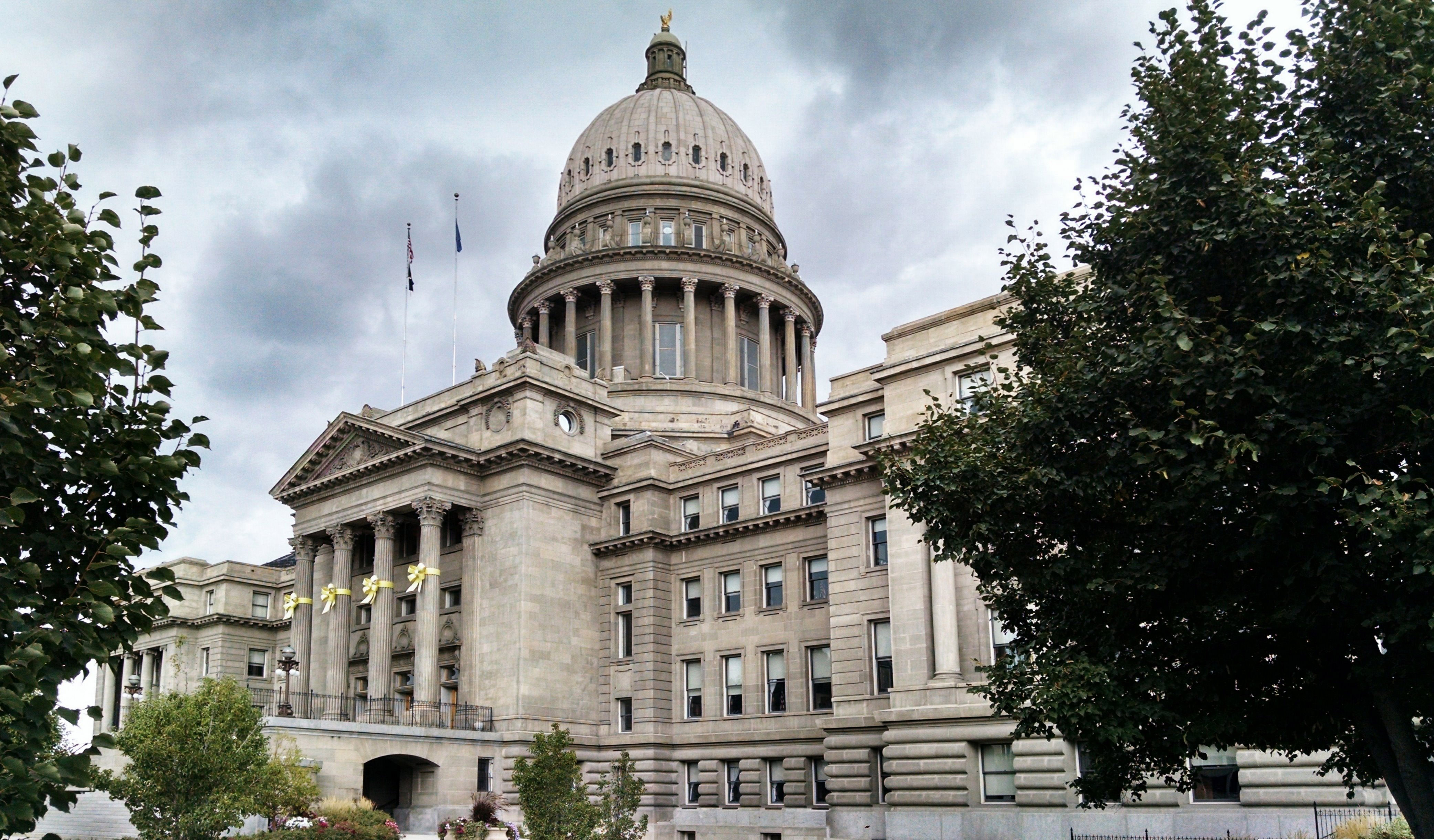
Canada’s national identity is deeply intertwined with its capital, Ottawa—a city strategically positioned at the heart of political, cultural, and economic decision-making. Chosen in 1857 amid fierce rivalry between Toronto and Montreal, Ottawa emerged as a compromise, blending geographical pragmatism with colonial ambition. Beyond its symbolic role as the seat of Parliament and federal institutions, the city embodies Canada’s bilingual heritage, hosting a unique convergence of English and French governance. Its urban landscape, shaped by 19th-century planners and Indigenous histories, reflects both progress and contested narratives, while its modern infrastructure cements its status as a global hub for technology, diplomacy, and cultural exchange.
The capital’s evolution from a modest riverside settlement to a thriving metropolis illustrates Canada’s democratic foundations, where architecture, language laws, and seasonal traditions—such as Winterlude’s ice sculptures—reinforce its distinct character. From the grandeur of the Peace Tower to the vibrant energy of ByWard Market, Ottawa’s layers reveal how geography, policy, and civic life intertwine to define a nation’s heartbeat. Understanding its origins, functions, and cultural tapestry offers insight into the mechanisms that sustain Canada’s federal system and its place on the world stage.
Historical Background of Canada’s Capital: Political and Geographical Foundations of Ottawa
The selection of Ottawa as Canada’s capital in 1857 was the culmination of a complex interplay between political compromise, strategic geography, and colonial power dynamics. Before Confederation in 1867, the British North American colonies—Upper Canada (Ontario), Lower Canada (Quebec), Nova Scotia, and New Brunswick—were locked in negotiations over governance, representation, and the location of a federal capital. The rivalry between Toronto (then the capital of Upper Canada) and Montreal (the economic and political hub of Lower Canada) threatened to derail unification efforts. Ottawa’s selection emerged as a neutral solution, though its Indigenous roots and contested colonial legacy remain central to its identity.
Geographically, Ottawa’s location along the Ottawa River provided critical advantages: it was equidistant between Montreal and Toronto, accessible via water and rail, and situated on a defensible site with natural barriers. Politically, the choice reflected a deliberate effort to balance French and English interests, as well as regional ambitions. The decision was formalized through the Capital Act of 1857, though its implementation required significant urban planning to transform a small settlement into a viable administrative center.
Key Political and Geographical Factors in Ottawa’s Selection
The selection process was shaped by three primary factors: regional rivalry, strategic neutrality, and colonial infrastructure. Toronto and Montreal each lobbied fiercely for the capital, with Toronto advocating for its economic dominance and Montreal leveraging its established institutions. The compromise of Ottawa—a bilingual, bilingual-in-practice town with minimal existing infrastructure—allowed both sides to claim partial victory while avoiding outright conflict. Geographically, the site’s proximity to the U.S. border also aligned with British colonial interests in maintaining control over the St. Lawrence River corridor, a critical trade and military route.Additionally, the Queen’s University Act of 1841 had already designated Kingston as a potential capital, but its northern location and limited connectivity made it impractical. Ottawa’s river access and central position within the proposed Dominion of Canada made it the most feasible alternative. The final decision was influenced by Queen Victoria’s approval, as the British Crown retained ultimate authority over colonial affairs until Confederation.
Timeline of Key Events Solidifying Ottawa as Canada’s Capital
The following table outlines the critical milestones that established Ottawa’s role as the national capital, from its initial selection to its formal inauguration:| Year | Event | Significance |
|---|---|---|
| 1857 | Capital Act Proclaimed | Ottawa is officially designated as the capital of the Province of Canada (United Province of Canada) under the Capital Act, signed by Governor General Sir Edmund Walker Head. The site was chosen for its neutrality and accessibility, though no permanent buildings existed at the time. |
| 1858 | First Government Buildings Constructed | Construction begins on the first government buildings, including the Parliament Buildings (later destroyed by fire in 1916). The site’s swampy terrain required extensive drainage and landfill work, overseen by engineers Thomas McKay and John E. Rough. |
| 1860 | Queen Victoria Approves Capital Location | Queen Victoria formally ratifies Ottawa as the capital, though she initially preferred Kingston. Her approval was contingent on the city’s development into a "permanent and dignified" seat of government. |
| 1867 | Confederation and Ottawa’s Federal Role | With the passage of the British North America Act, Ottawa becomes the capital of the new Dominion of Canada. The first Parliament of Canada convenes in the partially completed Parliament Buildings, marking the city’s transition from a colonial outpost to a national symbol. |
| 1870 | Official Renaming to Ottawa | The city is officially renamed Ottawa (previously Bytown), reflecting its newfound status. The name derives from the Algonquin word Adàwe, meaning "to trade," acknowledging its historical role as a trading hub. |
| 1872 | Centennial Monument and Urban Expansion | Construction of the Centennial Monument (later renamed the Victoria Memorial) begins, symbolizing the city’s growth. The Ottawa City Plan of 1873, designed by Thomas McKay, establishes the grid system and axial layout that define modern Ottawa. |
Urban Planning Principles: Thomas McKay and John E. Rough’s Vision for Ottawa
The transformation of Ottawa from a modest river settlement into a capital city was guided by two key figures: Thomas McKay, the city’s first engineer, and John E. Rough, a surveyor and planner. Their work was influenced by contemporary urban theories, including the City Beautiful Movement and the need for a structured, symbolic layout befitting a national capital.McKay and Rough designed Ottawa around axial symmetry, a principle borrowed from European capital cities like Paris and Washington, D.C. The city’s grid system radiated from a central point (later the Parliament Buildings) along broad avenues, such as Elgin Street and Bank Street, which were intended to create a sense of grandeur and order. Key features of their plan included:
Table of Contents
- Historical Background of Canada’s Capital: Political and Geographical Foundations of Ottawa
- Key Political and Geographical Factors in Ottawa’s Selection
- Timeline of Key Events Solidifying Ottawa as Canada’s Capital
- Urban Planning Principles: Thomas McKay and John E. Rough’s Vision for Ottawa
- Indigenous Land and Colonial Founding: Contested Narratives in Ottawa’s Origins
- Geographical and Demographic Features of Ottawa
- Physical Characteristics and Strategic Geography
- Demographic Profile: Population Density, Diversity, and Linguistic Distribution
- Ottawa as a Bilingual Hub: Institutions and Daily Life
- Government and Political Functions in Ottawa
- Primary Federal Institutions and Their Architectural Significance
- Daily Operations of Parliament and Legislative Processes
- Cultural and Recreational Highlights of Ottawa
- Top Cultural Attractions in Ottawa
- Seasonal Events and Their Economic/Social Impact
- Green Spaces and Recreational Activities
- Music and Arts Scene in Ottawa
- Economic and Infrastructure Role of Ottawa
- Key Economic Sectors and GDP Contribution
- Infrastructure Projects Shaping Ottawa’s Growth
- Cost of Living Comparison with Other Canadian Cities
- Supply-Chain and Trade Flow Influence from Proximity to Montreal and Toronto
- FAQ
- What is the capital city of Canada?
- What is the national capital of Canada?
- What was the capital of Canada before Ottawa?
- What is the capital of Canada located in Ottawa?
- What is the capital of Canada and its currency?
- Is Toronto the capital of Canada?
The Ottawa City Plan of 1873 formalized these principles, though later expansions (such as the Rideau Canal and Sussex Drive) adapted the original vision to accommodate growth. The planners’ emphasis on monumentality and accessibility ensured Ottawa’s layout would support both ceremonial functions and practical governance.
Indigenous Land and Colonial Founding: Contested Narratives in Ottawa’s Origins
Ottawa’s establishment as a capital occurred on the traditional territories of the Anishinaabe (Algonquin) and Haudenosaunee (Iroquois) peoples, whose histories of trade, diplomacy, and resistance predate European colonization. The city’s colonial founding is often framed as a neutral compromise, but this narrative overlooks the displacement of Indigenous communities and the erasure of their sovereignty. Land acknowledgments, such as those recognizing Ottawa as situated on Algonquin Anishinaabe territory, serve as a corrective to this history, though they remain contentious in their implementation.The designation of Ottawa as Canada’s capital was not a benign act of urban planning but a manifestation of colonial expansion, where Indigenous lands were redefined as "unoccupied" or "available" for settlement. The Algonquin people, who had long used the area for fishing, hunting, and trade along the Ottawa River, were systematically pushed to the margins of their own territories through treaties, military pressure, and economic coercion. The Rideau Canal, a key colonial infrastructure project, was built in part to facilitate military movement and control, further disrupting Indigenous ways of life.Today, Ottawa’s Indigenous communities—including the Algonquin Nation, Mohawk Council of Kanehsatake, and Anishinabeg of the Ottawa Valley—continue to assert their rights through land claims, cultural revitalization, and political advocacy. The city’s colonial narrative, while celebrated in its urban planning achievements, must be critically examined alongside these Indigenous perspectives to fully understand its foundations. Initiatives like the National Capital Commission’s Indigenous Affairs Office and public art installations (e.g., The Circle of the Four Directions at Confederation Park) represent steps toward reconciliation, though ongoing dialogue is necessary to address historical injustices.
Geographical and Demographic Features of Ottawa
Ottawa’s identity as Canada’s capital is deeply intertwined with its strategic geographical location, diverse physical landscape, and unique demographic composition. Positioned at the confluence of the Ottawa and Rideau Rivers, the city benefits from a temperate climate, proximity to the U.S. border, and a deliberate urban planning heritage that distinguishes it from other Canadian capital regions. Its demographic profile reflects a deliberate federal policy of bilingualism, fostering a distinct cultural and linguistic equilibrium that influences governance, daily life, and urban development. Below, the physical and human dimensions of Ottawa are examined, alongside comparisons with Quebec City and an analysis of its bilingual institutions and neighborhoods.
Physical Characteristics and Strategic Geography
Ottawa’s topography and climate play a pivotal role in shaping its urban form and national significance. The city’s geography is defined by the following key features:
- River Systems and Waterways:
- Climate and Seasonal Influence:
- Proximity to the U.S. Border:
- Urban Planning and Green Spaces:
The Rideau Canal’s dual role as a military waterway and recreational asset exemplifies Ottawa’s blend of historical strategy and modern livability, distinguishing it from other Canadian capitals.
Demographic Profile: Population Density, Diversity, and Linguistic Distribution
Ottawa’s demographic composition reflects its role as a federal hub, with deliberate policies promoting bilingualism and cultural pluralism. Below is a comparative analysis of Ottawa’s population metrics against Quebec City, Canada’s other major capital region.| Metric | Ottawa (2021 Census) | Quebec City (2021 Census) | Key Comparison Notes |
|---|---|---|---|
| Population | 1,017,449 (city proper) | 549,291 (city proper) | Ottawa’s population is nearly double, reflecting its federal administrative function. |
| Metropolitan Area | 1,483,706 (Ottawa-Gatineau CMA) | 835,259 (Québec CMA) | The Ottawa-Gatineau CMA is the 4th-largest in Canada, surpassing Quebec City. |
| Population Density | 1,240/km² (city) | 1,530/km² (city) | Quebec City is denser due to its older urban core and limited expansion space. |
| Visible Minorities | 27.6% (2021) | 18.2% (2021) | Ottawa’s diversity is higher due to federal employment attracting immigrants globally. |
| Top Immigrant Groups | Chinese (10.2%), Filipino (5.3%), Indian (4.1%) | Haitian (2.1%), Syrian (1.8%), Moroccan (1.5%) | Ottawa’s immigrant population is more globally distributed, while Quebec City’s reflects proximity to Haiti and North Africa. |
| Language Distribution | English (74.1%), French (18.9%) | French (95.4%), English (4.1%) | Ottawa’s bilingual majority contrasts sharply with Quebec City’s Francophone dominance. |
| Indigenous Population | 2.6% (city) | 1.2% (city) | Higher in Ottawa due to federal employment in Indigenous services and proximity to reserves. |
| Age Distribution | Median age: 39.4 years | Median age: 43.5 years | Ottawa’s younger population aligns with federal workforce demographics. |
| Housing Costs | Median home price: $725,000 (2023) | Median home price: $450,000 (2023) | Ottawa’s prices are elevated due to limited housing supply and federal demand. |
Ottawa’s demographic profile is shaped by its federal employment base, attracting a younger, bilingual, and globally diverse population unlike Quebec City’s older, Francophone-majority composition.
Ottawa as a Bilingual Hub: Institutions and Daily Life
The Official Languages Act (1969) and subsequent amendments have cemented Ottawa’s status as Canada’s preeminent bilingual city, where English and French coexist in governance, education, and commerce. This policy is enforced through federal institutions, which require bilingual services and create a unique cultural dynamic.- Government and Legal Institutions Enforcing Bilingualism:
- Impact on Daily Life:

Government and Political Functions in Ottawa
Ottawa’s status as Canada’s capital is defined by its concentration of federal political authority, institutional architecture, and symbolic significance. Unlike provincial capitals, its role is uniquely tied to national governance, housing the legislative, executive, and judicial branches within a centralized urban framework. The city’s design reflects both practical functionality—such as the proximity of key institutions—and ceremonial grandeur, embedding it as the physical and ideological heart of Canada’s federal system.The interplay between Ottawa’s built environment and political operations underscores its distinctiveness. While provincial capitals manage regional policies, Ottawa’s institutions shape national laws, treaties, and constitutional matters. The following sections examine the primary federal buildings, their operational dynamics, and the structural advantages—or limitations—of Ottawa’s capital layout in facilitating governance.
Primary Federal Institutions and Their Architectural Significance
Ottawa’s federal institutions are not only centers of political power but also iconic landmarks that embody Canada’s history, values, and architectural evolution. Below is a table summarizing key buildings, their functions, and the years of construction, alongside an analysis of their symbolic or functional importance."The Parliament Buildings and Rideau Hall are not merely structures; they are living monuments to Canada’s democratic heritage, blending Gothic Revival, Victorian, and modernist styles to reflect the nation’s cultural synthesis." — Adapted from Parks Canada’s National Historic Sites Guidelines
| Building Name | Function | Year Constructed | Architectural/Symbolic Importance |
|---|---|---|---|
| Parliament Buildings (Centre Block, East Block, West Block) | Hosts the House of Commons (lower house) and Senate (upper house); site of legislative sessions, committee meetings, and public debates. | Centre Block: 1866 (rebuilt post-1916 fire); East/West Blocks: 1916–1927 |
|
| Rideau Hall | Official residence of the Governor General of Canada (representative of the Crown) and site of state dinners, diplomatic receptions, and ceremonial events. | 1839 (original structure); current building: 1867 (expanded 1940–1951) |
|
| Justice Building | Houses the Supreme Court of Canada, the highest court in the land, and administrative tribunals. | 1940 |
|
| Langevin Block | Offices of the Prime Minister of Canada and the Privy Council Office (PCO), which coordinates federal policy. | 1871 (original); current structure: 1960s |
|
| Bank of Canada Building | Headquarters of Canada’s central bank, responsible for monetary policy, currency issuance, and economic stability. | 1937 (original); current building: 2000 |
|
Daily Operations of Parliament and Legislative Processes
Ottawa’s Parliament operates within a structured routine that balances democratic participation, institutional checks, and symbolic tradition. The layout of the Parliament Buildings—particularly the Centre Block’s division into the House of Commons and Senate chambers—facilitates but also constrains legislative efficiency. Below is a text-based flowchart illustrating the typical daily operations of Parliament, followed by an analysis of spatial advantages and challenges."The physical separation of the House of Commons and Senate within the same building reinforces the principle of checks and balances, yet the Centre Block’s aging infrastructure has led to temporary relocations (e.g., Senate to the West Block during renovations)." — Standing Orders of the House of Commons, 2023Text-Based Flowchart: Legislative Day in Ottawa
START
│
├─ Morning (9:00 AM):
│ ├─ House of Commons:
│ │ ├── Members arrive at the Centre Block’s Members’ Entrance (south side).
│ │ ├── Security screening (mandatory since 2001 post-9/11).
│ │ ├── First Order of Business: Routine motions (e.g., tabling of petitions, ministerial statements).
│ │ └─ Question Period (11:00 AM–12:00 PM): Prime Minister and cabinet ministers face opposition questioning.
│ │
│ └─ Senate:
│ ├── Senators convene in the Senate Chamber (Centre Block, east wing).
│ └─ Committee meetings (e.g., Standing Senate Committee on Legal and Constitutional Affairs) held in adjacent rooms.
│
├─ Afternoon (1:00 PM–5:00 PM):
│ ├─ House of Commons:
│
Cultural and Recreational Highlights of Ottawa
Ottawa’s identity as Canada’s capital is reflected not only in its political and administrative functions but also in its vibrant cultural landscape and recreational offerings. The city blends artistic heritage with outdoor experiences, fostering a dynamic environment that attracts millions of visitors annually. From world-class museums to iconic seasonal festivals and expansive green spaces, Ottawa’s cultural and recreational attractions serve as pillars of civic pride and tourism.
The city’s cultural institutions preserve national history while promoting contemporary creativity, while its seasonal events draw global attention, reinforcing Ottawa’s role as a cultural hub. Recreational spaces, including UNESCO-listed sites, offer year-round activities that align with ecological conservation and public well-being.
Top Cultural Attractions in Ottawa
Ottawa hosts a curated selection of national museums and galleries that showcase Canada’s artistic, historical, and military heritage. These institutions are managed by the federal government and serve as both educational resources and tourist destinations, drawing over 10 million visitors annually. Below is a table highlighting key attractions, their exhibits, and historical significance.| Attraction | Key Exhibits/Themes | Historical/Architectural Context | Annual Visitors (Est.) |
|---|---|---|---|
| National Gallery of Canada |
|
Designed by Moshe Safdie, the gallery’s modernist architecture contrasts with its historic predecessor (1880). The Indigenous art collection is among the largest in the world, emphasizing reconciliation and cultural preservation. | 1.2 million |
| Canadian War Museum |
|
Located in LeBreton Flats, the museum’s design by Raymond Moriyama integrates modern and traditional elements. It commemorates Canada’s military contributions while addressing ethical dilemmas in warfare. | 800,000 |
| Canadian Museum of History |
|
Situated on Confederation Heights, the museum’s architecture symbolizes a totem pole and a beaver, representing Indigenous heritage and national identity. Its collections include the Beothuk artifacts and the Canadian Canoe. | 1.5 million |
| National Arts Centre (NAC) |
|
Designed by Ellsworth Kelly and Marc Brillembourg, the NAC’s brutalist design contrasts with its cultural mission. It hosts over 1,000 performances annually, including the Ottawa International Jazz Festival. | 500,000 (performances) |
Seasonal Events and Their Economic/Social Impact
Ottawa’s seasonal festivals are cornerstones of its cultural calendar, generating significant economic activity and fostering civic engagement. Events like Winterlude and the Tulip Festival attract international tourists, boost local businesses, and create temporary employment. Below is a comparison of visitor numbers and economic contributions for key festivals, illustrating their scale and impact.Winterlude, held annually in February, transforms the Rideau Canal into the world’s largest skating rink and features ice sculptures, a parade, and night markets. The event draws over 1.5 million visitors, contributing $100–120 million to the local economy annually. In contrast, the Tulip Festival (May) celebrates Canada’s NATO alliance with 1 million visitors and generates $70–90 million, while the Canada Day celebrations (July) draw 1.3 million, with economic benefits exceeding $80 million.
Visitor and Economic Impact Comparison (Annual Averages):
These events not only enhance Ottawa’s cultural reputation but also support small businesses, hospitality services, and tourism infrastructure. Winterlude, in particular, has been recognized as a UNESCO Intangible Cultural Heritage element, underscoring its global significance.
Green Spaces and Recreational Activities
Ottawa’s proximity to the Ottawa River and Gatineau Park ensures abundant green spaces that cater to outdoor enthusiasts year-round. These areas provide ecological benefits, such as biodiversity conservation, while offering recreational opportunities that align with public health initiatives. Below is a guide to Ottawa’s premier green spaces, categorized by their primary functions.Urban Parks and Waterfronts:
Ottawa’s urban parks, including Major’s Hill Park and Rideau Falls Park, offer panoramic views of the city and river. The Rideau Canal, a UNESCO World Heritage Site, spans 202 km and is renowned for its skating trail in winter and boating routes in summer. Activities include:
Gatineau Park:
This 360 km² protected area, managed collaboratively by Parks Canada and the National Capital Commission, features:
Other Notable Spaces:
These spaces contribute to Ottawa’s reputation as a green capital, with 40% of the city covered in trees and over 1,500 hectares of parkland. They also support urban cooling and air quality improvement, aligning with sustainability goals.
Music and Arts Scene in Ottawa
Ottawa’s music and arts scene thrives on its bilingual heritage, producing a diverse range of performances that reflect both English and French Canadian cultures. The city is home to over 3,000 artists, with a strong emphasis on experimental theatre, jazz, and Indigenous arts. Venues like the National Arts Centre (NAC) and Great Canadian Theatre Company serve as incubators for local talent, while festivals such as the Ottawa International Jazz Festival and Canadian Music Week
Economic and Infrastructure Role of Ottawa
Ottawa’s economic landscape is defined by its dual role as Canada’s political capital and a burgeoning hub for technology, government services, and research. The city contributes significantly to the national GDP through high-value sectors, including federal administration, cybersecurity, artificial intelligence, and education. Infrastructure development, driven by federal investments and public-private partnerships, further solidifies Ottawa’s position as a strategic center for economic growth and innovation. Proximity to Montreal and Toronto amplifies its role in trade, logistics, and supply-chain networks, fostering interregional collaboration.The economic sectors underpinning Ottawa’s growth are diverse yet interdependent, with government-related activities serving as the foundational pillar. Technological advancements, particularly in cybersecurity and AI, have positioned Ottawa as a global leader in digital governance and defense. Meanwhile, educational institutions and research hubs attract talent and investment, reinforcing the city’s reputation as a knowledge-based economy. Below is a pie-chart-style breakdown of Ottawa’s key economic contributions to Canada’s GDP, highlighting sectoral proportions and their economic impact.
Key Economic Sectors and GDP Contribution
Ottawa’s economy is structured around five primary sectors, each contributing distinctively to Canada’s GDP. The following breakdown illustrates the relative weight of these sectors, with government services and technology emerging as the dominant drivers. Data reflects estimates from Statistics Canada (2023) and the City of Ottawa’s economic reports, adjusted for regional economic multipliers.Note: Percentages are approximate and reflect direct and indirect contributions to GDP, including spin-off industries (e.g., legal services for government contracts, IT support for cybersecurity firms).
Government and Public Administration: 42%
Technology and Cybersecurity: 28%
Education and Research: 15%
Healthcare and Social Services: 10%
Manufacturing and Logistics: 5%
Infrastructure Projects Shaping Ottawa’s Growth
Ottawa’s infrastructure development is characterized by large-scale federal investments and strategic public-private collaborations, particularly in transportation, digital infrastructure, and sustainable urban expansion. Key projects include the Light Rail Transit (LRT) expansion, cybersecurity and AI hubs, and smart city initiatives, all of which aim to reduce congestion, enhance connectivity, and attract high-tech industries. Federal funding, such as the $10.1 billion National Trade Corridors Fund and $1.7 billion Smart Cities Challenge, has been pivotal in accelerating these projects.Federal Funding Allocation (2020–2025):Major Infrastructure Initiatives:
Transportation: 45% (LRT, road upgrades, active transportation) Digital Infrastructure: 30% (cybersecurity hubs, 5G expansion, data centers) Sustainable Development: 20% (green energy, affordable housing, urban greening) Research and Innovation: 5% (lab upgrades, co-working spaces for startups)
- Cybersecurity and AI Hub (Ottawa Cyber Centre):
- Smart City and Green Infrastructure:
Cost of Living Comparison with Other Canadian Cities
Ottawa’s cost of living is influenced by its status as a federal hub, with housing and transportation costs reflecting demand for government and tech-sector workers. Compared to Toronto and Vancouver, Ottawa offers lower rents and shorter commutes, though prices have risen due to population growth and infrastructure limitations. The table below compares Ottawa with three major Canadian cities, using 2023 averages from the Canada Mortgage and Housing Corporation (CMHC) and Statistics Canada.Key Observations:
Ottawa’s average rent is 30–40% lower than Toronto or Vancouver but has increased by 12% annually since 2020. Commute times are shorter than in Toronto or Montreal, attributed to Ottawa’s lower population density and expanding transit network. Housing affordability is a growing concern, with detached home prices nearing $800,000 (up from $650,000 in 2021).
| City | Average Rent (1-Bedroom Apartment, CAD) | Commute Time (One-Way, Min) | Notes |
|---|---|---|---|
| Ottawa | $1,850 | 22 | Lowest rent among major capitals; highest demand in Downtown and Westboro. |
| Toronto | $2,500 | 35 | Highest rent and congestion; transit-dependent workforce. |
| Montreal | $1,600 | 28 | Lower rent than Ottawa but higher public transit costs ($110/month vs. Ottawa’s $103). |
| Vancouver | $2,300 | 30 | Highest housing costs; SkyTrain expansion improving commutes. |
Supply-Chain and Trade Flow Influence from Proximity to Montreal and Toronto
Ottawa’s geographic position between Montreal and Toronto creates a tri-city economic ecosystem, where goods, services, and talent flow seamlessly across the Quebec-Ontario corridor. This proximity enhances Ottawa’s role in logistics, manufacturing, and professional services, while reducing costs for businesses operating in the National Capital Region (NCR). The diagram below illustrates key trade and supply-chain interactions, emphasizing Ottawa’s function as a distribution hub and service provider to both megacities.Trade and Logistics Dynamics:
Montreal-Ottawa Axis: Focus on aerospace, defense, and pharmaceuticals (e.g., CAE, Bombardier, Valeant Pharmaceuticals). Ottawa-Toronto Axis: Specialization in technology, finance, and government services (e.g., Shopify, RBC’s cybersecurity division, federal procurement). Cross-Border Synergies: Ottawa benefits from Montreal’s port access (via the St. Lawrence Seaway) and Toronto’s financial markets, while contributing political stability and research expertise.
[Text-Based Trade Flow Diagram]
1. Goods and Services Exchange:
Ottawa stands as more than a capital—it is a living testament to Canada’s duality, where parliamentary debates echo in the Centre Block while Indigenous land acknowledgments remind visitors of the unresolved legacies beneath its streets. The city’s bilingual institutions, seasonal festivals, and strategic economic investments underscore its dual role as both a governmental epicenter and a cultural crossroads. As Ottawa continues to shape national policy through its tech-driven infrastructure and diplomatic corridors, its story remains one of adaptation: balancing tradition with innovation, unity with diversity, and the weight of history with the promise of progress. For Canadians and global observers alike, the capital is not merely a destination but a microcosm of the nation’s evolving identity.
FAQ
What is the capital city of Canada?
The capital city of Canada is Ottawa. It has been the capital since 1857, chosen as a compromise between English-speaking Montreal and French-speaking Quebec City. Ottawa is located in the province of Ontario, along the Ottawa River.
What is the national capital of Canada?
The national capital of Canada is Ottawa. It serves as the seat of the federal government, housing key institutions like Parliament Hill and the Prime Minister’s Office. Ottawa was selected to balance regional interests between English and French Canada.
What was the capital of Canada before Ottawa?
Before Ottawa became the capital in 1857, Canada had two capitals: Kingston (1841–1844) and Montreal (1844–1849). After a brief period with no permanent capital, Toronto served as the capital of the Province of Canada (1849–1857) before Ottawa was chosen.
What is the capital of Canada located in Ottawa?
Ottawa itself is the capital of Canada. It functions as the political and administrative center, hosting government buildings, embassies, and national landmarks like the Peace Tower and Rideau Canal.
What is the capital of Canada and its currency?
The capital of Canada is Ottawa, and its official currency is the Canadian dollar (CAD). The dollar is divided into 100 cents, and coins/bills feature symbols like the loonie (golden dollar coin) and toonie (two-dollar coin).
Is Toronto the capital of Canada?
No, Toronto is not the capital of Canada. While it is the largest city and a major economic hub, Ottawa holds that distinction. Toronto is the capital of the province of Ontario instead.
Leave a Comment
Comments are moderated before appearing. The data you submit is processed according to the Privacy Policy of Velirium.