What Is In Bourbon Whiskey Core Ingredients And Flavors
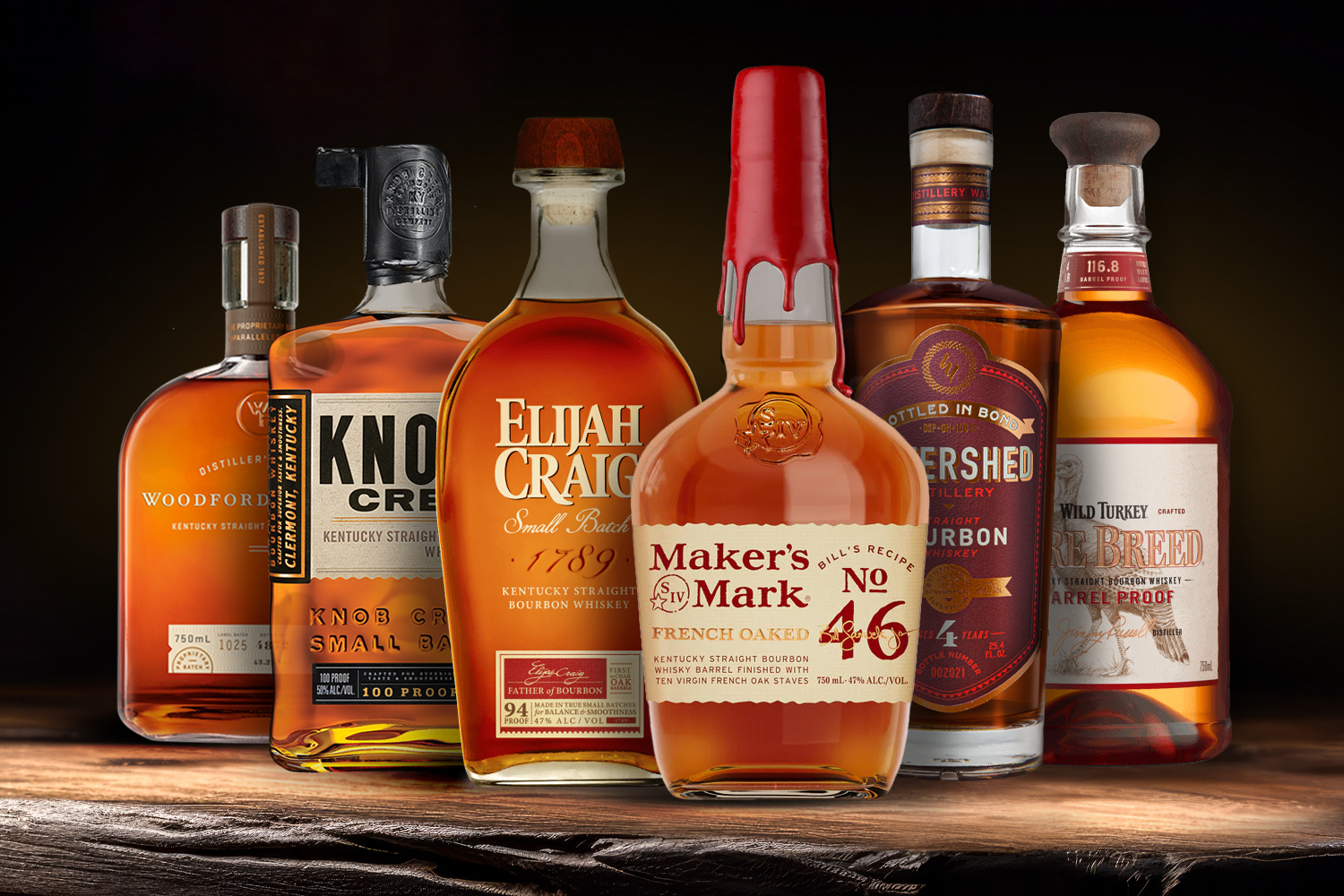
Bourbon whiskey stands as America’s native spirit, a complex blend of tradition, craftsmanship, and distinct botanical ingredients that define its unmistakable character. At its core, bourbon’s identity is shaped by a precise mash bill—primarily corn—but also rye, barley, and water, each contributing to its signature sweetness, spice, and depth. The distillation and aging processes further refine its profile, with charred oak barrels imparting vanilla, caramel, and smoky undertones that evolve over years. Beyond its technical foundations, bourbon reflects a rich cultural heritage, from Kentucky’s frontier distilleries to its modern reinvention in global cocktail culture.
The spirit’s legal and sensory intricacies—ranging from federal regulations on proof levels to regional flavor variations—highlight its dual role as both an artisanal product and a regulated commodity. Whether sipped neat, blended into classic cocktails, or explored through experimental techniques, bourbon’s versatility continues to captivate connoisseurs and innovators alike. This exploration delves into the science, history, and artistry behind what makes bourbon whiskey uniquely American.
Core Ingredients and Production Process of Bourbon Whiskey
Bourbon whiskey derives its distinctive character from a regulated blend of grains, fermentation techniques, and aging protocols mandated by U.S. federal law. The mash bill, distillation process, and barrel aging collectively define its profile, distinguishing it from other whiskey varieties such as rye or Scotch. Below, the foundational elements—ingredients, distillation, and aging—are examined in detail, including their technical contributions to flavor and compliance with regulatory standards.Primary Ingredients and Their Roles in Flavor Development
The mash bill of bourbon is legally required to contain at least 51% corn, with the remainder composed of rye, barley, or wheat. Each grain influences the whiskey’s sweetness, spice, and body:- Corn (51% minimum): Provides a neutral, sweet base with a high fermentability due to its starch content. Corn’s dominance contributes to bourbon’s smooth, vanilla-forward profile when aged.
Regulatory Note: The U.S. Code (27 CFR § 5.22) mandates that bourbon must be distilled to no more than 160 proof (80% ABV) and aged in new charred oak barrels, with no added coloring or flavoring.
Distillation Process: Temperature Ranges and Mash Bill Fermentation
Distillation refines the fermented mash into a concentrated spirit, where temperature control and column/still selection are critical. Bourbon is traditionally distilled using a pot still or a column still, though hybrid systems are increasingly common.Key Steps in Distillation:
Impact of Mash Bill on Distillation:
Aging Requirements: Barrel Type, Proof Levels, and Minimum Aging Periods
Bourbon must age in new charred oak barrels, a process that imparts color, vanilla, and tannins while reducing alcohol content via evaporation ("angel’s share"). Key aging parameters include:Table of Contents
- Core Ingredients and Production Process of Bourbon Whiskey
- Primary Ingredients and Their Roles in Flavor Development
- Distillation Process: Temperature Ranges and Mash Bill Fermentation
- Aging Requirements: Barrel Type, Proof Levels, and Minimum Aging Periods
- Step-by-Step Comparison: Bourbon vs. Rye vs. Scotch Whiskey Production
- Mash Bill Composition and Taste Profile Comparison
- Flavor Profile and Tasting Notes of Bourbon Whiskey
- Categorization of Flavor and Aroma Compounds in Bourbon
- Role of Charred Oak Barrels in Developing Vanilla, Caramel, and Coconut Undertones
- Sensory Analysis of Bourbon’s Mouthfeel
- Legal and Regulatory Standards Governing Bourbon Whiskey
- Federal Definitions and Core Compliance Requirements
- Comparison with Tennessee Whiskey and Other American Whiskeys
- Role of the Alcohol and Tobacco Tax and Trade Bureau (TTB)
- Checklist of Key Compliance Factors for Distilleries
- Cultural and Historical Significance of Bourbon Whiskey
- Origins and Frontier Distilling Traditions
- Bourbon in American Social History
- Key Milestones in Bourbon’s Evolution
- Famous Figures in Bourbon’s Legacy
- Bourbon’s Global Export History
- Serving, Pairing, and Cocktail Applications of Bourbon Whiskey
- Traditional and Modern Serving Methods
- Food Pairings Categorized by Flavor Profile
- Classic Bourbon Cocktails and Their Flavor Profiles
- Modern Innovations and Trends in Bourbon Whiskey Production
- Alternative Barrel Finishes and Experimental Aging Methods
- Experimental Mash Bills and Ingredient Innovation
- Emerging Trends in Bourbon Production and Consumption
- Bourbon’s Role in the Craft Spirit Movement
- FAQ
- What ingredients are used to make bourbon whiskey?
- What are some well-known brands of bourbon whiskey?
- What is bourbon whiskey primarily made of?
- What foods or drinks pair well with bourbon whiskey?
- What is bourbon whiskey called in different regions or countries?
- What does bourbon whiskey taste like?
- Barrel Specifications:
- Proof During Aging:
- Minimum Aging Period:
Aging Effects on Flavor:
| Aging Duration | Flavor Profile | Example Brands |
|---|---|---|
| 2–4 years | Light oak, vanilla, corn sweetness | Wild Turkey 101, Four Roses Single Barrel |
| 4–8 years | Caramel, baking spice, subtle char | Maker’s Mark, Buffalo Trace |
| 8+ years | Dark fruit, leather, dill, tobacco | Pappy Van Winkle Family Reserve, Woodford Reserve Double Oaked |
Step-by-Step Comparison: Bourbon vs. Rye vs. Scotch Whiskey Production
While all whiskeys share core principles—fermentation, distillation, and aging—their production diverges in grain composition, distillation methods, and regional regulations. Below is a comparative breakdown:Legal Distinction:
Bourbon: ≥51% corn, distilled ≤160 proof, aged in new charred oak. Rye Whiskey: ≥51% rye, no corn requirement, aged in used or new oak. Scotch Whiskey: Malted barley (or grain), distilled ≤190 proof, aged in used oak (ex-bourbon barrels common).
| Production Step | Bourbon | Rye Whiskey | Scotch Whiskey |
|---|---|---|---|
| Grain Composition | 51%+ corn, rye/barley/wheat remainder | 51%+ rye, corn/barley optional | Malted barley (single malt) or grain blend |
| Fermentation | 48–72 hours, neutral yeast | 5–7 days, often with rye-specific yeast strains | 2–3 days (malt), longer for grain blends |
| Distillation | Pot still or column, ≤160 proof | Pot still (traditional), ≤160 proof | Pot still (malt) or column (grain), ≤190 proof |
| Aging Barrels | New charred oak, 2+ years | Used or new oak, 2+ years | Used oak (ex-bourbon, sherry, etc.), 3+ years |
| Proof at Bottling | 80–125 proof (40–62.5% ABV) | 80–100 proof (40–50% ABV) | 80–120 proof (40–60% ABV) |
| Additives | None (except water to adjust proof) | None (except water) | Caramel color (E150a) allowed, no other additives |
| Regional Origin | U.S. (Kentucky primary) | U.S. (Pennsylvania, Canada) | Scotland (Islay, Speyside, etc.) |
Mash Bill Composition and Taste Profile Comparison
The ratio of corn, rye, and barley in bourbon’s mash bill directly influences its sweetness, spFlavor Profile and Tasting Notes of Bourbon Whiskey
Bourbon whiskey’s sensory complexity arises from its core ingredients, distillation methods, and the transformative aging process in charred oak barrels. The interplay of grain mashbill, yeast fermentation, and barrel interaction produces a distinctive flavor matrix that ranges from sweet and fruity to spicy and woody. Understanding these profiles enables connoisseurs and producers to appreciate bourbon’s depth, while also distinguishing regional and stylistic variations. The following analysis categorizes bourbon’s flavor and aroma compounds, examines the role of aging, and provides a structured approach to sensory evaluation.Categorization of Flavor and Aroma Compounds in Bourbon
Bourbon’s flavor and aroma spectrum is shaped by its production process, with each category of compounds emerging from specific interactions during fermentation, distillation, and aging. Sweet notes often stem from residual sugars and caramelization, while spicy and woody undertones derive from barrel charring and oak lactones. Fruity aromas may reflect yeast strains or secondary fermentation byproducts, whereas herbal or medicinal notes can indicate solvent extraction or barrel influence."The charred oak barrel is the alchemist’s crucible, where sugars caramelize, lignin breaks down into vanillin, and tannins soften into silky textures." — Master Distiller, Jim Beam DistillerySweet Notes
These arise from unfermented sugars, caramelization during aging, and barrel-derived compounds.
- Vanilla: Derived from vanillin, a breakdown product of lignin in oak barrels, particularly pronounced in heavily charred wood.
: From caramelization of sugars (e.g., sucrose, glucose) and interactions with oak tannins, often described as "baked" or "toasted." : A product of oak lactones (e.g., cis-whiskylactone), more common in bourbons aged in American white oak. : Result from Maillard reactions during barrel aging, where amino acids and sugars combine. : Linked to diacetyl, a byproduct of yeast metabolism during fermentation, though often muted in bourbon.
These compounds emerge from barrel charring, distillation, and grain selection, adding warmth and complexity.
: Eugenol and related phenols from charred oak, enhanced by high-proof distillation. : Piperine-like compounds, sometimes attributed to rye content in mashbills or barrel interactions. : Derived from barrel-derived spices (e.g., eugenol) or secondary fermentation byproducts. : Light smokiness may indicate residual char aromas or solvent extraction during distillation. : Often a result of fermentation byproducts (e.g., gingerol-like compounds) or barrel aging.
Fruity aromas in bourbon are less dominant than in Scotch or brandy but can appear due to yeast strains, grain choice, or secondary fermentation.
: Esters from yeast fermentation (e.g., ethyl acetate), more common in bourbons with higher fruit content in mashbills. : Phenolic compounds from charred oak or solvent extraction, occasionally described as "jammy." : Limonene or linalool traces, rare but possible in bourbons with specific yeast strains or barrel interactions. : Caramelized sugars and oak lactones can mimic raisin or prune notes.
These reflect the barrel’s influence, with charring depth and oak species playing critical roles.
: Lignin breakdown products (e.g., vanillin, syringaldehyde) dominate, especially in heavily charred barrels. : Occasionally noted in bourbons aged in barrels with cedar undertones, though rare in traditional American oak. : Herbal notes may arise from barrel-derived compounds (e.g., anethole-like structures) or solvent extraction. : Tannins from oak impart a subtle astringency and dried-fruit leatheriness. : Microbial activity in barrels or solvent extraction can introduce umami-like notes.
Role of Charred Oak Barrels in Developing Vanilla, Caramel, and Coconut Undertones
The charring process in bourbon barrels initiates a cascade of chemical reactions that define its signature flavors. Heat alters the oak’s lignin and cellulose, producing compounds that dissolve into the whiskey over time. Vanilla, caramel, and coconut notes are direct products of these transformations, with their intensity correlated to char depth, barrel age, and whiskey proof.| Compound | Source in Barrel | Chemical Process | Flavor Contribution | Influence of Aging |
|---|---|---|---|---|
| Vanillin | Lignin breakdown in charred oak | Pyrolysis of lignin → coniferyl aldehyde → vanillin | Sweet, creamy, bakery-like | Increases with longer aging; more pronounced in heavily charred barrels (e.g., #3 char). |
| Caramel (Hydroxymethylfurfural) | Sugar caramelization on charred wood | Sucrose/glucose → HMF → furan derivatives | Rich, toffee-like sweetness | Peaks at 4–8 years; declines if over-aged. |
| Coconut (Whiskylactones) | Oak lactones in white oak | Lignin → cis-whiskylactone (primary) and trans-whiskylactone (secondary) | Tropical, nutty, creamy | More stable than vanillin; persists even in older bourbons. |
| Eugenol (Clove Spice) | Charred oak phenols | Phenolic compounds from pyrolysis | Warm, baking-spice complexity | Declines after 10+ years; more prominent in high-proof bourbons. |
"A bourbon’s vanilla note is not just from vanilla beans—it’s the oak’s way of singing after centuries of silent transformation." — Dr. Charles R. Bamforth, University of California, DavisThe interaction between whiskey and barrel is dynamic: higher proof bourbons extract flavors more aggressively, while lower-proof whiskeys (e.g., 80–90 proof) develop smoother, more integrated profiles. Reused barrels (e.g., "second-fill" or "third-fill") contribute additional layers, as residual compounds from prior aging cycles blend into the new whiskey.
Sensory Analysis of Bourbon’s Mouthfeel
Bourbon’s mouthfeel is a critical component of its sensory experience, influenced by viscosity, alcohol warmth, residual sweetness, and tannin structure. These elements combine to create a texture that ranges from syrupy to silky, with varying levels of heat and astringency.Viscosity and Body
- High-viscosity bourbons (e.g., 10–12 years old) often exhibit a "thick" or "oily" texture due to higher residual sugars and congeners from aging.
- Medium-viscosity bourbons (e.g., 4–8 years) balance body with alcohol sharpness, offering a "smooth" or "velvety" sensation.
- Low-viscosity bourbons (e.g., young or high-proof) may feel "light" or "watery," though this is often offset by alcohol warmth.
- Barrel char level affects viscosity: heavier
Legal and Regulatory Standards Governing Bourbon Whiskey
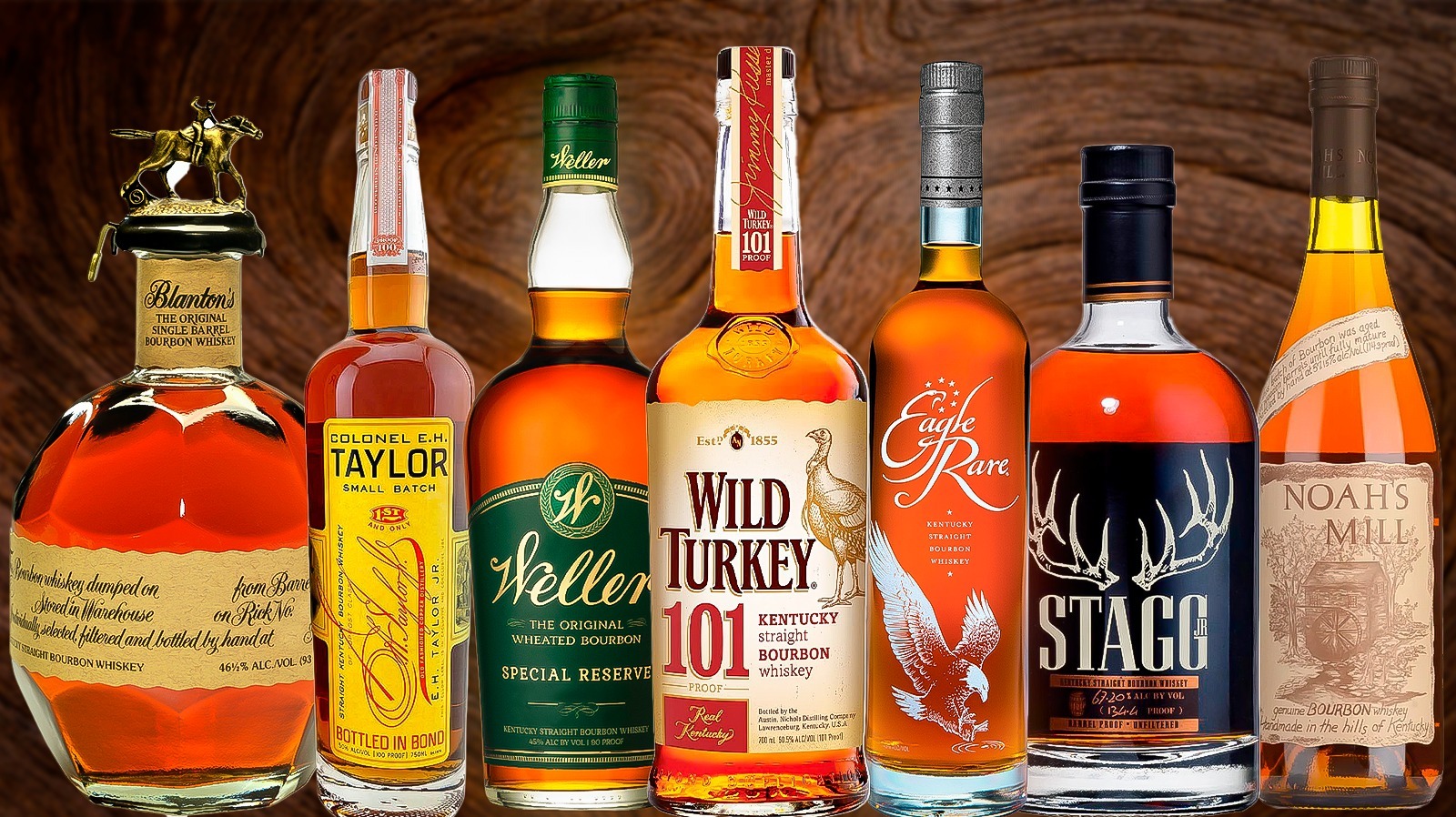
The production and commercialization of bourbon whiskey are governed by stringent U.S. federal regulations enforced by the Alcohol and Tobacco Tax and Trade Bureau (TTB). These standards ensure authenticity, quality, and compliance with historical and legal definitions that distinguish bourbon from other American whiskeys. Key distinctions include alcohol content, mash bill composition, aging requirements, and production processes, all of which are codified to prevent mislabeling and maintain consumer trust. Understanding these regulations is critical for distilleries, regulators, and consumers alike, as they define the legal boundaries of what constitutes bourbon and differentiate it from related spirits like Tennessee whiskey or rye whiskey.The TTB’s regulatory framework is rooted in the Federal Standards of Identity for Distilled Spirits, which outline the minimum requirements for bourbon whiskey. Compliance with these standards is mandatory for labeling and tax exemption, ensuring that products marketed as bourbon meet precise technical and procedural criteria. Below, the legal definitions, comparative standards with other whiskeys, and the TTB’s certification process are examined in detail.
Federal Definitions and Core Compliance Requirements
The TTB defines bourbon whiskey under 27 CFR Part 5.22, establishing four primary requirements that must be met for a spirit to be legally classified as bourbon:1. Mash Bill Composition
Bourbon must be made from a grain mixture of at least 51% corn, with the remainder consisting of other grains such as rye, wheat, or barley. The TTB does not specify a maximum corn percentage, but traditional bourbons often use 70–80% corn for a sweeter profile, while higher-rye bourbons (e.g., 20–30% rye) yield spicier notes. The mash bill—the grain recipe—is a defining characteristic, though it is not legally restricted beyond the 51% corn mandate.2. Distillation Alcohol Content
The distillate must not exceed 160 proof (80% alcohol by volume, ABV) during distillation. This limit ensures that bourbon retains its characteristic flavor profile, as higher alcohol concentrations can strip away desirable compounds. Post-distillation, the spirit is diluted to no less than 80 proof (40% ABV) before aging.3. Aging in New Charred Oak Barrels
Bourbon must be aged in new charred oak barrels (though the TTB allows for used barrels if they were previously used for bourbon). The charring process is critical, as it imparts caramel, vanilla, and smoky notes through the Maillard reaction. The TTB does not specify a minimum char level, but industry standards typically require a medium to heavy char (e.g., 4/16 to 8/16 inch char depth).4. Proof and Aging Duration
Bourbon must enter the barrel for aging at no more than 125 proof (62.5% ABV) and must remain in the barrel until bottled at at least 80 proof (40% ABV). The TTB does not mandate a minimum aging period, but straight bourbon (a regulated term) requires aging for at least 2 years in new charred oak barrels. Non-straight bourbon may be aged less than two years but must still meet all other criteria.
Key Legal Formula for Bourbon Compliance:
Mash Bill: ≥51% corn, ≤49% other grains (rye, wheat, barley).
Distillation Limit: ≤160 proof (80% ABV).
Aging Barrels: New charred oak (or previously used for bourbon).
Proof Range: ≤125 proof (62.5% ABV) when barreled; ≥80 proof (40% ABV) when bottled.Comparison with Tennessee Whiskey and Other American Whiskeys
While bourbon and Tennessee whiskey share many similarities, the Lincoln County Process—a proprietary method unique to Tennessee whiskey—creates a distinct legal and flavorful divergence. Below is a comparative analysis of key regulatory and procedural differences:
Key Distinction: The Lincoln County ProcessStandard Bourbon Whiskey Tennessee Whiskey Other American Whiskeys Grain Composition ≥51% corn, no rye minimum ≥51% corn, often higher rye (e.g., 30–50%) Rye whiskey: ≥51% rye; corn whiskey: ≥80% corn Distillation Limit ≤160 proof (80% ABV) ≤160 proof (80% ABV) Same as bourbon (unless specified otherwise) Charred Oak Requirement New charred oak (or previously used for bourbon) New charred oak (or previously used for bourbon) Rye whiskey: new charred oak; corn whiskey: may use uncharred barrels Lincoln County Process Not applicable Charcoal mellowing (filtering through sugar maple charcoal) Not applicable (except for some experimental methods) Aging Proof ≤125 proof (62.5% ABV) when barreled ≤125 proof (62.5% ABV) when barreled Varies (e.g., Canadian whisky: no charring requirement) Straight Whiskey Status Requires ≥2 years aging Requires ≥2 years aging + Lincoln County Process Straight rye: ≥2 years, ≥51% rye; straight corn: ≥2 years, ≥80% corn
Tennessee whiskey must undergo charcoal filtration (using sugar maple charcoal) after distillation but before aging. This process removes impurities and imparts a smoother, cleaner profile compared to traditional bourbon. While the TTB does not regulate the charcoal mellowing step itself, the resulting spirit must still comply with bourbon’s grain and proof requirements unless labeled separately as "Tennessee whiskey."Other American Whiskey Categories
- Rye Whiskey: Requires ≥51% rye in the mash bill, with no corn minimum. Must be distilled to ≤160 proof and aged in new charred oak.
- Corn Whiskey: Must contain ≥80% corn, with no charring requirement for barrels. Often unaged or aged in uncharred barrels.
- Canadian Whisky: No charring requirement; may be aged in used barrels and blended with neutral spirits.
Role of the Alcohol and Tobacco Tax and Trade Bureau (TTB)
The TTB, a division of the U.S. Department of the Treasury, is the primary regulatory body overseeing the production, labeling, and taxation of distilled spirits, including bourbon. Its role encompasses certification, enforcement, and consumer protection through the following mechanisms:1. Label Approval and Compliance Oversight
The TTB reviews all whiskey labels before they can be marketed to ensure compliance with federal standards. Distilleries must submit Labeling and Brand Name (LBN) applications, which are approved only if the product meets all legal definitions. For example, a distillery cannot label a product as "bourbon" if it uses <51% corn or ages the spirit in uncharred barrels.2. Tax Exemption and Duty-Free Status
Bourbon qualifies for tax exemption under the Internal Revenue Code (IRC § 5005) if it meets TTB standards. Non-compliant products may face excise taxes, fines, or seizure, particularly if mislabeled as bourbon but failing to meet grain or aging requirements.3. Inspection and Audits
The TTB conducts unannounced inspections of distilleries to verify compliance with production standards. Audits may include:
- Mash bill verification (testing grain composition).
- Proof measurements (alcohol content at distillation and bottling).
- Barrel char level assessment (though not strictly regulated, deviations may lead to labeling disputes).
- Aging duration records (for straight bourbon claims).
4. Resolution of Disputes and Labeling Clarifications
The TTB provides ruling requests to distilleries seeking clarification on ambiguous terms (e.g., "small batch" or "single-barrel"). While these rulings are not legally binding, they establish industry precedents. For instance, the TTB has clarified that "small batch" is a marketing term with no defined maximum batch size, leaving it to distilleries to define internally.
Checklist of Key Compliance Factors for Distilleries
Distilleries must adhere to a rigorous set of technical and procedural requirements to ensure their bourbon meets TTB standards. Below is a structured checklist covering critical compliance factors:
-
M
Cultural and Historical Significance of Bourbon Whiskey
Bourbon whiskey stands as a cornerstone of American heritage, deeply intertwined with the nation’s frontier spirit, economic resilience, and cultural evolution. Emerging from Kentucky’s rugged landscapes in the late 18th century, bourbon was shaped by pioneers, distillers, and legislative milestones that defined its identity. Its journey from a frontier necessity to a globally revered spirit reflects broader themes of adaptation, craftsmanship, and social transformation. This section explores bourbon’s origins, its enduring presence in American and global culture, and the pivotal figures and events that cemented its legacy.
Origins and Frontier Distilling Traditions
The foundations of bourbon whiskey trace back to the late 1700s in Kentucky, where European settlers—primarily from Scotland and Ireland—adapted their whiskey-making techniques to local resources. Corn, abundant in the region, became the primary grain, distinguishing bourbon from other American whiskeys. Early distillers, including German and Dutch immigrants, refined methods using rye as a secondary grain to balance sweetness and spice. The name "bourbon" itself is debated, with theories linking it to Bourbon County, Kentucky, or French settlers in the area.Key to bourbon’s development was the charred oak barrel, a practice likely inspired by Native American smoking techniques. This innovation imparted the spirit’s signature caramel and vanilla notes while ensuring longevity. By the early 1800s, Kentucky’s distillers had established bourbon as a distinct product, leveraging the state’s limestone-filtered water and fertile farmland to produce a whiskey unlike any other.
Bourbon in American Social History
Bourbon’s role in American social history is multifaceted, serving as both a commodity and a cultural symbol. In the 19th century, saloons became hubs of community life, where bourbon was the drink of choice for laborers, politicians, and outlaws alike. The spirit’s affordability and accessibility made it a staple in urban centers like Louisville and St. Louis, as well as rural towns across the Midwest. However, this prominence also tied bourbon to the darker aspects of American history, including the rise of organized crime and the exploitation of immigrant labor in distilleries.The Prohibition era (1920–1933) marked a turning point, forcing bourbon producers to innovate or shut down. Many distilleries repurposed their facilities for pharmaceutical alcohol or closed entirely, while others turned to illegal production. Moonshiners, often operating in the Appalachian region, kept bourbon alive through clandestine operations, blending frontier ingenuity with necessity. The repeal of Prohibition in 1933 revitalized the industry, with brands like Maker’s Mark and Jim Beam leading the charge in re-establishing bourbon’s dominance.
In the 20th century, bourbon evolved into a cornerstone of cocktail culture, particularly through classics like the Mint Julep and Old Fashioned. These drinks became synonymous with American hospitality, from Kentucky Derby celebrations to high-end speakeasies. Today, bourbon remains a symbol of craftsmanship, with modern mixologists and distillers redefining its place in global mixology.
Key Milestones in Bourbon’s Evolution
Bourbon’s history is punctuated by legislative, economic, and technological milestones that shaped its trajectory. Below is a timeline of pivotal moments:
- 1783: The first recorded distillery in Kentucky, James Wilkinson’s, begins production, though bourbon’s distinct identity was not yet formalized.
- 1800s: The Whiskey Rebellion (1791–1794) and subsequent federal excise taxes on distilled spirits force distillers to innovate, leading to the standardization of bourbon’s production methods.
- 1862: The Revenue Act defines bourbon as a whiskey made from at least 51% corn, aged in new charred oak barrels, and bottled at no less than 80 proof. This legislation solidifies bourbon’s unique characteristics.
- 1870s–1890s: The Kentucky Distillers’ Association is formed, promoting bourbon’s quality and lobbying against adulteration. This era sees the rise of major brands like Elijah Craig, Maker’s Mark, and Woodford Reserve.
- 1920–1933: Prohibition forces bourbon producers to adapt, with many distilleries producing industrial alcohol or shutting down. Illegal moonshining becomes widespread, particularly in Kentucky and Tennessee.
- 1933: The 21st Amendment repeals Prohibition, leading to a bourbon renaissance. Distilleries reopen, and brands like Jack Daniel’s (though Tennessee whiskey) and Buffalo Trace expand production.
- 1964: The Bourbon Act is passed, further refining the legal definition of bourbon and establishing Kentucky as its epicenter.
- 1970s–1990s: Bourbon gains international recognition, with exports to Japan and Europe growing. The Kentucky Bourbon Trail is established in 1999, boosting tourism and brand visibility.
- 2000s–Present: The craft bourbon movement emerges, with small-batch distilleries like Angel’s Envy and Rabbit Hole gaining acclaim. Bourbon’s popularity surges globally, with Japan becoming a major consumer and producer of premium bourbon.
Famous Figures in Bourbon’s Legacy
The history of bourbon is marked by visionaries who shaped its production, marketing, and cultural impact. Below are notable figures whose contributions left an indelible mark:
Elijah Craig (1756–1832) is often credited as the "Father of Bourbon." A Baptist minister and distiller, Craig pioneered the use of charred oak barrels, a technique that became synonymous with bourbon. His distillery in Georgetown, Kentucky, was one of the first to produce bourbon on a commercial scale.
Jack Daniel (1846–1911), though primarily associated with Tennessee whiskey, influenced bourbon’s evolution through his use of the Lincoln County Process (charcoal filtering). His distillery’s success demonstrated the viability of small-batch production, inspiring bourbon distillers to focus on quality over quantity.
Colonel James E. Pepper (1831–1898) founded Old Taylor Distillery in Kentucky, introducing the concept of "double aging" (aging whiskey in both new and used barrels) and refining the Old Fashioned cocktail, which remains a bourbon staple.
Julius “Pappy” Van Winkle (1896–1981) revolutionized bourbon aging with his Pappy Van Winkle’s Family Reserve, a small-batch whiskey aged for extended periods. His innovations in barrel selection and aging techniques set new standards for bourbon craftsmanship.
Bourbon’s Global Export History
Bourbon’s influence extends far beyond U.S. borders, with its export history reflecting America’s cultural diplomacy and the spirit’s universal appeal. Japan emerged as a key market in the late 20th century, where bourbon was embraced for its complexity and aging potential. Distilleries like Suntory and Nikka began producing bourbon-style whiskeys, blending Japanese precision with American tradition. Today, Japanese bourbon is highly regarded, with brands like Suntory Toki and Nikka Coffey Grain achieving critical acclaim.In Europe, bourbon gained traction in the 1980s and 1990s, particularly in the UK, Germany, and France, where it was marketed as a premium spirit. The Kentucky Bourbon Trail and international tastings expanded its reach, positioning bourbon as a sophisticated alternative to Scotch and Irish whiskey. Meanwhile, emerging markets in China, India, and the Middle East have seen rising demand, driven by economic growth and a shift toward premium spirits.
The global appeal of bourbon is also tied to its cultural ambassadors, including celebrities and mixologists who promote it through cocktails and media. Collaborations between American distilleries and international brands have further solidified bourbon’s status as a global icon, transcending regional boundaries.
Serving, Pairing, and Cocktail Applications of Bourbon Whiskey
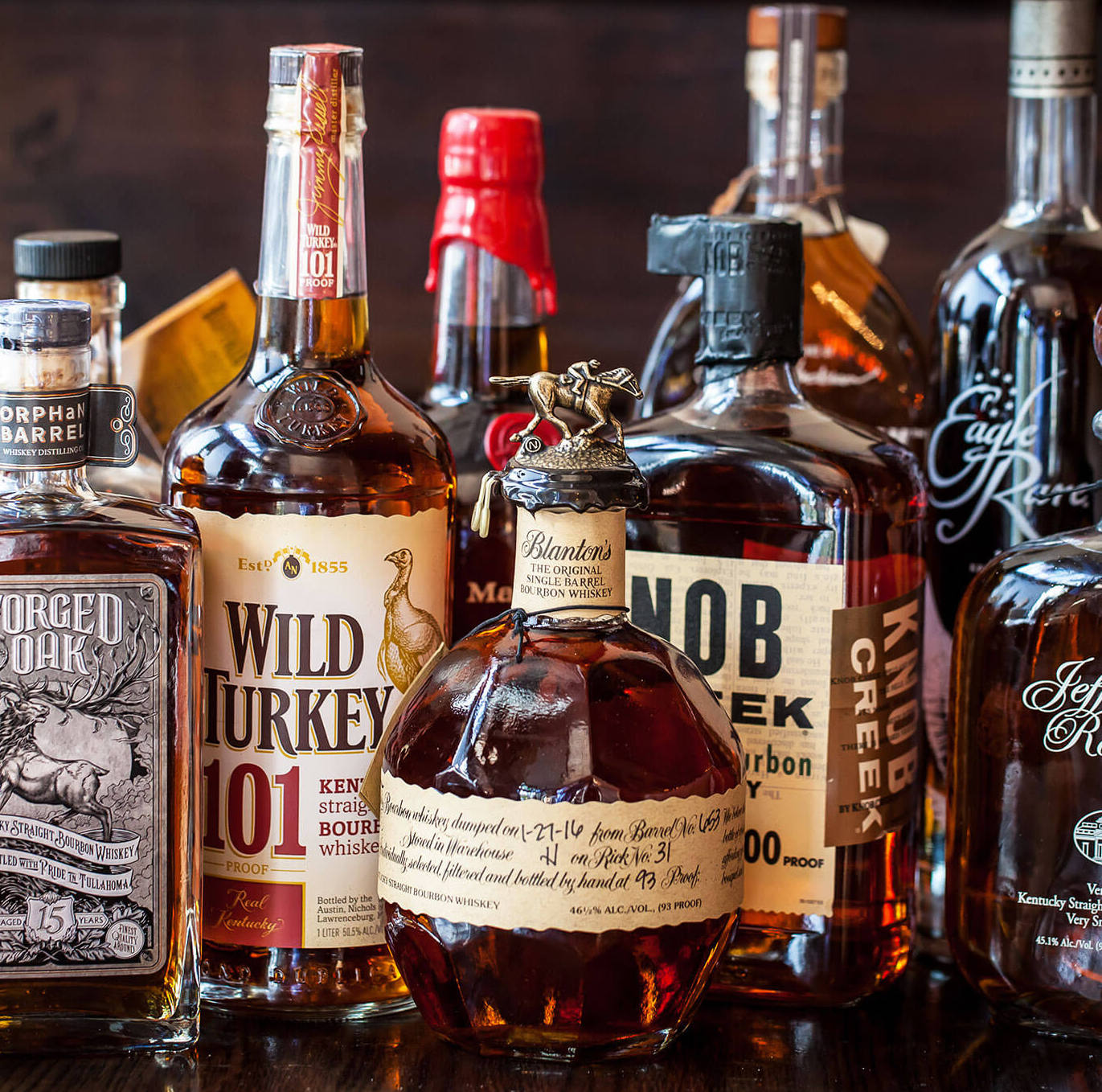
Bourbon whiskey’s rich, layered profile—balancing caramel, vanilla, oak, and spice—makes it a versatile spirit for both sipping and mixing. Its adaptability extends beyond traditional methods, influencing modern cocktail craftsmanship, culinary applications, and sensory refinement. Understanding optimal serving techniques, complementary pairings, and creative uses enhances the appreciation of bourbon’s depth and complexity.The art of serving bourbon influences its aroma, texture, and flavor perception, while strategic pairings elevate its characteristics. Cocktail applications leverage bourbon’s core notes to craft iconic and innovative drinks, while culinary uses demonstrate its role beyond the glass. Techniques such as decanting and glassware selection further refine the tasting experience, ensuring bourbon’s full potential is realized.
Traditional and Modern Serving Methods
Bourbon’s serving style directly impacts its sensory profile. Traditional methods prioritize purity, allowing the spirit’s natural flavors to dominate, while modern approaches experiment with temperature and presentation to enhance complexity.Neat
Serving bourbon neat—without dilution—is the purest form, ideal for high-proof expressions (90–100 proof) to showcase its inherent aromatics and palate. The spirit’s natural warmth and viscosity coat the palate, emphasizing oak, char, and spice. Lower-proof bourbons (80–86 proof) may benefit from a brief chill (45–50°F / 7–10°C) to soften alcohol burn while preserving flavor. Use tulip or snifter glasses to concentrate aromas; the tulip’s shape directs vapor toward the nose, while snifters amplify volatile compounds like esters and vanilla.On the Rocks
Adding ice dilutes bourbon slightly, mellowing its intensity and prolonging the drinking experience. A large, clear ice cube (preferably made with filtered water) minimizes dilution and prevents flavor distortion. For a refined presentation, use a rocks glass with a diameter slightly wider than the ice to maintain a 1:1 bourbon-to-ice ratio. Stir gently to avoid excessive aeration, which can mute oak and spice notes. This method is preferred for lower-proof bourbons (84–86 proof) or when paired with bitters or garnishes.Batch Chilling
A modern technique for large gatherings, batch chilling involves pre-chilling bourbon in a container with ice for 15–20 minutes before serving. This ensures consistent temperature without over-dilution. Ideal for bourbon cocktails like the Whiskey Smash or Bourbon Smash, where chilled bourbon integrates seamlessly with citrus and herbs.
Food Pairings Categorized by Flavor Profile
Bourbon’s sweet, savory, and spicy undertones make it a versatile pairing partner, bridging gaps between rich, smoky, or fruity dishes. Pairings should complement bourbon’s primary notes—vanilla, caramel, toasted oak, and baking spices—while contrasting its heat or tannins.Sweet Dishes
Bourbon’s caramelized and fruity notes harmonize with desserts featuring brown sugar, chocolate, dried fruits, and nuts. The spirit’s sweetness and acidity cut through richness, while its oak and spice add depth.- Dark Chocolate Truffles or Mousse: The bitterness of dark chocolate (70%+ cocoa) contrasts bourbon’s vanilla and caramel, creating a balanced profile. A high-rye bourbon (e.g., Blanton’s or Buffalo Trace) enhances this pairing with its spicy backbone.
- Pecan Pie or Bourbon Pecan Pralines: The nutty, buttery flavors of pecans mirror bourbon’s toasted oak and caramel, while the pie’s corn syrup sweetness echoes the spirit’s fermented sugar notes. A corn-based bourbon (e.g., Maker’s Mark) complements the dish’s natural sweetness.
- Apple or Pear Crisp: The tartness of apples or pears brightens bourbon’s caramelized edges, while the crisp’s cinnamon and nutmeg align with the spirit’s spice cabinet. A light-bodied bourbon (e.g., Woodford Reserve Double Oaked) avoids overpowering the fruit.
- Baked Alaska or Flambéed Desserts: The dramatic presentation of flambéed dishes (e.g., Baked Alaska with bourbon-soaked meringue) mirrors bourbon’s own charred oak influence. The heat of flambéing releases volatile aromas, akin to bourbon’s distillation process.
- Blue Cheese or Aged Gouda: The funk and saltiness of blue cheese contrast bourbon’s sweetness, while the cheese’s fat coats the palate, softening bourbon’s alcohol. A wheat-forward bourbon (e.g., Woodford Reserve) complements the creamy texture.
- Mushroom Risotto or Truffle Pasta: Earthy mushrooms and truffle oil enhance bourbon’s oak and caramel notes, creating a umami-rich synergy. A barrel-aged bourbon (e.g., Wild Turkey 101) adds depth to the dish’s richness.
- Fried Chicken or Chicken and Waffles: The crispy, salty exterior of fried chicken contrasts bourbon’s smooth, sweet interior. A sweet mash bourbon (e.g., Maker’s Mark) mirrors the waffle’s buttery notes, while the chicken’s heat balances the spirit’s spice.
- Chili or Beef Stew with Jalapeños: The caramelized edges of bourbon complement the slow-cooked richness of chili, while its vanilla and oak soften the spice. A barrel-strength bourbon (e.g., Booker’s) adds a smoky depth to the dish.
- Spicy Shrimp or Seafood Boil: The briny, garlicky flavors of seafood pair with bourbon’s salted caramel and oak, while its sweetness balances the heat. A light-bodied bourbon (e.g., Evan Williams) avoids overpowering delicate seafood.
- 2 oz bourbon (preferably high-rye, e.g., Blanton’s or Old Forester)
- 1 sugar cube (or ½ tsp granulated sugar)
- 2–3 dashes Angostura bitters
- Orange twist (garnish)
- Club soda (optional, for a "New Fashioned" variation)
- Muddle sugar cube with bitters in a rocks glass until dissolved.
- Add bourbon and stir gently with ice to chill (do not dilute excessively).
- Strain into a fresh
Modern Innovations and Trends in Bourbon Whiskey Production
The bourbon industry continues to evolve beyond its traditional roots, embracing experimentation and technological advancements to redefine quality, sustainability, and flavor complexity. Innovations in aging methods, mash bill formulations, and production techniques reflect a broader shift toward craftsmanship and consumer-driven differentiation. These developments not only challenge conventional standards but also position bourbon as a dynamic participant in the global craft spirits movement. Below, key advancements are explored, including alternative aging techniques, experimental mash bills, and the integration of technology to enhance bourbon’s profile.
Alternative Barrel Finishes and Experimental Aging Methods
Traditional bourbon aging relies on new charred oak barrels, but modern distillers are increasingly incorporating secondary and tertiary cask finishes to introduce diverse flavor profiles. Wine casks, particularly those previously holding Cabernet Sauvignon, Syrah, or Port, impart fruity, spicy, or tannic notes that contrast with bourbon’s vanilla and caramel characteristics. Rum casks, often used for finishing, contribute molasses, coconut, and tropical fruit aromas, while whiskey casks from other regions (e.g., Scotch, Japanese whisky) introduce smoky, floral, or woody nuances.Craft distilleries are also pioneering non-traditional aging methods to accelerate maturation or introduce unique interactions. For example:
- Barrel-proof bourbons (e.g., 114-proof or higher) are aged in smaller, more porous barrels to concentrate flavors without dilution, often yielding bolder, more intense profiles.
- Cold filtration and minimal intervention techniques preserve delicate esters and higher alcohols that traditional methods might strip away.
- Experimental aging in non-oak containers, such as stainless steel or concrete eggs, allows distillers to isolate specific flavor compounds or explore the impact of micro-oxygenation.
- Rye-heavy bourbons (e.g., Rittenhouse Rye, High West Double Rye), which emphasize spice and pepper notes, often exceeding 50% rye in the mash bill.
- Wheat-forward bourbons (e.g., Woodford Reserve Double Oaked, Buffalo Trace Single Barrel), where wheat’s neutral profile allows for cleaner, more delicate expressions.
- Experimental additions such as blueberry, blackberry, or even coffee beans in the mash bill, as seen in limited releases from Balcones (Texas) and Makers Mark.
- Sustainability-driven mash bills, where distillers use local, organic, or surplus grains to reduce environmental impact while maintaining flavor integrity.
- Zero-waste policies, such as Buffalo Trace’s use of spent grain for animal feed or biofuel.
- Water conservation techniques, including closed-loop cooling systems at Wild Turkey and Heaven Hill.
- Renewable energy integration, with Four Roses and Jim Beam investing in solar and wind power for distillery operations.
- High West’s collaboration with Top Chef winner Richard Blais for a bourbon-infused menu.
- Balcones Distillery’s work with James Beard Award-winning chef Sean Brock to create bourbon-braised dishes.
- Cocktail competitions like the World Whiskies Awards and San Francisco World Spirits Competition, where bourbon-based cocktails (e.g., Old Fashioned, Mint Julep) are reimagined with experimental ingredients.
- AI and machine learning are used to predict flavor profiles based on aging conditions, as demonstrated by Sazerac’s partnership with IBM Watson to optimize barrel selection.
- Sensory science and gas chromatography help distillers quantify volatile compounds (e.g., furfural, vanillin, guaiacol) to ensure consistency in mass-produced bourbons.
- Blockchain for traceability is being piloted by Buffalo Trace and Heaven Hill to verify sourcing and aging processes, enhancing consumer trust.
- Limited releases with small production runs (e.g., Willett Family Estate, Angel’s Envy).
- Handcrafted bottling, including non-chill-filtered, non-centrifuged expressions to preserve natural flavors.
- Local storytelling, where distilleries emphasize heritage, family legacy, or regional identity (e.g., Michter’s in Kentucky, Balcones in Texas).
Savory Dishes
Bourbon’s caramel and spice notes bridge the gap between fatty, umami-rich, or herbaceous savory foods. Its acidity cuts through richness, while its oak and vanilla add complexity.- Grilled or Smoked Meats (Brisket, Ribs, Pulled Pork): The smoky, charred flavors of bourbon align with grilling, while its sweetness balances the saltiness of BBQ sauces. A high-proof bourbon (e.g., Pappy Van Winkle 23-Year) stands up to bold sauces, whereas a smooth sipping bourbon (e.g., Four Roses Single Barrel) pairs better with lighter rubs.
Spicy Dishes
Bourbon’s inherent warmth and caramelized sweetness temper the heat of spicy foods, creating a cooling contrast. The spirit’s tannins also bind capsaicin, reducing perceived spiciness.- Buffalo Wings or Hot Sauce-Drizzled Meats: The sweetness of bourbon (e.g., Old Fashioned sugar) counters the acidity of hot sauce, while its spice notes echo the dish’s cayenne. A rye-heavy bourbon (e.g., Rittenhouse Rye) amplifies the heat with its peppery bite.
Classic Bourbon Cocktails and Their Flavor Profiles
Bourbon’s adaptability in cocktails stems from its ability to integrate with bitters, citrus, herbs, and spices. Classic recipes emphasize balance, while modern twists explore global influences and unconventional ingredients. Below is a table of iconic and innovative bourbon cocktails, including preparation methods and flavor dynamics.
Cocktail Name Ingredients Preparation Steps Flavor Profile Key Notes Old Fashioned Distilleries like Angel’s Envy (Kentucky) and High West (Utah) have gained recognition for their innovative finishes, such as bourbon aged in ex-Pedro Ximénez sherry casks or ex-Bourgogne wine barrels. These approaches cater to consumers seeking complexity beyond the standard vanilla-oak spectrum while adhering to regulatory flexibility under the Bourbon Act of 1964, which permits secondary finishes as long as the primary aging occurs in new charred oak.
Experimental Mash Bills and Ingredient Innovation
The traditional bourbon mash bill—typically composed of 51% corn, 38% rye, and 11% barley malt—is being reimagined to reflect regional ingredients, sustainability goals, and flavor experimentation. Craft distillers are incorporating alternative grains, fruits, and even non-grain bases to create distinctive profiles. Notable examples include:
Distilleries are also exploring non-traditional starches, such as sweet potatoes, cornmeal variations, or even wheatgrass, to introduce earthy, vegetal, or herbal notes. These innovations align with broader trends in the craft spirits industry, where authenticity and transparency in sourcing are increasingly valued.
Emerging Trends in Bourbon Production and Consumption
The bourbon landscape is shaped by evolving consumer preferences, regulatory adaptations, and industry collaborations. Below are key trends reshaping production and market dynamics:
Low-proof and approachable bourbons are gaining traction, with distillers releasing 80- to 90-proof expressions to appeal to a broader audience. Examples include Woodford Reserve Double Cask, Buffalo Trace Kentucky Straight Bourbon, and Wild Turkey 101.
Barrel-proof and high-proof releases continue to attract enthusiasts seeking intense, unfiltered flavors. Brands like Pappy Van Winkle’s Family Reserve (114-proof) and Blanton’s Single Barrel (110-proof) emphasize minimal intervention and bold character.
Sustainability initiatives are becoming standard practice, with distillers adopting:
Collaborations with chefs and mixologists are elevating bourbon’s culinary and cocktail applications. Notable partnerships include:
Technology-driven quality enhancement is transforming production and analysis:
Bourbon’s Role in the Craft Spirit Movement
Bourbon’s integration into the craft spirit movement is characterized by small-batch production, artisanal techniques, and community engagement. Unlike large-scale producers, craft distilleries prioritize:
Collaborations between distillers and craft cocktail bars (e.g., Death & Co. in NYC, The Cocktail Club in London) have popularized bourbon in modern mixology, with bartenders experimenting with smoked bourbons, barrel-aged cocktails, and deconstructed classics. Additionally, bourbon tourism has surged, with distilleries offering tasting rooms, masterclasses, and agritourism experiences to connect consumers with the production process.
The craft movement has also fostered global recognition, with bourbon featured in international competitions (e.g., San Francisco World Spirits Classic) and gaining popularity in markets like Japan, the UK, and Scandinavia, where consumers appreciate its complexity and versatility.
Bourbon whiskey is more than a distilled spirit; it is a testament to the interplay between agricultural precision, regulatory rigor, and cultural storytelling. From the corn-dominant mash bills of Kentucky to the barrel-aged complexity of craft distilleries, every element—from production to consumption—contributes to its enduring legacy. As trends like alternative aging methods and sustainability reshape the industry, bourbon’s adaptability ensures its relevance in both traditional and modern contexts. Understanding its composition, heritage, and potential unlocks an appreciation for a spirit that bridges history, science, and sensory delight.
FAQ
What ingredients are used to make bourbon whiskey?
Bourbon is made from at least 51% corn, with the rest typically rye, barley, or wheat. Water is essential for mashing and fermentation, and yeast converts sugars into alcohol. Charred oak barrels give it its color and vanilla/caramel flavors.
What are some well-known brands of bourbon whiskey?
Popular bourbon brands include Maker’s Mark, Jim Beam, Buffalo Trace, Woodford Reserve, and Wild Turkey. Many are American-made, with Kentucky being the most famous region for production.
What is bourbon whiskey primarily made of?
Bourbon must contain at least 51% corn, with the remaining grain usually rye, barley, or wheat. Water and yeast are also key components for fermentation and distillation.
What foods or drinks pair well with bourbon whiskey?
Bourbon pairs well with smoked meats (like ribs or brisket), chocolate desserts, and spicy dishes. It’s also commonly enjoyed neat, on the rocks, or in cocktails like Old Fashioneds or Mint Juleps.
What is bourbon whiskey called in different regions or countries?
Bourbon is primarily called "bourbon" in the U.S., especially Kentucky, where it’s legally defined. Outside the U.S., it’s sometimes called "American whiskey" or "corn whiskey," though "bourbon" is the standard term globally.
What does bourbon whiskey taste like?
Bourbon typically has a sweet, caramel-like flavor with notes of vanilla, oak, and sometimes spice or fruit. Its taste varies by age, with younger bourbons being sharper and older ones smoother.
Leave a Comment
Comments are moderated before appearing. The data you submit is processed according to the Privacy Policy of Velirium.