nude patent block heels Telegram expose luxury piracy risks
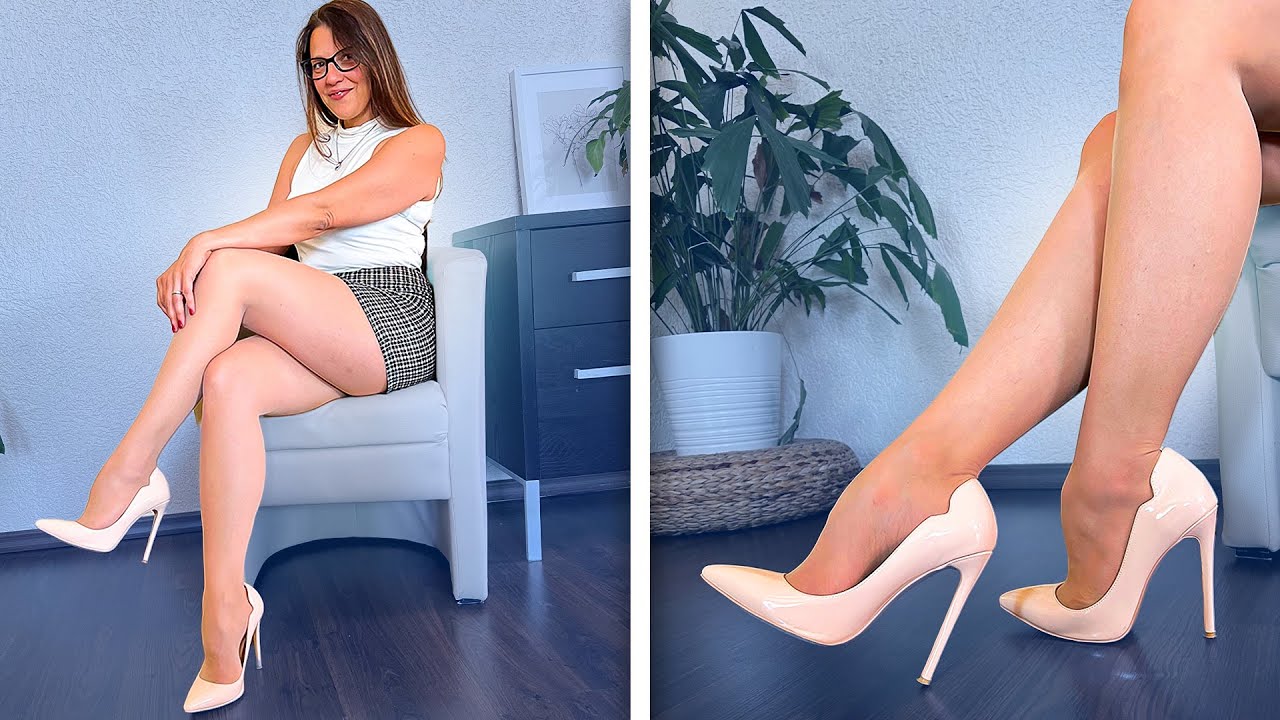
The intersection of high fashion and intellectual property law has never been more contentious than in the shadowy corners of Telegram, where patented nude block heels—once the exclusive domain of luxury brands—are now traded like contraband. These iconic designs, crafted with meticulous precision and protected by decades of legal battles, have become a battleground between creativity and copyright infringement, with encrypted messaging platforms serving as the new frontier for counterfeit markets.
From Manolo Blahnik’s signature silhouettes to Christian Louboutin’s red-soled innovations, block heels have redefined luxury footwear, blending functionality with haute couture. Yet, the rise of "nude" finishes—those elusive, skin-toned patent leathers—has added a layer of complexity, both in manufacturing and legal enforcement. Now, Telegram channels are flooding with schematics, coded descriptions, and direct sales of knockoffs, exploiting loopholes in trademark laws while brands scramble to protect their intellectual assets in a digital gray zone.
The Convergence of High Fashion, Footwear Innovation, and Intellectual Property in Nude Patent Block Heels

The intersection of high fashion, footwear design, and intellectual property law creates a dynamic landscape where creativity meets legal protection, particularly in the niche of nude patent block heels. These shoes exemplify how aesthetic trends, functional design, and legal safeguards coalesce to define luxury footwear markets. The "nude" hue—often described as a neutral, skin-toned palette—adds a layer of sophistication, while the block heel’s structure, often patented, ensures both style and stability. This synthesis reflects broader industry shifts, from the functional origins of elevated footwear to its current status as a symbol of status and individuality. Understanding this convergence requires examining the historical evolution of block heels, the legal mechanisms that protect their designs, and the cultural impact of patented aesthetics, especially in the context of neutral-toned luxury footwear.
Historical Evolution of Block Heels and Their Patent Influence on Fashion Trends

The block heel emerged as a practical solution to the instability of stilettos, offering wider support while maintaining height. Its origins trace back to the 1950s, when designers sought alternatives to the delicate yet precarious stiletto, which dominated post-war fashion. The shift toward block heels marked a pivot from functionality to fashion-forward design, accelerated by patented innovations that reinforced their structural integrity. The integration of "nude" tones into block heels later in the 20th century reflected a broader trend in luxury fashion: the use of neutral palettes to convey elegance, versatility, and exclusivity.
Patented designs played a pivotal role in this evolution. Early patents focused on heel mechanics—such as the Manolo Blahnik’s 1960s designs, which incorporated reinforced soles and ergonomic shapes—to address comfort without sacrificing aesthetic appeal. By the 1980s and 1990s, brands like Christian Louboutin and Jimmy Choo expanded the block heel’s appeal through patented embellishments, materials, and color applications, including nude finishes. These innovations were not merely technical; they were cultural, aligning with the minimalist luxury movements of the era. The patenting process ensured that these designs remained distinct, reinforcing brand identity while influencing global fashion trends.
Iconic Patented Block Heel Designs and Their Market Impact
Several patented block heel designs have become synonymous with luxury footwear, shaping consumer expectations and market dynamics. Below are key examples that illustrate the intersection of innovation, legal protection, and cultural significance:
Table of Contents
- The Convergence of High Fashion, Footwear Innovation, and Intellectual Property in Nude Patent Block Heels
- Historical Evolution of Block Heels and Their Patent Influence on Fashion Trends
- Iconic Patented Block Heel Designs and Their Market Impact
- Legal Mechanisms Protecting Block Heel Designs: Trademarks, Copyrights, and Utility Patents
- Timeline: The Evolution of Block Heels from Function to Fashion, Aligned with Key Patent Filings
- The Role of Telegram in Facilitating the Exchange and Sale of Patent-Infringing Footwear
- Telegram as a Hub for Sharing Patented Footwear Designs
- Methods Used to Bypass Legal Restrictions in Telegram Markets
- Risks for Buyers and Sellers in Telegram’s Patent-Infringing Footwear Markets
- Flowchart: Advertising, Selling, and Distributing Patent-Infringing Nude Block Heels via Telegram
- Design and Material Analysis: The Art and Science of Nude Patent Block Heels
- Technical Specifications of Patent Block Heels
- Material Composition in Luxury Nude Patent Block Heels
- Manolo Blahnik’s "Beige Suede Block Heels" (1970s) The brand’s emphasis on neutral tones, including beige and nude suede, aligned with the "quiet luxury" aesthetic of the time. Blahnik’s patents for heel structures and material treatments (e.g., suede finishes) ensured these designs remained exclusive. The cultural impact was profound: nude block heels became staples in editorial spreads and red carpet appearances, cementing Blahnik’s reputation as a purveyor of understated elegance.
- Christian Louboutin’s "Nude Patent Leather Block Heels" (2000s) Louboutin’s use of patent leather in nude shades, combined with the iconic red sole, created a signature look that transcended seasonal trends. The patent for the sole’s design (and later, the heel’s contour) protected the brand from imitators, while the nude finish appealed to consumers seeking versatility. This design became a benchmark for luxury footwear, influencing brands to adopt similar patent strategies for neutral-toned shoes.
- Jimmy Choo’s "Crystal-Embellished Nude Block Heels" (2010s) Choo’s integration of Swarovski crystals into nude patent block heels exemplified the fusion of high fashion and technical innovation. Patents for the crystal-setting process and heel geometry ensured these shoes stood out in a crowded market. The design’s cultural impact was evident in its adoption by celebrities and fashion icons, reinforcing the block heel’s status as a symbol of glamour and sophistication.
- Stuart Weitzman’s "Nude Patent Block Heels with Arch Support" (2010s–Present) Weitzman’s focus on ergonomic design, patented through utility patents for arch support mechanisms, introduced a functional twist to nude block heels. The brand’s emphasis on comfort did not diminish the shoes’ luxury appeal; instead, it expanded their market to consumers prioritizing both style and practicality. This duality highlights how patents can bridge niche and mass-market appeal.
These designs demonstrate how patented block heels—particularly in nude variations—have become cultural artifacts, driving demand and setting industry standards. The legal protection afforded by patents ensures that brands retain control over their creative output, while the cultural resonance of these shoes underscores their role in shaping fashion narratives.
Legal Mechanisms Protecting Block Heel Designs: Trademarks, Copyrights, and Utility Patents
The protection of block heel designs involves a multi-layered legal framework, combining trademarks, copyrights, and utility patents to safeguard intellectual property. Each mechanism serves a distinct purpose in preserving a brand’s creative and commercial interests.
- Utility Patents These patents protect the functional aspects of a design, such as the heel’s structure, arch support, or material composition. For example, a patent might cover the specific angle of a block heel’s incline or the process used to attach the sole to the upper. Utility patents are critical for innovations that enhance comfort or durability, such as Weitzman’s arch support technology. The process involves filing a detailed description of the invention with a patent office (e.g., the USPTO or EPO), undergoing examination, and receiving approval for a 20-year protection period (though enforcement requires active litigation).
- Design Patents Unlike utility patents, design patents focus on the aesthetic aspects of a product, such as the shape, pattern, or color of a shoe. A nude patent block heel’s unique contour, embellishments, or finish might qualify for design patent protection. In the U.S., design patents last for 15 years, while in the EU, they offer up to 25 years. Design patents are particularly relevant for brands like Louboutin, where the visual identity of the shoe is as important as its function.
- Trademarks Trademarks protect branding elements, such as logos, slogans, or distinctive features (e.g., Louboutin’s red sole). While trademarks do not protect the overall design of a shoe, they can shield specific attributes associated with a brand. For instance, a trademark might cover the use of "nude patent leather" as a brand identifier, preventing competitors from using similar terminology to market knockoffs.
- Copyrights Copyrights apply to original artistic works, including shoe designs documented in sketches, photographs, or digital renderings. While copyrights do not protect the physical product itself, they can deter unauthorized replication of a designer’s conceptual work. This is particularly relevant for high-fashion brands that rely on exclusive collaborations or limited-edition designs.
The interplay of these legal tools allows brands to defend their intellectual property comprehensively. For nude patent block heels, the combination of design patents (for aesthetic elements) and utility patents (for functional innovations) creates a robust shield against infringement. However, challenges arise when counterfeiters exploit legal loopholes, such as replicating a shoe’s general shape without copying patented details—a tactic that forces brands to navigate complex litigation.
Timeline: The Evolution of Block Heels from Function to Fashion, Aligned with Key Patent Filings
The trajectory of block heels from utilitarian footwear to high-fashion icons parallels advancements in patent law and design innovation. Below is a timeline correlating cultural shifts with pivotal patent filings:
| Year | Patented Design | Brand/Designer | Cultural Impact |
|---|---|---|---|
| 1950s | Early block heel prototypes (wide base for stability) | Independent designers (pre-branded) | Shift from stilettos to practical, wide-heeled shoes post-WWII, influenced by wartime footwear constraints. |
| 1965 | Reinforced suede block heels with ergonomic contours | Manolo Blahnik | Established block heels as a luxury staple; nude/beige tones aligned with mod aesthetics. |
| Material Type | Pros | Cons | Best For |
|---|---|---|---|
| Genuine Nappa Leather |
|
|
|
| Patent Leather (PU Coating) |
|
|
|
| Exotic Skins (Ostrich, Stingray, Crocodile) |
|
|
|
| Vegan PU/Plant-Based Leather |
|
|
|
| Metallic or Textured Patent Finishes |
|
Leave a Comment
Comments are moderated before appearing. The data you submit is processed according to the Privacy Policy of Velirium.