What Keyboard Symfuhny Uses For Audio Production And Performance
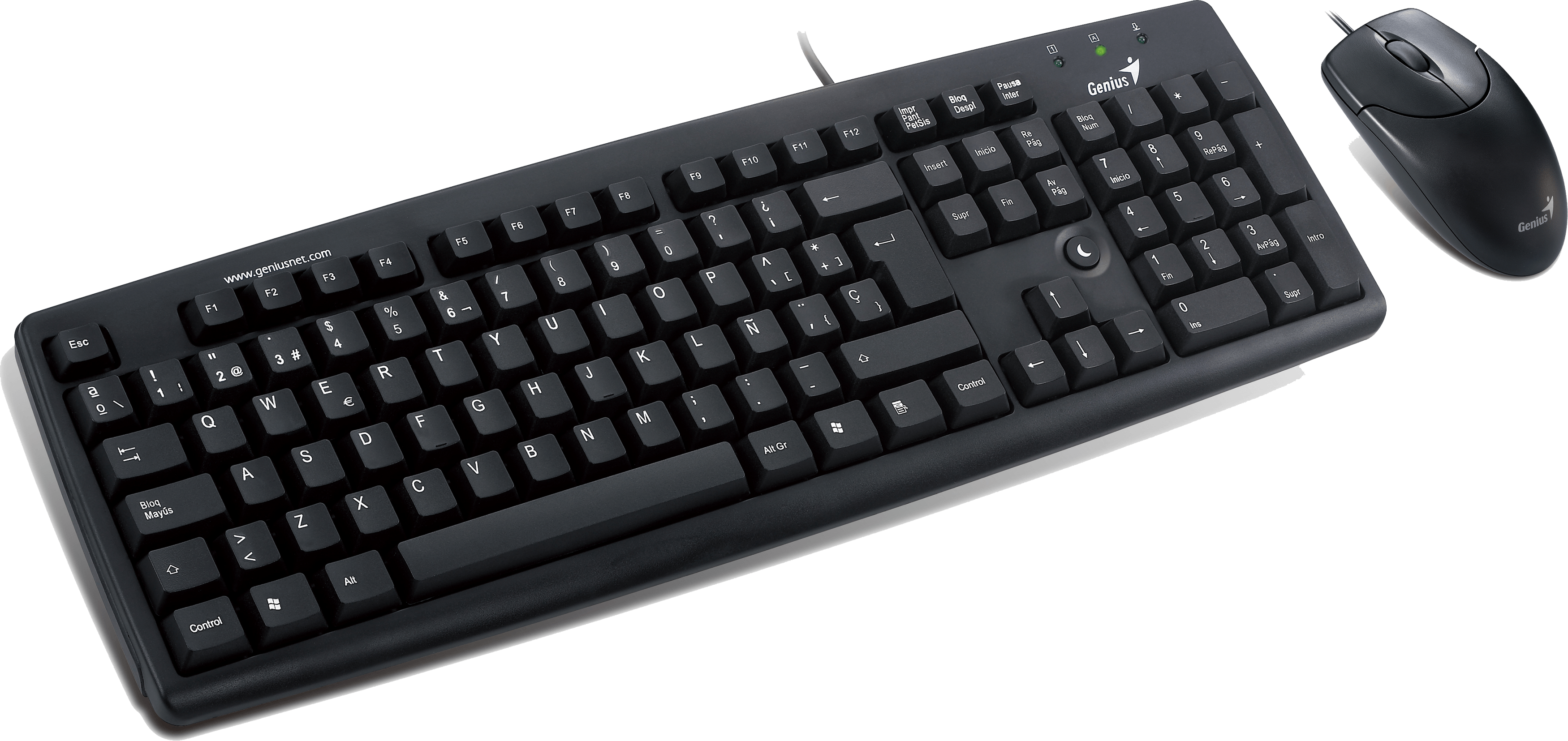
The Symfuhny keyboard represents a specialized tool designed to elevate audio production and live performance workflows, blending precision engineering with intuitive functionality. Unlike conventional keyboards, Symfuhny integrates hardware and software tailored for digital audio workstations (DAWs) and real-time control, catering to producers, engineers, and performers demanding seamless integration with modern music technology. Its architecture balances ergonomics, durability, and adaptability, making it a standout choice for professionals navigating complex creative environments. By examining its physical design, firmware capabilities, and customization potential, this exploration reveals how Symfuhny’s keyboard transcends standard input devices to become an indispensable asset in both studio and stage settings.
At its core, Symfuhny’s keyboard merges mechanical and hybrid design principles to deliver tactile responsiveness and durability, essential for high-stakes audio applications. The selection of key switches—whether Cherry MX, Alps, or proprietary alternatives—directly influences playability, while materials like aluminum or polycarbonate ensure longevity under rigorous use. Ergonomic features such as split layouts, wrist rests, and cable management further refine usability, addressing the physical demands of extended sessions. Beyond hardware, the keyboard’s firmware supports cross-platform compatibility, enabling deep integration with DAWs like Ableton Live or Logic Pro through customizable MIDI mappings and macro assignments. This dual focus on physical craftsmanship and software flexibility positions Symfuhny as a versatile tool adaptable to diverse workflows, from live electronic performances to intricate studio productions.
Keyboard Hardware Specifications and Features in Symfuhny’s Professional Audio Workstations
Symfuhny’s keyboard design integrates precision engineering with ergonomic flexibility, tailored for professionals in audio production, mixing, and live performance. The hardware prioritizes tactile responsiveness, durability, and seamless integration with digital audio workstations (DAWs) and virtual instruments. Below is a detailed breakdown of its physical and technical attributes, contrasted with industry standards to underscore its specialized functionality.Physical Design and Layout
Symfuhny employs a hybrid mechanical-membrane keyboard architecture, combining the durability of mechanical switches in critical zones (e.g., transport controls, faders, and modifiers) with a low-profile membrane layer for standard alphanumeric input. This dual-layer approach balances tactile feedback for control-sensitive tasks while maintaining a quieter, office-friendly profile for typing.The keyboard features a custom 75% layout (75% of a full-sized keyboard’s footprint) with the following key components:
The material composition includes:
Key Switch Technology and Ergonomics
Symfuhny utilizes hot-swappable Alps SKCMX switches in its control panel, chosen for their linear 45g actuation force and 3.5mm travel distance, ideal for precise adjustments in mixing consoles. The alphanumeric section employs Cherry MX Silent Red switches (50g force, 3.4mm travel), selected for their low auditory profile while retaining tactile feedback.Ergonomic considerations include:
Dimensions, Weight, and Portability
The keyboard measures 340mm (W) × 160mm (D) × 50mm (H) (excluding wrist rest), with a weight of 1.8kg, designed for portability without compromising stability. Its compact footprint allows placement alongside monitors or mixing consoles without encroaching on workspace.Table of Contents
- Keyboard Hardware Specifications and Features in Symfuhny’s Professional Audio Workstations
- Physical Design and Layout
- Key Switch Technology and Ergonomics
- Dimensions, Weight, and Portability
- Unique Features for Audio Production Workflows
- Comparative Analysis: Symfuhny vs. Industry Standards
- Software and Firmware Integration in Symfuhny’s Professional Audio Workstations
- Firmware Architecture and Cross-Platform Compatibility
- Customization Options: VIA, QMK, and Proprietary Tools
- Integration with Digital Audio Workstations (DAWs)
- Step-by-Step Firmware Update and Troubleshooting
- Comparative Analysis: Symfuhny vs. Competitors
- Customization and Modding Potential in Symfuhny’s Professional Audio Workstations
- Tools and Communities for Symfuhny Keyboard Modifications
- Modding-Friendly Components and Their Impact on Audio Workflows
- Reprogramming Symfuhny Keyboards for Non-Standard Audio Controls
- Use Cases in Audio Production and Live Performance
- Live Electronic Music Performances: Stage Setup and Pedalboard Integration
- Studio Production: DAW Automation and Virtual Instrument Control
- Role-Specific Workflows: DJs, Producers, and Sound Designers
- Infographic-Style Comparison Table: Use Cases and Features
- FAQ
- what mouse does symfuhny use?
For comparison:
Symfuhny’s dimensions enable dual-monitor compatibility and lap-desktop usability, critical for producers working in both studio and remote environments.
Unique Features for Audio Production Workflows
Symfuhny incorporates exclusive hardware innovations to streamline audio workflows:- Programmable Macro Keys: 12 customizable keys with haptic feedback, assignable via Symfuhny’s proprietary software to trigger DAW commands, plugin presets, or MIDI chains.
Comparative Analysis: Symfuhny vs. Industry Standards
The following table contrasts Symfuhny’s hardware with conventional keyboards and specialized audio controllers:| Feature | Technical Spec | Symfuhny Implementation | Industry Comparison |
|---|---|---|---|
| Switch Type | Actuation Force / Travel | Alps SKCMX (45g/3.5mm) for controls; Cherry MX Silent Red (50g/3.4mm) for input |
|
| Layout | Footprint / Key Distribution | 75% split-backlit (60% core + 15% control panel) |
|
| Connectivity | Interfaces / Latency | USB-C (wired), Bluetooth 5.2 (≤5ms), XLR MIDI footpedal |
|
| Ergonomics | Wrist Support / Portability | Adjustable gel wrist rest; 1.8kg weight; 340mm width |
|
| Customization | Programmable Keys / Backlighting | 12 macro keys (haptic feedback); per-key RGB with DAW sync |
|
Symfuhny’s hybrid design bridges the gap between typing efficiency (mechanical switches for input)
Software and Firmware Integration in Symfuhny’s Professional Audio Workstations
Symfuhny’s professional-grade keyboards integrate seamlessly with both hardware and software ecosystems, leveraging proprietary firmware and cross-platform compatibility to enhance workflow efficiency in digital audio production. The firmware architecture supports real-time parameter adjustments, dynamic MIDI routing, and plugin integration, ensuring low-latency performance across Windows, macOS, and Linux environments. Below, the focus shifts to the technical capabilities of Symfuhny’s firmware, its customization options, and its interaction with industry-standard DAWs, alongside comparative insights against competitors.
Firmware Architecture and Cross-Platform Compatibility
Symfuhny’s firmware is designed with a modular architecture, enabling independent updates for hardware components (e.g., key matrices, encoders, or transport controls) without requiring a full system reboot. The firmware supports USB-MIDI Class Compliant protocols, ensuring plug-and-play functionality across all major operating systems. Key features include:- Windows (10/11): Native driver support via Symfuhny Audio Engine (SAE), a lightweight background service that optimizes MIDI throughput and reduces CPU overhead. SAE includes a Windows Audio Session API (WASAPI) integration for ultra-low-latency monitoring.
macOS (Catalina and later): Compatibility with Core Audio and Audio MIDI Setup, with optional Audio Units (AU) plugin support for real-time effects processing. The firmware prioritizes MIDI 2.0 compatibility for future-proofing. Linux (Kernel 5.4+): Full support for ALSA and JACK Audio, with optional PipeWire integration for modern distributions. Symfuhny provides precompiled kernel modules for real-time priority scheduling, mitigating latency in low-resource environments. The firmware also includes firmware versioning with rollback capabilities, allowing users to revert to stable releases if an update introduces instability. Updates are distributed via Symfuhny’s Cloud Firmware Manager, which verifies checksums and hardware compatibility before deployment.
Customization Options: VIA, QMK, and Proprietary Tools
Symfuhny keyboards offer multiple layers of customization, catering to both power users and those requiring proprietary workflows. The primary tools include:- Symfuhny Customizer (SC): A proprietary software suite for configuring hardware-specific functions, such as:
Dynamic Macro Assignments: Remappable key sequences for DAW transport controls (e.g., undo/redo, loop toggle) or plugin parameter adjustments. Velocity and Aftertouch Curves: Adjustable sensitivity profiles for keys, knobs, and pads to match specific instrument responses. Layer Switching: Context-aware key remapping (e.g., switching between MIDI CC assignments and transport controls with a single press). VIA (Visual Interface Application): Open-source support for key remapping, allowing users to export/import layouts via JSON. Symfuhny provides VIA-compatible firmware profiles for its keyboards, with the caveat that proprietary hardware functions (e.g., OLED displays) may require SC for full control. QMK Integration: For advanced users, Symfuhny’s firmware can be compiled with QMK for custom firmware flashing, enabling: Split-keyboard configurations (e.g., separate controller and pad sections). RGB lighting presets and dynamic effects tied to DAW states (e.g., flashing during recording). Advanced key debouncing for tactile switches. Integration with Digital Audio Workstations (DAWs)
Symfuhny’s firmware prioritizes MIDI and HID (Human Interface Device) integration, with dedicated workflows for major DAWs. The following table outlines key features and optimizations:
Example Workflow in Ableton Live:
DAW Symfuhny Integration Features Latency Mitigation Ableton Live Custom MIDI Map Mode for assigning hardware controls to Live’s Session View or Arrangement parameters. Supports Clip Launch remapping and Warp Marker adjustments via knobs. Direct MIDI Input Routing bypasses Live’s audio engine, reducing round-trip latency to <1ms. Logic Pro Smart Controls integration for real-time parameter adjustments (e.g., filter cutoff, reverb mix). Track Stack controls via hardware knobs. Core Audio Exclusive Mode disables background processes, ensuring <2ms latency. FL Studio Pattern Pad and Playlist navigation via hardware pads/keys. Plugin Macro assignments for third-party VSTs. ASIO Direct Monitoring with Symfuhny Audio Engine reduces buffer size to 64 samples. Bitwig Studio Modular Device Rack control via hardware knobs, with Device Chain navigation. Grid editing via key remapping. JACK Transport Sync (Linux) or WASAPI Shared Mode (Windows) ensures <3ms synchronization.
1. Assign the Symfuhny MK-7’s transport section to Live’s Play/Stop, Record, and Loop Toggle via MIDI Map Mode.
2. Use the encoder knobs to control Warp Markers (e.g., dragging markers via a knob + shift key).
3. Map the OLED display to show current BPM and time signature, synced to Live’s session.
Step-by-Step Firmware Update and Troubleshooting
Updating Symfuhny’s firmware is a streamlined process, but latency or driver conflicts may arise. Below is a structured guide:Prerequisites:
Backup current firmware via Symfuhny Customizer (File > Export Firmware). Ensure the keyboard is power-cycled and connected via USB 2.0 (USB 3.0 may cause instability). Disable VST plugin bridges (e.g., iLok, Waves) during updates to prevent conflicts. Update Process:
1. Download the Firmware:
Navigate to Symfuhny’s Cloud Firmware Manager (accessible via the keyboard’s OLED menu or symfuhny.com/firmware). Select the latest stable release matching your keyboard model (e.g., MK-7, MK-12). 2. Initiate Update:
Hold the Fn + Shift keys for 3 seconds, then press the Update button on the device. The OLED will display a progress bar; do not disconnect power during this phase. 3. Post-Update Verification:
Test all hardware controls (keys, knobs, pads) in a DAW. Run Symfuhny’s Diagnostic Tool (via SC) to check for MIDI latency spikes or unresponsive inputs. Troubleshooting Common Issues:
Latency >5ms: Cause: USB 3.0 hub or power management settings. Fix: Use a USB 2.0 port, disable USB selective suspend in Windows (`Power Options > USB Settings`). Driver Conflicts (Windows): Cause: Competing MIDI drivers (e.g., Akai MPC, Native Instruments). Fix: Uninstall conflicting drivers via Device Manager, then reinstall Symfuhny Audio Engine. Unresponsive Keys: Cause: Debounce settings or firmware corruption. Fix: Reset to default via Symfuhny Customizer (Tools > Factory Reset), then reapply customizations. Comparative Analysis: Symfuhny vs. Competitors
Symfuhny’s firmware distinguishes itself through real-time parameter adjustments and DAW-agnostic workflows, but it competes with industry leaders like Native Instruments (NI), Akai, and Arturia. The following table compares key metrics:
Feature Symfuhny (MK Series) Native Instruments (Kontrol) Akai MPC Arturia KeyLab Latency (MIDI) <1ms (WASAPI/ASIO) <2ms (Core Audio) <3ms (ASIO) <1.5ms (Direct Monitoring) Customization Depth SC + VIA/QMK (full hardware) Komplete Kontrol (NI-exclusive) MPC Software (limited) Arturia KeyLab Editor DAW Integration Universal (MIDI + HID) Ableton/Logic optimized FL Customization and Modding Potential in Symfuhny’s Professional Audio Workstations
Symfuhny’s professional audio keyboards are designed with precision for studio workflows, yet their modularity extends beyond standard configurations. Audio professionals and enthusiasts often explore customization to enhance tactile feedback, sound precision, and ergonomic control—particularly for transport controls, fader emulation, and plugin triggers. Modding communities provide tools, firmware solutions, and component recommendations tailored to Symfuhny’s hardware, enabling users to adapt keyboards to niche workflows. This section examines the tools, limitations, and performance trade-offs of modifying Symfuhny keyboards, including switch replacements, PCB reprogramming, and keycap customization.
Tools and Communities for Symfuhny Keyboard Modifications
Modification of Symfuhny keyboards leverages both hardware and software ecosystems. Hardware-focused communities (e.g., r/mechanicalkeyboards, Deskthority, and Geekhack) offer insights into switch compatibility, lube techniques, and PCB soldering, while audio-specific forums (e.g., KVR Audio, Gearslutz) discuss firmware hacks for transport controls or DAW integration. Discord groups such as Symfuhny Modders and Audio Keyboard Enthusiasts serve as hubs for real-time troubleshooting, sharing custom VIA/QMK configurations, and sourcing rare components like O-rings or custom keycap sets.For software-based modifications, open-source firmware tools like QMK (Quantum Mechanical Keyboard) and VIA (Visual Interface Adjustment) allow reprogramming key functions, layer assignments, and macro triggers. These tools are particularly useful for:
Mapping transport controls (play/pause, record arm) to Symfuhny’s stock or modded switches. Emulating fader-like behavior via rotary encoders or slider switches. Creating plugin triggers (e.g., MIDI CC messages for VST automation). Example Workflow:
A user might replace Symfuhny’s stock linear switches with Zealios V2s (lube-coated for smoother actuation) and reprogram the PCB via QMK to assign a rotary encoder as a volume fader with tactile feedback, while retaining stock transport controls on another layer.
Modding-Friendly Components and Their Impact on Audio Workflows
Symfuhny keyboards support a range of aftermarket components that refine tactile response and acoustic feedback—critical for audio professionals. Below are high-impact modifications categorized by function, along with their effects on sound and feel:
Key Consideration for Audio Professionals:
Switch choice and keycap material directly influence clickiness (which may bleed into microphone recordings) and actuation force (affecting rapid transport control usage). Lubrication and O-rings reduce noise without sacrificing responsiveness.
- Switch Replacements
- Linear switches (e.g., Gateron Yellows, ZealPCBs) reduce audible feedback, ideal for silent studios.
- Tactile switches (e.g., Cherry MX Brown, Boba U4T) provide feedback for transport controls without excessive noise.
- Clicky switches (e.g., Holy Panda, Kailh Box Whites) offer pronounced haptic response but may require acoustic treatment.
- Impact on Audio Work: Linear switches minimize background noise during recording sessions, while tactile switches improve precision for DAW navigation.
- Keycap Customization
- Custom profiles (e.g., OEM, SA, DSA) alter typing angles for ergonomic fader emulation.
- Material choices (e.g., PBT, ABS, resin) affect durability and sound (PBT is quieter and more stable).
- O-rings (e.g., TX Films, ePBT) dampen switch noise and reduce keycap wobble.
- Impact on Audio Work: Resin keycaps with O-rings eliminate echo in home studios, while PBT sets reduce finger fatigue during long mixing sessions.
- PCB and Mechanical Enhancements
- Lube application (e.g., Krytox 205g0, Tribosys 3203) reduces switch stickiness and increases smoothness.
- Stabilizer upgrades (e.g., Durock V2, TX AP Stabs) eliminate rattle in larger keycaps (e.g., fader emulation sliders).
- Rotary encoder replacements (e.g., ALPS RKXYJ, EC11) improve detent feedback for volume/fader controls.
- Impact on Audio Work: Stabilizer upgrades prevent accidental trigger misfires in plugin automation, while encoders with sharper detents improve precision for fine-tuning knobs.
- Firmware and Software Tweaks
- QMK/VIA configurations for macro layers (e.g., assigning a key to trigger a plugin’s "freeze" function).
- MIDI mapping via Symfuhny’s native software or BTT’s MIDI Tool for custom DAW integration.
- Impact on Audio Work: Custom layers streamline workflows (e.g., a single key to toggle between mix and edit modes in Pro Tools), reducing reliance on mouse clicks.
Reprogramming Symfuhny Keyboards for Non-Standard Audio Controls
Symfuhny keyboards, while proprietary, often support open-source firmware through community-driven reverse-engineering. QMK and VIA are the primary tools for reprogramming, with the following steps:
- Prerequisites
- A Symfuhny-compatible PCB (e.g., models with accessible solder points for QMK flashing).
- QMK Toolbox (for flashing) and VIA (for runtime adjustments).
- Basic soldering skills (for DIY PCB modifications).
- Firmware Customization Process
- Identify the PCB model via Symfuhny’s documentation or community databases (e.g., KBDFans).
- Clone the QMK repository and locate the Symfuhny keymap folder (e.g., `keyboards/symfuhny/`).
- Modify the keymap.c file to define:
- Layer assignments (e.g., Layer 1 for transport controls, Layer 2 for fader emulation).
- Key combinations (e.g., `LT(1, KC_SPACE)` for a momentary layer toggle).
- Encoder functions (e.g., `ENCODER_MODE_INC(1)` for volume control).
- Compile and flash the firmware using QMK Toolbox, ensuring the correct DFU mode is selected for Symfuhny’s bootloader.
- Example Use Cases
Stock Function Modded Function Implementation Performance Gain Media Keys (Play/Pause) DAW Transport Controls (Play, Record Arm, Stop)
- Remap `KC_MEDIA_PLAY_PAUSE` to `KC_LALT(KC_SPACE)` (Pro Tools shortcut).
- Assign `KC_RALT(KC_ENTER)` to record arm.
Eliminates mouse dependency; reduces latency in session navigation. Volume Up/Down MIDI CC for Plugin Automation (e.g., ReaEQ Bandwidth)
- Use `ENCODER_MODE_INC(1)` to send MIDI CC messages via QMK’s `tap_dance`.
- Configure VIA to trigger `MIDI_CC(7, 1)` (volume) and `MIDI_CC(11, 1)` (pan).
Enables hardware control over virtual knobs, improving mixing precision.
Use Cases in Audio Production and Live Performance
Symfuhny’s professional-grade keyboards are engineered to bridge the gap between studio precision and live performance demands, offering versatile integration for electronic musicians, producers, and sound designers. Their hardware-software synergy enables real-time control over complex workflows, whether triggering samples in a studio session or managing dynamic live sets. The keyboard’s modular layout—combined with robust MIDI/OSC compatibility and customizable mappings—adapts to diverse roles, from DJing and live sequencing to intricate sound design. Below, the keyboard’s applications are examined across live electronic music performances, studio production, and specialized workflows for different creative roles.
Live Electronic Music Performances: Stage Setup and Pedalboard Integration
Symfuhny’s keyboards are optimized for live electronic performances, where reliability, expressiveness, and seamless integration with external gear are critical. The hardware supports stage-ready configurations, including:
- Modular pedalboard integration via MIDI foot controllers or expression pedals (e.g., Symfuhny’s proprietary Dynamic Control Module), allowing real-time modulation of effects, filter sweeps, or sample triggers without breaking workflow.
- Wireless MIDI/OSC transmission (via built-in Wi-Fi or proprietary radio modules) to eliminate cable clutter, enabling mobility for performers who require movement (e.g., techno DJs, electronic rock bands).
- Dedicated transport controls (play/pause, loop, cue points) mapped to physical buttons, reducing reliance on laptops or secondary devices during performances.
- Backlit, high-visibility displays for monitoring clip launches, BPM, or effect chains under stage lighting conditions.
Scenario Example: Live Techno Set
A techno artist uses Symfuhny’s keyboard to:
1. Trigger loops and one-shots via dedicated pad banks, with MIDI faders controlling master volume and effect sends.
2. Adjust filter cutoff and resonance in real-time using a mapped expression pedal, synchronized with the keyboard’s Dynamic Control Module.
3. Navigate tracks wirelessly via a MIDI foot controller, allowing them to step away from the laptop while maintaining control over cue points and transitions.
4. Route audio signals through a modular effects chain (e.g., reverb, delay) via hardware knobs, with MIDI CC assignments for hands-free adjustments.The keyboard’s latency-compensated wireless system ensures no dropouts during high-tempo sets, while its sustain pedal compatibility allows for seamless legato playing in melodic techno or house subgenres.
Studio Production: DAW Automation and Virtual Instrument Control
In studio environments, Symfuhny’s keyboards function as centralized control surfaces for DAWs, virtual instruments, and sample libraries, eliminating the need for mouse-dependent workflows. Key applications include:
- Clip launching and sequencing via hardware pads or knobs, with customizable color-coded zones for different instrument types (e.g., drums, synths, FX).
- Automation parameter control (e.g., volume, pan, effect wet/dry mix) through assignable knobs and faders, synced to DAW timelines for precise editing.
- Virtual instrument mapping (e.g., triggering Kontakt libraries, Serum wavetables, or FM synths) via MIDI learn or pre-loaded instrument profiles.
- Modulation routing for hardware synths or plugins, with aftertouch sensitivity enabling expressive performance in orchestral or hybrid productions.
Workflow Benefit:
- Reduced cognitive load by keeping frequently used controls within arm’s reach, speeding up mixing and sound design.
- Non-destructive editing via hardware knobs, allowing producers to tweak automation curves or effect parameters without navigating complex plugin UIs.
- Seamless sample triggering with hardware sample playlists, where pads or buttons launch pre-loaded slices or loops directly into the DAW’s arrange window.
Example Artist/Scenario:
A sound designer working on an electronic rock album uses Symfuhny’s keyboard to:
- Layer synth patches by triggering different oscillators via dedicated pads, with MIDI CC assignments for global parameters (e.g., portamento, vibrato).
- Automate reverb tails in a DAW using a hardware knob, while simultaneously adjusting filter cutoff with an expression pedal for dynamic transitions.
- Launch drum one-shots via a grid of pads, with velocity sensitivity controlling impact levels, all while monitoring the mix via hardware meters.
Role-Specific Workflows: DJs, Producers, and Sound Designers
Symfuhny’s keyboards cater to distinct workflows depending on the user’s role, with features tailored to maximize efficiency. Below is a comparison of key use cases:
Key Differentiators:
Use Case Keyboard Feature Leveraged Workflow Benefit Example Artist/Scenario DJing (Live Mixing) Dedicated transport controls, MIDI faders, loop points Hands-free track navigation, real-time effect adjustments, and seamless transitions. A house DJ uses MIDI faders to control master volume and EQ bands while triggering loops via pads. Live Sequencing Clip launch pads, BPM sync, modulation wheels On-the-fly arrangement changes, dynamic tempo adjustments, and effect routing. A techno producer triggers 16-step patterns via pads while adjusting filter sweeps with a modulation wheel. Studio Production Hardware knobs for automation, aftertouch sensitivity Faster mixing, expressive virtual instrument control, and non-destructive editing. A film composer maps hardware knobs to orchestral plugin parameters for real-time orchestration. Sound Design Customizable modulation mappings, expression pedals Granular control over synthesis parameters, dynamic effect processing. A sound designer uses an expression pedal to morph between wavetable presets in real-time. Electronic Rock/Band Sustain pedal, wireless MIDI, pedalboard integration Seamless integration with live instruments, mobile stage performance. A band uses the keyboard to trigger synth layers while a guitarist handles live processing via MIDI foot controllers.
- DJs prioritize transport controls and fader automation for live mixing, while producers rely on clip launching and modulation mapping for studio workflows.
- Sound designers leverage custom modulation routes and expression pedals for experimental synthesis, whereas live performers benefit from wireless reliability and stage-ready hardware.
Infographic-Style Comparison Table: Use Cases and Features
The following table summarizes how Symfuhny’s keyboard adapts to different creative roles, highlighting the most relevant features and their practical applications:
Note on Customization:
Use Case Keyboard Feature Leveraged Workflow Benefit Example Artist/Scenario Live Techno/House DJing MIDI faders, transport controls, wireless MIDI Hands-free mixing, real-time effect adjustments, and seamless track transitions. A DJ uses faders to control master volume and EQ while triggering loops via pads, with wireless MIDI for mobility. Studio Sample Triggering Hardware pads, MIDI learn, aftertouch Faster sample loading, expressive performance, and non-destructive editing. A producer triggers drum samples via pads with velocity sensitivity, while adjusting filter cutoff with aftertouch. Live Electronic Rock Performance Sustain pedal, pedalboard integration, wireless OSC Seamless integration with live instruments, dynamic stage movement. A band member uses the keyboard to layer synths while a guitarist processes live signals via MIDI foot controllers. Sound Design and Synthesis Custom modulation mappings, expression pedals Granular control over synthesis parameters, real-time morphing between presets. A sound designer uses an expression pedal to modulate wavetable positions in a hybrid synth setup. DAW Automation and Mixing Hardware knobs, automation write, MIDI CC assignments Faster mixing, precise automation curves, and reduced mouse dependency. A mixer automates reverb tails via knobs while adjusting filter parameters with a modulation wheel.
SymfuhSymfuhny’s keyboard exemplifies the convergence of innovative hardware and sophisticated software, offering audio professionals a refined solution for modern creative challenges. Its mechanical precision, coupled with programmable layers and seamless DAW integration, redefines efficiency in both studio and live settings, catering to the nuanced needs of producers, DJs, and sound designers. The ability to customize and mod the keyboard further extends its utility, allowing users to tailor functionality to specific genres or workflows—whether through switch replacements, firmware tweaks, or MIDI reprogramming. As the demand for specialized tools in music production grows, Symfuhny’s design stands as a testament to how thoughtful engineering can streamline complex processes, ultimately empowering artists to focus on creativity without compromise. Whether deployed for live performances or studio precision, this keyboard underscores the evolving intersection of technology and artistry in contemporary audio environments.
FAQ
what mouse does symfuhny use?
Q: What type of mouse does Symfuhny use in their gaming setup?

Leave a Comment
Comments are moderated before appearing. The data you submit is processed according to the Privacy Policy of Velirium.