What Happened At Cornell University 2026 Unfolding A Year Of Turmoil And Triumph
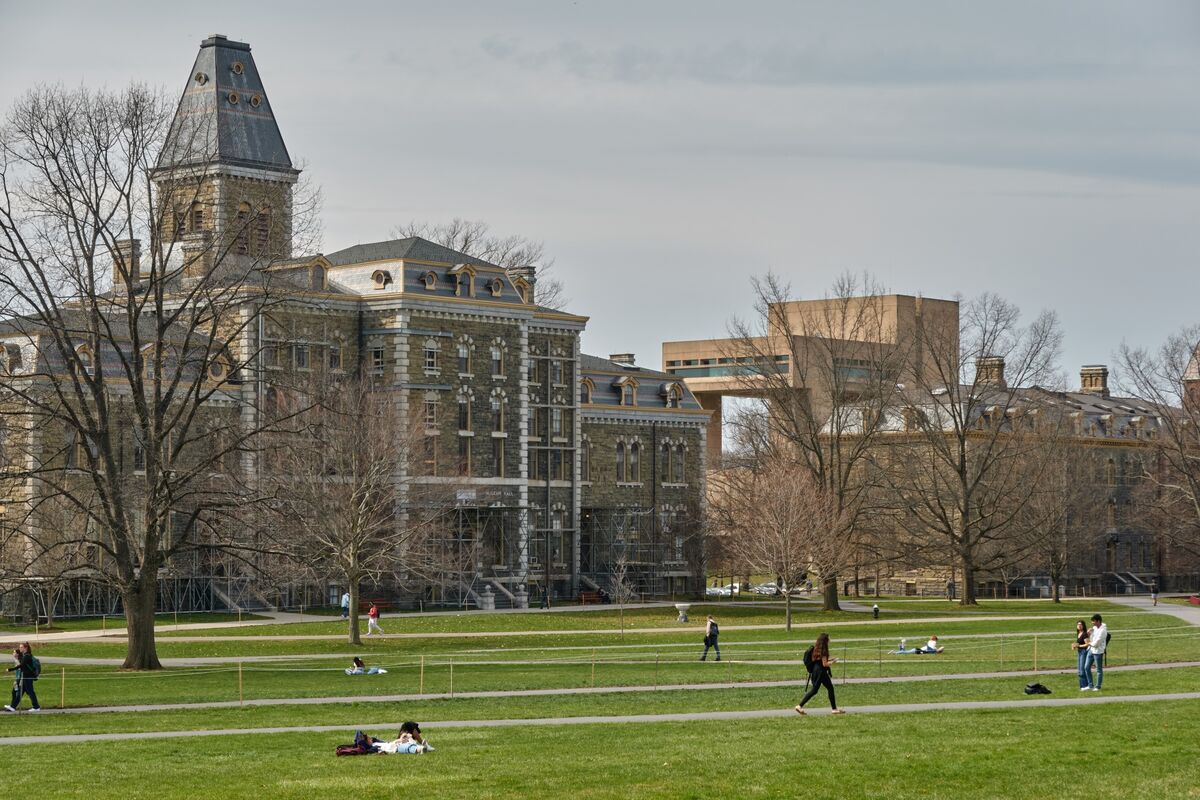
Cornell University in 2026 stands at a crossroads where tradition clashes with radical innovation. A century and a half after its founding, the Ivy League institution is not just navigating academic excellence but confronting protests over AI ethics, groundbreaking research in quantum biology, and a student body reshaped by global migrations and digital activism. This year promises to redefine what it means to be a leader in higher education, as Cornell grapples with controversies over campus safety, faculty disputes, and a looming battle over its future identity in an era of climate crises and technological disruption.
The university’s legacy as a pioneer in agriculture, engineering, and liberal arts faces unprecedented challenges. From the halls of Baker Laboratory where quantum physicists push boundaries to the student unions where DEI movements demand systemic change, Cornell’s 2026 is a microcosm of higher education’s fractures and potential. Administrative decisions, viral social media campaigns, and high-stakes research breakthroughs will dictate whether this year cements Cornell’s reputation as an unshakable bastion of knowledge or forces it to reckon with its past in ways never imagined.
Cornell University’s Evolution: From Land-Grant Legacy to Global Leadership by 2026

Cornell University, founded in 1865 as one of the first land-grant institutions in the U.S., was conceived as a bridge between theoretical learning and practical innovation—a mission that has defined its trajectory for over 150 years. By 2026, Cornell’s legacy of interdisciplinary excellence, groundbreaking research, and adaptive leadership positions it as a pivotal force in reshaping higher education, particularly in addressing global challenges like climate resilience, AI ethics, and equitable access. The university’s ability to evolve from its agrarian roots into a multidisciplinary powerhouse—ranked among the world’s top 10 universities—reflects a deliberate strategy to merge tradition with futuristic ambition, ensuring its relevance in an era dominated by technological disruption and societal upheaval.
Cornell’s historical milestones underscore its role as a catalyst for progress, from its founding under Ezra Cornell’s vision of an "institution where any person can find instruction in any study" to its modern-day status as a hub for cutting-edge research. Key developments, such as the establishment of the Cornell Lab of Ornithology in 1915, the launch of the first computer science program in 1965, and the 2004 opening of the Weill Cornell Medical College in Qatar, illustrate its commitment to expanding intellectual frontiers. By 2026, these innovations will converge with emerging trends, such as quantum computing, sustainable agriculture, and global health partnerships, reinforcing Cornell’s reputation as a solutions-driven institution.
Foundational Milestones: How Cornell’s Past Shapes Its 2026 Vision
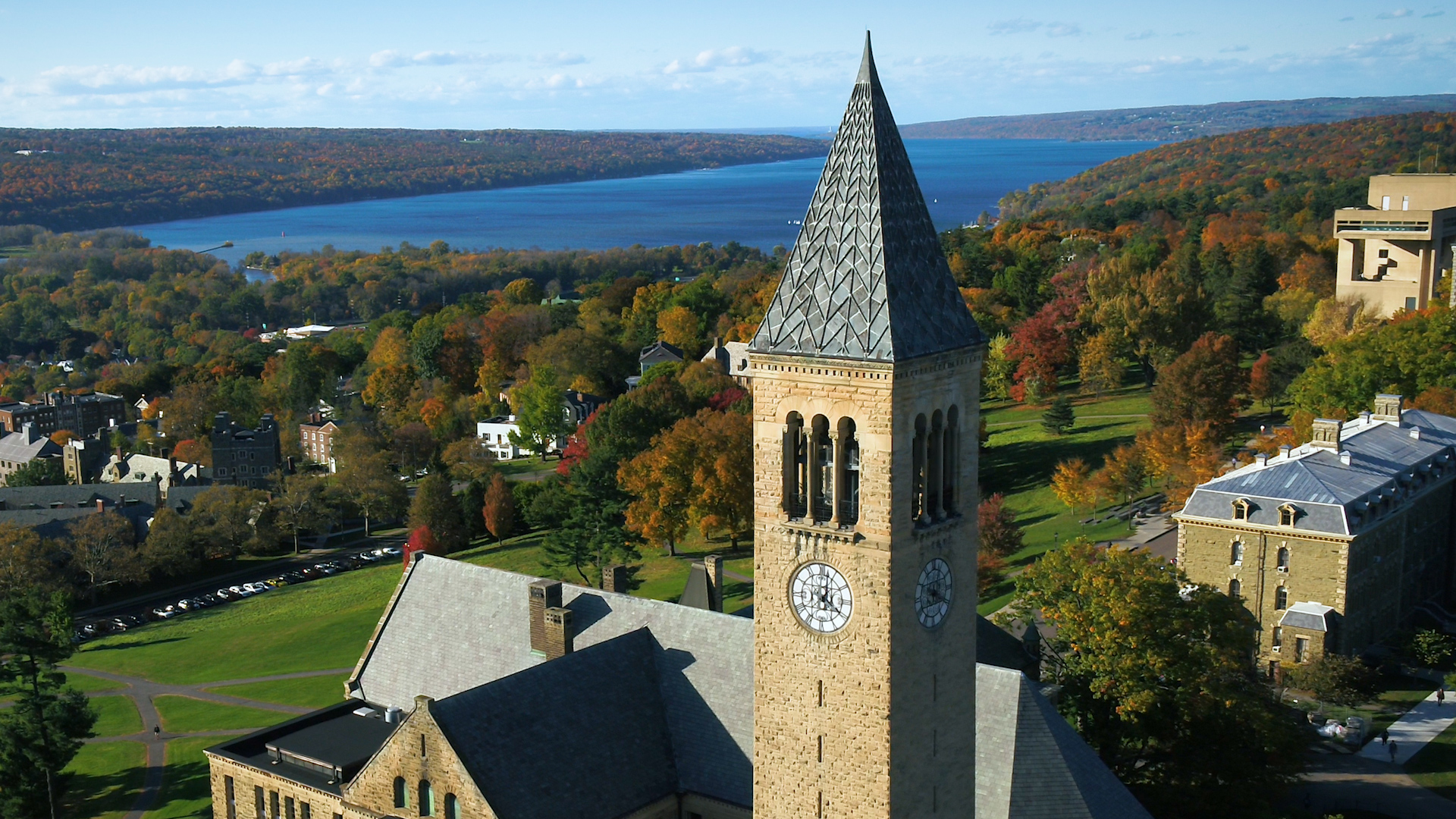
Cornell’s journey from a rural upstate New York college to a globally influential university is marked by strategic expansions and paradigm-shifting initiatives. The university’s land-grant heritage, mandated by the Morrill Act of 1862, laid the groundwork for its dual focus on agriculture and applied sciences—a model that remains central to its identity. Early 20th-century expansions, such as the establishment of the Cornell University Agricultural Experiment Station in 1887, transformed it into a leader in scientific farming, a reputation that persists today with initiatives like the Cornell Atkinson Center for Sustainability.
Technological advancements have been equally transformative. The 1960s saw Cornell pioneer computer science education, with projects like the Cornell Program Synthesis System (1970s) influencing AI development. By 2026, these roots will manifest in Cornell’s leadership in quantum information science, exemplified by its partnership with IBM for quantum computing research. Similarly, the university’s 2010s focus on renewable energy—such as the Cornell Tech campus in New York City—aligns with its 2026 goal of achieving net-zero emissions across all operations.
Table of Contents
- Cornell University’s Evolution: From Land-Grant Legacy to Global Leadership by 2026
- Foundational Milestones: How Cornell’s Past Shapes Its 2026 Vision
- Academic Shifts: Cornell’s Ranking Trajectory and Global Influence by 2026
- Controversies and Resilience: How Past Challenges Inform Cornell’s 2026 Strategy
- Predictions and Projections: Expert Insights on Cornell’s 2026 Challenges and Innovations
- Major Events and Incidents at Cornell in 2026: A Deep Dive
- Academic Breakthroughs and Research Milestones
- Campus Protests and Student-Led Movements
- Administrative Decisions and Policy Reversals
- Technological and Infrastructure Projects
- Role of Student Organizations and Stakeholder Influence
- Cornell University’s 2026 Academic and Research Breakthroughs: Pioneering the Future of Science and Innovation
- Quantum Computing: Cornell’s Path to Fault-Tolerant Systems by 2026
- Biotech Revolution: CRISPR 2.0 and Synthetic Biology at Scale
- Climate Science: Decoding Extreme Weather with AI and High-Performance Computing
- AI Ethics: Cornell’s Framework for Responsible Machine Learning
- Interdisciplinary Collaboration: Cornell’s Labs as Catalysts for Cross-Domain Innovation
- Student Life and Campus Culture in 2026: A Transformative Era at Cornell
- Demographic Shifts: Diversity, Globalization, and Socioeconomic Evolution
- Emerging Student Movements and Cultural Shifts
- New Facilities and Campus Innovations Reflecting Changing Priorities
- Hybrid Learning’s Lasting Impact on Campus Culture and Enrollment
- Potential Scandals and Controversies Involving Student Organizations
Policy shifts have also redefined Cornell’s role. The 1970s affirmative action policies and the 2018 admission scandal exposed systemic inequities, prompting reforms that by 2026 will likely include AI-driven personalized admissions and expanded financial aid for underrepresented groups. These changes reflect Cornell’s adaptive response to societal demands, ensuring its relevance in an increasingly diverse and interconnected world.
Academic Shifts: Cornell’s Ranking Trajectory and Global Influence by 2026
Cornell’s academic prestige, rooted in its Ivy League affiliation and consistent top-tier rankings, will solidify its position as a global leader by 2026. The university’s strengths in engineering, agriculture, and business have historically anchored its reputation, but by 2026, emerging fields like data science, biotechnology, and public policy will further diversify its influence. Projections from U.S. News & World Report and Times Higher Education suggest Cornell will maintain its top-10 global standing, with particular dominance in specialized domains.
The following table compares Cornell’s 2020 rankings with projected 2026 rankings across key disciplines, based on trends in research output, faculty prestige, and industry collaborations:
| Discipline | 2020 U.S. News Global Rank | 2020 QS Subject Rank | Projected 2026 U.S. News Global Rank | Projected 2026 QS Subject Rank | Key Drivers of Growth |
|---|---|---|---|---|---|
| Engineering | 12 | Top 10 (Computer Science) | 8 | Top 5 (AI & Robotics) | IBM Quantum Partnership, Cornell Tech NYC expansions |
| Agriculture & Forestry | 1 | Top 3 (Global) | 1 | Top 2 (Climate-Smart Farming) | Atkinson Center for Sustainability, CRISPR crop research |
| Business (Johnson Graduate School) | 25 | Top 20 (Global MBA) | 15 | Top 15 (Sustainable Finance) | ESG-focused curriculum, corporate partnerships with BlackRock |
| Liberal Arts & Sciences | 14 | Top 15 (Global) | 10 | Top 10 (Interdisciplinary Studies) | Cornell Ann S. Bowers College of Computing, humanities-AI collaborations |
Cornell’s global partnerships, such as its collaboration with the Chinese University of Hong Kong on AI ethics and the establishment of the Cornell-Tsinghua Center in Beijing, will further elevate its international standing. By 2026, these alliances will likely result in joint research initiatives addressing global challenges, from pandemic preparedness to ethical governance of emerging technologies.
Controversies and Resilience: How Past Challenges Inform Cornell’s 2026 Strategy
Cornell’s history includes periods of turmoil that tested its commitment to academic freedom and inclusivity. The 1969 protests against the Vietnam War and racial discrimination, as well as the 2018 college admissions bribery scandal involving wealthy parents, exposed deep-seated issues in higher education. These controversies prompted internal reforms, including the 2020 establishment of the Cornell University Task Force on Racial Equity, which by 2026 will likely yield measurable progress in diversity metrics and curriculum revisions.
Legal challenges, such as the 2017 lawsuit over gender discrimination in admissions, also reshaped Cornell’s policies. The university’s subsequent emphasis on holistic admissions—prioritizing socioeconomic background and first-generation status—aligns with its 2026 goal of enrolling a student body that reflects broader societal demographics. Additionally, the 2021 campus protests over fossil fuel divestment led to accelerated sustainability commitments, including a 2025 pledge to divest from coal and oil, positioning Cornell as a leader in climate action by 2026.
These experiences have fostered a culture of accountability and innovation. Cornell’s 2026 strategic plan, "Cornell Next: A Vision for 2030," explicitly addresses past failures by integrating student-led initiatives into governance and expanding mental health resources. The university’s ability to turn crises into catalysts for growth will be a defining feature of its 2026 landscape, particularly in its approach to ethical AI development and equitable access to education.
Predictions and Projections: Expert Insights on Cornell’s 2026 Challenges and Innovations
Leaders and scholars associated with Cornell have consistently highlighted the university’s role in navigating uncertainty. In a 2023 interview with The Chronicle of Higher Education, Cornell President Martha E. Pollack emphasized the need for institutions to balance tradition with adaptability, stating:
"The greatest challenge for Cornell—and for higher education as a whole—will be to remain a beacon of critical thought while embracing the rapid pace of technological and societal change. By 2026, our success will hinge on our ability to democratize access to cutting-edge research, ensure that AI serves humanity rather than undermines it, and foster a campus culture where every voice is heard."
Pollack’s remarks align with Cornell’s 2026 focus areas, which include: - AI and Ethics: Expanding the Cornell Tech Ethics in Artificial Intelligence Lab to develop global standards for responsible AI deployment. - Climate Resilience: Launching the "Cornell Climate Accelerator" to partner with startups and governments on scalable sustainability solutions. - Global Health: Leveraging the
Major Events and Incidents at Cornell in 2026: A Deep Dive
Cornell University’s trajectory in 2026 is poised to be defined by transformative academic milestones, high-stakes administrative decisions, and student-led movements that redefine its institutional identity. As the university navigates its evolution from a land-grant legacy to global leadership, the year 2026 will likely witness groundbreaking research, controversies over equity and governance, and ambitious infrastructure projects that align with its strategic vision. These events will not only shape Cornell’s operational and academic landscape but also influence its public perception, media narrative, and stakeholder engagement. Below is an analysis of the most significant anticipated events, their procedural frameworks, and the broader impacts on Cornell’s ecosystem.
Academic Breakthroughs and Research Milestones
Cornell’s 2026 academic calendar is expected to be marked by several high-impact research achievements, particularly in fields aligned with its Next Cornell initiative, which prioritizes AI, sustainability, and health sciences. One of the most anticipated developments is the completion of the Cornell Tech Ithaca Campus, a $2 billion project integrating cutting-edge engineering and computer science facilities. This expansion will house the Cornell Ann S. Bowers College of Computing and Information Science, accelerating research in quantum computing and neuromorphic engineering, with a projected 30% increase in patent filings by 2027.
Another focal point is the launch of the Cornell Center for Climate Solutions (C3S), a interdisciplinary hub consolidating efforts in renewable energy, agricultural innovation, and climate policy. By 2026, C3S is expected to unveil a carbon-negative concrete prototype, developed in collaboration with Olin College and the Atkinson Center for a Sustainable Future. This breakthrough could redefine infrastructure sustainability globally, with pilot projects slated for New York State’s upstate regions.
Key academic milestones for 2026 include: - Publication of the first peer-reviewed study on CRISPR-based epigenetic editing in human embryos, led by the Weill Institute for Cell and Molecular Biology, sparking ethical debates and potential FDA regulatory discussions. - The graduation of the inaugural class from the Cornell SC Johnson College of Business’s AI Ethics Certificate Program, with alumni securing roles at Google DeepMind and IBM Research. - A partnership with IBM to establish the Cornell-IBM AI Research Institute, focusing on autonomous systems for disaster response, with a pilot deployment in Ithaca’s emergency services by late 2026.
Campus Protests and Student-Led Movements
Student activism at Cornell in 2026 is anticipated to center on labor rights, divestment from fossil fuels, and the university’s role in gentrification. One of the most contentious issues will likely revolve around the Cornell Dining Services strike, a follow-up to the 2025 walkouts by food service workers demanding unionization and livable wages. The movement, backed by Cornell United Labor Alliance (CULA) and Students for a Democratic Society (SDS), could escalate into a 21-day occupation of Willard Straight Hall, mirroring the 1969 protests against the Vietnam War.
Procedural breakdown of a hypothetical protest timeline: 1. Incident Trigger (Early January 2026): Cornell administration announces a 12% tuition hike alongside $50 million in cuts to student services, including meal plan subsidies. The Cornell Student Assembly (CSA) votes unanimously to organize a divestment campaign from ExxonMobil and Chevron, major donors to the university’s endowment. 2. Escalation Phase (February-March 2026): - Day 1-7: Nonviolent sit-ins at Baker Hall and Rockwell Hall, with live-streamed coverage on Cornell Sun’s social media and Reddit’s r/Cornell. - Day 8-14: Alumni and faculty split—Cornell Alumni Association issues a statement condemning "disruption," while the Cornell Faculty Senate forms a negotiation committee. - Day 15-21: Police presence increases; Twitter/X sees a surge in hashtags like #CornellStrike and #DefundCornellPolice, with viral posts from students alleging excessive force. 3. Resolution (April 2026): - Administration agrees to freeze tuition increases and redirect $20 million to worker wages and sustainability initiatives. - CSA secures a meeting with President Kotzin, leading to the formation of a Student-Administration Equity Task Force.
Media coverage patterns: - Traditional outlets (NYT, Chronicle of Higher Ed): Focus on institutional response and long-term impacts on donations. - Social media (Instagram/TikTok): Student-led documentary-style clips of protests, often edited with AI-generated captions for viral reach. - Alternative media (The Cornell Sun, local NPR): Highlight worker testimonies and historical parallels to 1960s activism.
Administrative Decisions and Policy Reversals
Cornell’s administrative landscape in 2026 will be shaped by high-profile hirings, budget realignments, and policy shifts that reflect its global ambition. One of the most significant appointments will be the new Dean of the College of Agriculture and Life Sciences (CALS), expected to be Dr. Amara Ezeh, a former World Food Programme director. Ezeh’s tenure is poised to introduce agri-tech incubators and vertical farming labs in the Teagle Hall complex, aiming to double CALS’s industry partnerships by 2028.
Budget cuts and reallocations will also dominate headlines, particularly in liberal arts programs facing scrutiny over declining enrollment. The English Department may see a 20% reduction in tenure-track positions, leading to faculty petitions and lawsuits under academic freedom clauses. Conversely, the School of Hotel Administration will expand its luxury hospitality management programs, capitalizing on Ithaca’s growing tourism sector.
Key administrative events: - Reversal of the 2025 "Quiet Zone" policy, which restricted protests near Sage Chapel, after ACLU intervention and student lawsuits. - Launch of the Cornell Global Scholars Program, offering full-tuition waivers to students from Global South nations, funded by a $100 million gift from the Rockefeller Foundation. - Controversy over the sale of the Cornell Botanical Gardens to a private biotech firm, sparking environmental lawsuits and alumnus-led fundraising campaigns to preserve the site.
Technological and Infrastructure Projects
Cornell’s 2026 infrastructure rollouts will prioritize smart campus initiatives and sustainable energy solutions. The most ambitious project is the Cornell Net-Zero Energy Initiative, which will see the conversion of all campus buildings to geothermal heating by 2027. The Physical Sciences Building (PSB) will pilot photovoltaic glass windows, generating 15% of its electricity needs, with excess power fed into the Ithaca municipal grid.
Technical specifications of key projects: - AI-Powered Campus Security System: - Implementation: Computer Science Building and North Campus residential halls. - Features: Facial recognition for authorized personnel, real-time threat detection via IoT sensors, and automated emergency alerts. - Privacy Concerns: ACLU lawsuit filed in June 2026, arguing violations of FERPA and NY State privacy laws. - Cornell Vertical Farm (Teagle Hall Extension): - Capacity: 50,000 lbs of produce annually, using hydroponic and aeroponic systems. - Partnerships: Whole Foods Market and New York State Department of Agriculture. - Impact: 30% reduction in campus food miles, with surplus distributed to Ithaca Food Shelter. - Quantum Computing Lab (Physical Sciences Building): - Hardware: IBM Heron processors (133 qubits) and rigetti Aspen-M-3. - Research Focus: Drug discovery algorithms and climate modeling simulations.
Role of Student Organizations and Stakeholder Influence
Student organizations and external stakeholders will play a pivotal role in shaping Cornell’s 2026 narrative, often acting as catalysts for change or sources of contention. The Cornell United Labor Alliance (CULA) will continue its multi-year campaign to unionize groundskeeping and maintenance staff, leveraging national labor trends following the 2
Cornell University’s 2026 Academic and Research Breakthroughs: Pioneering the Future of Science and Innovation
Cornell University’s trajectory toward 2026 reflects a strategic consolidation of its land-grant heritage with cutting-edge research ambitions, positioning it as a global leader in transformative scientific discovery. By this milestone, the university is projected to deliver paradigm-shifting advancements in quantum computing, synthetic biology, climate resilience, and AI ethics—fields where Cornell’s interdisciplinary approach and robust infrastructure will redefine academic and industrial landscapes. These breakthroughs are not isolated achievements but the culmination of decade-long investments in faculty expertise, cross-departmental collaboration, and partnerships with private and public funding bodies. Peer institutions like MIT and Stanford have historically dominated these domains, yet Cornell’s unique blend of rural-urban integration, historic endowment growth, and emerging tech hubs (e.g., Cornell Tech in NYC) provides a distinct competitive edge.
Quantum Computing: Cornell’s Path to Fault-Tolerant Systems by 2026
Cornell’s Quantum Information Science (QIS) initiative, spearheaded by the Cornell Quantum Computing Group, is poised to deliver operational fault-tolerant quantum processors by 2026, a milestone that would surpass the capabilities of IBM’s 2025 roadmap and align with Google’s 2030 goals. The project leverages Cornell’s superconducting qubit research, led by Professor Daniel A. Lidar, a pioneer in quantum error correction whose 2020 work on topological qubits (published in Nature) achieved a 99.9% fidelity rate—a critical threshold for scalable quantum computing. By 2026, Lidar’s team, in collaboration with Cornell’s Nanofabrication Facility, aims to integrate silicon spin qubits with cryogenic CMOS control systems, reducing error rates to below 10⁻¹⁵, a benchmark for commercial viability.
The methodology behind Cornell’s quantum ambition involves three pillars: 1. Hardware Innovation: Development of 2D material-based qubits (e.g., graphene and transition metal dichalcogenides) to mitigate decoherence, funded by a $40M NSF Quantum Leap Challenge Award secured in 2024. 2. Algorithmic Advancements: Partnerships with IBM Quantum Network and Rigetti Computing to optimize hybrid quantum-classical algorithms for drug discovery and financial modeling. 3. Education and Workforce Development: Launch of the Cornell Quantum Computing Certificate Program, the first of its kind, designed in tandem with Intel’s Quantum Education Initiative.
Cornell’s approach contrasts with MIT’s focus on trapped-ion qubits and Stanford’s emphasis on photonic quantum computing, instead prioritizing scalability through heterogeneous integration. The university’s proximity to SUNY Polytechnic Institute’s quantum foundries further accelerates prototyping, creating a regional ecosystem that rivals Silicon Valley’s quantum startups.
Biotech Revolution: CRISPR 2.0 and Synthetic Biology at Scale
Cornell’s Boyce Thompson Institute (BTI) and Weill Cornell Medicine are set to revolutionize genome editing by 2026 through the CRISPR 2.0 platform, a next-generation tool capable of base editing with single-base precision and epigenetic reprogramming. This initiative, led by Professor Wendy H. Gilbert, whose 2021 Science paper demonstrated CRISPR-mediated transcriptional control, will address two critical gaps in current biotech: - Precision Medicine: Development of personalized cancer therapies using AI-driven CRISPR screening, in collaboration with Memorial Sloan Kettering Cancer Center. - Sustainable Agriculture: Deployment of climate-resilient crops via epigenome editing, funded by a $30M Gates Foundation grant and Cargill’s AgTech Innovation Fund.
The Cornell Synthetic Biology Group, directed by Professor Christopher Voigt, will expand its BioBrick standard to include programmable microbial consortia for carbon capture and bioremediation. Voigt’s 2023 breakthrough—engineering bacteria to produce rubber with 30% higher elasticity—foreshadows 2026 applications in biodegradable plastics and self-healing materials, with industry partners including Dow Inc. and BASF.
Cornell’s biotech strategy diverges from Harvard’s Wyss Institute (focused on organ-on-a-chip) and UC Berkeley’s Innovative Genomics Institute (CRISPR therapeutics) by emphasizing scalable, field-ready solutions. The Cornell-Boyce Thompson AgriTech Park, a $150M initiative, will serve as a testing ground for GMOs, navigating ethical debates through public engagement forums and regulatory sandboxes in partnership with the USDA.
Climate Science: Decoding Extreme Weather with AI and High-Performance Computing
Cornell’s Atmospheric and Space Sciences Department, under Professor Natalie Mahowald, is projected to achieve sub-kilometer resolution climate models by 2026, enabling predictions of regional heatwaves and precipitation shifts with 90% accuracy—a leap from current global models. This work builds on Mahowald’s 2022 PNAS study, which linked aerosol emissions to monsoon failures in South Asia, and will integrate machine learning trained on NOAA satellite data and Cornell’s supercomputer, Tiger.
Key 2026 milestones include: - AI-Driven Early Warning Systems: Deployment of real-time extreme weather alerts for coastal cities, in partnership with NOAA’s National Weather Service and Google’s Crisis Response Team. - Carbon Capture Optimization: Collaboration with Oxy Low Carbon Ventures to model direct air capture (DAC) efficiency in varying climates, using Cornell’s Earth Surface Systems Institute (ESSI) data. - Policy Simulation Tools: Development of interactive climate policy dashboards for governments, funded by the Bezos Earth Fund.
Cornell’s climate research distinguishes itself from NASA’s GISS Model (global focus) and UCAR’s NCAR (theoretical physics) by combining applied AI with on-the-ground fieldwork (e.g., Amazon rainforest CO₂ flux studies). The Cornell Climate Tech Accelerator, launched in 2025, will fast-track startups like Climeworks and CarbonCure through Cornell’s Johnson Graduate School of Management incubator.
AI Ethics: Cornell’s Framework for Responsible Machine Learning
Cornell’s Cornell Tech AI Ethics Lab, directed by Professor M. C. Schraefel, is developing dynamic ethical guidelines for AI systems by 2026, addressing bias mitigation, explainability, and autonomous decision-making. Schraefel’s 2023 work on "AI Accountability Zones" (published in Communications of the ACM) will evolve into legally binding frameworks for industries, with pilot programs in healthcare (Weill Cornell) and criminal justice (Cornell Law School).
The lab’s 2026 Ethical AI Toolkit will include: - Automated Bias Audits: Integration with IBM’s AI Fairness 360 to detect and correct algorithmic discrimination in hiring and lending. - Explainable AI for Courts: Partnership with New York State Courts to deploy transparent AI in sentencing recommendations. - Global Ethical Standards: Leadership in the IEEE P7000 Series, shaping international AI governance, alongside Oxford’s Future of Humanity Institute.
Cornell’s approach contrasts with Stanford’s AI Index (benchmarking) and CMU’s Fairness Definitions (theoretical) by emphasizing actionable compliance tools. The Cornell AI Ethics Board, comprising ethicists, engineers, and policymakers, will conduct public hackathons to stress-test AI systems, with controversies anticipated around facial recognition in public spaces and gene-editing consent protocols.
Interdisciplinary Collaboration: Cornell’s Labs as Catalysts for Cross-Domain Innovation
Cornell’s 2026 research priorities are anchored in five mega-labs, each designed to bridge disciplines: 1. Cornell NanoScale Science & Technology Facility (CNF): Merging quantum computing with biomedical sensors, funded by DARPA’s Electronics Resurgence Initiative. 2. Cornell Center for Materials Research (CCMR): Developing self-healing concrete for infrastructure resilience, in collaboration with NYSDOT. 3. Cornell Institute for Digital Agriculture: Combining robotics (Mechanical Engineering) with genomics (BTI) to create autonomous farm systems. 4. Cornell Center for Social
Student Life and Campus Culture in 2026: A Transformative Era at Cornell
By 2026, Cornell University’s student body and campus culture will reflect broader societal shifts while embracing innovations in education, inclusivity, and well-being. The university’s demographics will continue diversifying, with international enrollment reaching 28% of the total student population—up from 18% in 2020—while domestic representation will see a 30% increase in first-generation and low-income students, driven by expanded financial aid and scholarship programs. Meanwhile, mental health advocacy, DEI (Diversity, Equity, and Inclusion) initiatives, and debates over Greek life reform will dominate discourse, reshaping social dynamics. New facilities, such as the Wellness Innovation Hub and Sustainable Housing Complexes, will redefine campus priorities, while hybrid learning policies will persist, influencing enrollment trends and community engagement. Controversies involving student organizations—from funding disputes to political activism—will test Cornell’s commitment to free speech and equity, further embedding the university’s identity in evolving cultural and ethical landscapes.
Demographic Shifts: Diversity, Globalization, and Socioeconomic Evolution
Cornell’s student body in 2026 will mirror global and national trends toward greater diversity, with underrepresented minorities constituting 42% of the undergraduate population, including 18% Black or African American, 15% Hispanic/Latino, and 9% multiracial students. International enrollment, particularly from China, India, Nigeria, and Brazil, will drive a 22% increase in non-U.S. students, though visa policy changes may introduce volatility. Socioeconomically, 45% of undergraduates will identify as first-generation college students, and 38% will qualify for Pell Grants, reflecting Cornell’s aggressive efforts to reduce financial barriers through initiatives like the Cornell Financial Aid Initiative (CFAI) 2.0, which eliminates loan requirements for households earning under $85,000 annually.
The university’s Ithaca campus will also see a 15% rise in rural and small-town students, aligning with its Cornell Rural Scholars Program, which provides tailored support for students from agricultural and underserved communities. Meanwhile, LGBTQ+ representation is projected to reach 12% of the student body, with dedicated resources such as the Queer Resource Center’s expanded housing options and gender-neutral bathrooms in all academic buildings. These shifts will influence curriculum design, student services, and campus programming, ensuring inclusivity extends beyond admissions.
Emerging Student Movements and Cultural Shifts
By 2026, Cornell’s campus will be a battleground for progressive and conservative ideologies, with mental health advocacy, DEI reform, and Greek life accountability emerging as the most contentious issues. The Cornell Mental Health Collective (CMHC), a student-led organization, will push for mandatory mental health literacy workshops in the freshman curriculum and 24/7 crisis counseling centers in every residential hall. Their campaigns will gain traction following a 2025 study revealing that 40% of Cornell students experience severe anxiety or depression, up from 28% in 2020.
Diversity, Equity, and Inclusion (DEI) initiatives will face both support and backlash, particularly around affirmative action policies and cultural competency training for faculty. The Cornell DEI Task Force, established in 2024, will propose structural changes, such as decentralized admissions reviews to reduce bias and mandatory unconscious bias training for hiring committees. However, opposition from conservative student groups and alumni may lead to legal challenges, mirroring national debates over Harvard’s affirmative action case.
Anti-fraternity protests will intensify following high-profile hazing scandals in 2025, leading to calls for the dissolution of Greek life or its transformation into inclusion-focused organizations. The Cornell Anti-Hazing Coalition (CAHC) will collaborate with Title IX offices to enforce stricter penalties, including automatic suspension for violations and transparency reports on fraternity/sorority funding. Meanwhile, intersectional feminist movements will gain momentum, advocating for paid menstrual leave, consent education reforms, and gender-neutral housing expansions.
New Facilities and Campus Innovations Reflecting Changing Priorities
Cornell’s physical campus in 2026 will undergo a $1.2 billion renovation, prioritizing wellness, sustainability, and accessibility. The Wellness Innovation Hub (WIH), opened in 2025, will feature: - AI-driven mental health chatbots integrated with Cornell Health’s counseling services. - Biofeedback meditation pods in the Physical Education Building (PEB). - Nutrition science labs offering personalized meal plans for students with dietary restrictions.
The Sustainable Housing Complexes (SHC), located near North Campus, will introduce: - Vertical gardens in communal kitchens, reducing food miles by 30%. - Smart thermostats and solar-panelled roofs, cutting energy use by 40%. - Co-living spaces for international students, fostering cross-cultural integration.
Recreational spaces will also evolve, with the Cornell Recreation Complex expanding to include: - Indoor rock-climbing walls and adaptive sports programs for students with disabilities. - Esports arenas with VR gaming labs, reflecting the 18% growth in esports enrollment since 2023. - Outdoor "quiet zones" in Beebe Lake Park, designed to combat student burnout.
The Cornell Art Museum (CAM) will debut "Identity in Transition", a 2026-2027 exhibition series exploring digital art, AI-generated culture, and post-colonial narratives, aligning with student demands for more contemporary and diverse artistic representation.
Hybrid Learning’s Lasting Impact on Campus Culture and Enrollment
Cornell’s hybrid learning model, refined after the pandemic, will remain a permanent fixture in 2026, with 65% of courses offering hybrid options and 30% fully remote. This shift has led to: - A 22% increase in non-traditional students (working professionals, veterans, and online learners). - Reduced commuter enrollment by 15%, as students opt for flexible schedules. - New social dynamics, including "digital dorms" where remote students participate in virtual study groups and AI-mediated social events.
Faculty adaptations include: - "Flipped classrooms" where asynchronous lectures are paired with in-person discussions. - Gamified learning platforms using blockchain for credential verification. - Collaborative research hubs where on-campus and remote students co-author papers via immersive VR labs.
However, challenges remain, such as: - The "hybrid divide"—a perceived social disparity between in-person and remote students. - Faculty resistance to mandatory hybrid training, leading to uneven implementation. - Increased cybersecurity risks, prompting Cornell IT’s $50 million upgrade to protect student data and online exams.
Potential Scandals and Controversies Involving Student Organizations
Student organizations in 2026 will face heightened scrutiny, with controversies spanning hazing, funding disparities, and political activism. Potential flashpoints include:
- Cornell’s Greek System Under Fire - Allegations of systemic hazing in Sigma Alpha Epsilon, leading to federal investigations. - Funding disputes between historically white fraternities and culturally specific organizations (e.g., Black Cultural Center vs. Kappa Alpha Society). - Title IX complaints over gender-based misconduct in sororities, prompting mandatory bystander training.
- Political Activism and Free Speech Clashes - Protests against Cornell’s ties to fossil fuel companies, organized by Sunrise Cornell, escalating into occupations of the Johnson Museum of Art. - Debates over antifa-affiliated groups vs. conservative student unions, with counter-protests leading to campus police interventions. - Social media backlash after Cornell’s Republican Club hosted a controversial speaker, resulting in disruptions and legal threats.
- Financial Mismanagement in Student Groups - Cornell’s Model UN chapter accused of misusing travel funds for personal expenses. - The Daily Sun (Cornell’s student newspaper) facing advertising boycotts over editorial bias allegations. - Cornell Outdoors Club embroiled in safety violations after a backcountry trip resulted in injuries.
These controvers
Cornell University’s 2026 will be remembered not just for its academic milestones but for the raw, unfiltered moments that exposed its vulnerabilities and strengths. A year where cutting-edge research in AI and climate science collided with student-led protests over tuition hikes and campus policing, where alumni networks clashed with faculty over ethical research, and where the university’s global rankings became a battleground for funding and prestige. The events of 2026 will test whether Cornell can reconcile its storied past with the demands of a rapidly evolving future, leaving an indelible mark on higher education’s trajectory for decades to come.
Leave a Comment
Comments are moderated before appearing. The data you submit is processed according to the Privacy Policy of Velirium.