What Foods Are High In B 12 Key Sources And Nutritional Insights

Vitamin B12 is an essential micronutrient critical to neurological function, DNA synthesis, and red blood cell production, yet its deficiency affects millions globally due to dietary limitations or absorption disorders. Understanding which foods deliver optimal B12 levels—whether through animal-based sources like liver and seafood or fortified plant alternatives—is vital for maintaining long-term health, particularly for at-risk populations such as vegans, the elderly, and individuals with gastrointestinal conditions. This guide explores the most potent B12-rich foods, their bioavailability, and practical strategies for ensuring adequate intake across diverse dietary needs.
The discovery of vitamin B12 in the early 20th century revolutionized medicine by addressing pernicious anemia, a once-fatal condition linked to malabsorption. Today, dietary recommendations emphasize meeting the Recommended Daily Intake (RDI), which ranges from 2.4 mcg for adults to 2.8 mcg for pregnant or breastfeeding women, though absorption efficiency varies significantly based on food sources and individual physiology. From nutrient-dense animal products to scientifically fortified plant alternatives, this analysis provides actionable insights to navigate B12-rich diets effectively, debunking common misconceptions and offering evidence-based meal planning for optimal nutritional outcomes.
Vitamin B12: Biological Functions and Nutritional Significance
Vitamin B12, or cobalamin, is an essential water-soluble vitamin critical for maintaining human health due to its pivotal role in metabolic processes. Its biochemical functions are primarily centered on methylation reactions, DNA synthesis, and neurological integrity, making it indispensable for cellular replication, energy production, and cognitive function. Deficiencies in B12 lead to severe hematological (e.g., megaloblastic anemia) and neurological disorders (e.g., peripheral neuropathy, cognitive decline), underscoring its classification as a vitamin with no endogenous synthesis in humans, requiring dietary or supplemental intake.
The human body relies on B12 for three core physiological processes:
1. Synthesis of methionine via methionine synthase, an enzyme dependent on B12 as a cofactor, facilitating protein metabolism and DNA methylation.
2. Conversion of homocysteine to methionine, preventing hyperhomocysteinemia—a risk factor for cardiovascular diseases.
3. Maturation of red blood cells by supporting folate metabolism, ensuring proper hemoglobin synthesis and preventing macrocytic anemia.
Vitamin B12 is the only vitamin containing metal (cobalt), hence its name "cobalamin," and its deficiency is among the most common nutritional deficiencies worldwide, particularly in vegans and elderly populations.
Recommended Daily Intake (RDI) of Vitamin B12 by Age Group
The National Institutes of Health (NIH) and World Health Organization (WHO) establish RDIs for B12 based on life-stage requirements, accounting for absorption efficiency (~50% in healthy individuals) and physiological demands. Below is a comparative table summarizing RDIs, with a focus on age-specific needs and primary dietary sources to prevent deficiency.| Age Group | RDI (mcg/day) | Key Sources |
|---|---|---|
| Infants (0–6 months) | 0.4 mcg (via breast milk/formula) | Human milk (fortified infant formula for vegan infants) |
| Infants (7–12 months) | 0.5 mcg | Meat-based purees, fortified cereals |
| Children (1–3 years) | 0.9 mcg | Eggs, dairy, liver |
| Children (4–8 years) | 1.2 mcg | Fortified plant milks, fish |
| Children (9–13 years) | 1.8 mcg | Beef, clams, nutritional yeast |
| Adolescents & Adults (14+ years) | 2.4 mcg | Animal liver, shellfish, fortified nutritional products |
| Pregnant Women | 2.6 mcg | Dairy, eggs, prenatal supplements |
| Breastfeeding Women | 2.8 mcg | Meat, fish, fortified plant-based alternatives |
| Elderly (50+ years) | 2.4 mcg (higher risk of malabsorption) | Supplements, fortified foods, intrinsic factor-dependent sources |
Historical Discovery and Modern Relevance of Vitamin B12
The identification of vitamin B12 emerged from 19th-century medical research into pernicious anemia, a fatal condition characterized by progressive neurological degeneration and megaloblastic anemia. Key milestones include:- 1849: Thomas Addison describes pernicious anemia, linking it to gastric dysfunction.
The term "pernicious anemia" originates from the Latin perniciosus ("deadly"), reflecting its historically high mortality rate before B12 therapy.Modern Relevance:
Table of Contents
- Vitamin B12: Biological Functions and Nutritional Significance
- Recommended Daily Intake (RDI) of Vitamin B12 by Age Group
- Historical Discovery and Modern Relevance of Vitamin B12
- Top Animal-Based Foods High in Vitamin B12: Sources and Nutritional Profiles
- Vitamin B12 Content and Nutritional Profiles of Animal-Based Foods
- Bioavailability of Vitamin B12 in Animal Sources
- Integrating High-B12 Animal Foods into a Weekly Meal Plan for Vegan Transitioners
- Plant-Based and Fortified B12 Sources: Myths and Practical Options
- Five Fortified Plant-Based Foods and Their B12 Content
- Stability of B12 in Fortified Foods: Shelf Life and Processing Effects
- Four Common Myths About Plant-Based B12 Debunked
- B12 Deficiency Risks and Populations at Higher Vulnerability
- Symptoms of B12 Deficiency by Stage and Physiological Mechanisms
- Populations at Higher Risk of B12 Deficiency
- FAQ
- Which foods contain the highest amounts of vitamin B12?
- What foods are rich in both vitamin B12 and folate?
- Which foods in Australia are naturally high in vitamin B12?
- What foods provide both vitamin B12 and iron?
- Which foods contain high levels of both vitamin B12 and B6?
- What are the best vitamin B12 food sources for vegetarians?
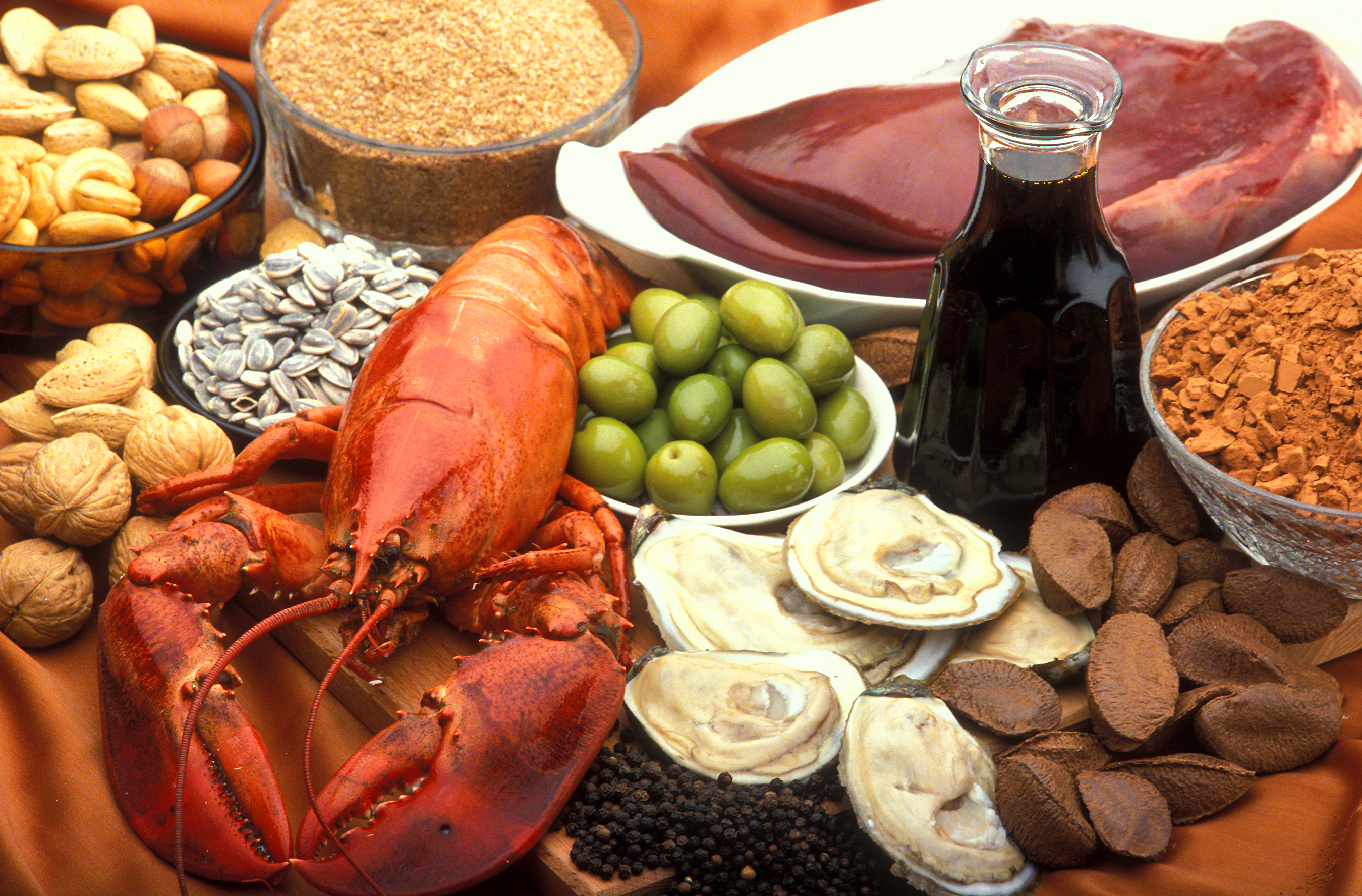
Top Animal-Based Foods High in Vitamin B12: Sources and Nutritional Profiles
Vitamin B12 is predominantly found in animal-derived foods, making them the most reliable natural sources for meeting dietary requirements. The bioavailability and nutrient density of B12-rich foods vary significantly based on preparation methods, cooking techniques, and the presence of cofactors or inhibitors. Below, a detailed analysis of the B12 content in key animal products—beef liver, clams, trout, eggs, and yogurt—is provided, along with their nutritional profiles, bioavailability considerations, and practical meal integration strategies for individuals transitioning from omnivorous to vegan diets.Vitamin B12 Content and Nutritional Profiles of Animal-Based Foods
The following table summarizes the vitamin B12 content per 100g (raw weight) in select animal products, along with their additional key nutrients and suggested serving sizes. Values are derived from the USDA FoodData Central and European Food Safety Authority (EFSA) databases, with adjustments for cooking losses where applicable.| Food | B12 (mcg) | Additional Key Nutrients (per 100g) | Serving Suggestion |
|---|---|---|---|
| Beef liver (raw) | 70.7 mcg (1,178% DV) |
|
2 oz (57g) cooked (pan-seared with onions and garlic) |
| Clams (raw) | 98.9 mcg (1,648% DV) |
|
1 oz (28g) cooked (steamed with lemon and parsley) |
| Trout (raw, Atlantic) | 4.4 mcg (73% DV) |
|
3 oz (85g) cooked (baked with herbs and olive oil) |
| Eggs (large, raw) | 0.6 mcg (10% DV) |
|
2 large eggs (100g total, scrambled with spinach) |
| Yogurt (plain, whole milk, raw) | 0.4 mcg (7% DV) |
|
1 cup (245g) with berries and chia seeds |
Bioavailability of Vitamin B12 in Animal Sources
The absorption of vitamin B12 from animal foods is highly efficient, typically ranging from 50–80% in healthy individuals, due to its natural binding to intrinsic factor (IF)—a protein secreted by the stomach that facilitates intestinal absorption. However, several factors influence bioavailability:1. Cooking and Processing:
2. Inhibitors in Animal Foods:
3. Individual Variability:
Optimal Consumption Strategies:
Integrating High-B12 Animal Foods into a Weekly Meal Plan for Vegan Transitioners
For individuals gradually reducing animal product intake, the following three high-B12 meals serve as transitional options while planning for eventual vegan alternatives. These recipes emphasize nutrient density and practicality.Recipe 1: Pan-Seared Beef Liver with Caramelized Onions and Spinach
Serves: 2 | B12 per serving: ~40 mcg (667% DV)
Ingredients:
4 oz (113g) beef liver, sliced thin 1 tbsp olive oil 1 large onion, thinly sliced 2 cloves garlic, minced 2 cups baby spinach 1 tbsp balsamic Plant-Based and Fortified B12 Sources: Myths and Practical Options
Vitamin B12 deficiency is a well-documented concern among plant-based diets, yet fortified foods offer reliable alternatives to animal-derived sources. While natural plant foods contain no bioavailable B12, strategic fortification—particularly in staple foods—can meet daily requirements (2.4 µg/day for adults) when selected and consumed appropriately. This section examines five key fortified plant-based options, evaluates their stability and processing impacts, debunks persistent myths, and provides actionable guidance for informed selection.
Key Consideration: Fortified B12 exists primarily as cyanocobalamin (synthetic) or methylcobalamin (active form), with bioavailability varying by formulation. Storage and processing degrade potency, necessitating attention to shelf life and preparation methods.Five Fortified Plant-Based Foods and Their B12 Content
Fortified plant foods undergo controlled addition of B12 to ensure adequacy, but variability exists due to manufacturing processes and serving sizes. Below are five common sources, including brand-specific examples where data is available, along with their B12 content per standard serving.
Note: Values are based on U.S. and EU labeling standards (unless otherwise cited). Always verify labels, as formulations may differ by region or manufacturer.
- Nutritional Yeast (Active Cultures)
- B12 Content: 1–4 µg per tablespoon (5–10 g), depending on fortification level.
- Examples:
- Bragg Organic Nutritional Yeast Flakes: 2 µg per 1 tbsp (manufacturer’s data).
- Red Star Vegetarian Support Formula: 4 µg per 2 tbsp (14 g).
- Usage: Sprinkled on savory dishes, blended into sauces, or added to smoothies. High heat (e.g., baking) may reduce potency by up to 30%.
- Plant-Based Milks (Soy, Almond, Oat)
- B12 Content: 1.2–3 µg per cup (240 mL), with soy milks often higher.
- Examples:
- Silk Almond Milk (Original): 1.2 µg per cup (fortified with cyanocobalamin).
- WestSoy Original Soy Milk: 3 µg per cup (methylcobalamin in some formulations).
- Oatly Full Fat Oat Drink: 1.5 µg per cup (varies by region; EU versions may differ).
- Stability: Unopened, shelf-stable for 6–12 months; refrigerated after opening. Pasteurization reduces B12 by ~10–20%.
- Fortified Cereals and Granolas
- B12 Content: 1.5–6 µg per serving (typically 30–50 g), with some brands exceeding 100% DV.
- Examples:
- Kashi GoLean Crunch: 6 µg per ¾ cup (30 g).
- Nature’s Path EnviroKidz (Chocolate): 1.5 µg per ⅓ cup (30 g).
- Quaker Life Oatmeal Squares: 2 µg per square (40 g).
- Processing Note: Extrusion (common in cereals) can degrade B12 by 20–40%. Check for "non-extruded" labels if concerned.
- Plant-Based Meat Alternatives
- B12 Content: 0.6–3 µg per 100 g, often added as a binder or flavor enhancer.
- Examples:
- Beyond Meat Beyond Burger: 1.2 µg per patty (4 oz).
- Impossible Burger: 0.6 µg per patty (4 oz; primarily cyanocobalamin).
- Gardein Beefless Tips: 2 µg per 100 g (varies by product line).
- Stability: Freezing extends shelf life but may reduce B12 by 10–15% over 6 months. Microwaving retains potency better than frying.
- Vegan Vitamin Supplements and Tablets
- B12 Content: 50–1000 µg per tablet/capsule (sublingual forms often higher).
- Examples:
- Deva Vegan B12 (Methylcobalamin): 1000 µg per tablet (sublingual).
- Nature’s Bounty Vegan B12 (Cyanocobalamin): 100 µg per tablet.
- Garden of Life mykind Organics B12: 50 µg per serving (methylcobalamin).
- Bioavailability: Sublingual forms bypass digestion, achieving ~50% absorption vs. 10–30% for oral tablets.
Stability of B12 in Fortified Foods: Shelf Life and Processing Effects
Fortified B12 is susceptible to degradation from light, heat, and oxidation, particularly in synthetic forms like cyanocobalamin. Understanding these factors ensures optimal intake and reduces waste.
- Shelf Life and Storage Conditions
Fortified foods retain B12 potency under specific conditions:
- Room-Temperature Stability:
- Dry Goods (Nutritional Yeast, Cereals): 12–18 months if stored in airtight containers away from light. Moisture accelerates degradation.
- Plant Milks (Shelf-Stable): 6–9 months unopened; refrigeration extends shelf life by 3–6 months post-opening.
- Refrigerated/Frozen Goods:
- Plant Meats: Freezing preserves B12 for up to 12 months; thawing in cold water minimizes loss.
- Fortified Yogurts/Smoothies: B12 degrades by ~25% after 3 months refrigerated due to acidity.
- Impact of Processing
Industrial and home preparation methods affect B12 retention:
- Pasteurization: Reduces B12 by 10–20% in liquids (e.g., plant milks) due to heat denaturation.
- Extrusion (Cereals): High-pressure cooking degrades B12 by 20–40%; opt for "non-extruded" or "cold-processed" labels.
- Cooking Methods:
- Boiling: Loses 30–50% of B12 into water (e.g., fortified pasta in broth).
- Microwaving: Retains ~90% of B12 in plant-based meats.
- Fermentation (e.g., Tempeh): May reduce B12 by 15–25% due to microbial activity.
- Labeling and Misleading Claims
- "Enriched" vs. "Fortified": Both terms indicate added B12, but "fortified" may imply higher concentrations. Always check the nutrition label.
- Third-Party Certifications: Look for Vegan Society Approved or Non-GMO Project Verified to ensure ethical sourcing, though these do not guarantee B12 stability.
- Expiration Dates: B12 potency may decline before the "best by" date; prioritize recently manufactured products.
Four Common Myths About Plant-Based B12 Debunked
Misconceptions about B12 in plant-based diets persist despite scientific evidence. Below are four prevalent myths, countered with peer-reviewed studies and expert consensus.
- Myth: "All vegans are deficient in B12."
- Correction: Deficiency risk exists but is preventable with proper fortification. A 2021 study in Nutrients found that <2% of well-informed vegans had deficiency when consuming fortified foods or supplements (Herrmann et al.).
- Key Factor: Regular intake (e.g., fortified foods daily or supplements weekly) is critical. The Vegan Society recommends 10 µg/day from fortified sources or 500 µg/week via supplements.
- Myth: "Plant-based B12 is less absorbable than animal B12."
- Correction: Synthetic B12 (cyanocobalamin) in fortified foods is identical in structure and absorption to animal-derived B12. A 2018 American Journal of Clinical Nutrition meta-analysis confirmed no significant difference
B12 Deficiency Risks and Populations at Higher Vulnerability
Vitamin B12 deficiency is a clinically significant condition that progresses through distinct stages, often remaining undiagnosed until irreversible damage occurs. Early symptoms may be subtle, while advanced deficiency can lead to severe neurological and hematological complications. Certain populations face elevated risks due to physiological, genetic, or lifestyle factors, necessitating targeted screening and intervention strategies. Understanding these risks, the underlying mechanisms, and the pathways to deficiency-related disorders is critical for early detection and management.The progression of B12 deficiency involves a cascade of metabolic disruptions, beginning with impaired methylation and nucleotide synthesis, which subsequently affects red blood cell maturation and neural function. Below, the physiological symptoms are categorized by severity, followed by an analysis of high-risk groups and the pathological pathways linking deficiency to anemia.
Symptoms of B12 Deficiency by Stage and Physiological Mechanisms
The clinical manifestations of B12 deficiency reflect its dual role in DNA synthesis (via methylcobalamin) and neurological function (via adenosylcobalamin). Early symptoms arise from elevated homocysteine and methylmalonic acid (MMA) levels, while advanced symptoms involve irreversible neurological and hematological damage.
- Early-Stage Symptoms (Mild Deficiency)
- Fatigue and Weakness
Impaired mitochondrial energy production due to elevated MMA disrupts ATP synthesis, leading to generalized weakness and reduced stamina. Studies indicate that even subclinical deficiency (serum B12 < 200 pg/mL) can reduce aerobic capacity by up to 20%.- Pins-and-Needles Sensation (Paresthesia)
Demyelination of peripheral nerves occurs due to impaired synthesis of S-adenosylmethionine (SAMe), a methyl donor critical for myelin maintenance. Early neurological symptoms often present as tingling in extremities, progressing to numbness if untreated.- Cognitive Impairments (Mild)
Elevated homocysteine levels disrupt neurotransmitter synthesis (e.g., dopamine, serotonin) and promote oxidative stress in the brain, contributing to memory lapses, brain fog, and reduced executive function. Longitudinal studies link homocysteine >15 µmol/L to a 2–3x higher risk of cognitive decline.- Mood Changes (Irritability, Depression)
B12 deficiency alters tryptophan metabolism, reducing serotonin synthesis, and may exacerbate depressive symptoms. A meta-analysis found that 20–30% of depressed patients with no prior diagnosis had subclinical B12 deficiency.- Glossitis and Oral Ulcers
Rapidly dividing epithelial cells (e.g., tongue, gastrointestinal tract) are highly sensitive to B12-dependent folate recycling. Deficiency leads to atrophic glossitis (smooth, red tongue) and angular cheilitis, often mistaken for nutritional deficiencies like iron or riboflavin deficiency.- Advanced-Stage Symptoms (Severe Deficiency)
- Megaloblastic Anemia
Impaired DNA synthesis in erythroid precursors results in large, immature red blood cells (megaloblasts) that are prone to hemolysis. Symptoms include pallor, jaundice, and splenomegaly due to extramedullary hematopoiesis. Severe cases may present with heart failure secondary to high-output anemia.- Neurological Damage (Irreversible in Some Cases)
- Subacute Combined Degeneration (SCD) of the Spinal Cord
Demyelination of the dorsal and lateral columns (posterior and corticospinal tracts) leads to ataxia, spasticity, and loss of vibration/position sense. Pathological studies show axonal degeneration in up to 50% of untreated cases, with residual deficits even after supplementation.- Optic Neuropathy
B12-dependent enzymes are critical for retinal ganglion cell function. Deficiency can cause bilateral central scotomas or complete vision loss, often misdiagnosed as glaucoma or macular degeneration.- Dementia-Like Symptoms
Chronic deficiency accelerates white matter lesions in the brain, mimicking vascular dementia. A study in Neurology (2010) found that B12-deficient patients had a 2.5x higher risk of developing Alzheimer’s-like pathology.- Gastrointestinal Complications
Chronic atrophic gastritis (a risk factor for deficiency) may progress to intestinal metaplasia and adenocarcinoma. Additionally, malabsorption syndromes (e.g., celiac disease) worsen deficiency due to reduced intrinsic factor production.Populations at Higher Risk of B12 Deficiency
Genetic predispositions, lifestyle choices, and medical conditions create distinct vulnerability profiles for B12 deficiency. Below are three high-risk groups, with underlying causes categorized by genetic, physiological, and environmental factors.
- Elderly Individuals (Aged ≥60 Years)
- Physiological Causes
- Reduced Stomach Acid (Hypochlorhydria)
Age-related atrophy of parietal cells decreases hydrochloric acid (HCl) production, impairing the release of B12 from food proteins. Studies show that 10–30% of individuals over 50 have atrophic gastritis, a precursor to pernicious anemia.- Malabsorption Due to Intrinsic Factor Deficiency
Autoimmune destruction of parietal cells (pernicious anemia) affects ~1–2% of the elderly, with prevalence increasing to 10–20% in those over 80. Intrinsic factor (IF) is essential for ileal B12 absorption via the cubilin receptor.- Dietary Inadequacy
Reduced appetite, poor dentition, and reliance on B12-poor diets (e.g., processed foods) contribute to deficiency. Elderly individuals consuming <2 servings of animal products daily have a 5x higher risk of deficiency.- Genetic Factors
Polymorphisms in the TCN2 gene (encoding transcobalamin II) or MTHFR C677T mutation (reducing folate metabolism efficiency) may exacerbate deficiency in the presence of low B12 intake.- Vegetarians and Vegans
- Dietary Exclusion of Animal Products
B12 is naturally synthesized by microorganisms in animal tissues. Strict vegetarians derive <50% of RDA from fortified foods, while vegans rely entirely on supplementation or fortified sources. Observational data show that 50–90% of vegans have subclinical deficiency after 5–10 years.- Compensatory Mechanisms and Misconceptions
"Plant-based diets may contain B12 analogs (e.g., in fermented foods like tempeh), but these lack the bioactive cobalamin structure and can interfere with absorption if consumed in excess."Some rely on nutritional yeast, which may contain inactive B12 analogs (e.g., cobalamin-like compounds from Candida utilis).- Genetic and Lifestyle Interactions
Individuals with MTHFR mutations or those with gastrointestinal conditions (e.g., Crohn’s disease) are at higher risk due to impaired folate-B12 interdependence.- Individuals with Pernicious Anemia or Autoimmune Disorders
- Autoimmune Gastritis and Intrinsic Factor Antibodies
Pernicious anemia involves autoantibodies against parietal cells (Type I) or intrinsic factor (Type II), blocking B12 absorption. Up to 90% of pernicious anemia cases are linked to HLA-DR3/DQ2 haplotypes, indicating a strong genetic predisposition.- Associated Conditions
- Type 1 Diabetes
Shared autoimmune pathways (e.g., anti-parietal cell antibodies) increase the risk of concurrent B12 deficiency in 10–20% of diabetic patients.- Hashimoto’s Thyroiditis
Autoimmune thyroid disease co-occurs with atrophic gastritis in ~15% of cases, further reducing B12 absorption.- C
Vitamin B12 deficiency poses serious risks, from subtle fatigue to irreversible neurological damage, yet proactive dietary choices can mitigate these threats. Whether sourced from beef liver (the most concentrated animal-based option), clams, or fortified nutritional yeast, prioritizing B12-rich foods aligns with both preventive health and therapeutic needs. For those transitioning to plant-based diets or facing absorption challenges, leveraging fortified foods—while monitoring stability and label accuracy—proves indispensable. By integrating these insights into meal planning and recognizing at-risk populations, individuals can safeguard their B12 status, ensuring long-term vitality and cognitive function.
FAQ
Which foods contain the highest amounts of vitamin B12?
Animal-based foods like clams, beef liver, sardines, trout, and fortified nutritional yeast are the best natural sources of B12. Plant foods typically lack B12 unless fortified, such as plant milks or cereals. The USDA lists clams as the richest source (up to 98.9 mcg per 3 oz).
What foods are rich in both vitamin B12 and folate?
Eggs, chicken liver, and fortified breakfast cereals are high in both B12 and folate. Beef, salmon, and nutritional yeast also provide significant amounts. Plant-based options like lentils or fortified soy products offer folate but little B12 unless fortified.
Which foods in Australia are naturally high in vitamin B12?
Australian sources include oysters, barramundi, beef liver, and fortified foods like plant-based milks or cereals. Locally caught fish (e.g., tuna, mackerel) and shellfish are also reliable. Vegans may need supplements or fortified foods due to limited natural plant sources.
What foods provide both vitamin B12 and iron?
Clams, beef liver, and oysters are top sources of both B12 and iron. Other options include fortified cereals, sardines, and dark meat chicken. Plant-based iron (e.g., lentils) pairs poorly with B12 unless the food is fortified.
Which foods contain high levels of both vitamin B12 and B6?
Salmon, tuna, beef liver, and fortified nutritional yeast are excellent for both B12 and B6. Chicken breast and turkey also provide good amounts. Plant sources like chickpeas or fortified cereals offer B6 but not B12 unless fortified.
What are the best vitamin B12 food sources for vegetarians?
Fortified foods like nutritional yeast, plant milks, cereals, and meat alternatives (e.g., veggie burgers) are the primary B12 sources for vegetarians. Eggs and dairy (e.g., yogurt, cheese) also provide B12. Vegans must rely on fortified foods or supplements.

Leave a Comment
Comments are moderated before appearing. The data you submit is processed according to the Privacy Policy of Velirium.