What Are Violin Strings Made Of Explained
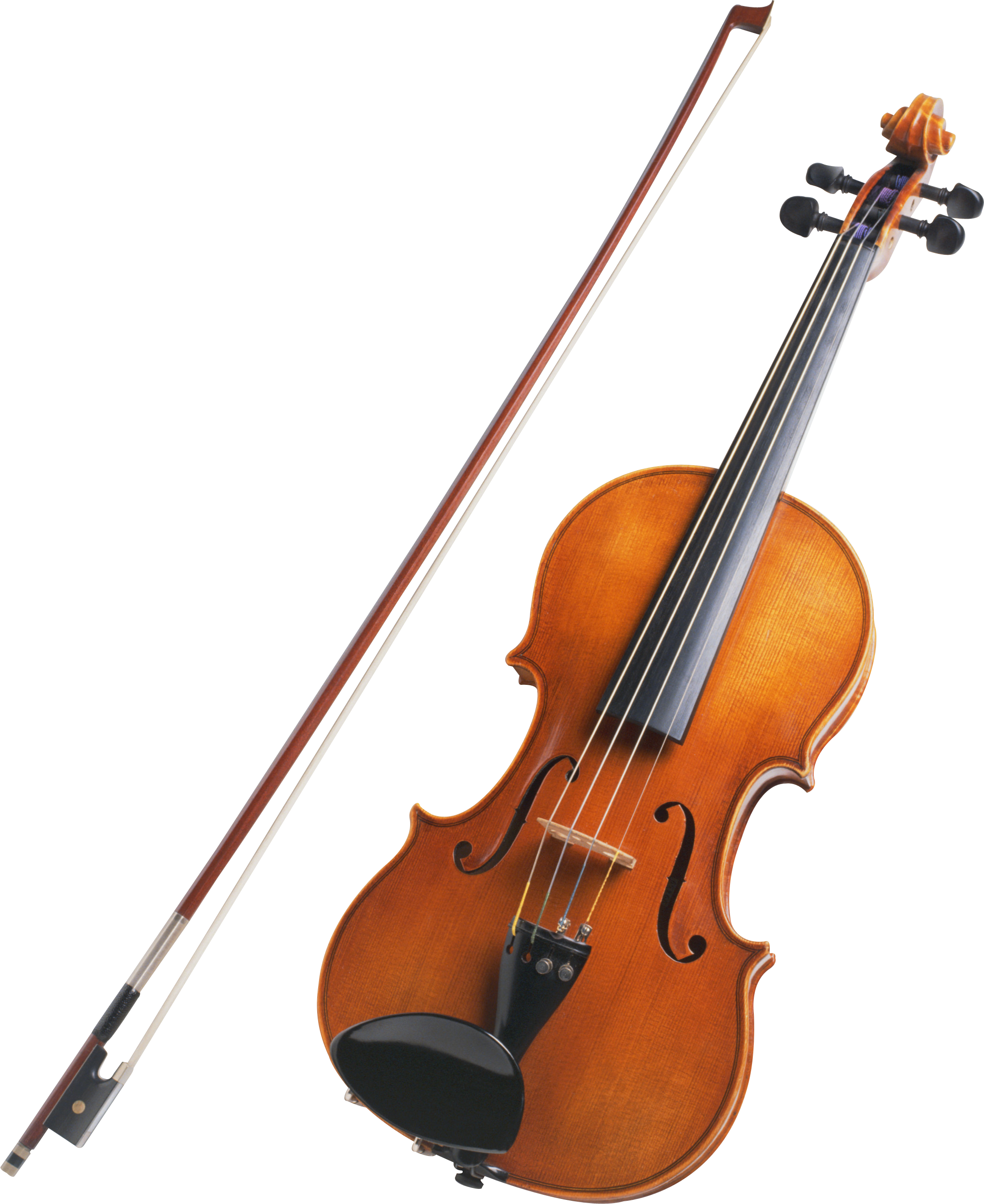
Violin strings represent a fusion of ancient tradition and modern innovation, where material science meets acoustic artistry. From the delicate gut strings of the Baroque era to the high-performance synthetic and metal alloys of today, each composition reflects a deliberate balance between durability, tonal purity, and player responsiveness. The evolution of string materials not only mirrors advancements in manufacturing but also underscores the enduring quest for an ideal sound—one that resonates with both historical authenticity and contemporary demands. Understanding the core elements of violin strings—whether steel, synthetic polymers, or meticulously crafted gut—reveals how subtle variations in chemistry and construction shape the instrument’s voice, influencing everything from sustain to harmonic richness.
The journey of violin string materials spans centuries, beginning with the organic fragility of gut and progressing through the industrial precision of steel and synthetic alternatives. Each era’s technological breakthroughs were driven by practical necessities: the need for greater resilience, consistency in tuning, and adaptability to diverse musical styles. Modern strings now incorporate hybrid designs, where fluorocarbon cores or nylon wraps merge with metal alloys to achieve tonal flexibility unthinkable in earlier periods. Yet, despite these innovations, the allure of traditional gut strings persists among purists, offering a timbre that synthetic materials struggle to replicate. This interplay between heritage and progress defines the craft of string-making, where every material choice carries implications for sound projection, playability, and even the physical interaction between musician and instrument.
Historical Evolution of Violin String Materials: From Gut to Modern Alloys
The development of violin strings reflects broader advancements in material science, craftsmanship, and musical aesthetics. Early string instruments relied on natural materials like gut, which dominated from the Baroque era until the late 19th century. The transition to synthetic and metal-core strings in the 20th and 21st centuries marked a shift toward durability, consistency, and expanded tonal possibilities. This evolution was influenced by technological innovations, cultural shifts in performance practices, and the demands of evolving musical genres. Below, a chronological exploration traces the materials used, their characteristics, and the technological milestones that shaped modern violin strings.Baroque Era (17th–Early 18th Century): The Dominance of Gut Strings
During the Baroque period, violin strings were exclusively made from sheep or lamb intestines, a tradition dating back to ancient civilizations. The process involved meticulous cleaning, drying, and twisting of the gut to form strings, a method perfected by Italian luthiers such as Antonio Stradivari and Girolamo Amati. Gut strings were prized for their warm, complex tone, which responded sensitively to bow pressure and finger articulation—qualities essential for the expressive style of composers like Vivaldi, Corelli, and Bach.Gut strings were the only option for centuries due to their natural resonance properties, which closely matched the acoustic characteristics of wooden instruments like the violin.The craftsmanship required for gut strings was labor-intensive, involving:
Despite their tonal superiority, gut strings had significant drawbacks:
Classical and Romantic Eras (Late 18th–19th Century): Early Experiments with Alternative Materials
The rise of Romantic music, with its emphasis on powerful dynamics and virtuosic technique, strained the limitations of gut strings. Composers like Beethoven and Tchaikovsky demanded greater volume and sustain, prompting luthiers and string makers to explore alternatives. Key developments included:- Steel-core strings (early prototypes): While not yet widely adopted for violins, steel wires were experimented with for lower strings (e.g., the C string) in some instruments, particularly in German and Austrian workshops. These were thicker and more durable but lacked the warmth of gut.
The 19th century saw the first recorded attempts to replace gut with metal, though these were largely confined to lower strings or specialized instruments due to tonal resistance from traditionalists.Cultural factors also influenced material choices:
Early 20th Century: The Rise of Metal-Core Strings and Synthetic Innovations
The First World War (1914–1918) accelerated the shift away from gut strings due to shortages of animal intestines and rising costs. This period saw the commercialization of metal-core strings, initially developed for mandolins and guitars before adapting to violins. Key milestones included:- 1920s–1930s: Introduction of steel-core strings
Table of Contents
- Historical Evolution of Violin String Materials: From Gut to Modern Alloys
- Baroque Era (17th–Early 18th Century): The Dominance of Gut Strings
- Classical and Romantic Eras (Late 18th–19th Century): Early Experiments with Alternative Materials
- Early 20th Century: The Rise of Metal-Core Strings and Synthetic Innovations
- Mid-to-Late 20th Century: The Synthetic Revolution and Alloy Innovations
- Contemporary Era (21st Century): Precision Engineering and Customization
- Comparative Core Materials in Violin Strings: Composition, Acoustics, and Manufacturing Modern violin strings rely on a combination of core materials—steel, synthetic polymers, and metal alloys—to achieve distinct tonal characteristics, projection, and durability. The selection of these materials directly influences the string’s response, sustain, and suitability for different playing techniques, from classical to contemporary genres. Advances in metallurgy and polymer science have enabled manufacturers to engineer strings with precise acoustic properties, balancing brightness, warmth, and resistance to wear. The core material forms the foundation of a string’s sound, determining its fundamental frequency, harmonic content, and interaction with the bow. Steel cores, for instance, dominate in treble strings due to their high tensile strength and ability to produce a bright, articulate tone, while synthetic polymers and metal alloys are critical in bass strings for warmth and flexibility. The manufacturing process further refines these properties through precise winding techniques, heat treatment, and alloy compositions, ensuring consistency across production batches. Steel-Core Strings: Composition and Acoustic Impact
- Synthetic Polymer Cores: Chemical Structure and Acoustic Properties
- Metal Alloy Cores: Comparative Analysis for Treble vs. Bass Strings
- Material Blending: Steel-Wrapped vs. Plain Steel and Hybrid Designs
- Gut Strings: Traditional Craftsmanship and Modern Revival
- Sourcing and Preparation of Sheep Intestines
- Twisting and Manufacturing Techniques
- Acoustic Properties and the Role of Aging
- Challenges and Niche Appeal of Gut Strings
- Restoration and Conditioning Techniques
- Winding Materials in Violin Strings: Metallurgy, Acoustics, and String Dynamics
- Metals Used in String Windings and Their Acoustic Effects
- Winding Techniques: Geometry and Tension Distribution
- Metal Fatigue in Wound Strings: Microscopic Deformations and Tonal Evolution
- Synthetic Innovations in Violin String Materials: Fluorocarbon, Nylon, and Hybrid Configurations
- Fluorocarbon Strings: Chemical Resistance and Acoustic Adaptability
- Nylon-Core Strings: Acoustic Warmth and Extended Playability
- Hybrid Strings: Balancing Projection and Warmth Through Material Synergy
- Environmental and Ethical Considerations in Violin String Production
- Sustainability Challenges in Gut String Production
- Environmental Impact of Metal Mining for String Cores
- Vegan and Cruelty-Free Alternatives to Gut Strings
- FAQ
- What materials were violin strings historically made from?
- What are modern violin strings made of today?
- Why are some violin strings made from horsehair?
- What materials were traditionally used for violin strings?
- What are violin bow strings made of?
- What materials are violin strings commonly made of in modern instruments?
- 1930s–1940s: Development of synthetic cores
The interwar period marked the first major departure from gut strings, driven by necessity rather than artistic preference, setting the stage for modern string technology.
Mid-to-Late 20th Century: The Synthetic Revolution and Alloy Innovations
By the 1950s and 1960s, advancements in polymer science and metallurgy enabled the production of high-performance synthetic and alloy-core strings. These innovations were spurred by:Key developments included:
- 1970s–1980s: Carbon and Composite Materials
- 1990s: The Rise of Phosphor Bronze and Alloy Blends
The late 20th century saw the maturation of synthetic strings, with manufacturers fine-tuning materials to replicate gut’s responsiveness while addressing its physical limitations.
Contemporary Era (21st Century): Precision Engineering and Customization
Modern violin strings are the result of centuries of empirical testing and computational modeling, blending traditional craftsmanship with cutting-edge materials science. Current trends include:- Hybrid cores: Combining synthetic fibers (e.g., Kevlar, carbon-nanotubes) with metal alloys for ultra-high tension strings, used in electric violins and amplified setups.
Today’s violin strings are engineered for specific musical contexts, with manufacturers offering tailored solutions for everything from period-instrument ensembles to modern jazz fusion.
Comparative
Core Materials in Violin Strings: Composition, Acoustics, and Manufacturing
Modern violin strings rely on a combination of core materials—steel, synthetic polymers, and metal alloys—to achieve distinct tonal characteristics, projection, and durability. The selection of these materials directly influences the string’s response, sustain, and suitability for different playing techniques, from classical to contemporary genres. Advances in metallurgy and polymer science have enabled manufacturers to engineer strings with precise acoustic properties, balancing brightness, warmth, and resistance to wear.The core material forms the foundation of a string’s sound, determining its fundamental frequency, harmonic content, and interaction with the bow. Steel cores, for instance, dominate in treble strings due to their high tensile strength and ability to produce a bright, articulate tone, while synthetic polymers and metal alloys are critical in bass strings for warmth and flexibility. The manufacturing process further refines these properties through precise winding techniques, heat treatment, and alloy compositions, ensuring consistency across production batches.
Steel-Core Strings: Composition and Acoustic Impact
Steel-core strings are the most widely used in modern violin-making, particularly for the G, D, and A strings, where their rigidity and high fundamental frequencies are advantageous. The core material varies in alloy composition, significantly affecting tonal projection, sustain, and resistance to intonation shifts.Carbon Steel and Stainless Steel Cores
Carbon steel, an alloy primarily composed of iron (Fe) and carbon (C), typically ranges from 0.1% to 0.3% carbon content, with trace amounts of manganese (Mn) and silicon (Si). This composition provides a high tensile strength (up to 1,000 MPa) and a bright, piercing tone, making it ideal for treble strings where articulation and clarity are prioritized. However, carbon steel is prone to oxidation and corrosion, which can lead to intonation instability over time.
Stainless steel, an alloy of iron, chromium (Cr, ~10–20%), and nickel (Ni, ~8–10%), offers superior corrosion resistance due to the chromium’s passive oxide layer. Modern violin strings often use austenitic stainless steel (e.g., 304 or 316 grades), which combines enhanced durability with a slightly warmer tone compared to carbon steel. Brands like Pirastro and Thomastik-Infeld utilize stainless steel cores in their mid-range strings to mitigate oxidation while maintaining brightness.
Tungsten-Core Variations
Tungsten (W), a dense metal with a high density (19.3 g/cm³) and high tensile strength (up to 1,500 MPa), is increasingly used in hybrid cores, particularly in G and D strings. When combined with steel (e.g., tungsten-steel alloys), it reduces mass while maintaining stiffness, resulting in:
Improved intonation stability due to reduced vibrational damping.
Enhanced projection without excessive brightness.
Longer lifespan due to reduced wear on the fingerboard. Manufacturers such as Dominant and Helix incorporate tungsten in their Evah Puro and Vision Elite lines, targeting players who seek a balanced tonal profile with reduced maintenance requirements.
Synthetic Polymer Cores: Chemical Structure and Acoustic Properties
Synthetic polymers dominate the manufacture of E strings and bass strings (C and G), where flexibility, warmth, and resistance to breakage are critical. These materials are engineered to mimic the elasticity of gut while offering superior durability and consistent tuning stability.Chemical Composition and Manufacturing Process
The primary synthetic polymers used in violin strings include:
Nylon (Polyamide, PA6 or PA6.6): A semi-crystalline polymer with high tensile strength (50–80 MPa) and excellent elasticity. It is produced through polymerization of caprolactam (for PA6) or hexamethylenediamine and adipic acid (for PA6.6), followed by extrusion into monofilament strings. Nylon cores provide a warm, mellow tone with good sustain, making them ideal for E strings. However, they are prone to swelling when exposed to moisture, requiring protective coatings.
Perlon (Polyamide 6, PA6): A refined form of nylon with higher crystallinity, offering greater stiffness and tonal clarity. Used in strings like Thomastik-Infeld’s Perlon E strings, it delivers a brighter nylon-like tone with improved projection.
Fluorocarbon (e.g., Polyvinylidene Fluoride, PVDF): A high-performance polymer with exceptional chemical resistance and low moisture absorption. Fluorocarbon cores, such as those in Helix’s Evah Puro strings, exhibit:
Superior tuning stability under varying humidity.
Enhanced brightness and clarity compared to nylon.
Reduced wear on the bow and fingerboard. Acoustic Properties and Manufacturing Techniques
The molecular structure of these polymers influences their acoustic behavior:
Crystallinity: Higher crystallinity (e.g., in Perlon) increases stiffness, leading to sharper attack and reduced overtones.
Density: Fluorocarbon’s higher density (1.78 g/cm³) compared to nylon (1.14 g/cm³) contributes to greater projection without sacrificing warmth.
Surface Treatment: Strings are often annealed or drawn to optimize elasticity, followed by winding with metal or synthetic wraps to enhance durability and tonal character.
Metal Alloy Cores: Comparative Analysis for Treble vs. Bass Strings
Metal alloys are strategically employed in violin strings to tailor tonal properties for specific string roles. While steel dominates treble strings, alloys like aluminum, titanium, and bronze are used in bass strings (C and G) to achieve warmth, flexibility, and extended sustain.Alloy Composition and Tonal Characteristics
The following table compares key metal alloys used in violin strings, highlighting their chemical composition, mechanical properties, and acoustic effects:
Alloy Primary Composition Density (g/cm³) Tensile Strength (MPa) Tonal Profile Typical Application
Aluminum Aluminum (Al, ~99%) 2.70 90–170 Light, airy, with minimal sustain Rare, experimental bass strings Titanium Titanium (Ti, ~90%), Aluminum (Al, ~6%), Vanadium (V, ~4%) 4.50 800–1,200 Bright, articulate, with moderate warmth Treble strings (e.g., Pirastro’s Titanium E) Bronze Copper (Cu, ~60–70%), Tin (Sn, ~30–40%) 8.7–8.9 200–400 Warm, mellow, with rich overtones Bass strings (e.g., Thomastik’s Bronze C) Phosphor Bronze Copper (Cu), Tin (Sn), Phosphorus (P) 8.8–8.9 400–600 Balanced warmth and projection Hybrid bass strings (e.g., Dominant’s Phosphor Bronze C)
Treble Strings: Titanium and Steel Alloys
Titanium alloys are increasingly used in E strings due to their high strength-to-weight ratio and corrosion resistance. For example:
Pirastro’s Titanium E string combines a titanium core with a silver-plated copper winding, producing a brighter, more focused tone compared to traditional steel E strings.
Stainless steel alloys (e.g., 17-7 PH stainless steel) are favored for D and G strings in brands like Thomastik-Infeld’s Evah Pyrex, offering enhanced durability and a slightly warmer steel tone. Bass Strings: Copper and Bronze Alloys
Bronze and phosphor bronze cores are standard in C and G strings due to their flexibility and harmonic richness. Key examples include:
Thomastik-Infeld’s Bronze C string: Uses a phosphor bronze core with a silver-plated copper winding, delivering a warm, singing tone with excellent sustain.
Dominant’s Phosphor Bronze C string: Incorporates tungsten in the core to reduce mass while maintaining bronze’s tonal warmth, resulting in improved intonation stability.
Material Blending: Steel-Wrapped vs. Plain Steel and Hybrid Designs
Manufacturers often blend core materials with winding techniques to achieve a balanced tonal profile,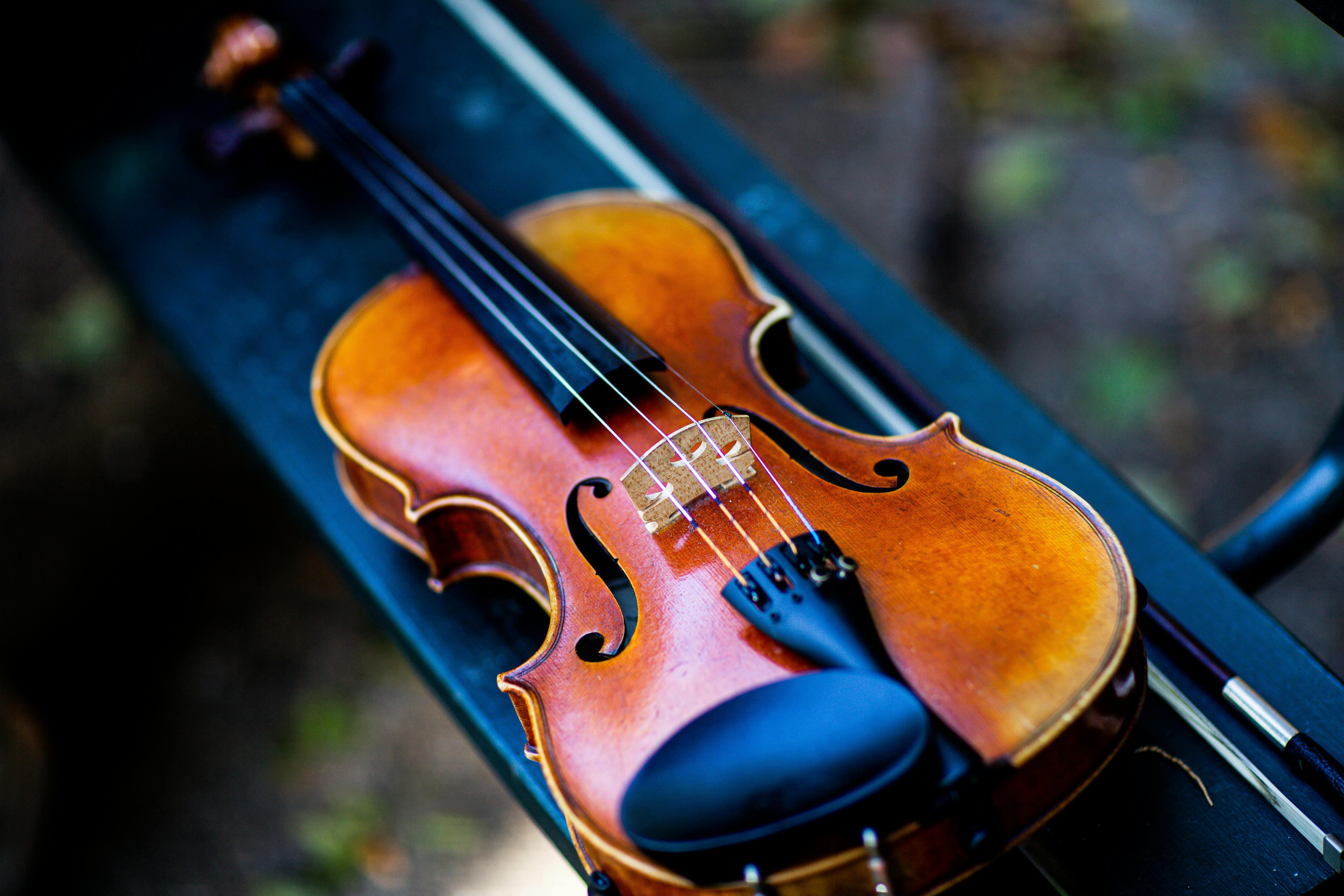
Gut Strings: Traditional Craftsmanship and Modern Revival
The craftsmanship of gut strings represents one of the most labor-intensive and historically significant processes in violin string production. Derived from the intestines of sheep, these strings were the exclusive material for bowed instruments from the Baroque era until the mid-20th century, prized for their warm, complex overtones and responsiveness to bow pressure. While modern synthetic and metal strings dominate contemporary playing, gut strings have experienced a revival among period-instrument enthusiasts and luthiers seeking authenticity in historical performance practices. Their production remains an artisanal endeavor, blending biological variability with meticulous manual techniques to yield strings of unparalleled tonal character.The revival of gut strings is not merely nostalgic but rooted in acoustic and historical accuracy. Period-instrument players and early music ensembles often prioritize gut strings for their interaction with older bows and varnishes, which were designed to optimize their performance. However, the material’s fragility and maintenance demands present challenges that have led to innovations in preservation and hybrid manufacturing techniques.
Sourcing and Preparation of Sheep Intestines
The production of gut strings begins with the selection of sheep intestines, a process governed by strict hygiene and ethical standards. High-quality gut strings are traditionally sourced from sheep slaughtered for food, ensuring the intestines are free from disease or chemical treatments. The small intestine (particularly the ileum and jejunum) is preferred due to its uniform thickness and elasticity, while the large intestine is avoided due to its coarser texture and higher moisture content.Once harvested, the intestines undergo a multi-stage cleaning process to remove residual fat, mucus, and impurities. This involves:
Initial washing: The intestines are thoroughly rinsed with cold water to eliminate surface contaminants.
Soaking in brine or vinegar: A weak saline or vinegar solution (typically 5–10% concentration) is used to dissolve proteins and further disinfect the material. This step also helps remove excess mucus and tighten the gut fibers.
Neutralization and rinsing: The intestines are then soaked in a mild alkaline solution (e.g., baking soda) to neutralize acidity before being rinsed repeatedly in clean water to remove all chemical residues. After cleaning, the intestines are stretched and hung in a controlled environment to dry gradually. Slow drying is critical to prevent cracking; traditional methods involve air-drying in shaded, temperature-stabilized conditions (ideally between 15–25°C and 40–60% humidity). Modern producers may use dehumidifiers or climate-controlled rooms to accelerate the process while maintaining structural integrity.
Twisting and Manufacturing Techniques
The transformation of dried intestines into usable strings requires precise twisting and winding techniques to achieve the necessary tension and tonal properties. The process varies slightly among manufacturers but generally follows these steps:- Peeling and flattening: The dried intestines are peeled into long, thin strips (typically 0.5–1.5 mm thick, depending on the string gauge). These strips are then flattened between rollers to achieve uniform thickness and remove air bubbles.
Twisting the core: For wound strings (e.g., G, D, and A strings), a core of twisted gut is created by winding multiple strands around a mandrel. The twisting direction (usually clockwise for the G string, counterclockwise for others) influences the string’s tension and harmonic content. Untwisted gut (used for the E string) is left in a single, straight strand.
Winding the outer layer: For wound strings, a second layer of gut is wound around the core at a precise angle to create the final string. The winding tension and overlap density are adjusted to balance strength and resonance. Higher-quality strings may incorporate multiple layers or alternate winding directions to enhance stability.
Drying and conditioning: The newly formed strings undergo a secondary drying phase, often under tension, to stabilize their dimensions. Some manufacturers age the strings for months or years to develop their characteristic tonal maturity.
Acoustic Properties and the Role of Aging
Gut strings derive their unique timbre from their natural degradation and structural evolution over time. Unlike synthetic materials, gut strings undergo a controlled breakdown of collagen fibers, which alters their acoustic properties in several ways:- Collagen degradation: The protein structure of gut slowly degrades due to enzymatic activity and environmental exposure, increasing internal friction and damping high frequencies. This process, often accelerated by aging, contributes to the string’s warm, mellow tone.
Humidity and temperature sensitivity: Gut strings are highly hygroscopic, absorbing moisture from the air and expanding or contracting accordingly. Optimal playing conditions require relative humidity between 40–60% to prevent cracking or excessive slackness. Temperature fluctuations can also affect tension; strings should acclimate to room temperature before use to avoid pitch instability.
Overtones and bow interaction: The natural variability in gut strings—including slight irregularities in thickness and winding—enhances their harmonic complexity. When bowed, these inconsistencies produce a richer spectrum of overtones compared to uniformly manufactured synthetic strings. Aged gut strings (often 1–5 years old) are particularly valued for their stability and tonal depth. Manufacturers may intentionally expose strings to controlled humidity or temperature cycles to simulate aging, though this process is less predictable than natural maturation.
Challenges and Niche Appeal of Gut Strings
Despite their acoustic superiority in certain contexts, gut strings present significant practical challenges that limit their widespread use:
Gut strings are renowned for their tonal warmth and historical authenticity but are plagued by fragility, high maintenance requirements, and cost. Their sensitivity to environmental conditions demands meticulous storage and handling, while their limited lifespan—often less than a year under optimal conditions—requires frequent replacements. These factors, combined with the labor-intensive production process, contribute to their premium pricing, making them inaccessible for many players. Their niche appeal lies in period-instrument performance, where their interaction with older bows and varnishes is acoustically and historically justified.
The fragility of gut strings stems from their organic composition; even minor mishandling (e.g., sudden tension changes or exposure to extreme humidity) can cause cracks or breaks. Additionally, their sensitivity to temperature and humidity necessitates careful storage in sealed cases with silica gel or other desiccants. The cost of high-quality gut strings can exceed synthetic alternatives by a factor of 5–10, further restricting their adoption.
Restoration and Conditioning Techniques
To extend the lifespan of gut strings and mitigate their fragility, players and luthiers employ several conditioning and restoration methods. These techniques focus on stabilizing the material’s moisture content and reinforcing structural integrity:- Environmental control:
Store strings in a climate-controlled space with consistent humidity (40–60%) and temperature (18–22°C). Use hygrometers to monitor conditions and adjust as needed.
Avoid direct exposure to sunlight or heat sources, which accelerate degradation.
Transport strings in padded cases with humidity buffers (e.g., silica gel packets) to prevent sudden environmental shifts. - Humidity conditioning:
For newly installed strings, gradually expose them to playing conditions over 24–48 hours to allow moisture equilibrium.
Use commercial gut string conditioners (e.g., alcohol-based sprays or specialized oils) to temporarily seal the surface and reduce moisture loss. Apply sparingly to avoid coating the strings, which can alter tone.
In dry climates, lightly mist strings with distilled water and allow them to air-dry under tension to restore elasticity. - Mechanical reinforcement:
For strings showing early signs of wear (e.g., fine cracks or reduced elasticity), apply a thin layer of gut string dressing (a mixture of beeswax, resin, and alcohol) to the wound areas. This creates a protective barrier without significantly altering tone.
Avoid over-tightening strings, as excessive tension accelerates fiber fatigue. Gut strings should be tuned to a maximum of 1–2 semitones above concert pitch during play. - Repair of damaged strings:
Minor cracks can sometimes be sealed by lightly rubbing the affected area with a soft cloth dampened in warm water, followed by a thin application of gut dressing.
Severely damaged strings (e.g., those with deep fissures or broken windings) should be replaced, as repairs often compromise tonal quality. - Aging simulation:
To accelerate the development of tonal maturity, some luthiers subject new gut strings to controlled aging cycles, alternating between high (60–70% RH) and low (30–40% RH) humidity over several weeks. This mimics natural degradation while reducing the time required for conditioning. For players using gut strings, regular maintenance—including periodic re-tuning, environmental monitoring, and gentle conditioning—is essential to preserve both the strings’ acoustic properties and physical integrity.
Winding Materials in Violin Strings: Metallurgy, Acoustics, and String Dynamics
The winding material of a violin string serves as both a structural reinforcement and a critical determinant of its acoustic properties. Unlike the core, which primarily influences pitch and fundamental frequency, the winding layer interacts with the string’s vibration modes, altering sustain, harmonic richness, and tonal color. Metals such as silver, aluminum, copper, and nickel are selected not only for their mechanical strength but also for their acoustic impedance—a property that governs how efficiently vibrational energy is transferred to the air. The winding technique further refines these interactions, with variations in geometry (e.g., hexagonal vs. round cross-sections) and tension distribution shaping the string’s response to bowing and finger pressure. Additionally, the phenomenon of metal fatigue introduces a temporal dimension to string performance, as microscopic deformations accumulate over time, subtly modifying the string’s tonal character.
Metals Used in String Windings and Their Acoustic Effects
The choice of metal for violin string windings directly impacts three primary acoustic parameters: sustain, volume, and tonal color. Each metal exhibits distinct physical properties—such as density, Young’s modulus, and damping coefficient—that influence how the string vibrates and radiates sound. Below are the most commonly used metals and their characteristic effects:
-
Silver (Ag)
Silver windings are prized for their brightness and clarity, particularly in the upper register, where their high acoustic impedance enhances harmonic projection. The metal’s low internal damping allows for extended sustain, though excessive use can lead to a "harsh" or "piercing" quality in lower strings. Silver is often alloyed with copper or nickel to reduce cost and improve durability while retaining its signature tonal sheen. Professional players frequently opt for silver-plated windings on G and D strings to achieve a forward, articulate sound with minimal muddiness.
-
Aluminum (Al)
Aluminum windings are favored for their warmth and flexibility, particularly in gut-core strings where they soften the otherwise brittle response of natural materials. The metal’s lower density compared to silver or copper results in a softer attack and reduced harmonic content, making it ideal for strings requiring a mellow, singing quality (e.g., orchestral E strings). However, aluminum’s susceptibility to oxidation can lead to tonal degradation over time, necessitating careful maintenance.
-
Copper (Cu)
Copper windings strike a balance between brightness and warmth, offering moderate sustain and a full-bodied tone. Pure copper is rarely used due to its tendency to tarnish and weaken under tension; instead, it is often alloyed with zinc or tin to form brass windings, which provide greater stability. Copper-based windings are common in modern synthetic-core strings, where their balanced harmonic content suits versatile playing styles.
-
Nickel (Ni) and Nickel-Plated Alloys
Nickel windings are renowned for their dark, resonant tone and exceptional sustain, particularly in lower strings (e.g., C and G). The metal’s high density and low internal friction contribute to a rich, fundamental-heavy sound with reduced overtone emphasis. Nickel-plated windings (often over a copper or steel core) are a staple in orchestral and solo performance strings, where their warmth and projection are highly valued. However, nickel’s tendency to corrode when exposed to sweat or moisture requires protective coatings in high-end strings.
-
Steel (Fe) and Steel Alloys
While less common in wound strings, steel windings (or steel-plated cores) are used in high-tension strings (e.g., some synthetic E strings) for their stability and longevity. Steel’s high stiffness reduces harmonic complexity, resulting in a drier, more focused tone with less sustain. It is often combined with other metals (e.g., silver-plated steel) to mitigate its acoustic limitations.
The selection of winding material is further influenced by the string’s intended application. For example, baroque violinists may prefer untempered gut strings with aluminum windings to replicate historical tonal qualities, while modern concert players often opt for nickel or silver-plated windings for their projection in large halls. The interplay between metal choice and core material (e.g., gut vs. synthetic) creates a vast palette of tonal possibilities, reflecting the stringmaker’s craft and the musician’s aesthetic preferences.
Winding Techniques: Geometry and Tension Distribution
The method by which winding material is applied to the core—including cross-sectional shape, winding density, and tension uniformity—profoundly affects the string’s vibrational behavior. These techniques are engineered to optimize harmonic excitation, energy dissipation, and resonance coupling with the instrument’s body.
-
Hexagonal vs. Round Windings
The cross-sectional geometry of the winding influences how the string interacts with the bow and the fingerboard. Hexagonal windings (e.g., those used in many modern synthetic strings) create sharp edges that enhance high-frequency harmonic generation, contributing to a brighter, more articulate tone. This geometry also increases the string’s effective mass, which can slightly lower pitch stability but improves sustain in the midrange.
In contrast, round windings (common in gut strings and some aluminum-wound strings) distribute tension more evenly, reducing micro-vibrations that can cause tonal inconsistencies. Round windings tend to produce a softer, more homogeneous sound with less overtone emphasis, making them ideal for lyrical, legato passages. The choice between the two often depends on the string’s core material and the desired balance between projection and warmth.
-
Winding Density and Tension Uniformity
The pitch of the winding (i.e., how tightly the wire is coiled around the core) affects the string’s stiffness and damping characteristics. Tight windings increase the string’s axial rigidity, which enhances fundamental frequency stability but may suppress higher harmonics, leading to a duller, less responsive tone. This technique is often used in low-string windings (C and G) to prevent sagging under tension.
Conversely, loose windings allow for greater lateral flexibility, which promotes complex harmonic excitation and a warmer, more singing quality. Loose windings are typical in high strings (D and A) where tonal richness is prioritized over sheer power. The transition zone between tight and loose windings is meticulously controlled in high-end strings to avoid tonal discontinuities when shifting positions.
-
Multi-Layer and Gradient Windings
Advanced string designs incorporate graduated winding techniques, where the metal composition or winding density varies along the string’s length. For example, a silver-plated winding may transition to a nickel-plated section near the tailpiece to optimize harmonic balance across the fingerboard. Similarly, multi-layer windings (e.g., a copper core wrapped in nickel, then silver) are used to tailor sustain and brightness to specific registers. These techniques are particularly evident in custom-made strings for soloists, where register-specific tonal adjustments are critical.
The winding technique also interacts with the bow-string contact point. A string with irregular windings (e.g., uneven spacing or thickness variations) may produce unwanted noise or tonal gaps when bowing near the bridge, whereas precise, uniform windings ensure consistent energy transfer across the entire playing length. Stringmakers use optical and tactile inspection methods to verify winding consistency, often employing microscopic analysis to detect imperfections that could compromise acoustic performance.
Metal Fatigue in Wound Strings: Microscopic Deformations and Tonal Evolution
Metal fatigue in violin string windings is a time-dependent degradation process characterized by microscopic cracks, work hardening, and structural relaxation, which progressively alter the string’s acoustic properties. Unlike the core, which may degrade uniformly, the winding layer exhibits localized failures that introduce nonlinear vibrational modes, leading to subtle but perceptible changes in tone over months or years.
-
Mechanisms of Metal Fatigue
The primary drivers of fatigue in wound strings are:-
Cyclic Stress: Each bow stroke imposes repeated tensile and compressive forces on the winding, causing dislocation movement within the metal’s crystalline structure. Over time, these dislocations accumulate at grain boundaries, forming micro-cracks that weaken the winding’s integrity.
-
Corrosion and Oxidation: Metals like aluminum and nickel react with environmental moisture and sweat, forming oxidation layers that increase surface roughness. This roughness scatters vibrational energy, reducing sustain and introducing

Synthetic Innovations in Violin String Materials: Fluorocarbon, Nylon, and Hybrid Configurations
The evolution of violin strings has seen a paradigm shift with the introduction of synthetic materials, designed to address the limitations of traditional gut and metal strings while enhancing tonal versatility and durability. Fluorocarbon polymers, nylon composites, and hybrid constructions represent modern advancements that cater to diverse musical demands—from the warmth of gut to the projection of steel—without compromising environmental stability or player comfort. These innovations have redefined string performance, particularly in genres where tonal consistency, reduced finger noise, and extended playability are critical.
Fluorocarbon Strings: Chemical Resistance and Acoustic Adaptability
Fluorocarbon strings, such as Thomastik Infusion and D’Addario Pro Arte Fluorocarbon, utilize polyvinylidene fluoride (PVDF), a synthetic polymer engineered for its chemical inertness, moisture resistance, and thermal stability. Unlike gut strings, which degrade under humidity or temperature fluctuations, fluorocarbon maintains dimensional consistency, reducing tuning instability—a critical advantage for performers in variable climates. Acoustically, fluorocarbon strings emulate the warmth of gut while offering extended dynamic range and reduced string break-in period, making them ideal for classical and contemporary repertoire where tonal uniformity is prioritized.The molecular structure of PVDF—characterized by strong carbon-fluorine bonds—contributes to its low friction coefficient, minimizing finger noise and enhancing articulation. Additionally, fluorocarbon strings exhibit superior resistance to oxidation, a common issue with metal-wound strings that leads to tonal dullness over time. Manufacturers achieve this by incorporating anti-corrosive coatings and precision-winding techniques, ensuring longevity without sacrificing responsiveness.
Key Properties of Fluorocarbon Strings:
Chemical stability: Resistant to oxidation, humidity, and temperature shifts.
Acoustic warmth: Mimics gut-like resonance with modern projection.
Durability: Reduced break-in time and extended lifespan compared to gut.
Player comfort: Lower finger noise and consistent tension retention.
Nylon-Core Strings: Acoustic Warmth and Extended Playability
Nylon-core strings, prevalent in folk, baroque, and early music traditions, leverage the natural resonance and softness of nylon filaments to produce a warmer, more mellow tone akin to gut strings but with enhanced durability. Unlike gut, which requires meticulous maintenance and is prone to environmental degradation, nylon cores retain moisture balance and resist microbial growth, making them a practical alternative for historical-performance instruments.The acoustic advantages of nylon-core strings include:
Reduced finger noise: The low surface friction of nylon minimizes squeaking, a common issue with gut strings.
Extended playability: Nylon’s elasticity allows for longer practice sessions without tonal fatigue.
Tonal flexibility: Suitable for baroque ornamentation and folk melodies, where a softer attack and sustained resonance are desired. Manufacturers such as La Bella and Dominant incorporate multi-layered nylon wraps with metallic or synthetic windings to balance projection and warmth. For example, Dominant Savarez Corum strings combine a nylon core with silver-plated copper winding, offering a classical-friendly tone with reduced maintenance demands.
Genres Benefiting from Nylon-Core Strings:
Baroque music: HIP (Historically Informed Performance) practices favor nylon for its authentic timbre and responsiveness to bow pressure.
Folk and traditional: Instruments like the tenor violin or hardanger fiddle rely on nylon for sustain and expressive nuance.
Modern classical: Composers such as Arvo Pärt and John Tavener employ nylon strings for meditative, textural layers in minimalist works.
Hybrid Strings: Balancing Projection and Warmth Through Material Synergy
Hybrid strings integrate core materials (e.g., steel, titanium, or synthetic filaments) with synthetic or metallic windings to achieve a tonal compromise between the projection of steel and the warmth of gut or nylon. These constructions are particularly valued in modern classical, jazz, and crossover genres, where performers demand versatility across dynamic ranges.The following table contrasts hybrid strings with traditional gut and metal strings, focusing on playability, tonal characteristics, and maintenance requirements:
Feature
Hybrid Strings (e.g., Thomastik Vision, D’Addario Eudaimonia)
Traditional Gut Strings
Steel-Core Metal Strings
Core Material
Steel/titanium with synthetic or metallic wraps (e.g., fluorocarbon, nylon, or silver-plated copper)
Sheep gut (natural collagen)
Steel or carbon steel
Tonal Profile
Balanced projection and warmth; reduced metallic brightness compared to steel
Warm, mellow, and responsive but lacks modern projection
Bright, powerful, and sustained but can sound harsh at low dynamics
Finger Noise
Minimal (synthetic wraps reduce squeaking)
Moderate to high (prone to squeaks, especially in dry climates)
Low (smooth but may lack articulation in fast passages)
Durability
High (resistant to humidity, oxidation, and break-in fatigue)
Low (degrades with moisture, requires frequent replacement)
Moderate (susceptible to corrosion over time)
Dynamic Range
Extended (synthetic cores allow for softer attacks and louder crescendos)
Limited (tonal color shifts with humidity and playing intensity)
Wide but may lack subtlety in pianissimo
Maintenance
Low (no rosin absorption issues, stable tuning)
High (requires rosin application, humidity control, and frequent changes)
Moderate (rosin buildup can affect tone; occasional cleaning needed)
Hybrid strings excel in modern compositions that demand tonal flexibility, such as:
Max Richter’s The Blue Notebooks (2012): The ethereal, shifting textures benefit from hybrid strings’ adaptive resonance.
Jennifer Higdon’s Violin Concerto (2013): The lyrical yet powerful passages are enhanced by hybrid warmth and projection.
Jazz improvisation: Musicians like Tasmin Little favor hybrids for smooth articulation and reduced finger noise in fast runs.
Why Hybrid Strings Resonate in Contemporary Music:
Adaptability: Performers can switch between genres without altering string sets.
Consistency: Stable tuning and reduced squeaking allow for uninterrupted rehearsals.
Innovation: Manufacturers like Thomastik and D’Addario use nanotechnology and composite materials to refine hybrid constructions.
Environmental and Ethical Considerations in Violin String Production
The manufacturing of violin strings intersects with broader sustainability and ethical debates, particularly concerning raw material sourcing, manufacturing processes, and end-of-life disposal. Traditional gut strings, while prized for their acoustic properties, raise concerns over animal welfare and resource depletion, whereas metal-based strings contribute to environmental degradation through mining and energy-intensive production. The rise of synthetic and vegan alternatives reflects a growing demand for ethically and ecologically responsible materials, though these often involve trade-offs in tonal quality and durability. This section examines the lifecycle impacts of string production, ethical sourcing challenges, and emerging solutions to mitigate environmental harm.
Sustainability Challenges in Gut String Production
Gut strings, historically derived from the intestines of sheep, remain a benchmark for tonal purity in violin strings due to their natural elasticity and resonance. However, their production presents significant sustainability and ethical concerns, primarily centered on animal welfare, resource scarcity, and carbon emissions.The primary ethical issue revolves around the sourcing of sheep intestines, which are often byproducts of the meat and wool industries. While not all gut strings require live animal sacrifice, the process involves slaughterhouse waste, raising questions about transparency in supply chains. Some manufacturers source intestines from farms where animals are raised specifically for string production, though this practice is rare and often criticized for perpetuating industrial farming systems. Additionally, the global demand for gut strings—particularly in orchestras and conservatories—has led to overharvesting concerns, as sheep intestines are not infinitely renewable resources.
From an environmental standpoint, gut string production contributes to a carbon footprint through:
Transportation: Sheep intestines must be preserved and shipped under controlled conditions, often over long distances to specialized string makers.
Processing: The cleaning, drying, and treatment of intestines require water, chemicals (e.g., borax, glycerin), and energy, with potential wastewater pollution if not properly managed.
Decomposition: Improperly disposed gut strings can decompose anaerobically, releasing methane, a potent greenhouse gas. Key sustainability metrics for gut strings:
Lifespan: 6–12 months (shorter than synthetic alternatives).
Biodegradability: Fully biodegradable but contributes to methane emissions if not composted properly.
Resource Intensity: ~10–15 sheep intestines required to produce 1 kg of gut strings (varies by thickness).
Manufacturers like Dominique Peccatte and Thomastik-Infeld have introduced semi-synthetic gut strings (e.g., "Eco-Gut" or "Bio-Gut") that blend natural materials with synthetic fibers to reduce reliance on animal byproducts, though these often compromise tonal characteristics.
Environmental Impact of Metal Mining for String Cores
Metal cores—primarily steel, tungsten, and aluminum—dominate modern violin string construction due to their durability, affordability, and consistent tension. However, their production is linked to severe environmental and social externalities, including habitat destruction, water pollution, and human rights abuses in mining regions.The lifecycle carbon footprint of metal strings is dominated by mining and smelting, which account for ~80–90% of total emissions. A breakdown of key metals and their impacts:
-
Steel (Carbon Steel, Stainless Steel)
- Mining: Iron ore extraction involves deforestation, soil erosion, and biodiversity loss (e.g., Amazon rainforest mining for low-grade ore).
- Smelting: Produces ~2–3 tons of CO₂ per ton of steel, with additional emissions from coking coal.
- Recycling: Steel strings can be 100% recycled, but only ~30–40% of post-consumer steel strings are currently recovered due to lack of collection infrastructure.
-
Tungsten (for high-tension strings)
- Mining: Primarily sourced from China (90% global supply), where operations use toxic mercury and cyanide in processing, leading to water contamination and health risks for workers.
- Energy Intensity: Tungsten smelting requires extreme temperatures (3,400°C), making it one of the most energy-demanding metals.
- Recycling: Tungsten recycling is technically feasible but economically unviable due to low scrap value; ~5% of tungsten strings are recycled.
-
Aluminum (for lightweight cores)
- Bauxite Mining: Causes habitat destruction (e.g., Guinea, Jamaica) and red mud waste, a toxic byproduct stored in tailings ponds.
- Smelting: Emits ~5 tons of CO₂ per ton of aluminum (primary production); recycled aluminum reduces this to ~5% of primary emissions.
- Recycling Rate: Only ~20% of aluminum strings are recycled, hindered by mixed-material strings (e.g., aluminum wrapped in silver).
Manufacturer Recycling Initiatives:
La Bella offers a trade-in program for old strings, recycling steel and aluminum cores.
D’Addario partners with metal recyclers to process post-consumer string waste, though participation remains low among consumers.
Thomastik-Infeld uses recycled steel in select string lines (e.g., "Ecoflex" series), though tungsten remains non-recycled.
The circular economy potential for metal strings is limited by:
Complexity of String Design: Multi-material strings (e.g., steel core + silver winding) require separate recycling streams.
Low Consumer Awareness: Few luthiers or players sort strings for recycling.
Economic Barriers: The cost of recycling often exceeds the value of recovered metals.
Vegan and Cruelty-Free Alternatives to Gut Strings
The demand for ethical and sustainable string materials has spurred innovation in plant-based, synthetic, and hybrid alternatives to gut strings. While these materials aim to eliminate animal exploitation, they often introduce acoustic trade-offs, including reduced longevity, altered tonal character, and higher maintenance requirements.
-
Silk Strings
- Material: Derived from silkworm cocoons, a byproduct of the textile industry (though traditional silk production involves boiling live silkworms).
- Ethical Variations:
- Peace Silk (Ahimsa Silk): Silkworms are allowed to emerge as moths before harvesting; ~90% less CO₂ than conventional silk.
- Recycled Silk: Fibers from discarded silk fabrics are repurposed (e.g., Dominique Peccatte’s "Silk Strings").
- Acoustic Profile:
- Warmer, softer tone than gut but with less projection.
- Shorter lifespan (3–6 months) due to moisture sensitivity.
-
Plant-Based Polymers (e.g., Nylon, Polyester, Fluorocarbon)
- Materials:
- Nylon (Polyamide): Derived from petroleum or castor oil; used in synthetic gut blends (e.g., Thomastik-Infeld’s "Nylon Strings").
- Fluorocarbon (PTFE): Synthetic polymer with low friction, used in high-end synthetic strings (e.g., La Bella’s "Fluorocarbon E").
- Bio-Polyesters: Experimental materials like PHA (Polyhydroxyalkanoates), produced by bacterial fermentation (e.g., Algae-based strings in development).
- Environmental Trade-offs:
- Petroleum-Based: Nylon and polyester contribute to plastic waste and microplastic pollution.
- Bio-Based: Algae and fungal polymers (e.g., mycelium composites) show promise but are not yet commercially viable for strings.
- Acoustic Considerations:
- Nylon: Bright, nasal tone with less sustain than gut.
- Fluorocarbon: Stiffer response, closer to steel but with reduced harmonic richness.
-
Hybrid and Composite Materials
- Examples:
- Carbon Fiber Cores: Lightweight and durable but harsh, metallic tone (e.g., Bridged Strings’ "Carbon Core").
- Graphene-Infused Strings: Experimental use of graphene oxide to enhance elasticity (still in R&D).
- Bamboo or Hemp Winding: Used in eco-friendly woundings (e.g., Jargar’s "Organic Strings") but with limited acoustic benefits.
- Advantages:
- Reduced animal byproduct reliance.
- Potential for biodegradability (e.g., hemp-based strings).
- Limitations:
- Higher cost due to niche production.
- Inconsistent tonal quality across batches.
The composition of violin strings is a testament to the convergence of science, craftsmanship, and artistic expression. Whether drawn from the intestines of sheep, forged from steel alloys, or engineered through synthetic polymers, each material contributes uniquely to the violin’s voice—shaping its brightness, warmth, and dynamic range. The historical evolution from gut to modern hybrids reflects not only technological progress but also a deeper understanding of acoustics and player ergonomics. As sustainability and ethical concerns reshape industries, the future of violin strings may lie in innovative, eco-conscious materials that honor tradition while meeting contemporary challenges. Ultimately, the choice of string material remains a personal and musical decision, where the interplay of science and sensation continues to redefine the boundaries of violin performance.
FAQ
What materials were violin strings historically made from?
Historically, violin strings were made from gut (animal intestines, typically sheep), which was the primary material from the 16th to the early 20th century. Gut strings were favored for their warm, flexible tone and natural aging qualities, though they required frequent replacement and were sensitive to humidity.
What are modern violin strings made of today?
Today, violin strings are typically made from synthetic materials like steel (for E and A strings), nylon or synthetic gut (for D and G strings), and sometimes carbon or titanium alloys. Steel strings offer bright, powerful tones, while synthetic gut mimics the sound and playability of traditional gut. Some high-end strings combine metals with synthetic cores for hybrid performance.
Why are some violin strings made from horsehair?
Horsehair is not used for violin strings—it’s a material historically used for bow hair (on violin bows). Violin strings have never been made from horsehair; the confusion likely stems from the bow’s role in producing sound, where horsehair’s flexibility and resilience are essential for bowing.
What materials were traditionally used for violin strings?
Traditionally, violin strings were made entirely from gut (sheep or lamb intestines), a practice dating back to the Baroque period. Gut strings were the standard until the early 1900s, prized for their rich, mellow tone and expressive response, though they were perishable and required careful maintenance.
What are violin bow strings made of?
Violin bow strings (or "hair") are traditionally made from high-quality horsehair, treated with rosin to increase friction and grip. Modern bows may use synthetic hair (like nylon or carbon fiber) for durability, but horsehair remains the gold standard for its responsiveness and tonal character.
What materials are violin strings commonly made of in modern instruments?
Modern violin strings are most commonly made from steel (for the E and A strings), synthetic gut (for the G and D strings), and sometimes aluminum or titanium alloys. Some advanced strings use hybrid designs, combining metals with synthetic cores to balance brightness, projection, and playability. Pure gut strings still exist but are rare and expensive.
Core Materials in Violin Strings: Composition, Acoustics, and Manufacturing
Modern violin strings rely on a combination of core materials—steel, synthetic polymers, and metal alloys—to achieve distinct tonal characteristics, projection, and durability. The selection of these materials directly influences the string’s response, sustain, and suitability for different playing techniques, from classical to contemporary genres. Advances in metallurgy and polymer science have enabled manufacturers to engineer strings with precise acoustic properties, balancing brightness, warmth, and resistance to wear.The core material forms the foundation of a string’s sound, determining its fundamental frequency, harmonic content, and interaction with the bow. Steel cores, for instance, dominate in treble strings due to their high tensile strength and ability to produce a bright, articulate tone, while synthetic polymers and metal alloys are critical in bass strings for warmth and flexibility. The manufacturing process further refines these properties through precise winding techniques, heat treatment, and alloy compositions, ensuring consistency across production batches.
Steel-Core Strings: Composition and Acoustic Impact
Steel-core strings are the most widely used in modern violin-making, particularly for the G, D, and A strings, where their rigidity and high fundamental frequencies are advantageous. The core material varies in alloy composition, significantly affecting tonal projection, sustain, and resistance to intonation shifts.Carbon Steel and Stainless Steel Cores
Carbon steel, an alloy primarily composed of iron (Fe) and carbon (C), typically ranges from 0.1% to 0.3% carbon content, with trace amounts of manganese (Mn) and silicon (Si). This composition provides a high tensile strength (up to 1,000 MPa) and a bright, piercing tone, making it ideal for treble strings where articulation and clarity are prioritized. However, carbon steel is prone to oxidation and corrosion, which can lead to intonation instability over time.
Stainless steel, an alloy of iron, chromium (Cr, ~10–20%), and nickel (Ni, ~8–10%), offers superior corrosion resistance due to the chromium’s passive oxide layer. Modern violin strings often use austenitic stainless steel (e.g., 304 or 316 grades), which combines enhanced durability with a slightly warmer tone compared to carbon steel. Brands like Pirastro and Thomastik-Infeld utilize stainless steel cores in their mid-range strings to mitigate oxidation while maintaining brightness.
Tungsten-Core Variations
Tungsten (W), a dense metal with a high density (19.3 g/cm³) and high tensile strength (up to 1,500 MPa), is increasingly used in hybrid cores, particularly in G and D strings. When combined with steel (e.g., tungsten-steel alloys), it reduces mass while maintaining stiffness, resulting in:
Manufacturers such as Dominant and Helix incorporate tungsten in their Evah Puro and Vision Elite lines, targeting players who seek a balanced tonal profile with reduced maintenance requirements.
Synthetic Polymer Cores: Chemical Structure and Acoustic Properties
Synthetic polymers dominate the manufacture of E strings and bass strings (C and G), where flexibility, warmth, and resistance to breakage are critical. These materials are engineered to mimic the elasticity of gut while offering superior durability and consistent tuning stability.Chemical Composition and Manufacturing Process
The primary synthetic polymers used in violin strings include:
Acoustic Properties and Manufacturing Techniques
The molecular structure of these polymers influences their acoustic behavior:
Metal Alloy Cores: Comparative Analysis for Treble vs. Bass Strings
Metal alloys are strategically employed in violin strings to tailor tonal properties for specific string roles. While steel dominates treble strings, alloys like aluminum, titanium, and bronze are used in bass strings (C and G) to achieve warmth, flexibility, and extended sustain.Alloy Composition and Tonal Characteristics
The following table compares key metal alloys used in violin strings, highlighting their chemical composition, mechanical properties, and acoustic effects:
| Alloy | Primary Composition | Density (g/cm³) | Tensile Strength (MPa) | Tonal Profile | Typical Application |
|---|---|---|---|---|---|
| Aluminum | Aluminum (Al, ~99%) | 2.70 | 90–170 | Light, airy, with minimal sustain | Rare, experimental bass strings |
| Titanium | Titanium (Ti, ~90%), Aluminum (Al, ~6%), Vanadium (V, ~4%) | 4.50 | 800–1,200 | Bright, articulate, with moderate warmth | Treble strings (e.g., Pirastro’s Titanium E) |
| Bronze | Copper (Cu, ~60–70%), Tin (Sn, ~30–40%) | 8.7–8.9 | 200–400 | Warm, mellow, with rich overtones | Bass strings (e.g., Thomastik’s Bronze C) |
| Phosphor Bronze | Copper (Cu), Tin (Sn), Phosphorus (P) | 8.8–8.9 | 400–600 | Balanced warmth and projection | Hybrid bass strings (e.g., Dominant’s Phosphor Bronze C) |
Titanium alloys are increasingly used in E strings due to their high strength-to-weight ratio and corrosion resistance. For example:
Bass Strings: Copper and Bronze Alloys
Bronze and phosphor bronze cores are standard in C and G strings due to their flexibility and harmonic richness. Key examples include:
Material Blending: Steel-Wrapped vs. Plain Steel and Hybrid Designs
Manufacturers often blend core materials with winding techniques to achieve a balanced tonal profile,
Gut Strings: Traditional Craftsmanship and Modern Revival
The craftsmanship of gut strings represents one of the most labor-intensive and historically significant processes in violin string production. Derived from the intestines of sheep, these strings were the exclusive material for bowed instruments from the Baroque era until the mid-20th century, prized for their warm, complex overtones and responsiveness to bow pressure. While modern synthetic and metal strings dominate contemporary playing, gut strings have experienced a revival among period-instrument enthusiasts and luthiers seeking authenticity in historical performance practices. Their production remains an artisanal endeavor, blending biological variability with meticulous manual techniques to yield strings of unparalleled tonal character.The revival of gut strings is not merely nostalgic but rooted in acoustic and historical accuracy. Period-instrument players and early music ensembles often prioritize gut strings for their interaction with older bows and varnishes, which were designed to optimize their performance. However, the material’s fragility and maintenance demands present challenges that have led to innovations in preservation and hybrid manufacturing techniques.
Sourcing and Preparation of Sheep Intestines
The production of gut strings begins with the selection of sheep intestines, a process governed by strict hygiene and ethical standards. High-quality gut strings are traditionally sourced from sheep slaughtered for food, ensuring the intestines are free from disease or chemical treatments. The small intestine (particularly the ileum and jejunum) is preferred due to its uniform thickness and elasticity, while the large intestine is avoided due to its coarser texture and higher moisture content.Once harvested, the intestines undergo a multi-stage cleaning process to remove residual fat, mucus, and impurities. This involves:
After cleaning, the intestines are stretched and hung in a controlled environment to dry gradually. Slow drying is critical to prevent cracking; traditional methods involve air-drying in shaded, temperature-stabilized conditions (ideally between 15–25°C and 40–60% humidity). Modern producers may use dehumidifiers or climate-controlled rooms to accelerate the process while maintaining structural integrity.
Twisting and Manufacturing Techniques
The transformation of dried intestines into usable strings requires precise twisting and winding techniques to achieve the necessary tension and tonal properties. The process varies slightly among manufacturers but generally follows these steps:- Peeling and flattening: The dried intestines are peeled into long, thin strips (typically 0.5–1.5 mm thick, depending on the string gauge). These strips are then flattened between rollers to achieve uniform thickness and remove air bubbles.
Acoustic Properties and the Role of Aging
Gut strings derive their unique timbre from their natural degradation and structural evolution over time. Unlike synthetic materials, gut strings undergo a controlled breakdown of collagen fibers, which alters their acoustic properties in several ways:- Collagen degradation: The protein structure of gut slowly degrades due to enzymatic activity and environmental exposure, increasing internal friction and damping high frequencies. This process, often accelerated by aging, contributes to the string’s warm, mellow tone.
Aged gut strings (often 1–5 years old) are particularly valued for their stability and tonal depth. Manufacturers may intentionally expose strings to controlled humidity or temperature cycles to simulate aging, though this process is less predictable than natural maturation.
Challenges and Niche Appeal of Gut Strings
Despite their acoustic superiority in certain contexts, gut strings present significant practical challenges that limit their widespread use:Gut strings are renowned for their tonal warmth and historical authenticity but are plagued by fragility, high maintenance requirements, and cost. Their sensitivity to environmental conditions demands meticulous storage and handling, while their limited lifespan—often less than a year under optimal conditions—requires frequent replacements. These factors, combined with the labor-intensive production process, contribute to their premium pricing, making them inaccessible for many players. Their niche appeal lies in period-instrument performance, where their interaction with older bows and varnishes is acoustically and historically justified.The fragility of gut strings stems from their organic composition; even minor mishandling (e.g., sudden tension changes or exposure to extreme humidity) can cause cracks or breaks. Additionally, their sensitivity to temperature and humidity necessitates careful storage in sealed cases with silica gel or other desiccants. The cost of high-quality gut strings can exceed synthetic alternatives by a factor of 5–10, further restricting their adoption.
Restoration and Conditioning Techniques
To extend the lifespan of gut strings and mitigate their fragility, players and luthiers employ several conditioning and restoration methods. These techniques focus on stabilizing the material’s moisture content and reinforcing structural integrity:- Environmental control:
- Humidity conditioning:
- Mechanical reinforcement:
- Repair of damaged strings:
- Aging simulation:
For players using gut strings, regular maintenance—including periodic re-tuning, environmental monitoring, and gentle conditioning—is essential to preserve both the strings’ acoustic properties and physical integrity.
Winding Materials in Violin Strings: Metallurgy, Acoustics, and String Dynamics
The winding material of a violin string serves as both a structural reinforcement and a critical determinant of its acoustic properties. Unlike the core, which primarily influences pitch and fundamental frequency, the winding layer interacts with the string’s vibration modes, altering sustain, harmonic richness, and tonal color. Metals such as silver, aluminum, copper, and nickel are selected not only for their mechanical strength but also for their acoustic impedance—a property that governs how efficiently vibrational energy is transferred to the air. The winding technique further refines these interactions, with variations in geometry (e.g., hexagonal vs. round cross-sections) and tension distribution shaping the string’s response to bowing and finger pressure. Additionally, the phenomenon of metal fatigue introduces a temporal dimension to string performance, as microscopic deformations accumulate over time, subtly modifying the string’s tonal character.
Metals Used in String Windings and Their Acoustic Effects
The choice of metal for violin string windings directly impacts three primary acoustic parameters: sustain, volume, and tonal color. Each metal exhibits distinct physical properties—such as density, Young’s modulus, and damping coefficient—that influence how the string vibrates and radiates sound. Below are the most commonly used metals and their characteristic effects:
The selection of winding material is further influenced by the string’s intended application. For example, baroque violinists may prefer untempered gut strings with aluminum windings to replicate historical tonal qualities, while modern concert players often opt for nickel or silver-plated windings for their projection in large halls. The interplay between metal choice and core material (e.g., gut vs. synthetic) creates a vast palette of tonal possibilities, reflecting the stringmaker’s craft and the musician’s aesthetic preferences.
Silver windings are prized for their brightness and clarity, particularly in the upper register, where their high acoustic impedance enhances harmonic projection. The metal’s low internal damping allows for extended sustain, though excessive use can lead to a "harsh" or "piercing" quality in lower strings. Silver is often alloyed with copper or nickel to reduce cost and improve durability while retaining its signature tonal sheen. Professional players frequently opt for silver-plated windings on G and D strings to achieve a forward, articulate sound with minimal muddiness.
Aluminum windings are favored for their warmth and flexibility, particularly in gut-core strings where they soften the otherwise brittle response of natural materials. The metal’s lower density compared to silver or copper results in a softer attack and reduced harmonic content, making it ideal for strings requiring a mellow, singing quality (e.g., orchestral E strings). However, aluminum’s susceptibility to oxidation can lead to tonal degradation over time, necessitating careful maintenance.
Copper windings strike a balance between brightness and warmth, offering moderate sustain and a full-bodied tone. Pure copper is rarely used due to its tendency to tarnish and weaken under tension; instead, it is often alloyed with zinc or tin to form brass windings, which provide greater stability. Copper-based windings are common in modern synthetic-core strings, where their balanced harmonic content suits versatile playing styles.
Nickel windings are renowned for their dark, resonant tone and exceptional sustain, particularly in lower strings (e.g., C and G). The metal’s high density and low internal friction contribute to a rich, fundamental-heavy sound with reduced overtone emphasis. Nickel-plated windings (often over a copper or steel core) are a staple in orchestral and solo performance strings, where their warmth and projection are highly valued. However, nickel’s tendency to corrode when exposed to sweat or moisture requires protective coatings in high-end strings.
While less common in wound strings, steel windings (or steel-plated cores) are used in high-tension strings (e.g., some synthetic E strings) for their stability and longevity. Steel’s high stiffness reduces harmonic complexity, resulting in a drier, more focused tone with less sustain. It is often combined with other metals (e.g., silver-plated steel) to mitigate its acoustic limitations.
Winding Techniques: Geometry and Tension Distribution
The method by which winding material is applied to the core—including cross-sectional shape, winding density, and tension uniformity—profoundly affects the string’s vibrational behavior. These techniques are engineered to optimize harmonic excitation, energy dissipation, and resonance coupling with the instrument’s body.
The winding technique also interacts with the bow-string contact point. A string with irregular windings (e.g., uneven spacing or thickness variations) may produce unwanted noise or tonal gaps when bowing near the bridge, whereas precise, uniform windings ensure consistent energy transfer across the entire playing length. Stringmakers use optical and tactile inspection methods to verify winding consistency, often employing microscopic analysis to detect imperfections that could compromise acoustic performance.
The cross-sectional geometry of the winding influences how the string interacts with the bow and the fingerboard. Hexagonal windings (e.g., those used in many modern synthetic strings) create sharp edges that enhance high-frequency harmonic generation, contributing to a brighter, more articulate tone. This geometry also increases the string’s effective mass, which can slightly lower pitch stability but improves sustain in the midrange.
In contrast, round windings (common in gut strings and some aluminum-wound strings) distribute tension more evenly, reducing micro-vibrations that can cause tonal inconsistencies. Round windings tend to produce a softer, more homogeneous sound with less overtone emphasis, making them ideal for lyrical, legato passages. The choice between the two often depends on the string’s core material and the desired balance between projection and warmth.
The pitch of the winding (i.e., how tightly the wire is coiled around the core) affects the string’s stiffness and damping characteristics. Tight windings increase the string’s axial rigidity, which enhances fundamental frequency stability but may suppress higher harmonics, leading to a duller, less responsive tone. This technique is often used in low-string windings (C and G) to prevent sagging under tension.
Conversely, loose windings allow for greater lateral flexibility, which promotes complex harmonic excitation and a warmer, more singing quality. Loose windings are typical in high strings (D and A) where tonal richness is prioritized over sheer power. The transition zone between tight and loose windings is meticulously controlled in high-end strings to avoid tonal discontinuities when shifting positions.
Advanced string designs incorporate graduated winding techniques, where the metal composition or winding density varies along the string’s length. For example, a silver-plated winding may transition to a nickel-plated section near the tailpiece to optimize harmonic balance across the fingerboard. Similarly, multi-layer windings (e.g., a copper core wrapped in nickel, then silver) are used to tailor sustain and brightness to specific registers. These techniques are particularly evident in custom-made strings for soloists, where register-specific tonal adjustments are critical.
Metal Fatigue in Wound Strings: Microscopic Deformations and Tonal Evolution
Metal fatigue in violin string windings is a time-dependent degradation process characterized by microscopic cracks, work hardening, and structural relaxation, which progressively alter the string’s acoustic properties. Unlike the core, which may degrade uniformly, the winding layer exhibits localized failures that introduce nonlinear vibrational modes, leading to subtle but perceptible changes in tone over months or years.
The primary drivers of fatigue in wound strings are:
Synthetic Innovations in Violin String Materials: Fluorocarbon, Nylon, and Hybrid Configurations
The evolution of violin strings has seen a paradigm shift with the introduction of synthetic materials, designed to address the limitations of traditional gut and metal strings while enhancing tonal versatility and durability. Fluorocarbon polymers, nylon composites, and hybrid constructions represent modern advancements that cater to diverse musical demands—from the warmth of gut to the projection of steel—without compromising environmental stability or player comfort. These innovations have redefined string performance, particularly in genres where tonal consistency, reduced finger noise, and extended playability are critical.Fluorocarbon Strings: Chemical Resistance and Acoustic Adaptability
Fluorocarbon strings, such as Thomastik Infusion and D’Addario Pro Arte Fluorocarbon, utilize polyvinylidene fluoride (PVDF), a synthetic polymer engineered for its chemical inertness, moisture resistance, and thermal stability. Unlike gut strings, which degrade under humidity or temperature fluctuations, fluorocarbon maintains dimensional consistency, reducing tuning instability—a critical advantage for performers in variable climates. Acoustically, fluorocarbon strings emulate the warmth of gut while offering extended dynamic range and reduced string break-in period, making them ideal for classical and contemporary repertoire where tonal uniformity is prioritized.The molecular structure of PVDF—characterized by strong carbon-fluorine bonds—contributes to its low friction coefficient, minimizing finger noise and enhancing articulation. Additionally, fluorocarbon strings exhibit superior resistance to oxidation, a common issue with metal-wound strings that leads to tonal dullness over time. Manufacturers achieve this by incorporating anti-corrosive coatings and precision-winding techniques, ensuring longevity without sacrificing responsiveness.
Key Properties of Fluorocarbon Strings:
Chemical stability: Resistant to oxidation, humidity, and temperature shifts. Acoustic warmth: Mimics gut-like resonance with modern projection. Durability: Reduced break-in time and extended lifespan compared to gut. Player comfort: Lower finger noise and consistent tension retention.
Nylon-Core Strings: Acoustic Warmth and Extended Playability
Nylon-core strings, prevalent in folk, baroque, and early music traditions, leverage the natural resonance and softness of nylon filaments to produce a warmer, more mellow tone akin to gut strings but with enhanced durability. Unlike gut, which requires meticulous maintenance and is prone to environmental degradation, nylon cores retain moisture balance and resist microbial growth, making them a practical alternative for historical-performance instruments.The acoustic advantages of nylon-core strings include:
Manufacturers such as La Bella and Dominant incorporate multi-layered nylon wraps with metallic or synthetic windings to balance projection and warmth. For example, Dominant Savarez Corum strings combine a nylon core with silver-plated copper winding, offering a classical-friendly tone with reduced maintenance demands.
Genres Benefiting from Nylon-Core Strings:
Baroque music: HIP (Historically Informed Performance) practices favor nylon for its authentic timbre and responsiveness to bow pressure. Folk and traditional: Instruments like the tenor violin or hardanger fiddle rely on nylon for sustain and expressive nuance. Modern classical: Composers such as Arvo Pärt and John Tavener employ nylon strings for meditative, textural layers in minimalist works.
Hybrid Strings: Balancing Projection and Warmth Through Material Synergy
Hybrid strings integrate core materials (e.g., steel, titanium, or synthetic filaments) with synthetic or metallic windings to achieve a tonal compromise between the projection of steel and the warmth of gut or nylon. These constructions are particularly valued in modern classical, jazz, and crossover genres, where performers demand versatility across dynamic ranges.The following table contrasts hybrid strings with traditional gut and metal strings, focusing on playability, tonal characteristics, and maintenance requirements:
| Feature | Hybrid Strings (e.g., Thomastik Vision, D’Addario Eudaimonia) | Traditional Gut Strings | Steel-Core Metal Strings |
|---|---|---|---|
| Core Material | Steel/titanium with synthetic or metallic wraps (e.g., fluorocarbon, nylon, or silver-plated copper) | Sheep gut (natural collagen) | Steel or carbon steel |
| Tonal Profile | Balanced projection and warmth; reduced metallic brightness compared to steel | Warm, mellow, and responsive but lacks modern projection | Bright, powerful, and sustained but can sound harsh at low dynamics |
| Finger Noise | Minimal (synthetic wraps reduce squeaking) | Moderate to high (prone to squeaks, especially in dry climates) | Low (smooth but may lack articulation in fast passages) |
| Durability | High (resistant to humidity, oxidation, and break-in fatigue) | Low (degrades with moisture, requires frequent replacement) | Moderate (susceptible to corrosion over time) |
| Dynamic Range | Extended (synthetic cores allow for softer attacks and louder crescendos) | Limited (tonal color shifts with humidity and playing intensity) | Wide but may lack subtlety in pianissimo |
| Maintenance | Low (no rosin absorption issues, stable tuning) | High (requires rosin application, humidity control, and frequent changes) | Moderate (rosin buildup can affect tone; occasional cleaning needed) |
Why Hybrid Strings Resonate in Contemporary Music:
Adaptability: Performers can switch between genres without altering string sets. Consistency: Stable tuning and reduced squeaking allow for uninterrupted rehearsals. Innovation: Manufacturers like Thomastik and D’Addario use nanotechnology and composite materials to refine hybrid constructions.
Environmental and Ethical Considerations in Violin String Production
The manufacturing of violin strings intersects with broader sustainability and ethical debates, particularly concerning raw material sourcing, manufacturing processes, and end-of-life disposal. Traditional gut strings, while prized for their acoustic properties, raise concerns over animal welfare and resource depletion, whereas metal-based strings contribute to environmental degradation through mining and energy-intensive production. The rise of synthetic and vegan alternatives reflects a growing demand for ethically and ecologically responsible materials, though these often involve trade-offs in tonal quality and durability. This section examines the lifecycle impacts of string production, ethical sourcing challenges, and emerging solutions to mitigate environmental harm.Sustainability Challenges in Gut String Production
Gut strings, historically derived from the intestines of sheep, remain a benchmark for tonal purity in violin strings due to their natural elasticity and resonance. However, their production presents significant sustainability and ethical concerns, primarily centered on animal welfare, resource scarcity, and carbon emissions.The primary ethical issue revolves around the sourcing of sheep intestines, which are often byproducts of the meat and wool industries. While not all gut strings require live animal sacrifice, the process involves slaughterhouse waste, raising questions about transparency in supply chains. Some manufacturers source intestines from farms where animals are raised specifically for string production, though this practice is rare and often criticized for perpetuating industrial farming systems. Additionally, the global demand for gut strings—particularly in orchestras and conservatories—has led to overharvesting concerns, as sheep intestines are not infinitely renewable resources.
From an environmental standpoint, gut string production contributes to a carbon footprint through:
Key sustainability metrics for gut strings:
Manufacturers like Dominique Peccatte and Thomastik-Infeld have introduced semi-synthetic gut strings (e.g., "Eco-Gut" or "Bio-Gut") that blend natural materials with synthetic fibers to reduce reliance on animal byproducts, though these often compromise tonal characteristics.Lifespan: 6–12 months (shorter than synthetic alternatives). Biodegradability: Fully biodegradable but contributes to methane emissions if not composted properly. Resource Intensity: ~10–15 sheep intestines required to produce 1 kg of gut strings (varies by thickness).
Environmental Impact of Metal Mining for String Cores
Metal cores—primarily steel, tungsten, and aluminum—dominate modern violin string construction due to their durability, affordability, and consistent tension. However, their production is linked to severe environmental and social externalities, including habitat destruction, water pollution, and human rights abuses in mining regions.The lifecycle carbon footprint of metal strings is dominated by mining and smelting, which account for ~80–90% of total emissions. A breakdown of key metals and their impacts:
-
Steel (Carbon Steel, Stainless Steel)
- Mining: Iron ore extraction involves deforestation, soil erosion, and biodiversity loss (e.g., Amazon rainforest mining for low-grade ore).
- Smelting: Produces ~2–3 tons of CO₂ per ton of steel, with additional emissions from coking coal.
- Recycling: Steel strings can be 100% recycled, but only ~30–40% of post-consumer steel strings are currently recovered due to lack of collection infrastructure.
-
Tungsten (for high-tension strings)
- Mining: Primarily sourced from China (90% global supply), where operations use toxic mercury and cyanide in processing, leading to water contamination and health risks for workers.
- Energy Intensity: Tungsten smelting requires extreme temperatures (3,400°C), making it one of the most energy-demanding metals.
- Recycling: Tungsten recycling is technically feasible but economically unviable due to low scrap value; ~5% of tungsten strings are recycled.
-
Aluminum (for lightweight cores)
- Bauxite Mining: Causes habitat destruction (e.g., Guinea, Jamaica) and red mud waste, a toxic byproduct stored in tailings ponds.
- Smelting: Emits ~5 tons of CO₂ per ton of aluminum (primary production); recycled aluminum reduces this to ~5% of primary emissions.
- Recycling Rate: Only ~20% of aluminum strings are recycled, hindered by mixed-material strings (e.g., aluminum wrapped in silver).
The circular economy potential for metal strings is limited by:La Bella offers a trade-in program for old strings, recycling steel and aluminum cores. D’Addario partners with metal recyclers to process post-consumer string waste, though participation remains low among consumers. Thomastik-Infeld uses recycled steel in select string lines (e.g., "Ecoflex" series), though tungsten remains non-recycled.
Vegan and Cruelty-Free Alternatives to Gut Strings
The demand for ethical and sustainable string materials has spurred innovation in plant-based, synthetic, and hybrid alternatives to gut strings. While these materials aim to eliminate animal exploitation, they often introduce acoustic trade-offs, including reduced longevity, altered tonal character, and higher maintenance requirements.-
Silk Strings
- Material: Derived from silkworm cocoons, a byproduct of the textile industry (though traditional silk production involves boiling live silkworms).
- Ethical Variations:
- Peace Silk (Ahimsa Silk): Silkworms are allowed to emerge as moths before harvesting; ~90% less CO₂ than conventional silk.
- Recycled Silk: Fibers from discarded silk fabrics are repurposed (e.g., Dominique Peccatte’s "Silk Strings").
- Acoustic Profile:
- Warmer, softer tone than gut but with less projection.
- Shorter lifespan (3–6 months) due to moisture sensitivity.
-
Plant-Based Polymers (e.g., Nylon, Polyester, Fluorocarbon)
- Materials:
- Nylon (Polyamide): Derived from petroleum or castor oil; used in synthetic gut blends (e.g., Thomastik-Infeld’s "Nylon Strings").
- Fluorocarbon (PTFE): Synthetic polymer with low friction, used in high-end synthetic strings (e.g., La Bella’s "Fluorocarbon E").
- Bio-Polyesters: Experimental materials like PHA (Polyhydroxyalkanoates), produced by bacterial fermentation (e.g., Algae-based strings in development).
- Environmental Trade-offs:
- Petroleum-Based: Nylon and polyester contribute to plastic waste and microplastic pollution.
- Bio-Based: Algae and fungal polymers (e.g., mycelium composites) show promise but are not yet commercially viable for strings.
- Acoustic Considerations:
- Nylon: Bright, nasal tone with less sustain than gut.
- Fluorocarbon: Stiffer response, closer to steel but with reduced harmonic richness.
-
Hybrid and Composite Materials
- Examples:
- Carbon Fiber Cores: Lightweight and durable but harsh, metallic tone (e.g., Bridged Strings’ "Carbon Core").
- Graphene-Infused Strings: Experimental use of graphene oxide to enhance elasticity (still in R&D).
- Bamboo or Hemp Winding: Used in eco-friendly woundings (e.g., Jargar’s "Organic Strings") but with limited acoustic benefits.
- Advantages:
- Reduced animal byproduct reliance.
- Potential for biodegradability (e.g., hemp-based strings).
- Limitations:
- Higher cost due to niche production.
- Inconsistent tonal quality across batches.
The composition of violin strings is a testament to the convergence of science, craftsmanship, and artistic expression. Whether drawn from the intestines of sheep, forged from steel alloys, or engineered through synthetic polymers, each material contributes uniquely to the violin’s voice—shaping its brightness, warmth, and dynamic range. The historical evolution from gut to modern hybrids reflects not only technological progress but also a deeper understanding of acoustics and player ergonomics. As sustainability and ethical concerns reshape industries, the future of violin strings may lie in innovative, eco-conscious materials that honor tradition while meeting contemporary challenges. Ultimately, the choice of string material remains a personal and musical decision, where the interplay of science and sensation continues to redefine the boundaries of violin performance.
FAQ
What materials were violin strings historically made from?
Historically, violin strings were made from gut (animal intestines, typically sheep), which was the primary material from the 16th to the early 20th century. Gut strings were favored for their warm, flexible tone and natural aging qualities, though they required frequent replacement and were sensitive to humidity.
What are modern violin strings made of today?
Today, violin strings are typically made from synthetic materials like steel (for E and A strings), nylon or synthetic gut (for D and G strings), and sometimes carbon or titanium alloys. Steel strings offer bright, powerful tones, while synthetic gut mimics the sound and playability of traditional gut. Some high-end strings combine metals with synthetic cores for hybrid performance.
Why are some violin strings made from horsehair?
Horsehair is not used for violin strings—it’s a material historically used for bow hair (on violin bows). Violin strings have never been made from horsehair; the confusion likely stems from the bow’s role in producing sound, where horsehair’s flexibility and resilience are essential for bowing.
What materials were traditionally used for violin strings?
Traditionally, violin strings were made entirely from gut (sheep or lamb intestines), a practice dating back to the Baroque period. Gut strings were the standard until the early 1900s, prized for their rich, mellow tone and expressive response, though they were perishable and required careful maintenance.
What are violin bow strings made of?
Violin bow strings (or "hair") are traditionally made from high-quality horsehair, treated with rosin to increase friction and grip. Modern bows may use synthetic hair (like nylon or carbon fiber) for durability, but horsehair remains the gold standard for its responsiveness and tonal character.
What materials are violin strings commonly made of in modern instruments?
Modern violin strings are most commonly made from steel (for the E and A strings), synthetic gut (for the G and D strings), and sometimes aluminum or titanium alloys. Some advanced strings use hybrid designs, combining metals with synthetic cores to balance brightness, projection, and playability. Pure gut strings still exist but are rare and expensive.
Leave a Comment
Comments are moderated before appearing. The data you submit is processed according to the Privacy Policy of Velirium.