| Japan (Heian to Edo Period) |
Cherry Blossom (Sakura) |
Transience of life and love (mono no aware). White petals symbolized the soul’s fleeting beauty. |
Central to Hanami (flower-viewing parties) during spring festivals.
Botanical Characteristics and Symbolism of Top Love Flowers
Flowers have long been central to expressions of love, their botanical traits—color, scent, petal structure, and growth habits—serving as silent messengers of emotion. These characteristics are not merely aesthetic but deeply rooted in evolutionary biology, cultural adaptation, and psychological resonance. Scientific studies in color psychology and floral biology reveal how specific traits, such as pigmentation or volatile organic compounds (VOCs), influence human perception of passion, devotion, or purity. For instance, the crimson hue of roses or the intoxicating fragrance of jasmine are not arbitrary; they are products of millennia of co-evolution with pollinators and human symbolism. This section examines five iconic love-associated flowers, dissecting their botanical features and the symbolic layers they embody across cultures.
Botanical Traits and Symbolic Interpretations of Five Iconic Love Flowers
The symbolic power of flowers in love is intricately tied to their physical attributes, which often reflect their ecological roles and cultural interpretations. Below are five flowers frequently linked to romantic devotion, analyzed through their botanical characteristics and the scientific or psychological reasons behind their associations.Red Rose (Rosa × hybrida)
The red rose epitomizes passion and deep love, its symbolism reinforced by both its striking appearance and biochemical properties. Botanically, its thorny stems and five-petaled structure (in wild varieties) symbolize protection and perfection, while its deep red anthocyanin pigments—absent in white roses—are linked to higher concentrations of flavonoids, compounds associated with antioxidant and anti-inflammatory effects. Studies in color psychology (e.g., Elliot & Maier, 2007) demonstrate that red elicits stronger emotional responses, including arousal and intensity, aligning with its role in romantic declarations. The flower’s strong, sweet fragrance, derived from phenylethyl alcohol and geraniol, further amplifies its sensual associations. Cherry Blossom (Prunus serrulata)
Cherry blossoms, or sakura, embody fleeting beauty and renewal, their symbolism deeply tied to ephemerality and transience. Botanically, their delicate, five-petaled white or pink flowers (often with a faint blush) bloom en masse in spring, a phenomenon known as massenblüte, which visually represents collective joy and impermanence. The lack of scent in many cultivated varieties contrasts with their wild ancestors, which produced a subtle, almond-like aroma from benzaldehyde—a compound also found in bitter almonds. This absence of overpowering fragrance aligns with their cultural role in hanami (flower-viewing), where aesthetics and communal experience take precedence over sensory overload. Their geographical specificity to East Asia further cements their association with spring’s arrival and the bittersweet nature of love’s passage. Hibiscus (Hibiscus rosa-sinensis)
The hibiscus, particularly the red variety, symbolizes love and beauty in tropical cultures but carries contrasting meanings in others. Botanically, its large, trumpet-shaped flowers (5–12 cm in diameter) feature five fused petals and a prominent stamen, mimicking the human form—a trait that has led to its association with femininity and fertility. The vibrant red pigment, derived from delphinidin-based anthocyanins, is culturally linked to passion, though in Hawaiian traditions, the yellow hibiscus (Hibiscus brackenridgei) represents friendship. The flower’s scent varies by species, with some emitting a spicy, clove-like aroma (from eugenol) and others remaining odorless. Its seasonal blooming—year-round in tropical climates but limited to summer in temperate zones—shapes its cultural usage, from wedding decorations in India to symbolic offerings in Polynesia. Pomegranate Flower (Punica granatum)
Though the pomegranate fruit is more widely recognized, its bright red-orange flowers are equally symbolic, representing fertility, prosperity, and eternal love. Botanically, the flower’s five-petaled, trumpet-like structure surrounds a central column of stamens, a trait that has led to its association with divine unions in ancient mythology (e.g., Persephone’s abduction in Greek lore). The deep red coloration, rich in pelargonidin, is linked to high antioxidant properties, reinforcing its ties to vitality. The flower’s short blooming period (followed by fruit development) mirrors the cyclical nature of love and rebirth. In Persian and Middle Eastern cultures, the pomegranate’s juicy, seed-filled arils symbolize abundance, while its flowers are used in bridal ceremonies to invoke blessings. Jasmine (Jasminum spp.)
Jasmine’s allure lies in its intoxicating fragrance, produced by volatile oils like jasmone and benzyl acetate, which trigger strong emotional responses. Botanically, its star-shaped, white or yellow flowers (often with six petals) grow in clusters, emitting a scent most potent at night—a trait that has earned it associations with mystery and nocturnal passion. Studies in aromatherapy (e.g., Lehrner et al., 2005) show that jasmine’s scent increases heart rate variability and reduces cortisol, linking it to relaxation and sensuality. Its climbing growth habit and prolific blooming in warm climates have made it a staple in gardens and religious ceremonies, particularly in South Asia, where it is offered to deities like Kali and Lakshmi. The contrast between its delicate appearance and powerful scent underscores its duality as both a symbol of purity and desire.
Scientific Foundations of Floral Symbolism in Love
The universal association of certain flowers with love is not coincidental but rooted in evolutionary biology, neurochemistry, and cultural conditioning. Three key scientific frameworks explain these connections:1. Color Psychology and Human Perception
Colors evoke specific emotional responses due to their wavelength associations with biological states. Red, for example, is linked to increased blood flow and arousal (Dutton & Aron, 1974), which aligns with its dominance in love symbolism. Flowers like the red rose or hibiscus leverage this through:
Anthocyanin pigments (red/purple hues) signaling ripeness and energy in plant biology, which humans subconsciously associate with vitality.
Yellow pigments (e.g., in marigolds) triggering happiness and warmth, though their overuse can symbolize caution (e.g., "forbidden love" in some cultures).2. Floral Scent and Neurochemical Triggers
The volatile organic compounds (VOCs) in flowers interact with the olfactory system, directly influencing mood and memory. Key compounds include:
Phenylethyl alcohol (rose, jasmine): Mimics dopamine, linked to pleasure.
Linalool (lavender, though not a love flower, illustrates the principle): Reduces anxiety by modulating GABA receptors.
Ionones (violets): Associated with nostalgia and tenderness.Cultures with strong nocturnal traditions (e.g., Middle Eastern majlis gatherings) often favor fragrant flowers like jasmine or tuberose, as their scents are more detectable in low light. 3. Structural Mimicry and Symbolic Projection
Many love-associated flowers exhibit zygomorphic or radial symmetry that mirrors human forms, reinforcing symbolic connections:
Roses’ five-petaled structure aligns with the human hand or divine geometry.
Orchids’ labellum resembles a female figure, a trait exploited in Victorian "language of flowers" (floriography).
Pomegranate flowers’ stamens evoke fertility rites, tying them to procreation and enduring bonds.
Cultural Contrasts in Symbolism: Red Rose vs. Hibiscus
While both the red rose and hibiscus symbolize love, their interpretations diverge significantly across cultures, reflecting historical, climatic, and religious influences.
Red Rose (Rosa × hybrida)
Botanical Traits: Thorny stems, five-petaled (wild types), deep red anthocyanins, strong fragrance (phenylethyl alcohol).
Universal Symbolism: Passion, deep love, sacrifice (e.g., martyrdom in Christian iconography).
Cultural Variations:
Western Romance: Gifted on Valentine’s Day; red denotes romantic love (Victorian floriography).
Islamic Tradition: Symbolizes divine love (e.g., in Sufi poetry) but avoided in some conservative contexts due to associations with sensuality.
Chinese Culture: Represents secrecy and silence in love, often used in weddings for its "hidden beauty."
Scientific Note: The rose’s thorns may
Psychological and Emotional Associations of Love Flowers
The intersection of floral symbolism and human psychology reveals how flowers transcend mere botanical beauty to evoke deep emotional and cognitive responses. Evolutionary biology, color psychology, and olfactory neuroscience collectively explain why specific flowers—such as roses, lilies, or even lesser-known varieties—trigger associations with love, passion, or longing. These connections are not arbitrary; they emerge from millennia of cultural conditioning, biological adaptations, and sensory experiences that shape romantic and emotional narratives. Research in neuroscience and psychology further demonstrates how scent, color, and symbolic narratives (e.g., folklore or floral names) amplify these associations, influencing memory, attraction, and even physiological responses.
Psychological Theories Linking Flowers to Emotions
Evolutionary Biology and Floral Symbolism
The association between flowers and romantic emotions may stem from evolutionary adaptations where humans subconsciously link floral traits—such as vibrant colors, sweet scents, or delicate structures—to cues of fertility, health, and nurturing. For instance, red roses, with their bold hue, may evoke passion due to their historical link to vitality and physical attraction, aligning with studies suggesting that red enhances perceived attractiveness (Elliot & Niesta, 2008). Similarly, white flowers, often symbolizing purity, may trigger associations with innocence or new beginnings, reflecting their role in weddings and ceremonial rituals. These connections are reinforced by sexual selection theory, which posits that humans are wired to respond to visual and olfactory cues that signal reproductive fitness, a principle observable in cross-cultural floral symbolism.Color Psychology and Emotional Triggers
Color symbolism in flowers is deeply rooted in psychological conditioning. Research in color psychology demonstrates that hues elicit distinct emotional responses:
Red activates the amygdala, associating it with arousal and passion (Valdez & Mehrabian, 1994).
Pink is linked to tenderness and compassion, potentially due to its softer contrast to red (Dittmar et al., 2014).
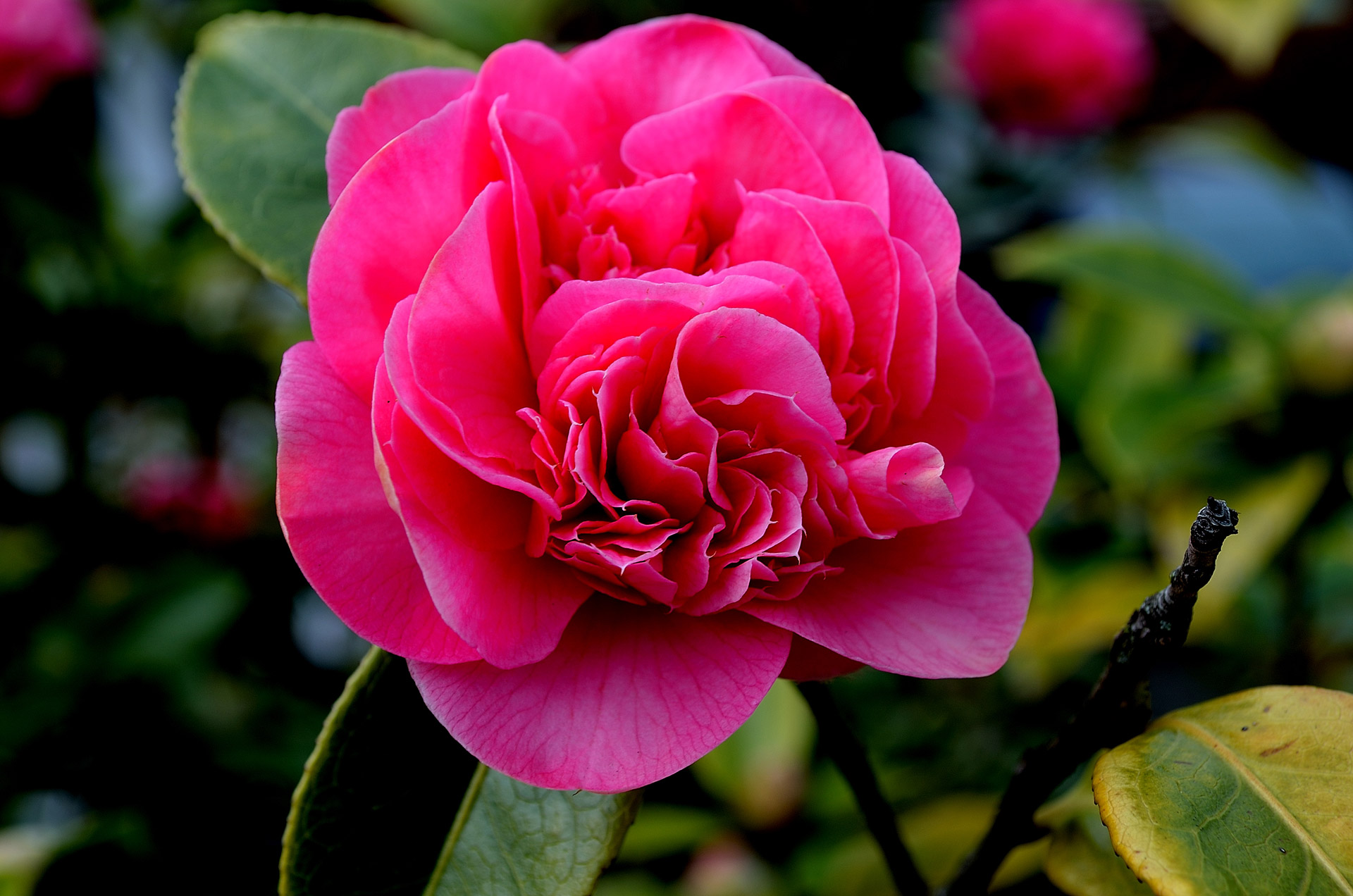
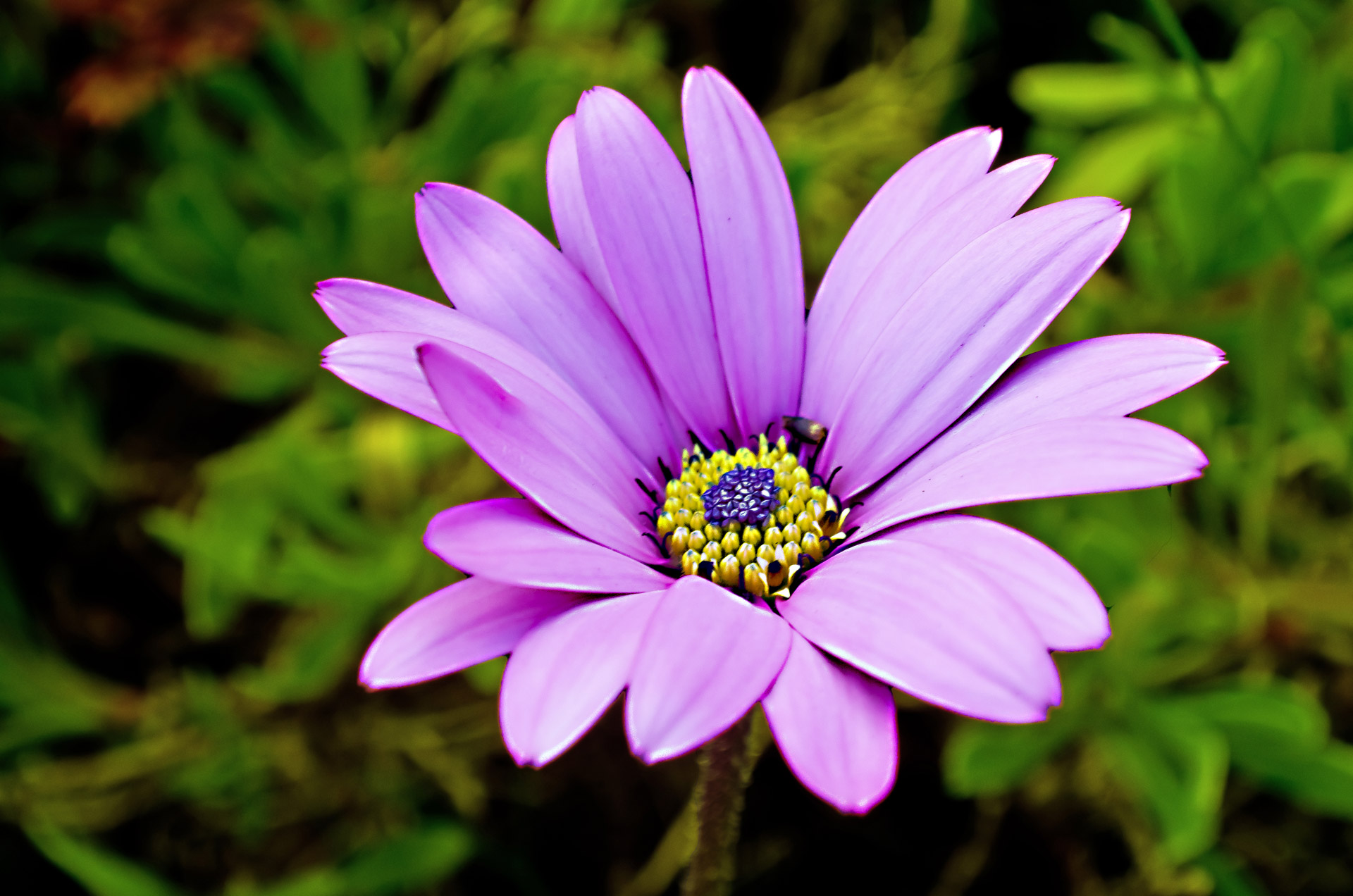
Purple may evoke mystery or spirituality, aligning with its historical ties to royalty and introspection.These associations are culturally reinforced; for example, in Western societies, red roses dominate Valentine’s Day, while in Japan, pink camellias symbolize longing. Cross-cultural studies reveal that while core associations (e.g., red = passion) persist, regional variations exist—such as the use of yellow marigolds in Hindu weddings to represent prosperity and love.
Olfactory Impact: Scent and Emotional Memory in Love Flowers
The sense of smell is uniquely tied to memory and emotion, with floral scents capable of triggering proustian memories—instances where odors evoke vivid, emotionally charged recollections (Herz & Cupchik, 1995). This phenomenon is attributed to the olfactory bulb’s direct connection to the limbic system, which regulates emotions and memory. Key mechanisms include:
Pheromone-like compounds: Some flowers, like jasmine or tuberose, contain volatile organic compounds (VOCs) that may mimic pheromones, subtly influencing mood or attraction. For example, benzyl acetate in jasmine has been linked to increased relaxation and perceived attractiveness in human studies (Zhou & Chen, 2009).
Olfactory memory: Scents associated with romantic partners or significant moments (e.g., a partner’s perfume paired with a specific flower) can reinforce emotional bonds. A study by Aromatherapy Research found that participants exposed to lavender or rose scents reported heightened feelings of trust and intimacy (Field et al., 2005).
Scent and stress reduction: Floral aromas like those of gardenias or peonies have been shown to lower cortisol levels, fostering a sense of calm—an essential component of romantic connection (Moss et al., 2003).Regional Scent Preferences
Cultural exposure shapes scent associations. In Japan, the scent of cherry blossoms (sakura) symbolizes fleeting love (mono no aware), while in France, the musky aroma of tuberose is tied to sensuality. Conversely, in Middle Eastern cultures, the heavy, spiced fragrance of orange blossoms (narjis) dominates weddings, reflecting regional floral traditions.
Lesser-Known Flowers and Their Unique Psychological Associations
Beyond iconic flowers like roses or lilies, lesser-known varieties carry distinct emotional and symbolic weight, often rooted in folklore or linguistic origins. Their names and historical narratives amplify their psychological impact:Forget-Me-Not (Myosotis)
Symbolism: Named for its association with unrequited love in medieval European folklore, where it was believed to grow where lovers’ tears fell. The name itself—“vergissmeinnicht”—evokes longing and remembrance.
Psychological Link: Studies on nostalgia and attachment suggest that flowers with names tied to memory (e.g., forget-me-not) trigger deeper emotional processing, particularly in contexts of loss or long-distance relationships (Wildschut et al., 2006).
Botanical Note: Its tiny blue flowers may subconsciously evoke trust and sincerity, aligning with color psychology research on blue hues.Love-in-a-Mist (Nigella damascena)
Symbolism: In Victorian language of flowers, it represented grief and farewell, but its delicate, lacy appearance also symbolizes whimsy and protection. The name implies a sense of envelopment, as if love is hidden within layers.
Psychological Link: The illusion of concealment may evoke curiosity or introspection, making it a flower associated with unspoken emotions or secret affections. Its self-seeding nature also ties to resilience in love.Honeysuckle (Lonicera)
Symbolism: In Chinese culture, it represents eternal love and marital bliss, while in Western traditions, it symbolizes bondedness and sweetness. The name itself—“honey-suckle”—evokes warmth and indulgence.
Psychological Link: The sweet, intoxicating scent of honeysuckle has been linked to dopamine release, fostering feelings of euphoria and attachment (Lorig, 2007). Its climbing habit may also symbolize persistent, growing love.Bird-of-Paradise (Strelitzia reginae)
Symbolism: In South Africa, it represents paradise and exotic beauty, while its striking appearance evokes awe and admiration. The name suggests transcendence, aligning with its use in ceremonies celebrating rare or extraordinary love.
Psychological Link: The bold, exotic aesthetic may trigger aspiration or fantasy, making it a flower associated with idealized love or long-distance yearning.
Emotional Spectrum of a Single Flower: Roses by Color
The rose exemplifies how a single flower’s emotional resonance varies by color, influenced by cultural conditioning, psychological studies, and regional symbolism. Below is a structured breakdown, including regional variations where applicable:
| Color |
Primary Emotional Association |
Psychological/Cultural Basis |
Regional Variations |
Botanical/Scent Note |
|---|
| Red |
Passion, Desire, Deep Love |
Linked to arousal and intensity via red’s association with blood and vitality (Elliot & Niesta, 2008). Historically tied to Venus (Roman goddess of love) and used in medieval love tokens.
|
- Western cultures: Dominant in Valentine’s Day; symbolizes romantic love.
- China: Represents joy and celebration in weddings.
- Islamic traditions: May symbolize martyrdom or sacrifice in poetic contexts.
|
Strong, spicy scent; thorny stems may symbolize protection or resilience. |
| Pink |
Gratitude, Admiration, Sweetness |
Pink’s softer hue reduces arousal while maintaining warmth, aligning with compassion and tenderness (Dittmar et al., 2014). Often associated with new love or appreciation.
|
- Japan: Symbolizes gratitude and humility (e.g., given to teachers or elders).
- United States: Common in mother’s day or as
Modern Uses and Commercial Representations of Love Flowers
The intersection of love flowers with contemporary industries reflects evolving cultural values, technological advancements, and shifting consumer priorities. From sustainable floristry to digital marketing, these botanical symbols have transcended traditional romantic associations to become versatile tools in commercial storytelling, corporate branding, and social expression. Modern adaptations emphasize ethical sourcing, emotional resonance, and adaptability across diverse contexts—blurring the lines between sentimentality and utility while reinforcing their enduring relevance in global markets.
Commercial Integration in Floristry, Perfumery, and Fashion
The floristry industry has undergone a paradigm shift toward sustainability and personalization, with love flowers like roses, peonies, and orchids repurposed to align with consumer demands for transparency and eco-consciousness. Slow flowers—locally sourced, seasonally harvested blooms—have gained traction as a counterpoint to mass-produced arrangements, emphasizing craftsmanship and reduced environmental impact. Floral designers now incorporate upcycled materials (e.g., dried petals, biodegradable vases) and customizable arrangements (e.g., subscription-based bouquets, AI-generated floral designs) to cater to niche markets.In perfumery, love flowers serve as key ingredients in fragrance formulations, where their symbolic associations are translated into olfactory experiences. For instance:
- Rose dominates luxury niche perfumes (e.g., Chanel No. 5, Guerlain Shalimar) due to its timeless romantic connotations.
- Jasmine and tuberose are favored in modern unisex scents (e.g., Jo Malone’s Myrrh & Tonka, Diptyque’s Eau des Sens) to evoke sensuality without gendered stereotypes.
- Lavender, traditionally linked to calmness, is rebranded in "love-inspired" collections (e.g., L’Occitane’s Pour Homme) to appeal to contemporary relationships emphasizing self-care and mutual respect.
The fashion industry leverages love flowers through floral prints, embroidery, and wearable botanicals, often drawing from cultural motifs. Designers like Florence Welch (Florence + The Machine) and Gucci have incorporated rose and peony patterns into haute couture, while fast-fashion brands (e.g., H&M’s "Love" collection) use affordable floral textiles to tap into seasonal romance trends. Floral tattoos and body art further extend this commercialization, with artists like Kat Von D popularizing delicate rose and lotus designs as symbols of personal love narratives.
While love flowers retain core symbolic meanings, their portrayal in film, advertising, and social media has expanded to reflect contemporary values such as individualism, inclusivity, and digital connectivity. Traditional associations—e.g., red roses for passion, white roses for purity—persist but are increasingly contextualized or subverted to suit modern narratives.- Films and Television:
- Romantic Comedies (e.g., Notting Hill, The Notebook) reinforce classic floral tropes, but recent films like Portrait of a Lady on Fire (2019) use peonies and irises to symbolize queer love, challenging heteronormative conventions.
- Horror and Thrillers (e.g., The Handmaid’s Tale, Crimson Peak) repurpose roses as metaphors for oppression or danger, inverting their traditional symbolism.
- Advertising and Social Media:
- Branded Campaigns: Cadbury’s "Love Story" uses red roses in packaging to evoke timeless romance, while Dove’s "Real Beauty" features lavender and chamomile to promote self-love beyond romantic contexts.
- Social Media Trends:
- #FlowerGifting on platforms like TikTok and Instagram highlights unconventional love flowers (e.g., anemones for anticipation, dahlias for commitment), democratizing floral symbolism.
- Virtual Bouquets: E-commerce platforms (e.g., Bloomscape, The Bouqs Co.) offer digitally delivered arrangements with customizable messages, catering to remote relationships and eco-conscious consumers.
- Cultural Adaptations:
- East Asian Influences: In South Korea, mugunghwa (rose of Sharon) is associated with enduring love, while in Japan, sakura (cherry blossoms) symbolize fleeting romance—a contrast to Western everlasting-flower ideals.
- Feminist Reinterpretations: Movements like #MeToo have repurposed black roses (traditionally mourning symbols) to represent resilience, while white calla lilies are used in protests to signify purity without victim-blaming.
Non-Romantic Applications and Symbolic Adaptations
Love flowers are increasingly deployed in corporate, political, and memorial contexts, where their symbolic flexibility allows for nuanced messaging. These adaptations often recontextualize traditional meanings to serve functional or ideological purposes.- Corporate Gifting and Branding:
- Annual Reports and Awards: Companies like Google and Apple distribute orchid or peony bouquets to employees for milestones, framing professional achievement as a "harvest of love" for teamwork.
- Client Relations: Law firms and real estate agencies use roses or lilies in closing deals, leveraging their association with trust and prosperity (e.g., The Rose Bowl as a metaphor for success).
- Sustainable Workplaces: Offices incorporate living walls with edible flowers (e.g., nasturtiums, pansies) to promote well-being, blending aesthetics with wellness trends.
- Political Campaigns and Diplomacy:
- Campaign Symbolism: Candidates often use sunflowers (optimism) or daisies (peace) to evoke populist or anti-war messages (e.g., John F. Kennedy’s "Peace, Little Girl" photo with a daisy).
- State Visits: Diplomatic bouquets (e.g., orchids in Singapore, camellias in Japan) are exchanged to convey respect, with floral arrangements designed to reflect cultural protocols rather than personal affection.
- Activism: White roses are distributed at climate marches to symbolize hope without aggression, while black roses appear in anti-war protests to represent grief and defiance.
- Memorials and Funerals:
- Personalized Tributes: Families opt for preserved flowers (e.g., dried roses, pressed lilies) in urns or memorial jewelry to extend symbolic connections beyond decay.
- Public Memorials: Cities like New York (9/11 memorial) and Paris (Charlie Hebdo) use white flowers to signify collective mourning, adapting traditional funeral customs for mass trauma.
- Pets and Wildlife: Dogwood and forget-me-nots are incorporated into pet memorials, while wildflower mixes are planted in honor of lost loved ones, merging floral symbolism with environmental stewardship.
Step-by-Step Guide: Selecting, Arranging, and Preserving Love Flowers
The process of choosing, designing, and maintaining love flowers varies by occasion, cultural context, and intended symbolism. Below is a modular guide adaptable to anniversaries, first dates, corporate events, or memorials.
| Step |
Action |
Considerations |
Occasion-Specific Adaptations |
|---|
| 1. Define the Symbolic Intent |
Identify the core emotion or message (e.g., passion, gratitude, remembrance). |
- Romantic: Red roses (passion), peonies (prosperity), orchids (luxury).
- Platonic/Friendship: Yellow roses (joy), sunflowers (loyalty), lavender (calm).
- Memorial: White lilies (purity), chrysanthemums (sorrow in some cultures), forget-me-nots (lasting memory).
- Corporate: Orchids (elegance), hydrangeas (gratitude), eucalyptus (renewal).
|
- Anniversary: Combine roses with symbolic add-ons (e.g., a single white rose

Artistic and Literary Depictions of Love Flowers
Flowers have long served as potent symbols in art and literature, transcending their botanical beauty to embody complex emotions, moral lessons, and cultural narratives. In visual arts, Renaissance and Baroque masters employed floral iconography to encode hidden meanings in portraits and allegorical compositions, while poets and writers from Shakespeare to contemporary authors wove flowers into metaphors for love’s fragility, endurance, and transformative power. This section explores the intersection of floral symbolism with artistic technique and literary tradition, examining how flowers were strategically deployed to convey deeper themes, alongside practical guidance for artists and writers seeking to harness their symbolic potential.
Floral Symbolism in Renaissance and Baroque Portraits and Allegories
Renaissance and Baroque artists frequently integrated flowers into portraits and allegorical works to communicate layered messages—love, power, mortality, and divine grace—through carefully selected species and compositional techniques. These depictions often drew from the language of flosculi (flower symbolism), a tradition rooted in medieval emblem books and expanded by humanist scholars. Artists like Sandro Botticelli, Peter Paul Rubens, and Giovanni Battista Tiepolo used flowers to subtly reference mythological, religious, or personal allegories, ensuring their works resonated on multiple levels.Iconographic Analysis of Key Works
The use of flowers in portraits was not merely decorative but laden with meaning, often tied to the sitter’s identity or the artist’s intent. For example:
- Botticelli’s Primavera (1482): The painting’s central figure, Venus, is surrounded by a garden teeming with flowers, each selected for its symbolic value. Roses (love and beauty), violets (modesty and fidelity), and iris (messenger of the gods) frame the scene, while the myrtle—a plant sacred to Venus—symbolizes marital love and victory. The composition’s circular arrangement mirrors the cyclical nature of love and renewal, reinforcing the theme of divine and earthly passion.
- Rubens’ Allegory of the Senses (c. 1615–1618): In this series, flowers appear in the Allegory of Smell, where a woman’s nose is surrounded by tulips (perfect love), roses (desire), and narcissi (vanity or rebirth). Rubens’ lush, tactile brushwork emphasizes the sensory allure of flowers, linking their physical beauty to emotional and moral dimensions.
- Tiepolo’s Allegory of the Four Seasons (1750s): In the Allegory of Spring, peony (prosperity and compassion) and lilies (purity) dominate, while poppies (sleep, oblivion, or death) appear in the background, creating a tension between life’s vitality and its ephemerality. The inclusion of roses in thorny vines underscores the duality of love’s joys and pains.
Technical Execution and Symbolic Framing
Artists employed specific techniques to amplify the symbolic weight of flowers:
- Framing and Isolation: Flowers placed in vases, garlands, or hands (e.g., in portraits by Hans Holbein the Younger) draw the viewer’s eye to their symbolic significance, often contrasting delicate petals with rigid architectural elements to emphasize fragility.
- Color Contrast: Red roses against dark backgrounds (as in Titian’s Venus of Urbino) heighten their association with passion, while white lilies in gold-leafed settings (e.g., Caravaggio’s Madonna of the Rosary) evoke purity and divine love.
- Seasonal and Mythological Pairings: Spring flowers (e.g., daffodils, hyacinths) symbolized rebirth and fleeting beauty, while evergreens (e.g., holly, laurel) represented endurance, as seen in Arcimboldo’s Floral Still Lifes, where seasonal blooms narrate the passage of time.
Literary Representations of Love Flowers in Poetry and Prose
Flowers have been a staple of romantic and philosophical literature, serving as metaphors for love’s contradictions—its intensity and transience, its divine and profane dimensions. From Shakespeare’s sonnets to Rumi’s Sufi poetry, writers have used floral imagery to explore love’s psychological and spiritual depths. Below, excerpts are organized by thematic motifs, illustrating how flowers encapsulate universal human experiences.Themes and Excerpts
Fleeting Beauty and Mortality
*"Shall I compare thee to a summer’s day?
Thou art more lovely and more temperate:
Rough winds do shake the darling buds of May,
And summer’s lease hath all too short a date..."*
— William Shakespeare, Sonnet 18
Here, the buds of May symbolize youth and potential, while their vulnerability to "rough winds" mirrors the fragility of human love and life. The rose, often implied in such comparisons, is absent but understood as a metaphor for the beloved’s ephemeral beauty.
Eternal Devotion and Transformation
*"The rose is without why,
It blooms because it blooms.
It pays no heed to itself,
And asks no questions..."*
— Rumi, The Essential Rumi
Rumi’s rose embodies selfless love and divine surrender, its blooming an act of pure existence unburdened by human expectations. This aligns with Sufi traditions where the rose represents the soul’s ascent toward the divine.
Passion and Pain
*"A red, red rose that’s newly sprung
In June, love’s in tune with Nature’s song.
A red, red rose that’s newly sprung
When we’re apart it’s like a thorn that stings."
— Robert Burns, A Red, Red Rose
Burns’ red rose captures love’s duality: its vibrant passion ("love’s in tune with Nature’s song") and the suffering of separation ("like a thorn that stings"). The rose’s thorns literalize the pain inherent in romantic longing.
Modern Reinterpretations
*"She gave him a gardenia—white, heavy with meaning. It was the flower of the South, the flower of funerals and weddings, of secrets and confessions. He knew what it meant before she spoke."
— Toni Morrison, The Bluest Eye
Morrison uses the gardenia to symbolize the weight of unspoken emotions and cultural expectations, its dual role in both celebration and mourning reflecting the complexity of love and loss in African American experiences.
Floral Motifs in Contemporary Literature
Modern authors often subvert traditional floral symbolism to reflect contemporary themes:
- Margaret Atwood’s The Penelopiad: The myrtle appears as a symbol of Penelope’s fidelity, but its recurring presence also critiques the passive endurance expected of women in mythic narratives.
- Haruki Murakami’s The Wind-Up Bird Chronicle: Lilies represent both purity and the uncanny, appearing in dreams and visions to signify love’s elusive, almost supernatural nature.
- Chimamanda Ngozi Adichie’s Americanah: Hibiscus flowers symbolize resilience and cultural identity, their vibrant colors contrasting with the protagonist’s experiences of displacement.
Techniques for Illustrating Love Flowers in Art
Creating art that conveys the symbolic depth of love flowers requires intentionality in composition, color theory, and narrative framing. Below are techniques for both traditional and digital artists, emphasizing how to amplify a flower’s metaphorical weight through visual storytelling.Compositional Strategies
- Negative Space and Isolation: Placing a single rose against a minimalist background (e.g., a dark velvet drape) draws attention to its symbolic associations, such as love’s solitude or sacrifice. Artists like Georgia O’Keeffe used this technique to emphasize the flower’s sensuality and vulnerability.
- Repetition and Pattern: Arranging roses in a wreath (as in ancient Greek and Roman art) symbolizes eternal love or victory, while scattered petals (e.g., in Edward Hopper’s Cape Cod Morning) evoke fleeting moments or lost love.
- Contrast with Human Forms: Pairing flowers with hands, faces, or bodies (e.g., Botticelli’s Birth of Venus) reinforces their connection to human emotion. A wilted rose held by a weeping figure (as in John Everett Millais’ Ophelia) underscores love’s tragic consequences.
Color Theory and Symbolic Palettes
- Red: Dominant in roses and poppies, this color signifies passion, danger, and intensity. Artists like Caravaggio used deep crimson roses in
Flowers remain humanity’s enduring medium for expressing love, their meanings rooted in both ancient traditions and contemporary reinterpretations. Whether through the scent of jasmine triggering memories of devotion or the vibrant hues of hibiscus symbolizing warmth, these botanical ambassadors bridge gaps between cultures and eras. As we navigate modern relationships, their symbolic power persists—a reminder that love, like the flowers that represent it, is both timeless and ever-adapting.
FAQ
Which flower symbolizes both love and loyalty?
The red rose is the most classic symbol of love and loyalty, especially in Western cultures. Its deep red hue represents deep affection and enduring commitment. In some traditions, hibiscus also carries meanings of loyalty and devotion, particularly in Hawaiian and tropical cultures.
What flower symbolizes love for parents?
The carnation is the traditional flower for expressing love for parents, especially the white carnation for a mother and the red carnation for a father. Roses (especially pink or red) are also commonly given to show parental appreciation, as they symbolize gratitude and affection.
What flower symbolizes love and admiration?
The pink rose is the most popular choice for admiration and gratitude in love, as it conveys grace, sweetness, and gentle affection. Tulips (particularly pink or white varieties) also symbolize perfect love and admiration, especially in European traditions.
What flower symbolizes love at first sight?
The red rose is the most iconic symbol of love at first sight due to its association with passion and instant attraction. Daffodils are also linked to new beginnings and sudden affection, while sunflowers can represent adoration and strong, immediate feelings.
What flower symbolizes love and friendship?
The yellow rose is the classic symbol for friendship and platonic love, representing joy and camaraderie. Sunflowers also convey loyalty and lasting friendship, while hydrangeas (especially in soft blues or pinks) are often used to express deep bonds between friends.
What flower symbolizes love in Japan?
The cherry blossom (sakura) symbolizes fleeting yet profound love in Japan, representing beauty and transience. Peonies are also deeply tied to romance and marital love, often used in weddings. Morning glories can symbolize deep affection, while camellias represent long-lasting love and admiration.
|
|
|
Leave a Comment
Comments are moderated before appearing. The data you submit is processed according to the Privacy Policy of Velirium.