What Is The Capital Of Quebec And Its Significance
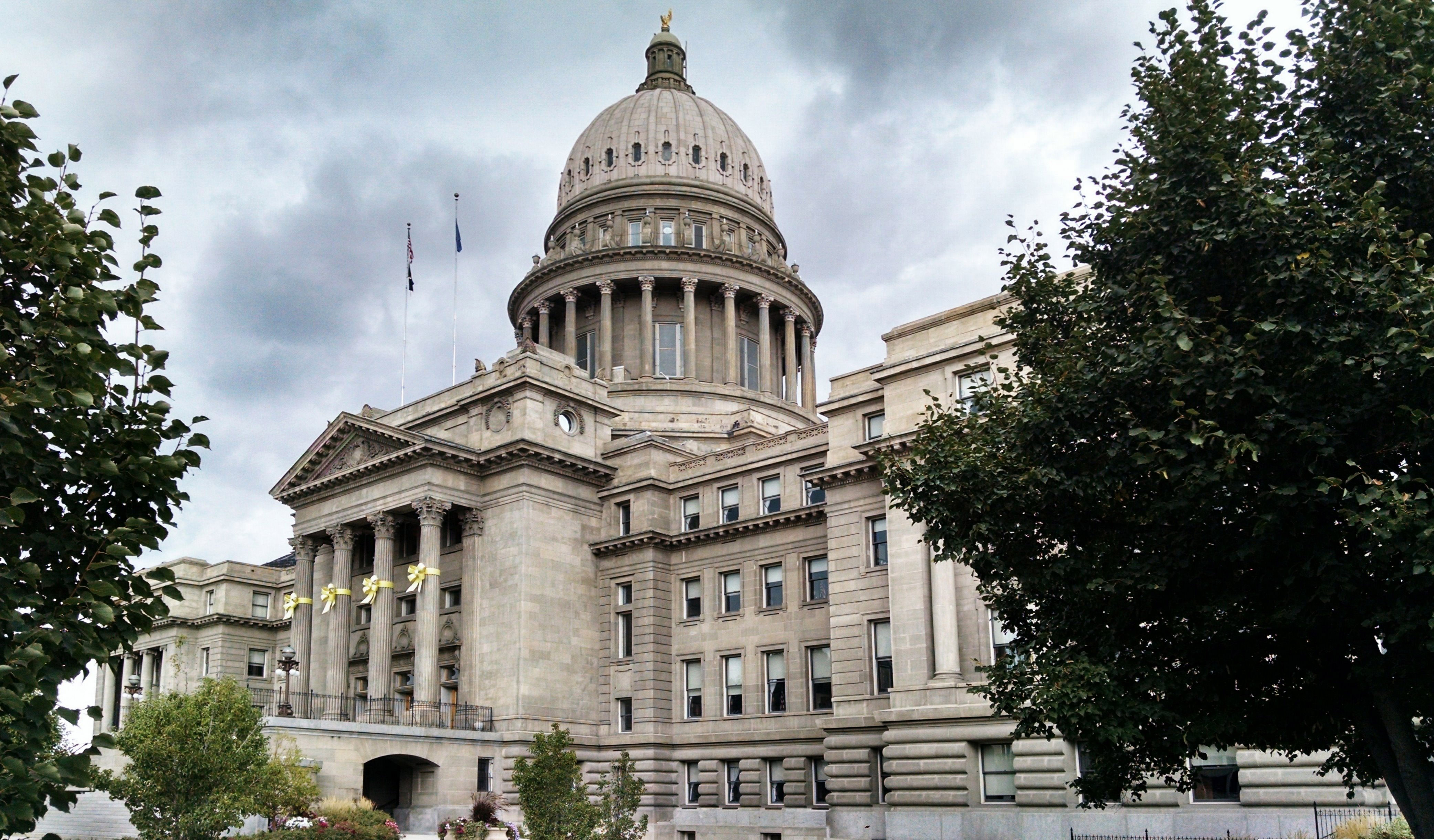
Quebec City stands as the historic and political heart of the Province of Quebec, a distinction rooted in its strategic role during the colonial era and its enduring influence as the seat of provincial governance. Founded in 1608 by Samuel de Champlain, the city’s fortified walls and cobblestone streets preserve a tangible connection to New France, while its modern institutions—such as the National Assembly and the Legislative Assembly—solidify its position as a bastion of Quebecois identity. Unlike Montreal, which thrives as an economic powerhouse, Quebec City’s capital status shapes its cultural, administrative, and symbolic functions, offering a unique blend of heritage and governance that attracts global attention.
The city’s dual legacy as a military stronghold and a political center is epitomized by landmarks like Château Frontenac and the Battle of the Plains of Abraham, where its fate was decided in 1759. Today, Quebec City’s administrative divisions, UNESCO-listed heritage sites, and Francophone-focused policies reinforce its role as a guardian of Quebec’s linguistic and historical sovereignty. Meanwhile, its economic contributions—driven by public administration, tourism, and education—highlight the challenges and opportunities inherent in sustaining a capital city amid Montreal’s commercial dominance.
Geographical and Historical Context of Quebec City as the Capital of Quebec
Quebec City stands as the oldest city in Canada and the historical heart of New France, a pivotal chapter in North American colonial history. Founded in 1608 by Samuel de Champlain, it served as the administrative and military center of France’s North American territories until the British conquest in 1759. Its strategic location along the St. Lawrence River and its fortified walls made it a symbol of French resilience during the Seven Years' War. When Quebec became a province in 1867, the city retained its capital status, contrasting with Montreal’s rapid rise as an economic powerhouse. This duality—political prestige versus economic dynamism—shaped the province’s identity and continues to influence its governance and urban development.The Battle of the Plains of Abraham (1759) marked a turning point in Quebec’s history, as British forces under General Wolfe defeated the French under Marquis de Montcalm, securing British control over New France. Despite this defeat, Quebec City’s legacy endured as a bastion of French culture and governance. The city’s preservation of its colonial architecture, including the Château Frontenac and the Rues Saint-Jean and Saint-Louis, reflects its enduring historical significance. These elements not only attract tourism but also reinforce its role as a cultural and political symbol of Francophone Canada.
Historical Significance of Quebec City in New France and the Battle of the Plains of Abraham
Quebec City’s strategic importance during the colonial era stemmed from its position as the gateway to the St. Lawrence River and the interior of North America. As the capital of New France (1608–1763), it housed the governor’s residence, the Sovereign Council, and the bishop’s palace, making it the administrative and judicial hub of French North America. The city’s fortifications, designed by engineers like Vauban, ensured its dominance in military conflicts, including the 1711 Siege of Quebec, where French forces repelled an Anglo-Iroquois assault.The Battle of the Plains of Abraham (September 13, 1759) decided the fate of New France. British forces, led by General James Wolfe, scaled the cliffs overlooking Quebec City and engaged the French army under Marquis de Montcalm. The battle lasted less than an hour, resulting in the deaths of both commanders and the French withdrawal. This victory allowed Britain to consolidate control over Quebec, leading to the Treaty of Paris (1763), which ceded New France to Britain. Despite the loss, Quebec City’s historical narrative as the cradle of French civilization in North America persisted, later influencing its designation as the capital of the Province of Quebec in 1867.
"The Battle of the Plains of Abraham was not merely a military engagement but a pivotal moment that reshaped the political and cultural landscape of North America, ensuring British dominance while preserving Quebec City’s symbolic role as the heart of French influence."
Timeline: Quebec City’s Evolution from Colonial Capital to Provincial Capital
Quebec City’s transition from a colonial outpost to the capital of the Province of Quebec reflects broader shifts in governance and power dynamics in Canada. Below is a chronological overview of key milestones:- 1608: Samuel de Champlain establishes Hôtel-Dieu de Québec, marking the founding of Quebec City as the first permanent European settlement in New France.
Quebec City as a Political Center Versus Montreal’s Economic Dominance
Quebec City and Montreal represent two distinct yet complementary roles in the province’s development: the former as the political and cultural capital, the latter as the economic engine. Below is a comparative table highlighting their contrasting functions:| Aspect | Quebec City | Montreal |
|---|---|---|
| Primary Role | Political, administrative, and cultural capital of Quebec | Economic, financial, and industrial hub of Quebec and Canada |
| Population (2021 estimates) | 549,299 (city proper); 850,000 (metro) | 1.8 million (city proper); 4.3 million (metro) |
| GDP Contribution (2022) | ~$20 billion (provincial government operations, education, healthcare) | ~$200 billion (finance, aerospace, tech, manufacturing) |
| Historical Trade Routes | St. Lawrence River (furs, timber, colonial administration) | Port of Montreal (grain, manufacturing, international commerce) |
| Key Institutions | National Assembly of Quebec, Château Frontenac, Université Laval | Bourse de Montréal, McGill University, Bombardier HQ |
| Cultural Identity | French Canadian heritage, festivals (e.g., Winter Carnival), UNESCO-listed Old Quebec | Multiculturalism, global business, arts (e.g., Just for Laughs Festival) |
Architectural and Geographical Features Shaping Quebec City’s Identity
Quebec City’s physical layout is a testament to its colonial past, blending military strategy with urban planning. The city’s fortified walls, constructed between 1690 and 1820, were designed to protect against British and Iroquois raids, creating a semi-enclosed urban core. These walls, along with the Citadel of Quebec (a star-shaped fortress built by the British after 1759), symbolize the city’s resilience and its role as a military stronghold.Table of Contents
- Geographical and Historical Context of Quebec City as the Capital of Quebec
- Historical Significance of Quebec City in New France and the Battle of the Plains of Abraham
- Timeline: Quebec City’s Evolution from Colonial Capital to Provincial Capital
- Quebec City as a Political Center Versus Montreal’s Economic Dominance
- Architectural and Geographical Features Shaping Quebec City’s Identity
- Legal and Administrative Functions of Quebec City as the Capital
- Government Institutions and Legislative Functions
- Administrative Divisions and Ministerial Jurisdictions
- Decision-Making Hierarchy: Quebec City to Regional Branches
- Cultural and Symbolic Representation of Quebec City as the Capital of Quebec
- Architectural Landmarks and UNESCO Recognition
- Cultural Institutions Preserving Quebecois Identity
- Festivals and Bilingual Policies as Symbols of Quebecois Nationalism
- Quebec City’s Role in Advancing French Language Policies
- Economic Impact and Infrastructure of Quebec City as the Capital
- Primary Economic Sectors Driven by Government Presence
- Infrastructure Projects Supporting Quebec City’s Capital Role
- Cost of Living, Business Taxes, and Comparative Fiscal Incentives
- Economic Challenges Posed by Quebec City’s Capital Status
- Tourism and Global Perception of Quebec City as the Capital
- Key Tourist Attractions Reflecting Quebec City’s Capital Status
- International Marketing as the "Capital of New France" and Francophone Tourism
- Visitor Demographics: Quebec City vs. Montreal
- FAQ
- What is the capital of Quebec in Canada?
- What is the capital of the Quebec province?
- What is the capital of Quebec City?
- What is the capital of Quebec in French?
- Where is the capital of Quebec located in Canada?
- What is the capital city of the Quebec province?
The cobblestone streets of Old Quebec, particularly Rue Saint-Jean and Rue Saint-Louis, preserve the city’s 17th- and 18th-century charm, lined with stone buildings that house government offices, museums, and historic hotels like the Château Frontenac. The St. Lawrence River, which borders the city to the north, has been both a defensive barrier and a vital trade route, facilitating the transport of goods from the interior of the continent to European markets. The river’s proximity also influenced the city’s expansion, with neighborhoods like Petit-Champlain and Place Royale developing along its banks.
"Quebec City’s fortified walls and cobblestone streets are not merely architectural relics but living symbols of its enduring French heritage, distinguishing it from other North American cities and reinforcing its identity as a unique cultural and political entity."The city’s elevation, with cliffs rising over 100 meters above the river, provided natural fortifications, while the Lower Town (Basse-Ville) and Upper Town (Haute-Ville)
Legal and Administrative Functions of Quebec City as the Capital
Quebec City serves as the political and administrative hub of the Province of Quebec, hosting critical institutions that define its governance structure and legislative authority. The capital’s role extends beyond symbolic representation, embedding it within the operational framework of provincial decision-making, legal enforcement, and public administration. Its institutions, including the National Assembly and associated ministries, coordinate policies that influence Quebec’s economic, social, and cultural landscape while maintaining distinct legal frameworks that differentiate it from other Canadian provincial capitals.The concentration of government functions in Quebec City ensures centralized oversight of provincial laws, budgetary allocations, and intergovernmental relations. This section examines the specific legal and administrative entities based in the capital, their hierarchical interactions, and the comparative legal frameworks that govern Quebec City’s unique status as both a capital and a municipal jurisdiction.
Government Institutions and Legislative Functions
The National Assembly of Quebec (Assemblée nationale du Québec) is the provincial legislature responsible for enacting laws, approving budgets, and scrutinizing executive actions. Located in the Château Frontenac and adjacent parliamentary buildings, it operates under a semi-presidential system, where the Premier of Quebec (currently François Legault) leads the government while the Speaker of the National Assembly oversees legislative proceedings.Key legislative bodies and their functions include:
The National Assembly’s Act to Establish the National Assembly and Its Rules of Procedure (1980) outlines its powers, including the ability to override executive orders via resolutions and to summon ministers for questioning during Question Period.The assembly’s work is supported by the Bureau de l’Assemblée nationale, which manages administrative tasks such as session scheduling, Hansard records, and public access to legislative documents. Unlike federal institutions in Ottawa, Quebec’s legislative process incorporates bilingualism provisions (French as the official language, with English services for specific cases) and parity protections for minority-language rights under the Charter of the French Language (1977).
Administrative Divisions and Ministerial Jurisdictions
Quebec City hosts the Council of Ministers (Conseil des ministres), where the Premier and cabinet members (currently 27 ministers) deliberate policy directions. The Presidential Office (Bureau du président du Conseil des ministres) coordinates these meetings, ensuring alignment with the Provincial Budget Act, which must be approved annually by the National Assembly.The provincial government’s administrative structure is organized into 18 ministries, each headquartered in Quebec City or its surrounding regions. These ministries are categorized into three broad sectors:
-
Core Governance and Public Services
- Ministry of Finance (Ministère des Finances): Manages the provincial budget, tax policies (e.g., Quebec Sales Tax (QST), Provincial Income Tax), and economic forecasting. It operates under the Financial Administration Act (2013), which mandates transparency in public spending.
- Ministry of Government Services (Ministère des Services gouvernementaux): Oversees procurement, information technology infrastructure (e.g., SIM – Integrated Management System), and digital transformation initiatives like Quebec’s Open Data Portal.
- Ministry of Justice (Ministère de la Justice): Drafts legislation, enforces the Civil Code of Quebec, and administers courts (e.g., Court of Quebec, Superior Court). It also coordinates with the Director of Criminal and Penal Prosecutions for public prosecutions.
-
Social and Health Services
- Ministry of Health and Social Services (Ministère de la Santé et des Services sociaux): Governs healthcare delivery through 19 regional health authorities (CISSS/CIUSSS) and the Quebec Health Insurance Fund (RAMQ). Key policies include the 2023-2028 Healthcare Plan, which allocates $65 billion annually to public healthcare.
- Ministry of Education (Ministère de l’Éducation): Regulates the public education system, including 1,800 schools and 17 school boards. It enforces the Education Act (2005) and oversees CEGEPs (pre-university colleges) and universities.
- Ministry of Families, Children and the Status of Women (Ministère de la Famille, des Aînés et de la Condition féminine): Administers social programs like the Quebec Parental Insurance Plan (QPIP) and childcare subsidies under the 2023-2024 Action Plan for Childcare, which aims to reduce waiting lists.
-
Economic Development and Infrastructure
- Ministry of Economy, Innovation and Energy (Ministère de l’Économie, de l’Innovation et de l’Énergie): Promotes industrial growth, renewable energy projects (e.g., Hydro-Québec’s 2030 decarbonization targets), and foreign investment. It operates under the Act Respecting the Ministère de l’Économie (2015).
- Ministry of Transportation and Sustainable Mobility (Ministère des Transports et de la Mobilité durable): Manages Quebec’s road network (17,000 km of highways), public transit (e.g., STM in Montreal), and sustainable mobility policies like electric vehicle incentives.
- Ministry of Municipal Affairs, Housing and Occupational Housing (Ministère des Affaires municipales et de l’Habitation): Regulates municipal governance, housing standards, and rent control laws. It also oversees Quebec’s 1,100 municipalities, including Quebec City’s 2022-2026 Urban Mobility Plan.
Decision-Making Hierarchy: Quebec City to Regional Branches
The provincial government’s administrative hierarchy follows a top-down model, with Quebec City as the primary decision-making center. The flowchart below outlines the three-tier structure connecting the capital to regional offices, ensuring policy implementation while allowing local adaptation.| Level | Entity | Key Functions | Regional Equivalents | |||||||||||||||||||||||||||||||||
|---|---|---|---|---|---|---|---|---|---|---|---|---|---|---|---|---|---|---|---|---|---|---|---|---|---|---|---|---|---|---|---|---|---|---|---|---|
| 1. Provincial (Quebec City) | National Assembly | Legislation, oversight, budget approval | N/A (Centralized) | |||||||||||||||||||||||||||||||||
| Council of Ministers | Policy direction, executive orders | N/A | ||||||||||||||||||||||||||||||||||
| Ministries (e.g., Health, Education) | Drafting regulations, interministerial coordination | Regional directorates (e.g., Direction régionale de santé publique) | ||||||||||||||||||||||||||||||||||
| Treasury Board Secretariat
Cultural and Symbolic Representation of Quebec City as the Capital of QuebecQuebec City stands as a living testament to the Francophone heritage of Quebec, embodying the province’s historical depth, linguistic identity, and cultural resilience. Its UNESCO World Heritage-listed Old Quebec district, with its cobblestone streets and 17th- and 18th-century architecture, serves as a tangible link to New France’s colonial past while simultaneously asserting Quebec’s distinct cultural narrative. Beyond its historical landmarks, the city hosts institutions dedicated to preserving and celebrating Quebecois identity, reinforcing its role as both a cultural guardian and a symbol of Francophone pride in North America.Architectural Landmarks and UNESCO RecognitionQuebec City’s skyline and streetscape are dominated by structures that reflect its layered history and Francophone heritage. Château Frontenac, the iconic castle-like hotel overlooking the St. Lawrence River, epitomizes the city’s blend of European grandeur and North American identity. Built in 1893, it stands as a symbol of Quebec’s resistance to Anglo-American cultural assimilation, its design inspired by French Renaissance châteaux while serving as a hub for tourism and diplomacy. The Old Quebec district, declared a UNESCO World Heritage Site in 1985, preserves over 400 years of architectural evolution, from the Petit-Champlain neighborhood’s 17th-century merchant houses to the Notre-Dame-des-Victoires Church, a key site in the city’s religious and maritime history.The Place Royale, the oldest urban park in North America, further illustrates Quebec’s Francophone roots. Established in 1608 by Samuel de Champlain, it was the original site of the city’s settlement and remains a gathering place for cultural events, including the annual Festival d’été de Québec, one of the largest Francophone music festivals in the world. These landmarks collectively reinforce Quebec City’s status as a symbol of Francophone continuity, contrasting with the predominantly English-speaking regions of Canada. Cultural Institutions Preserving Quebecois IdentityQuebec City is home to a network of cultural institutions that actively contribute to the preservation and promotion of Quebec’s language, history, and artistic traditions. The Musée de la Civilisation, one of Canada’s largest museums, focuses on Quebec’s social history, Indigenous heritage, and contemporary cultural expressions. Through exhibitions like "Les Québécois: Une histoire populaire" (2016), it explores the province’s collective identity, emphasizing Francophone resilience and regional distinctiveness. Similarly, the Musée des Ursulines, housed in a 17th-century convent, showcases Quebec’s religious and educational history, highlighting the role of French-speaking religious orders in shaping early Quebec society.The Théâtre du Vieux-Québec and the Grand Théâtre de Québec are central to the city’s Francophone cultural scene. The former, a restored 17th-century building, hosts plays, concerts, and performances in French, reinforcing the language’s dominance in the performing arts. The latter, a modern venue, collaborates with national and international artists while prioritizing Quebecois creators, ensuring local narratives remain central. Additionally, the Bibliothèque de l’Assemblée nationale du Québec, located in the Parliament Building, preserves historical documents and promotes Francophone literature, further cementing Quebec City’s role as a cultural and linguistic bastion. Festivals and Bilingual Policies as Symbols of Quebecois NationalismQuebec City’s festivals serve as vibrant expressions of its Francophone identity while attracting international audiences, thereby softening cultural tensions. The Carnaval de Québec, the world’s largest winter carnival, blends French-Canadian traditions with modern celebrations. Events like the Bonhomme Carnival (a snowman mascot) and the Parade of Lights draw over a million visitors annually, showcasing Quebec’s ability to merge heritage with contemporary culture. The carnival’s official language is French, and its themes often highlight Quebecois values, such as resilience in harsh climates and communal festivity.The city’s bilingual policies—though secondary to French—reflect its unique position as a Francophone capital within a bilingual country. While Bill 101 (Charter of the French Language), enacted in 1977, mandates French as the primary language in Quebec’s public and commercial spheres, Quebec City enforces these regulations with particular vigor. For instance, street signs, government communications, and business operations in the capital are predominantly in French, with English used only where necessary for clarity. This approach distinguishes Quebec City from Montreal, where bilingualism is more pronounced, reinforcing its image as the epicenter of Quebec’s linguistic sovereignty. Quebec City’s architecture, festivals, and linguistic policies collectively position it as the embodiment of Quebecois nationalism—a city where the past and present coalesce to affirm Francophone identity. Its UNESCO-listed heritage, cultural institutions, and unwavering commitment to French language policies distinguish it as a symbolic capital, not merely of Quebec, but of Francophone North America. Quebec City’s Role in Advancing French Language PoliciesAs the political and administrative capital of Quebec, Quebec City plays a pivotal role in enforcing and promoting French language policies that set the province apart from the rest of Canada. The Parliament Building, with its neoclassical design and prominent French inscriptions, serves as a daily reminder of Quebec’s linguistic priorities. The Office québécois de la langue française (OQLF), based in Quebec City, oversees the implementation of Bill 101, ensuring compliance in education, commerce, and public services. The city’s universities, such as Université Laval, are leaders in Francophone education, with strict admission requirements for non-Francophone students in certain programs, further solidifying French as the language of academic and professional advancement.Compared to other regions, Quebec City’s status as a capital amplifies its influence in shaping Quebec’s linguistic landscape. While Montreal’s economic and cultural diversity necessitates a more flexible approach to bilingualism, Quebec City’s role as the administrative heart allows for a more assertive promotion of French. For example, the city’s public transit system operates exclusively in French, and its municipal government prioritizes Francophone hiring and services. This contrast underscores Quebec City’s function as a model of linguistic purity, reinforcing Quebec’s distinct identity within Canada. Public Administration and Government Services The concentration of government institutions in Quebec City generates multiplier effects, with indirect employment in legal, consulting, and administrative support services exceeding 30,000 positions (Conference Board of Canada, 2021).Education as an Economic Anchor Quebec City’s role as an educational hub—home to Université Laval (Canada’s oldest French-language university) and CEGEPs—injects $1.5 billion annually into the local economy through tuition fees, research grants, and student spending (Tourisme Québec, 2023). Université Laval alone employs 12,000 staff and faculty while attracting $300 million in research funding (2022–2023), with sectors like biotechnology and AI benefiting from academic-industry collaborations. Tourism and Seasonal Economic Dependence Infrastructure Projects Supporting Quebec City’s Capital RoleStrategic infrastructure investments have reinforced Quebec City’s economic resilience, particularly in transportation, port development, and urban connectivity, aligning with its capital functions while addressing regional growth demands.Port of Québec: A Logistics and Trade Gateway The port’s economic ripple effect extends beyond trade, supporting 15,000 jobs in logistics, manufacturing, and related services (Port of Québec, 2023).Public Transit and Urban Mobility Quebec City’s transit system, operated by Réseau de transport de la Capitale (RTC), serves 120 million passengers annually (2023 data). Recent and planned infrastructure include: Challenges in Infrastructure Sustainability Cost of Living, Business Taxes, and Comparative Fiscal IncentivesQuebec City’s economic environment is shaped by lower taxes and living costs compared to other Canadian capitals, though its seasonal economy and housing shortages introduce unique challenges for businesses and residents.Cost of Living: Affordability Relative to Other Capitals
Quebec’s 19.9% combined QST/GST rate is higher than Ottawa’s 16% HST, but targeted incentives mitigate this for capital-related enterprises: Comparison with Competitor Capitals Economic Challenges Posed by Quebec City’s Capital StatusWhile Quebec City’s capital role provides economic stability, it also introduces structural vulnerabilities, including housing shortages, seasonal economic fluctuations, and investment competition with Montreal.
Tourism and Global Perception of Quebec City as the CapitalQuebec City’s designation as the capital of the province of Quebec shapes its identity as a cultural, historical, and political hub, attracting tourists drawn to its institutional significance and Francophone heritage. As the oldest city in Canada, it serves as a living museum of New France, blending colonial architecture with modern governance, while its role as the seat of provincial power reinforces its global appeal. The city’s tourism strategy leverages its capital status to position itself as a distinct destination—contrasting with Montreal’s cosmopolitan identity—by emphasizing its political landmarks, Francophone cultural diplomacy, and historical narrative as the "Capital of New France." Media portrayals, from historical films to international news coverage, further solidify its image as a symbol of Quebec’s sovereignty and Francophonie.Key Tourist Attractions Reflecting Quebec City’s Capital StatusThe city’s political and administrative landmarks serve as primary magnets for visitors, offering tangible connections to Quebec’s governance and history. These sites are not merely tourist destinations but active symbols of the province’s identity, frequently hosting official ceremonies, diplomatic events, and cultural programs that underscore their capital function.
International Marketing as the "Capital of New France" and Francophone TourismQuebec City’s tourism promotion emphasizes its historical legacy as the capital of New France (Nouvelle-France), a narrative that resonates with Francophone audiences in Europe and Africa. The Ministère du Tourisme du Québec and Tourisme Québec collaborate with international organizations such as the Organisation internationale de la Francophonie (OIF) to position the city as a cultural bridge between Quebec and the broader Francophone world. This strategy targets:"Quebec City is not just a destination; it is a living testament to the resilience of the French language in North America. Our marketing highlights its role as the cradle of French civilization on this continent, appealing to those who see themselves as part of a larger Francophone identity."Key initiatives include: Visitor Demographics: Quebec City vs. MontrealQuebec City and Montreal, while both major tourist destinations, attract distinct visitor profiles shaped by their respective roles as the political/cultural capital and economic/metropolitan hub. Below is a comparative analysis of visitor demographics, focusing on motivations tied to the capital’s institutional and historical significance.
|

Leave a Comment
Comments are moderated before appearing. The data you submit is processed according to the Privacy Policy of Velirium.