What Is The Capital City Australia Explained Comprehensively
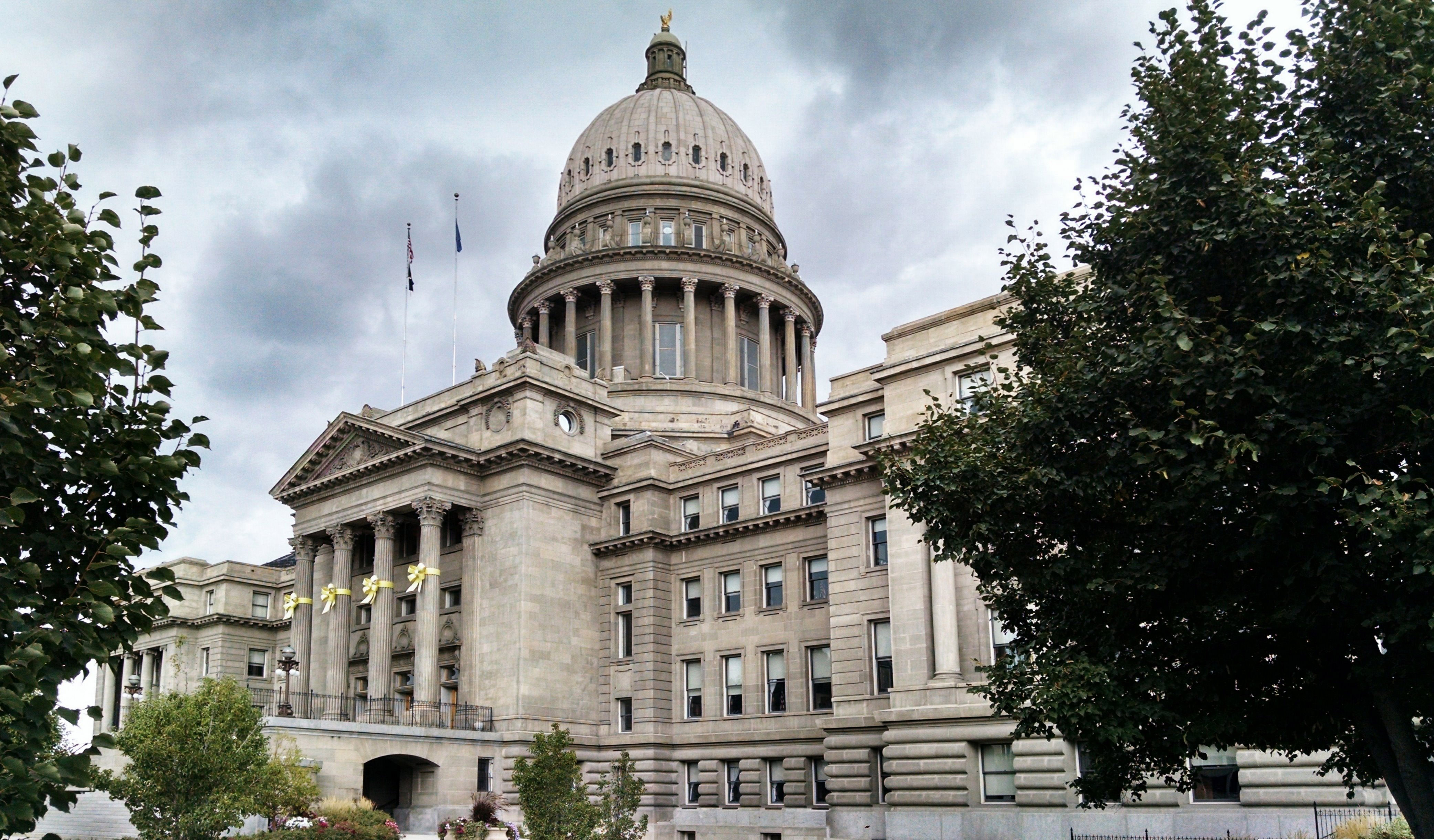
Australia’s national identity is embodied in its capital city, a carefully chosen urban center designed to symbolize unity and governance. The selection of Canberra in 1908 marked a historic compromise between Sydney and Melbourne, resolving decades of rivalry to establish a purpose-built capital that would serve as the heart of federal administration. Beyond its political significance, Canberra stands as a testament to modern urban planning, blending functional governance with architectural grandeur that reflects Australia’s democratic values and multicultural heritage.
The city’s evolution from a sparsely populated region to a thriving metropolis underscores its dual role as both a governmental hub and a cultural destination. Unlike traditional capitals shaped by organic growth, Canberra was meticulously designed with wide avenues, institutional precincts, and symbolic landmarks such as Parliament House and the Australian War Memorial. These elements collectively position the city as a unique fusion of political authority, historical legacy, and contemporary innovation, distinguishing it from other global capitals.
Geographical and Political Context of Australia’s Capital: The Selection and Evolution of Canberra
The establishment of Canberra as Australia’s capital in 1913 marked a deliberate compromise between Sydney and Melbourne, the two most prominent cities during the federation process. The decision reflected broader political, economic, and symbolic considerations, ensuring a neutral yet strategically positioned capital that could unify a newly formed nation. This section examines the historical negotiations, key legislative milestones, and the deliberate architectural symbolism that defined Canberra’s role in Australian identity.Historical Compromise: Sydney vs. Melbourne and the Birth of Canberra
The selection of Canberra as Australia’s capital emerged from a prolonged political rivalry between Sydney and Melbourne, the two largest and most economically dominant cities in the late 19th century. Both cities fiercely contested the honor, with Sydney advocating for its historical significance as the first British settlement (1788) and Melbourne positioning itself as the commercial and cultural heart of the newly federated nation (1901). The compromise was formalized through the Seat of Government Act 1908, which mandated the creation of a purpose-built capital in a location between the two cities, ensuring neither held undue political advantage.The compromise was not merely symbolic but a pragmatic solution to prevent regional divisions. Key figures in the debate included:
The Federal Capital Advisory Committee oversaw the selection of the site in 1909, choosing a region near the Molonglo and Yarra River confluence, approximately 280 km southwest of Sydney and 660 km northwest of Melbourne. This location balanced accessibility, defensibility, and geographical centrality.
Timeline of Key Events Leading to Canberra’s Establishment
The transition from political debate to physical reality involved several critical legislative and administrative steps, culminating in Canberra’s official inauguration. Below is a chronological overview of the defining moments:-
1 January 1901: Federation of Australia occurs, with Melbourne serving as the temporary capital due to its central position and infrastructure.
Melbourne’s role was interim, as the new Commonwealth government sought a permanent capital that could represent the entire nation equitably.
- 9 July 1908: The Seat of Government Act 1908 is passed by the Australian Parliament, authorizing the establishment of a new capital in a location between Sydney and Melbourne. The act also stipulates that the capital must be at least 100 miles (160 km) from Sydney and 50 miles (80 km) from Melbourne.
- December 1909: The Federal Capital Advisory Committee selects a site near the Molonglo River, later named Canberra, from 23 competing proposals. The choice prioritized topography, water supply, and strategic defensibility.
- 12 March 1911: The Design Competition for the Federal Capital is won by Walter Burley Griffin, whose plan integrated natural features with axial symmetry, a design influenced by the City Beautiful movement. Griffin’s vision emphasized open spaces, ceremonial axes, and integration with the surrounding landscape.
-
12 March 1913: Canberra is officially named by Lady Denman, the wife of Governor-General Lord Denman, during a ceremonial event. The name derives from the local Ngunnawal Aboriginal word "Kamberra", meaning "meeting place" or "place of mulberries."
The naming acknowledged the Indigenous significance of the land, though the formal recognition of Aboriginal custodianship occurred much later in Australian history.
- 9 May 1927: The Proclamation of Canberra as the Federal Capital is signed by Governor-General Lord Forster, marking the official transfer of administrative functions from Melbourne. The first sitting of Parliament in Canberra took place on 9 May 1927, though construction was still ongoing.
- 1958–1988: Major expansions occur, including the construction of Parliament House (completed in 1988), designed to accommodate modern legislative needs and symbolize Australia’s democratic evolution.
Comparative Analysis: Sydney, Melbourne, and Canberra
The rivalry between Sydney, Melbourne, and Canberra extends beyond historical politics into economic, demographic, and symbolic dimensions. Below is a comparative table highlighting key distinctions:| Factor | Sydney | Melbourne | Canberra |
|---|---|---|---|
| Population (2023 estimates) | 5.3 million (Greater Sydney) | 5.1 million (Greater Melbourne) | 460,000 (Canberra proper); 4.7 million (ACT region including Queanbeyan) |
| Economic Significance | Australia’s financial hub, home to the Australian Securities Exchange (ASX), major banks (e.g., Commonwealth Bank, Westpac), and global corporations (e.g., Woolworths, Qantas). | Cultural and media capital, with strong arts (e.g., Arts Centre Melbourne), education (University of Melbourne), and manufacturing sectors. | Public sector-driven economy, with employment dominated by federal government agencies (e.g., Australian Bureau of Statistics, Defence), universities (ANU), and tourism. |
| Political Influence | Historically contested the capital role; remains a power base for conservative and business-oriented lobbying. | Early capital of Victoria; retains influence as a center for progressive policy debates and labor movements. | Sole seat of federal government, hosting Parliament House, High Court, and diplomatic missions. Acts as a neutral political arena. |
| Historical Role | First British settlement (1788); colonial capital of New South Wales until 1901. | Capital of Victoria; temporary capital of Australia (1901–1927). | Purpose-built capital, designed to symbolize national unity and avoid regional bias. |
| Architectural and Cultural Identity | Iconic landmarks include the Sydney Opera House (1973) and Harbour Bridge, reflecting maritime heritage. | Known for Federation Square, Royal Exhibition Building, and a strong European-influenced urban fabric. | Planned city with axial symmetry, featuring Parliament House (designed by Romaldo Giurgola), Australian War Memorial, and Lake Burley Griffin. Architecture emphasizes democratic ideals and Indigenous heritage (e.g., Ngunnawal cultural spaces). |
| Climate and Geography | Coastal subtropical climate; prone to bushfires and flooding. | Temperate with four distinct seasons; higher rainfall than Sydney. | Continental climate with hot summers and cold winters; located in the Australian Capital Territory (ACT), surrounded by New South Wales. |
Symbolic Architecture of Canberra: Civic Design and National Identity
Canberra’s urban layout and architecture were intentionally designed to embody Australia’s democratic values, historical narrative, and cultural diversity. Unlike organic city growth, Canberra’s axial planning—inspired by Griffin’s "The Plan"—creates a deliberate visual hierarchy centered on power and governance.Table of Contents
- Geographical and Political Context of Australia’s Capital: The Selection and Evolution of Canberra
- Historical Compromise: Sydney vs. Melbourne and the Birth of Canberra
- Timeline of Key Events Leading to Canberra’s Establishment
- Comparative Analysis: Sydney, Melbourne, and Canberra
- Symbolic Architecture of Canberra: Civic Design and National Identity
- Administrative Functions and Government Operations in Canberra
- Legislative and Executive Functions
- Judicial Authority and Legal Framework
- Urban Planning and Government Efficiency
- Major Government Departments and Agencies in Canberra
- Notable Political and Administrative Decisions Shaped in Canberra
- Demographics and Cultural Landscape of Canberra
- Population Composition and Transient Workforce
- Cultural Scene: Festivals, Museums, and National Heritage
- Indigenous Landmarks and Heritage Sites
- Key Cultural Institutions and Visitor Statistics
- Economic Role and Infrastructure in Canberra
- Government Employment and Economic Dependence
- Infrastructure Development to Support Growth
- Emerging Industries and National Economic Contributions
- Economic Partnerships with Sydney and Melbourne
- Tourism and Visitor Experience in Canberra
- Structured 3-Day Tourist Itinerary for Canberra
- Seasonal Attractions and Their Impact on Tourism
- Logistics for Visiting Canberra
- Challenges and Future Prospects of Canberra
- Urban Challenges in Canberra
- Proposed Solutions and Smart City Initiatives
- Canberra’s Role in Hosting International Events
- Growth Projections: Canberra vs. Other Australian Capital Cities
- FAQ
- What is the capital city of Australia?
- What is the capital of Australia, and what should I know about it?
- Which country has Australia as its capital city?
- Has the capital of Australia changed recently, or is it still Canberra?
- Is Sydney the capital of Australia, or is it something else?
- What are the capital cities of Australia and New Zealand?
Key architectural and symbolic elements include:
-
Parliament House (1988)
The modernist structure, designed by Romaldo Giurgola, replaces the provisional Parliament House (1927) and incorporates:
- A hilltop setting symbolizing authority and oversight.
- Indigenous
Administrative Functions and Government Operations in Canberra
Canberra’s designation as Australia’s federal capital is underpinned by its critical role as the administrative hub of the nation’s government. As the seat of the Commonwealth, the city houses the core institutions responsible for legislative, judicial, and executive functions, ensuring the efficient operation of Australia’s federal system. Beyond its symbolic significance, Canberra’s urban design and institutional infrastructure reflect deliberate planning to balance governance efficiency with public accessibility, reinforcing its status as a model of functional capital city architecture. - Department of the Prime Minister and Cabinet (PM&C): Coordinates federal policy, national security, and Cabinet operations.
- Attorney-General’s Department: Advises on constitutional law, federalism, and legal reforms.
- Australian Electoral Commission (AEC): Oversees federal elections, referendums, and voter registration.
- Department of Defence (DoD): Manages the Australian Defence Force (ADF), including the Army, Navy, and Air Force.
- Australian Security Intelligence Organisation (ASIO): Conducts counterterrorism, espionage, and security intelligence.
- Australian Federal Police (AFP): Enforces federal law, including cybercrime and organized crime investigations.
- Department of the Treasury: Develops economic policy, fiscal strategy, and financial regulation.
- Australian Taxation Office (ATO): Administers tax collection, compliance, and superannuation regulation.
- Reserve Bank of Australia (RBA): While headquartered in Sydney, the RBA maintains a Canberra office for policy coordination with the Treasury.
- Department of Health: Leads healthcare policy, including Medicare, pharmaceutical benefits, and pandemic response.
- Services Australia: Manages social security payments, childcare subsidies, and disability support.
- Australian Health Practitioner Regulation Agency (AHPRA): Regulates healthcare professionals’ licensing and standards.
- Department of Education, Skills and Employment: Oversees schools, vocational training, and higher education funding.
- Australian Research Council (ARC): Funds scientific research and innovation across universities.
- CSIRO (Commonwealth Scientific and Industrial Research Organisation): Conducts applied research in agriculture, energy, and digital technologies.
- Department of Infrastructure, Transport, Regional Development, Communications and the Arts: Manages transport networks, broadband infrastructure, and regional development.
- Department of Climate Change, Energy, the Environment and Water: Leads climate policy, emissions reduction, and water resource management.
- Geoscience Australia: Provides geological, geophysical, and hazard assessment data for national planning.
- Department of Prime Minister and Cabinet (Indigenous Affairs Portfolio): Coordinates policies on Indigenous rights, land management, and constitutional recognition.
- National Indigenous Australians Agency (NIAA): Implements government strategies for Indigenous advancement, including education and employment programs.
- Canberra International Music Festival (CIMF): Showcases orchestral and contemporary performances, often featuring Australian composers.
- Floriade: A springtime horticultural festival attracting over 500,000 visitors annually, themed around environmental sustainability.
- NAIDOC Week: Highlights Indigenous culture through art, music, and storytelling, with events at the National Museum of Australia and Questacon.
- Canberra Festival: A month-long celebration of theater, dance, and visual arts, curated to reflect Australia’s diverse communities.
- National Gallery of Australia (NGA): Houses over 166,000 works, including Indigenous art, European masterpieces, and contemporary Australian pieces. It recorded 1.2 million visitors in 2022–23.
- Questacon – The National Science and Technology Centre: A hands-on science museum with 500,000 annual visitors, focusing on interactive exhibits for all ages.
- National Museum of Australia: Explores Australian history, culture, and Indigenous heritage, attracting 800,000 visitors annually.
- Tuggeranong Homestead: A historic Ngunnawal meeting place, now a heritage-listed site managed by the Ngunnawal Land and Heritage Association.
- Canberra Deep Space Communication Complex (CDSCC): Operated in partnership with the Ngunnawal people, this NASA facility acknowledges Indigenous astronomy traditions.
- Yarralumla Heritage Walk: A guided tour highlighting Ngunnawal cultural sites, including rock art and burial grounds.
- Ngunnawal Language Revival: The city’s Ngunnawal language programs in schools and public signs reflect efforts to preserve Indigenous linguistic heritage.
- Australian Public Service (APS), employing ~60,000 across departments like Treasury, Foreign Affairs, and Home Affairs.
- Defense and intelligence agencies, such as the Australian Defence Force (ADF), Australian Signals Directorate (ASD), and Australian Security Intelligence Organisation (ASIO), contributing ~15,000 jobs.
- Research and education institutions, including the Australian National University (ANU) and Commonwealth Scientific and Industrial Research Organisation (CSIRO), which drive innovation in science and technology.
-
Transport and Mobility
Canberra’s light rail network, launched in 2019, serves as a case study in addressing commuter needs. The Stage 2A extension (2024) will connect Woden to Canberra Airport, reducing reliance on private vehicles. Additionally, the North–South Corridor road upgrades aim to alleviate traffic between Belconnen and Tuggeranong, two of the city’s fastest-growing regions.The ACT Government’s 2023 Transport Strategy projects a 40% increase in public transport usage by 2040, driven by light rail and bus rapid transit expansions.
-
Urban Expansion and Housing
To accommodate growth, Greenfield developments such as Gungahlin, Molonglo Valley, and Jerrabomberra are under construction, featuring mixed-use precincts with residential, commercial, and retail spaces. The Canberra Metro (a proposed underground rail system) could further decentralize employment hubs, reducing pressure on the CBD. -
Digital and Smart City Initiatives
Canberra is a global leader in smart city technologies, with projects like the Canberra Smart City Framework integrating IoT sensors for waste management, traffic monitoring, and energy efficiency. The ACT Government’s Digital Economy Strategy also positions Canberra as a hub for fintech and cybersecurity, attracting firms like Canva, Atlassian, and Google’s ACT-based data centers. -
Defense and Space Technology
Canberra hosts Defence Science and Technology Group (DSTG) and ASPI (Australian Strategic Policy Institute), making it a global defense innovation hub. Key contributions include:
- Hypersonic and autonomous weapons research, in collaboration with Boeing Australia and Lockheed Martin.
- Space sector growth, with CSIRO’s Parkes Observatory and ANU’s space research supporting Australia’s AUD 12 billion space industry. The 2023 Defence Industry Policy identifies Canberra as a priority location for defense manufacturing, with AUD 1.5 billion allocated for local production of drones and cybersecurity systems.
-
Technology and Cybersecurity
Canberra’s cybersecurity ecosystem is bolstered by institutions like ANU’s Cyber Security Cooperative Research Centre (CSCC) and ASD’s cyber defense initiatives. The city is home to:
- Over 1,200 tech startups, including Canva (valued at AUD 15 billion) and Rocket Lab’s Australian space launch facility in Koonibba.
- National Cyber Security Centre (ACSC), which employs ~500 specialists and collaborates with private firms like Optus and Telstra.
-
Education and Research Commercialization
ANU and CSIRO drive spin-off companies in biotechnology, quantum computing, and renewable energy. Notable examples include:
- Silicon Quantum Computing (SQC), a AUD 1.2 billion venture commercializing quantum technology.
- CSIRO’s agricultural innovations, such as drought-resistant wheat, adopted by farmers nationwide.
-
Commuting and Labor Mobility
The Sydney–Canberra corridor is a high-traffic economic link, with ~15,000 daily commuters traveling between the cities. The Canberra-Melbourne rail link, though not yet operational, is planned to reduce travel time to 2 hours by 2035, enhancing business connectivity.A 2022 Deloitte report estimates that a high-speed rail connection could boost Canberra’s GDP by AUD 5 billion annually through increased trade and tourism.
-
Defense and Intelligence Collaboration
Sydney and Melbourne host major defense contractors (e.g., BAE Systems, Thales), while Canberra provides policy and research expertise. Joint projects include:
- Joint Strike Fighter (F-35) maintenance, conducted at RAAF Base Williamtown (near Newcastle) but overseen by Canberra-based Defence Materiel Organisation (DMO).
- Cybersecurity partnerships, such as the ACSC’s collaboration with Melbourne’s RMIT University for AI-driven threat detection.
-
Education and Research Networks
Canberra’s universities partner with Sydney’s University of Sydney and Melbourne’s University of Melbourne in:
- Joint research grants, including AUD 50 million from the ARC for quantum computing projects.
- Student exchange programs, with ~10,000 students annually traveling between the three cities for higher education.
- Australian Parliament House: Begin with a guided tour of the Parliament House, including the Exhibition Gallery and the historic Old Parliament House (a listed building with interactive exhibits on Australia’s democracy). Bookings are recommended for peak seasons.
- Lake Burley Griffin: Walk along the lakefront, offering panoramic views of the city’s skyline, including the Canberra Deep Space Communication Complex (a UNESCO-listed facility) and the National Carillon, where visitors can ring the bells.
- Old Parliament House: Explore the Old Parliament House Art Collection, featuring works by Australian artists, and the Fossil Exhibit in the courtyard.
- National Gallery of Australia (NGA): Dedicate 2–3 hours to the NGA’s extensive collection, including Indigenous Australian art, European masterpieces, and contemporary works. Highlights include The Potato Eaters by Van Gogh and The Spirit of the Law by Yhonnie Scarce.
- Questacon – The National Science and Technology Centre: Ideal for families or science enthusiasts, Questacon offers interactive exhibits on physics, biology, and technology. The Space Gallery and Energy Lab are particularly engaging.
- Lunch: Dining Room (modern Australian cuisine) or Tilley’s Café (casual, near the lake) for a lakeside meal.
- National Portrait Gallery: Located in the same complex as the NGA, this gallery features portraits of Australians from colonial times to present, including Indigenous leaders and cultural icons.
- Canberra Glassworks: For a creative evening, visit this studio where visitors can watch glassblowing demonstrations or participate in workshops. The adjacent Canberra Glassworks Gallery showcases local and international glass art.
- Sunset at Black Mountain Tower: End the day with a short drive or hike to the tower for 360-degree views of the city, especially stunning during autumn or winter.
- Floriade (September–October): Australia’s largest flower festival, featuring themed gardens, floral art, and international exhibits at the Tidbinbilla Nature Reserve and Canberra Showground.
- Spring Wildflower Displays: Parks such as Griffith Park and Kingston Gardens bloom with native species like grevilleas and waratahs.
- Outdoor Dining: Cafés and restaurants extend their seating areas, with many offering seasonal menus featuring local produce.
- Canberra Festival (March, but events spill into late summer): A month-long celebration of arts, music, and performance, including the Canberra International Youth Festival.
- Lake Burley Griffin Water Activities: Kayaking, paddleboarding, and electric boat tours are popular, with Canberra Sailing Club offering rentals.
- National Zoo & Aquarium: Summer is peak season for wildlife encounters, including koalas, kangaroos, and the Sea Dragon exhibit.
- Open-Air Cinemas: Canberra Theatre Centre and National Arboretum host outdoor movie screenings.
- Autumn Foliage Trails: Self-guided walks in Red Hill Nature Park and Tidbinbilla Nature Reserve showcase vibrant reds, oranges, and yellows.
- Winter Festivals: While technically winter, events like the Canberra Winter Fest (June–August) include ice skating at Canberra Ice Skating Centre, light displays, and carol concerts.
- Harvest Markets: Canberra Farmers’ Market (held at various locations) features seasonal produce, artisanal goods, and live music.
- Canberra Winter Fest: A month-long celebration with activities like ice skating, snow play areas, and fireworks displays.
- Indoor Cultural Experiences: The National Museum of Australia and Questacon offer immersive exhibits, while Canberra Theatre Centre presents winter-themed performances.
- Snowy Mountains Day Trips: Visitors can experience snow activities at Perisher or Thredbo, with scenic drives through the Snowy Mountains Highway.
- Canberra Airport (CBR): Served by Qantas, Virgin Australia, and Jetstar, with direct flights from Sydney (1-hour flight), Melbourne (1.5 hours), and Brisbane (2 hours). International arrivals typically connect via Sydney or Melbourne.
- Airport Transfers:
- ACT Coastliner Bus (Route 900): Connects the airport to Civic (city center) for AUD $10 (one way).
- Taxi/Uber: Approximately 20–30 minutes to Civic, costing AUD $40–$60 depending on traffic.
- Rental Cars: Available at the airport, ideal for exploring nearby regions like Yass Valley or Snowy Mountains.
- ACT Buses: Operated by Transport Canberra, the network covers major attractions with a MyWay Card (reloadable smart card) or contactless payment. Key routes include:
- Route 1: Parliament House to Woden.
- Route 2: City to Belconnen.
- Route 9: City to Gungahlin.
- Light Rail: The Canberra Light Rail (opened 2019) connects Civic to Woden, Belconnen,
- Zoning restrictions limiting vertical development in designated green belts.
- Supply chain disruptions in construction materials, delaying new housing projects.
- High land costs in proximity to employment hubs, pushing affordability beyond reach for lower-income households.
- Expansion of the light rail network beyond the CBD to suburbs like Belconnen and Woden.
- Implementation of congestion pricing in high-traffic zones, similar to Melbourne’s City Loop.
- Integration of micro-mobility solutions (e-vehicles, bike-sharing) with existing transit systems.
- Water scarcity: The Murrumbidgee River and Cotter Reservoir supply 90% of Canberra’s water, but drought risks and over-extraction threaten long-term security.
- Urban heat island effect: Temperatures in the CBD exceed 38°C in summer, exacerbated by concrete infrastructure and limited green spaces.
- Biodiversity loss: Development encroachment on the Namadgi National Park and ACT’s conservation reserves disrupts native species like the southern brown bandicoot.
- Real-time traffic management: Deployment of adaptive traffic signal systems at 50+ intersections, reducing delays by 15% (pilot results, 2023).
- Energy-efficient buildings: Mandatory NABERS 5-star ratings for new government buildings, with solar panel requirements for all commercial developments.
- Digital twins: A 3D virtual model of Canberra is being developed to simulate infrastructure impacts before physical construction (collaboration with CSIRO and ANU).
- Zero Net Energy (ZNE) buildings: All new public buildings must achieve ZNE status, with 100% renewable energy sourced from the Canberra District Energy System (geothermal and solar).
- Urban greening programs: Expansion of cool corridors (e.g., Yerrabi Pond) and vertical gardens in high-rise developments to combat heat islands.
- Waste reduction targets: A 50% reduction in landfill waste by 2030, achieved through composting mandates and recycling innovation hubs.
- Light rail expansion: Phase 2 of the Canberra Light Rail (Belconnen to Woden) is set for completion by 2026, with plans to extend to Gungahlin by 2030.
- Electric vehicle (EV) infrastructure: 500+ fast-charging stations installed across the ACT, supported by subsidies for EV uptake (e.g., $3,000 rebate for low-income households).
- Car-sharing and ride-sourcing integration: Partnerships with Uber and GoGet to reduce private vehicle reliance in the CBD.
- APEC Australia 2021: Hosted virtually and in-person hybrid meetings, focusing on post-pandemic economic recovery and digital trade.
- 2020 Summit for Democracy: Co-hosted with the U.S. and EU, addressing human rights and democratic governance in a post-COVID world.
- Future of Work Summits: Collaborations with MIT and the World Economic Forum to discuss AI and labor market transformations.
- 2018 Commonwealth Games: Hosted aquatics and beach volleyball events, attracting 10,000+ international visitors.
- 2023 Netball World Cup: Featured at Manuka Oval, with record attendance and economic impact of $50M+.
- Upcoming Events:
- 2026 FIFA Women’s World Cup (co-hosting with Sydney and Brisbane).
- 2030 Summer Olympics bid (potential co-hosting with Sydney for equestrian and modern pentathlon).
- Tourism spikes: A 30% increase in visitors during major events, with 25% of attendees being first-time visitors.
- Infrastructure upgrades: $1.5 billion invested in venues (e.g., expansion of Canberra Stadium) since 2010.
- Global brand positioning: Canberra is increasingly recognized as a secure, innovative, and culturally vibrant capital, attracting foreign direct investment (FDI) in defense, tech, and education sectors.
The city’s administrative framework is structured to support the three branches of government—legislative, executive, and judicial—while accommodating specialized agencies that shape national policy. Its radial layout, characterized by wide avenues and institutional precincts, facilitates both internal governmental coordination and public engagement. The presence of major government departments and agencies in Canberra underscores its role as the nerve center of federal administration, where decisions are formulated, implemented, and scrutinized.
Legislative and Executive Functions
Canberra serves as the operational base for Australia’s legislative and executive authorities, with Parliament House at its core. Inaugurated in 1988, this iconic structure hosts the House of Representatives and the Senate, where federal laws are debated, drafted, and enacted. Adjacent to Parliament House, the Prime Minister’s Office (located in Old Parliament House, now a museum, and operational offices in John McEwen Centre) coordinates executive policy, while the Department of the Prime Minister and Cabinet (PM&C) oversees strategic governance, including national security and interdepartmental coordination.The Government House, residence of the Governor-General (the Queen’s representative), symbolizes the constitutional monarchy’s role in federal governance. Nearby, the Cabinet Office and Department of the Treasury manage fiscal policy and economic oversight, ensuring alignment between legislative priorities and economic stability. The Department of Foreign Affairs and Trade (DFAT) operates from Canberra’s Central Business District (CBD), reinforcing the city’s role in international diplomacy and trade negotiations.
Judicial Authority and Legal Framework
Canberra’s judicial functions are centralized in the High Court of Australia, the nation’s highest court, which interprets the Constitution and resolves disputes between states or citizens. Established in 1980, the High Court’s Kingsford Smith Building complex includes the courtroom, library, and administrative offices. Its rulings shape federal law, influence constitutional amendments, and settle matters of national significance, such as the Mabo decision (1992), which recognized Indigenous land rights.Supporting the High Court, the Federal Court of Australia and the Family Court of Australia also maintain offices in Canberra, handling civil disputes, intellectual property cases, and family law matters. The Australian Federal Police (AFP) Headquarters and the Australian Security Intelligence Organisation (ASIO) further solidify Canberra’s role in national security and law enforcement, with the latter overseeing counterterrorism and espionage prevention.
Urban Planning and Government Efficiency
Canberra’s radial city plan, designed by American urban planner Walter Burley Griffin and executed in the early 20th century, prioritizes functionality and accessibility. The city’s axial layout, featuring wide avenues (e.g., North-South Axis, East-West Axis) and institutional precincts, minimizes congestion while ensuring proximity between key government buildings. For instance, Parliament House, the High Court, and Prime Minister’s offices are clustered within a 2-kilometer radius, reducing travel time for officials and facilitating interdepartmental collaboration.The Lake Burley Griffin, a central waterway, serves as a visual and functional divider, enhancing the city’s aesthetic appeal while providing a natural barrier against urban sprawl. Public spaces, such as Capital Hill and Kingston Foreshore, integrate recreational areas with government functions, promoting transparency and citizen engagement. The Canberra Deep Space Communication Complex (operated by NASA and CSIRO) exemplifies the city’s role in scientific governance, located strategically to avoid electromagnetic interference while supporting national research initiatives.
Major Government Departments and Agencies in Canberra
Canberra hosts over 60% of Australia’s federal public service workforce, with departments and agencies spanning defense, health, education, and infrastructure. Below is a categorized list of key institutions and their primary functions:1. Legislative and Constitutional Affairs
2. Defense and Security
3. Economic and Fiscal Policy
4. Health and Social Services
5. Education and Innovation
6. Infrastructure and Environment
7. Indigenous Affairs and Reconciliation
Notable Political and Administrative Decisions Shaped in Canberra
"The 1967 Referendum and the Path to Constitutional Recognition"The decision to establish Medicare in 1975 under Prime Minister Gough Whitlam (a Canberra-based policy) also exemplifies the city’s influence on national welfare. Similarly, the 2008 National Broadband Network (NBN) announcement, made in Canberra, reshaped Australia’s digital infrastructure, highlighting the capital’s role in shaping long-term economic and technological strategies.
On 27 May 1967, Australia held a national referendum in Canberra that resulted in a 90.77% "Yes" vote, amending the Constitution to include Indigenous Australians in the census and allowing the federal government to legislate for their welfare. This landmark decision, driven by cross-party consensus and public campaigning, marked a pivotal shift in Indigenous rights, though it fell short of full constitutional recognition—a goal later pursued through the 2017 Uluru Statement from the Heart and ongoing parliamentary debates. The referendum’s success demonstrated Canberra’s role as a platform for progressive social reform, setting a precedent for future Indigenous policy advancements.
Demographics and Cultural Landscape of Canberra
Canberra’s demographic composition and cultural identity reflect its dual role as both a planned administrative capital and a vibrant urban center. Unlike other Australian cities, its population is shaped by transient government employees, a significant Indigenous presence, and a deliberate emphasis on national heritage. The city’s cultural institutions, festivals, and Indigenous landmarks distinguish it as a unique hub for civic engagement and artistic expression. Below, the population structure and cultural offerings are examined, alongside the significance of Indigenous heritage in shaping Canberra’s identity.Population Composition and Transient Workforce
Canberra’s population of approximately 462,000 (as of 2023) exhibits distinct characteristics compared to other Australian capital cities. The city’s workforce is heavily influenced by its role as the national capital, with over 25% of residents employed in public administration or defense (ABS, 2023). This includes federal government employees, diplomats, and contractors, contributing to a higher proportion of transient workers—many of whom relocate for short-term assignments. Unlike Sydney or Melbourne, where long-term residency is more common, Canberra’s population turnover is elevated, with nearly 40% of residents born overseas (primarily from the UK, China, and New Zealand), reflecting its international diplomatic and administrative functions.Indigenous Australians constitute 3.8% of Canberra’s population, a higher proportion than the national average of 3.8% but lower than cities like Darwin (30.5%) (ABS, 2021). The Ngunnawal people, the traditional custodians of the Canberra region, maintain a visible cultural presence through land acknowledgments, heritage programs, and the Canberra Indigenous Art Centre. Additionally, the city hosts a growing student population, with 30,000+ enrolled in universities (ANU and UC), further diversifying its demographic profile.
Cultural Scene: Festivals, Museums, and National Heritage
Canberra’s cultural landscape is designed to celebrate Australian identity, blending contemporary arts with historical narratives. Unlike Sydney’s global arts festivals or Melbourne’s multicultural events, Canberra’s offerings emphasize national heritage, Indigenous storytelling, and civic engagement. Key annual festivals include:The city’s museums and galleries serve as pillars of national education:
Canberra’s cultural institutions are distinguished by their mandate to preserve national narratives, unlike commercial galleries in other cities that prioritize global or commercial art trends.
Indigenous Landmarks and Heritage Sites
Indigenous heritage is integral to Canberra’s identity, with the Ngunnawal people playing a central role in shaping its cultural landscape. Key sites include:The Canberra Indigenous Art Centre supports local artists, while the National Museum’s Indigenous galleries feature works by Emily Kame Kngwarreye and Ronnie Tjampitjin. These sites underscore Canberra’s commitment to reconciliation and cultural sovereignty, distinguishing it from other Australian cities where Indigenous representation is less prominent in urban planning.
Key Cultural Institutions and Visitor Statistics
The following table outlines Canberra’s major cultural institutions, their annual visitor figures, and their unique contributions to the city’s identity:| Institution | Annual Visitors (2022–23) | Key Focus | Notable Features |
|---|---|---|---|
| National Gallery of Australia (NGA) | 1,200,000 | Australian and international art, Indigenous culture | Works by Albert Namatjira, Sidney Nolan, and Yayoi Kusama; First Nations Gallery dedicated to Aboriginal and Torres Strait Islander art. |
| Questacon | 500,000 | Science, technology, and innovation | Interactive exhibits on space exploration, climate science, and Indigenous astronomy; NASA partnership for educational programs. |
| National Museum of Australia | 800,000 | Australian history, Indigenous heritage | Exhibits on First Fleet, Stolen Generations, and modern multiculturalism; Treasures Gallery featuring Mimi Spirit House (Kakadu culture). |
| Australian War Memorial | 1,000,000 | Military history, remembrance | Largest collection of ANZAC memorabilia; Sacred Objects Gallery with Indigenous wartime artifacts. |
| Canberra Glassworks | 150,000 | Contemporary glass art | Studio demonstrations by local and international artists; Glassblowing workshops for public engagement. |
Canberra’s cultural institutions are uniquely positioned to educate, preserve, and celebrate Australian identity, with a stronger emphasis on national heritage compared to other capital cities. The integration of Indigenous perspectives—through landmarks, art, and language programs—further distinguishes its cultural landscape.
Economic Role and Infrastructure in Canberra
Canberra’s economic structure is fundamentally distinct from other major Australian cities due to its primary reliance on federal government employment, which constitutes over 70% of the city’s workforce. Unlike Sydney or Melbourne, which diversify their economies across finance, trade, and corporate sectors, Canberra’s growth is intrinsically tied to public administration, defense, and research institutions. This reliance shapes its infrastructure priorities, investment trends, and emerging industries, while its strategic location between Sydney and Melbourne enhances its role in national economic partnerships.The city’s economic model presents both opportunities and challenges. While government-driven stability ensures low unemployment rates and high wages, it also creates vulnerability to federal budget fluctuations. Infrastructure development, particularly in transport and technology, is critical to accommodating rapid population growth—projected to reach 500,000 by 2030—and improving connectivity with neighboring regions. Emerging sectors such as cybersecurity, advanced manufacturing, and renewable energy are diversifying Canberra’s economic base, aligning with national strategic priorities.
Government Employment and Economic Dependence
Canberra’s economy operates on a public-sector-centric model, where federal government agencies, defense organizations, and research institutions dominate employment. Key employers include:The 2021–22 Australian Bureau of Statistics (ABS) data confirms that 72.5% of Canberra’s workforce is employed in public administration, defense, and education—far exceeding the national average of 18% for public-sector employment.This concentration creates a multiplier effect, where government spending on salaries, contracts, and infrastructure stimulates local businesses, particularly in professional services, hospitality, and real estate. However, economic shocks—such as budget cuts or policy shifts—can disproportionately impact Canberra’s labor market. For instance, the 2014–15 federal budget cuts led to a 3.1% contraction in Canberra’s GDP, highlighting its economic fragility compared to commercially driven cities like Sydney or Brisbane.
Infrastructure Development to Support Growth
Canberra’s population grew by 22% between 2016 and 2021, the fastest rate among Australia’s capital cities, necessitating AUD 20 billion in infrastructure investments by 2030. Key projects focus on transport efficiency, urban expansion, and digital connectivity to mitigate congestion and improve livability.Emerging Industries and National Economic Contributions
While government employment remains dominant, Canberra is cultivating high-growth sectors that contribute to Australia’s national competitiveness. These industries leverage the city’s research expertise, defense capabilities, and proximity to federal decision-makers.Economic Partnerships with Sydney and Melbourne
Canberra’s geographical proximity to Sydney (280 km) and Melbourne (660 km) fosters strategic economic collaborations, particularly in trade, education, and defense. These relationships mitigate Canberra’s economic isolation while leveraging the strengths of Australia’s two largest cities.
Tourism and Visitor Experience in Canberra
Canberra, designed as a planned capital, offers a unique blend of cultural, historical, and natural attractions that cater to diverse visitor interests. Its distinct identity as a city of institutions, green spaces, and contemporary architecture ensures an engaging experience for tourists seeking both education and leisure. The city’s seasonal variations further enhance its appeal, providing distinct visual and recreational opportunities throughout the year.Canberra’s tourism strategy emphasizes accessibility, sustainability, and immersive experiences, making it a favored destination for domestic and international travelers. The city’s compact yet well-organized layout facilitates seamless exploration, while its proximity to national parks and heritage sites adds depth to its offerings. Logistical considerations, such as transportation and accommodation, are streamlined to accommodate varying visitor needs, from short-day trips to extended stays.
Structured 3-Day Tourist Itinerary for Canberra
A well-planned itinerary balances Canberra’s iconic landmarks with lesser-known cultural and natural gems, ensuring visitors experience both its historical significance and modern dynamism. The following three-day schedule prioritizes accessibility, thematic cohesion, and seasonal adaptability, with options for customization based on visitor preferences.Day 1: National Institutions and Iconic Landmarks
Canberra’s identity as Australia’s political and cultural hub is best explored through its national institutions and symbolic architecture. This day focuses on government precincts, museums, and landmarks that define the city’s purpose and heritage.
- Morning: Parliamentary Triangle and National Landmarks
- Afternoon: Cultural and Scientific Institutions
- Evening: Contemporary Art and Sunset Views
Seasonal Attractions and Their Impact on Tourism
Canberra’s climate and seasonal changes significantly influence tourism patterns, with each season offering distinct attractions that draw visitors seeking specific experiences. Understanding these variations helps travelers plan visits aligned with their interests, whether for scenic beauty, festivals, or outdoor activities.Spring (September–November)
Spring transforms Canberra into a vibrant tapestry of colors, particularly in its gardens and national parks. The Royal Canberra Show (September) celebrates agriculture and rural life, while the Canberra International Music Festival (October) attracts classical music enthusiasts. The Autumn Foliage in nearby Namadgi National Park (though technically autumn, the transition begins in late spring) adds to the allure.
- Key Attractions:
Summer (December–February)
Summer in Canberra is mild compared to other Australian capitals, with average temperatures ranging from 15°C to 28°C. The season is ideal for outdoor activities, cultural events, and family visits.
- Key Attractions:
Autumn (March–May)
Autumn is renowned for its golden hues, particularly in Mount Ainslie Lookout and Black Mountain, making it a prime time for photography and nature walks. The Canberra International Music Festival (October) and Canberra Winter Fest (June–August) draw cultural tourists.
- Key Attractions:
Winter (June–August)
Winter in Canberra is crisp and dry, with occasional snowfall in nearby regions like Perisher (3-hour drive). The city’s indoor attractions, such as museums and galleries, gain prominence, alongside winter-themed events.
- Key Attractions:
Logistics for Visiting Canberra
Efficient planning is essential for a smooth tourist experience in Canberra, given its role as a secondary capital with limited international flights. The city’s transportation network, accommodation options, and seasonal considerations must be aligned with visitor expectations to ensure accessibility and comfort.Transportation Options
Canberra’s compact size and well-integrated public transport system make it accessible for both domestic and international travelers. Options range from self-drive to guided tours, catering to varying mobility and budget needs.
- By Air:
- Public Transport:
Challenges and Future Prospects of Canberra
Canberra’s status as Australia’s planned capital presents unique opportunities for sustainable urban development, yet it also confronts significant challenges in housing, infrastructure, and environmental stewardship. As the national political and administrative hub, its growth trajectory is influenced by federal policies, demographic shifts, and global trends in smart governance. Addressing these challenges—such as traffic congestion, housing affordability, and climate resilience—requires innovative solutions, including smart city technologies and green infrastructure. Additionally, Canberra’s role in hosting high-profile international events reinforces its geopolitical significance, shaping its reputation as a modern, inclusive, and globally engaged capital.The city’s future prospects hinge on balancing rapid population growth with environmental sustainability, leveraging its status as a testbed for urban innovation. Strategic investments in public transport, renewable energy, and cultural infrastructure will determine Canberra’s ability to remain a competitive and livable capital in the coming decade.
Urban Challenges in Canberra
Canberra faces three critical urban challenges that reflect broader trends in Australian capital cities but are exacerbated by its unique administrative function and geographic isolation.Housing Shortages and Affordability
The demand for housing in Canberra has surged due to federal government employment growth, interstate migration, and limited land availability within the planned city boundaries. According to the Australian Bureau of Statistics (ABS), Canberra’s housing vacancy rate remains below the national average, with median house prices rising by 12.3% annually (2022–2023). The lack of high-density development outside the central business district (CBD) and reliance on suburban sprawl further strain infrastructure and public services. Key factors include:
Traffic Congestion and Transport Inefficiencies
Canberra’s car-dependent urban layout, combined with a public transport modal share of only 8% (compared to Sydney’s 30%), results in severe traffic congestion during peak hours. The ACT Government’s 2023 Transport Strategy highlights that 30% of trips in Canberra are under 5 kilometers, yet only 15% of residents use active transport (walking/cycling). Bottlenecks occur at key intersections (e.g., Northbourne Avenue, Barton Highway) and along the Monaro Highway, which connects to the federal government precinct. Proposed solutions include:
Environmental Sustainability Pressures
As a city designed with sustainability in mind, Canberra aims to achieve net-zero emissions by 2045, yet challenges persist in aligning growth with ecological goals. Key issues include:
Proposed Solutions and Smart City Initiatives
Canberra’s challenges are being addressed through a combination of government-led policies, private-sector innovation, and international collaborations. These initiatives position the city as a model for smart, resilient urban development in Australia.Smart City Technologies and Digital Governance
The ACT Government’s Smart Canberra Strategy focuses on leveraging IoT (Internet of Things), AI, and data analytics to optimize city operations. Key projects include:
Green Building and Sustainable Infrastructure
To mitigate environmental pressures, Canberra has adopted strict green building codes and circular economy principles:
Transport and Mobility Innovations
The Canberra Integrated Transport Plan (2023–2040) prioritizes multi-modal connectivity and active transport:
Canberra’s Role in Hosting International Events
Canberra’s strategic positioning as Australia’s political capital enhances its capacity to host high-profile international events, reinforcing its role in global diplomacy, sports, and cultural exchange. These events not only boost tourism but also elevate Canberra’s soft power on the world stage.Diplomatic and Political Summits
Canberra has emerged as a preferred venue for multilateral summits due to its neutrality, security infrastructure, and proximity to Asia-Pacific hubs. Notable events include:
Sports and Cultural Mega-Events
Canberra’s world-class venues (e.g., Canberra Stadium, Manuka Oval, Deep Creek Pool) have positioned it as a regional sports hub:
Economic and Reputational Benefits
Hosting international events contributes $1.2 billion annually to Canberra’s economy (ACT Government, 2023) through:
Leave a Comment
Comments are moderated before appearing. The data you submit is processed according to the Privacy Policy of Velirium.