What Color Eyeshadow For Blue Eyes Enhances Natural Beauty

Blue eyes possess a unique depth and luminosity that can be further accentuated through strategic eyeshadow selection, rooted in pigment science and color theory. By leveraging complementary hues and understanding undertone interactions, individuals with blue irises unlock a spectrum of possibilities—from icy jewel tones to warm metallics—that amplify their natural eye color. This guide explores the fundamental principles governing shade selection, seasonal trends, and application techniques to ensure optimal visual impact.
The interplay between cool and warm undertones determines how eyeshadow shades interact with blue eyes, influencing everything from perceived intensity to overall harmony. Whether aiming for a subtle enhancement or a bold statement, the right palette can transform blue eyes into a striking focal point. Below, we dissect the science behind complementary colors, seasonal adaptations, and professional-grade techniques to achieve flawless, long-lasting results tailored specifically for blue-eyed individuals.

Color Theory Fundamentals for Enhancing Blue Eyes with Eyeshadow
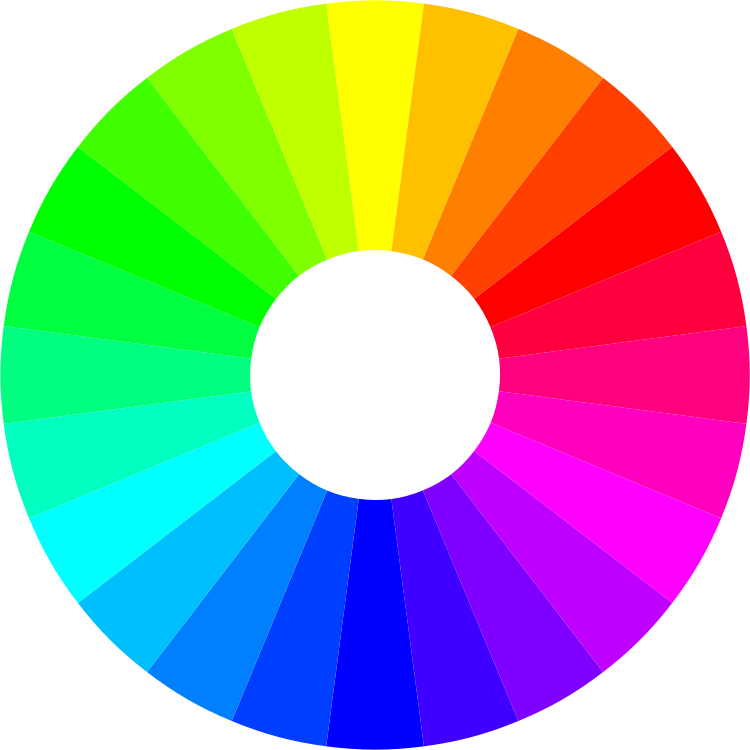
The enhancement of blue eyes through eyeshadow relies on pigment science and complementary color theory, where strategic shade selection maximizes iris contrast and depth. Blue irises contain melanin concentrations that scatter light, creating a unique optical effect—primarily reflecting violet and green wavelengths while absorbing red and orange hues. This phenomenon dictates that complementary colors (those opposite on the color wheel) will intensify the perceived vibrancy of blue eyes by creating visual contrast through light absorption and reflection principles.
The interaction between eyeshadow pigments and blue irises is governed by subtractive color mixing, where pigments absorb certain wavelengths and reflect others. For example, a blue iris absorbs red and orange light, making shades containing these hues (e.g., peach, gold, or deep plum) appear more striking due to their complementary relationship. Conversely, analogous colors (adjacent on the wheel, such as teal or lavender) harmonize without competing, softening the overall effect. Undertones—whether warm (golden, peachy) or cool (silvery, ashy)—further influence perception, as warm pigments can mute cool blue tones, while cool pigments enhance them.
Complementary and Analogous Color Mapping for Blue Eyes
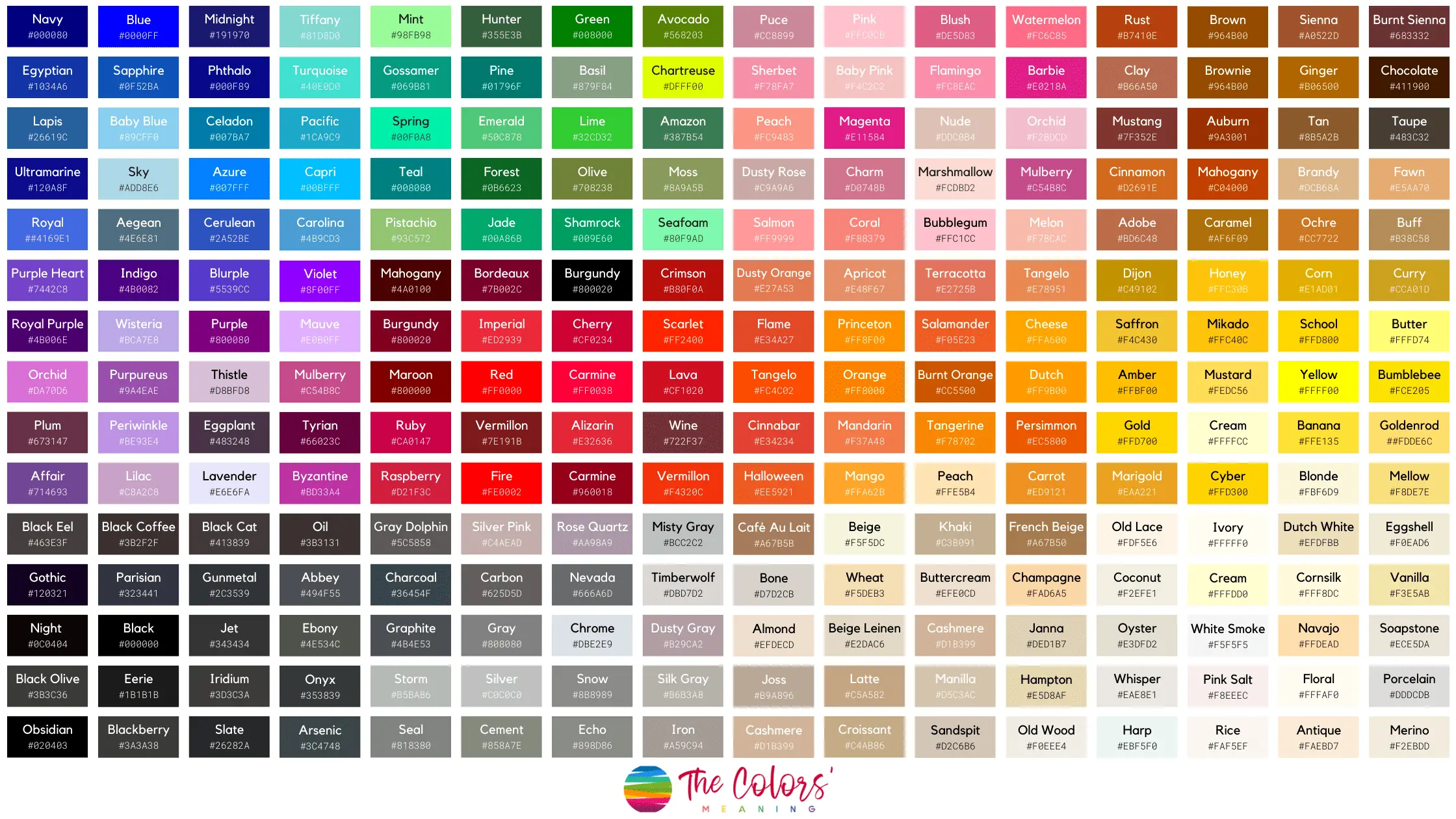
The following table categorizes complementary and analogous eyeshadow shades optimized for blue irises, including hex codes and brand-specific examples. Complementary shades (opposite the blue spectrum) create high contrast, while analogous shades (adjacent) provide subtle harmony. Pigment intensity and undertones (warm/cool) are noted to guide selection based on individual iris undertones.| Color Category | Complementary Shades (High Contrast) | Analogous Shades (Harmonious) | Hex Code | Brand Examples | Pigment Undertone |
|---|---|---|---|---|---|
| Complementary | Warm Peach/Coral | Soft Lavender | #FF9A8B | MAC "Peaches," NYX "Peachy Keen" | Warm (golden) |
| Deep Plum/Purple | Mint Green | #8B5A8B | Urban Decay "Plum," Huda Beauty "Mint Candy" | Cool (ashy) | |
| Terracotta/Orange | Teal | #E2725B | Anastasia Beverly Hills "Terracotta," Morphe "Teal Surprise" | Warm (golden) | |
| Analogous | Dusty Rose | Lilac | #D4A5A5 | Charlotte Tilbury "Pillow Talk," Too Faced "Better Than Sex" | Cool (rosy) |
| Slate Gray | Pearlescent Silver | #708090 | NARS "Slip," Glossier "Cloud Paint" | Neutral (cool-leaning) | |
| Mauve | Soft Mauve | #E0B0FF | Pat McGrath "Mauve," Fenty Beauty "Mauve Mist" | Cool (ashy) |
Testing Eyeshadow Shades on Skin vs. Eyelids
The true impact of an eyeshadow shade on blue irises is best assessed through dual testing: applying the shade to both the eyelid and the skin (e.g., cheekbone or jawline). This method accounts for variations in undertones and lighting effects caused by skin pigmentation and texture.Procedure for Accurate Testing:
1. Eyelid Application:
2. Skin Application:
Table of Contents
- Color Theory Fundamentals for Enhancing Blue Eyes with Eyeshadow
- Complementary and Analogous Color Mapping for Blue Eyes
- Testing Eyeshadow Shades on Skin vs. Eyelids
- Shade Palettes for Blue Eyes: Cool vs. Warm Tones and Application Techniques
- Cool-Toned Eyeshadow Palettes for Blue Eyes
- Warm-Toned Eyeshadow Palettes for Blue Eyes: Contrast and Undertone Analysis
- Blending Cool and Warm Shades for a Multidimensional Look
- Seasonal and Occasion-Based Eyeshadow Trends for Enhancing Blue Eyes
- Seasonal Color Guide for Blue Eyes
- Day vs. Night Eyeshadow Adaptations for Blue Eyes
- Application Techniques to Enhance Blue Eyes
- Step-by-Step Tutorial for Creating a Halo Effect
- Contouring Eyelids with Complementary Shadows
- Smoky Eye Variations for Blue Eyes: Shade Palettes and Techniques
- Eyeshadow Formulas and Ingredients for Vibrancy on Blue Eyes
- Pigment Concentration and Color Payoff on Blue Eyes
- Waterproof vs. Non-Waterproof Formulas: Longevity and Color Retention
- FAQ
- What color eyeshadow works best for blue eyes and fair skin?
- What eyeshadow colors suit blue eyes for someone over 60?
- What eyeshadow colors are ideal for blue eyes and pale skin?
- What eyeshadow colors go well with blue eyes and blonde hair?
- What eyeshadow colors are flattering for blue eyes after age 50?
- What eyeshadow colors complement blue eyes and red hair?
Pigment Science in Testing:
Example Test Results:
| Shade Type | Eyelid Result (Blue Iris) | Skin Result (Fair Undertone) | Lighting Note |
|---|---|---|---|
| Copper Matte | Deepens blue to violet | Appears orangey on skin | Best in daylight |
| Pearlized Silver | Softens blue to grayish | Looks cool on skin | Flattering under cool lighting |
| Mauve Shimmer | Harmonizes without contrast | Mutes on warm skin | Ideal for indoor use |
Contrast Ratio = (Iris Reflectance - Shadow Absorbance) / Total Light ReflectanceFor precise testing, use a colorimeter or spectrophotometer to measure reflectance values, though visual assessment remains practical for most applications. Professional makeup artists often rely on swatch testing under multiple light sources to predict performance.
Where:Iris Reflectance = Blue wavelengths (450–495 nm) reflected by the iris. Shadow Absorbance = Pigment’s ability to absorb complementary wavelengths (e.g., red/orange for blue). Total Light Reflectance = Ambient light conditions (adjusted for metamerism).
Shade Palettes for Blue Eyes: Cool vs. Warm Tones and Application Techniques
Blue eyes possess a unique chromatic depth that interacts dynamically with eyeshadow shades, either enhancing their natural hue or creating striking contrasts. The strategic selection of cool or warm tones—along with their undertones and finishes—determines whether the effect is subtle and harmonious or bold and dramatic. This section explores curated shade palettes, their visual impact, and technical application methods to optimize the enhancement of blue eyes.Cool-Toned Eyeshadow Palettes for Blue Eyes
Cool-toned shades complement blue eyes by reinforcing their inherent coolness, intensifying their clarity, or introducing complementary contrasts. Below are five high-impact palettes, each designed to accentuate different facets of blue-eyed depth.-
Icy Lavender (Lilac-Gray Undertone, Low Intensity)
A soft, frosted lavender with a barely-there gray undertone creates a "cool mirror" effect, making blue eyes appear brighter and more luminous. Ideal for daytime wear, this shade enhances the eye’s natural sparkle without overpowering it.
Effect: Mimics the "blue-to-blue" harmony, amplifying the eye’s cool undertone while adding a barely-there shimmer.
Application Tip: Apply sparingly on the inner corners and center of the lid, blending upward for a diffused, ethereal glow. -
Silver-Gray (Neutral-Cool Undertone, Medium Intensity)
A versatile metallic silver with a cool gray base acts as a neutral canvas, reflecting light to make blue eyes appear more vivid. This shade bridges the gap between cool and warm palettes, making it suitable for transitional seasons.
Effect: Enhances the eye’s natural reflectivity, particularly in low-light settings, without altering its hue.
Application Tip: Pack onto the lid for a high-shine base, then blend a matte lavender or taupe over the crease to soften the intensity. -
Deep Plum (Blue-Violet Undertone, High Intensity)
A rich, jewel-toned plum with a blue-violet undertone creates a complementary contrast, making blue eyes appear more intense and mysterious. This shade works best on deeper blue eyes (e.g., cobalt or navy) and should be used sparingly on lighter blues.
Effect: Triggers a visual "push-pull" effect, deepening the eye’s perceived saturation while adding a dramatic edge.
Application Tip: Concentrate the shade in the outer V of the eye and blend upward into the brow bone for a smoky, elongated effect. -
Frosted Blue-Green (Teal Undertone, Medium-High Intensity)
A translucent blue-green with a frosted finish mimics the natural undertones of some blue eyes, creating a seamless blend that enhances their aquatic depth. This shade is particularly flattering for "hazel-blue" or "gray-blue" eyes.
Effect: Softens the eye’s appearance while adding a luminous, almost "wet-look" quality.
Application Tip: Use as a lid shade, then layer a sheer silver topper for added dimension. -
Charcoal Mauve (Cool Gray-Brown Undertone, High Intensity)
A sophisticated mauve with a charcoal base adds warmth without shifting into orange or peach territory, making it a cool-toned alternative to traditional browns. This shade flatters blue eyes by introducing subtle contrast without clashing.
Effect: Creates a "smoky blue" illusion, deepening the eye’s perceived complexity.
Application Tip: Smudge heavily in the crease and under the brow bone, then blend a shimmery silver over the lid for contrast.
Warm-Toned Eyeshadow Palettes for Blue Eyes: Contrast and Undertone Analysis
While cool tones harmonize with blue eyes, warm shades introduce deliberate contrasts that can either enhance or mute their natural hue. The key lies in selecting warm undertones that avoid muddying the eye’s cool base. Below is a structured comparison of warm-toned shades, their undertones, and intensity levels.| Shade Name | Undertone | Intensity | Visual Contrast with Blue Eyes | Best Suited For |
|---|---|---|---|---|
| Golden Bronze | Yellow-Gold (Warm Neutral) | High | Creates a striking "cool-warm dichotomy," making blue eyes appear more intense and "pop" against the metallic sheen. Overuse can lead to a muddy effect if the blue eye has green/gray undertones. | Evening wear, deep blue or violet-blue eyes |
| Terracotta | Red-Orange (Warm Earthy) | Medium-High | Introduces a complementary contrast to blue eyes, particularly those with subtle green undertones. Best used in small doses to avoid a "muddy" appearance. | Lighter blue eyes (e.g., sky blue, periwinkle) with green/gray undertones |
| Peach (Sheer) | Pink-Beige (Soft Warm) | Low-Medium | Softens the eye’s appearance while adding a barely-there warmth, ideal for daytime looks. Avoid matte peach on very cool blue eyes, as it may dull the hue. | Daytime wear, all blue eye types (used sparingly) |
| Burnt Copper | Red-Brown (Deep Warm) | High | Creates a dramatic, almost "antique" contrast, enhancing the eye’s depth. Works best on deep blue eyes (e.g., navy, indigo) and should be blended upward to avoid settling into fine lines. | Evening makeup, bold looks |
| Apricot (Translucent) | Yellow-Pink (Soft Warm) | Low | Adds a subtle glow without altering the eye’s cool base, making it ideal for diffused, natural finishes. Best applied as a lid shade with a cool-toned crease. | Day-to-night versatility, all blue eye types |
Blending Cool and Warm Shades for a Multidimensional Look
Combining cool and warm tones creates depth and complexity, mimicking the natural variations in blue eyes. Below is a step-by-step guide to achieving a harmonious multidimensional effect, including exact application techniques.-
Preparation and Base Layer
Begin with a clean, hydrated eyelid to ensure even product adhesion. Apply a thin layer of cool-toned primer (e.g., lavender or silver) to the entire lid to neutralize any warmth in the skin.
Technique:
- Use a fluffy brush to sweep a frosted blue-green or icy lavender across the lid, focusing on the center.
- For deeper blues, add a deep plum in the outer corner for contrast.
-
Crease Definition with Warm Undertones
Introduce warmth in the crease to create a "cool-warm gradient" that mimics the natural depth of blue eyes. Avoid placing warm shades directly on the lid to prevent muddiness.
Technique:
- Use a dense blending brush to apply a sheer terracotta or golden bronze in the outer crease, blending upward toward the brow bone.
- For a softer look, opt for a translucent peach and blend it into the inner crease.
-
Lid Highlighting with Metallic Cool Tones
Metallic cool shades reflect light directly onto the iris, enhancing its natural luminosity. Pair these with warm crease shades to create a "glowing" effect.
Technique:
- Apply a shimmery silver or
- Emerald Green (#2E8B57) – A jewel-toned green with a slight gray undertone, this shade enhances blue eyes by mirroring the contrast of a winter forest. Apply as a concentrated lid shade with a fluffy brush for definition.
- Amethyst (#9966CC) – A deep violet with a cool, almost lavender cast, this shade deepens blue eyes’ natural hue while adding a regal touch. Use as a smoky blend in the crease.
- Charcoal Gray (#36454F) – A matte, cool gray intensifies blue eyes by creating a monochromatic yet high-contrast look. Ideal for a sleek, evening-ready finish.
- Mauve Pink (#E0B0FF) – A barely-there pink with a gray undertone, this shade brightens blue eyes without overpowering them. Apply lightly on the lid and blend upward for a fresh, youthful glow.
- Lavender Mist (#E6E6FA) – A barely-there lavender with a slight blue undertone, this shade enhances blue eyes by echoing their natural hue. Use as a wash over the entire lid for a "watercolor" effect.
- Blush Peach (#FFDAB9) – A warm, muted peach with a cool gray undertone, this shade adds dimension to blue eyes by introducing subtle warmth. Layer as a transition shade between the crease and lid.
- Slate Blue (#708090) – A muted blue-gray that harmonizes with blue irises without competing with them. Apply as a soft wash in the crease for a soft, smoky effect.
- Dusty Rose (#D4A5A5) – A barely-there rose with a cool undertone, this shade adds a touch of warmth without overpowering blue eyes. Use as a lid shade for a soft, romantic look.
- Cool Taupe (#8B8589) – A versatile neutral that bridges the gap between warm and cool tones, this shade flatters blue eyes by creating a seamless transition. Ideal for a natural, everyday finish.
- Burnt Copper (#8E4530) – A deep, metallic copper with a slight blue undertone, this shade adds warmth while enhancing blue eyes’ depth. Apply as a shimmery lid shade with a precise brush.
- Bronze Green (#8A7960) – A warm, metallic green with a cool gray base, this shade introduces autumnal richness without clashing with blue eyes. Use as a crease shade for definition.
- Amber Gold (#FFBF00) – A warm gold with a subtle blue undertone, this shade complements blue eyes by adding a sun-kissed glow. Ideal for a festive or celebratory look.
- Cool taupe (#8B8589) – Lid
- Slate blue (#708090) – Crease
- Sheer champagne (#F5F5DC) – Inner corner
- Lavender mist (#E6E6FA) – Lid
- Dusty rose (#D4A5A5) – Crease
- Soft gray (#A9A9A9) – Outer corner
- Emerald green (#2E8B57) – Lid
- Amethyst (#9966CC) – Crease
- Charcoal gray (#36454F) – Outer V
- Fluffy blending brush (e.g., Sigma F80 or Morphe M417) for soft diffusion.
- Small flat brush (e.g., MAC 217) for precise placement.
- Light-reflective eyeshadow palette with shades such as champagne, pearlescent white, and soft lavender.
- Small angled brush (e.g., Real Techniques 105) for precise contouring.
- Medium blending brush (e.g., Urban Decay 23) for soft transitions.
- Shade palette: A cool-toned taupe (for contour), deep plum or teal (for shadow), and a neutral brown (for blending).
- Apply a cool taupe shade (e.g., MAC "Mauve") to the outer corner of the lid, following the natural crease. Use the angled brush to pack the product into the supratrochlear fold (the area above the outer eye).
- Blend upward toward the brow bone to create a subtle shadow effect that lifts the eye.
- Choose a shade complementary to blue, such as deep plum (Pantone 258 C) or teal (Pantone 300 C). Apply it to the lowest point of the crease (near the lash line) and blend it horizontally toward the outer corner.
- For intense contrast, use a matte brown (e.g., NYX "Suede") to define the undereye socket, blending it diagonally from the inner corner outward.
- Use the medium blending brush to soften the edges of the contour and shadow. Focus on diffusing the taupe into the crease and the plum/teal into the lid to avoid harsh lines.
- Avoid blending the contour into the brow bone—keep it sharp to maintain definition.
- Apply a sheer lavender or pale blue (e.g., Charlotte Tilbury "Pillow Talk Eyeshadow") to the center of the lid to reflect light back onto the iris, intensifying its color.
- Contour strokes: Short, packing motions with the angled brush, followed by upward blending with the medium brush.
- Shadow strokes: Horizontal sweeping with the angled brush, then circular blending to diffuse edges.
- Highlight strokes: Tiny dots with the flat brush, blended with a damp sponge for a diffused glow.
- Silver-gray (e.g., MAC "Moonlight")
- Pale lavender (e.g., Urban Decay "Lilac")
- Iridescent white (e.g., Charlotte Tilbury "Eyes to Mesmerize")
- Cool taupe (e.g., NARS "Taupe")
- Fluffy blending brush (e.g., Morphe M417)
- Small flat brush (e.g., Sigma F60)
- Warm terracotta (e.g., Fenty Beauty "Glowing")
- Deep bronze (e.g., Huda Beauty "Bronze Goddess")
- Golden champagne (e.g., MAC "Golden")
- Matte brown (e.g., NYX "Suede")
- Medium blending brush (e.g., Sigma F40)
- Angled brush (e.g., Real Techniques 105)
- MAC "Obsession" (deep berry shades) – Contains iron oxides for intense, long-lasting color.
- Chanel Les Beiges (matte browns) – Uses iron oxides for a velvety, non-reflective finish.
- Natasha Denona "Mystic" (electric blue) – High ultramarine content for a neon effect when applied to the outer V.
- Hourglass "Ambush" (mauve) – Contains ultramarine to deepen purple undertones.
- Charlotte Tilbury "Pillow Talk" (peach shimmer) – Fine mica particles create a luminous glow without clashing with blue irises.
- Stila "Lust" (holographic gold) – Layered mica for a high-impact metallic finish on the lid.
- Urban Decay "Naked Palettes" (matte whites) – Contains titanium dioxide for a clean, non-greasy base.
- Pat McGrath Labs "Mothership" (highlighter) – Balances titanium dioxide with mica for subtle radiance.
- NARS "Orgasm" (sheer champagne) – Bismuth oxychloride provides a dewy, skin-like glow.
- Too Faced "Better Than Sex" (pearl) – Enhances subtle luminosity without overpowering blue tones.
- High pigment load (to maintain vibrancy despite wear).
- Flexible binders (to prevent cracking or flaking).
- Oil-resistant pigments (to avoid smudging when blending).
- Acrylic resin (e.g., acrylates copolymer)
- Silicone derivatives (e.g., dimethicone crosspolymer)
- Fluoropolymers (e.g., PTFE, sodium polyacrylate)
- Superior color payoff due to high pigment retention.
- Resistant to creasing in humid climates.
- Ideal for bold colors (e.g., emerald, fuchsia) that need to last.
Seasonal and Occasion-Based Eyeshadow Trends for Enhancing Blue Eyes
Eyeshadow trends for blue eyes are not static; they evolve in harmony with seasonal palettes and cultural influences while adapting to the demands of different occasions. Understanding these dynamics allows individuals with blue eyes to maximize their natural contrast and depth, ensuring their makeup choices remain versatile, flattering, and aligned with contemporary aesthetics. This section explores how seasonal trends—rooted in color theory—translate into practical eyeshadow selections, along with occasion-specific adaptations and emerging 2024 innovations.The interplay between seasonal undertones and occasion-based wearability dictates the most impactful eyeshadow choices. For instance, jewel tones dominate winter collections, while pastels soften spring looks, and warm metallics define autumn’s boldness. Meanwhile, day-to-night transitions require strategic shade layering and application techniques to maintain harmony with blue eyes’ cool undertones. Additionally, cultural influences—such as Korea’s glass-skin finishes or France’s smoky lavender—introduce textural and tonal innovations that further refine these trends.
Seasonal Color Guide for Blue Eyes
Blue eyes respond most dynamically to shades that complement their inherent cool undertones, though seasonal variations introduce warmth or neutrality to create balance. Below are curated palettes for each season, emphasizing the top three shades that enhance blue eyes while adhering to seasonal color harmonies.Winter (Jewel Tones)
Winter’s deep, saturated hues amplify blue eyes’ intensity, leveraging high contrast for dramatic effect. The season’s palette favors rich, cool-toned shades that mimic precious stones and twilight skies.
"Winter eyeshadows should prioritize shades with a cool gray-purple or icy blue base, as these create the strongest contrast against blue irises."
Spring (Pastels)
Spring’s soft, muted tones soften blue eyes’ coolness, introducing warmth through pastel pinks, lilacs, and peach. These shades create a luminous, ethereal effect, perfect for daytime wear.
"Spring eyeshadows should incorporate warm gray or soft taupe undertones to avoid washing out blue eyes, ensuring pastels appear vibrant rather than dull."
Summer (Cool Neutrals)
Summer’s palette relies on cool, desaturated tones that neutralize blue eyes’ intensity while maintaining clarity. These shades are versatile for both day and night, emphasizing a clean, minimalist aesthetic.
"Summer eyeshadows should avoid warm browns or oranges, opting instead for cool taupes, slate grays, and dusty blues to preserve blue eyes’ natural vibrancy."
Autumn (Warm Metallics)
Autumn’s palette introduces warmth through metallic finishes and deep, earthy tones, which contrast beautifully with blue eyes’ coolness. These shades are ideal for evening wear, adding a luminous, high-end sheen.
"Autumn eyeshadows should incorporate copper, bronze, or gold with cool gray or blue undertones to maintain contrast against blue irises."
Day vs. Night Eyeshadow Adaptations for Blue Eyes
The transition from day to night requires adjustments in shade intensity, finish, and application technique to maintain harmony with blue eyes’ cool undertones. Below is a structured guide outlining occasion-based palettes and methods, ensuring versatility across different settings."Daytime eyeshadows should prioritize sheer, matte, or satin finishes with low contrast to avoid harshness, while nighttime looks demand high-impact shades, metallic or shimmer finishes, and precise application for drama."
| Occasion | Shade Palette | Application Method | ||||||||||||||||||||||||||||||||||||||||||||||||||
|---|---|---|---|---|---|---|---|---|---|---|---|---|---|---|---|---|---|---|---|---|---|---|---|---|---|---|---|---|---|---|---|---|---|---|---|---|---|---|---|---|---|---|---|---|---|---|---|---|---|---|---|---|
| Daytime (Office/Errands) | Use a fluffy brush to blend shades lightly in the crease, avoiding harsh lines. Apply the lid shade sparingly with a flat brush, focusing on the center of the lid. Finish with a clear brow gel to set. |
|||||||||||||||||||||||||||||||||||||||||||||||||||
| Daytime (Casual/Outings) | Blend the crease shade upward for a soft, diffused look. Apply the lid shade with a damp sponge for a melted, watercolor effect. Avoid heavy product buildup near the lash line. |
|||||||||||||||||||||||||||||||||||||||||||||||||||
| Evening (Dinner/Events) | Use a precise angled brush to pack the lid shade tightly on the center of the lid. Smudge the crease shade upward with a fluffy brush, then sharpen the outer corner with a thin liner brush. Add a metallic topper (e.g., gold or silver) to the lid for extra dimension. |
|||||||||||||||||||||||||||||||||||||||||||||||||||
| Night (Club/Parties) | Application Techniques to Enhance Blue EyesMastering application techniques is essential for maximizing the natural vibrancy of blue irises while creating depth and dimension. Blue eyes reflect light differently than other eye colors, requiring strategic shade placement, blending precision, and the use of complementary tools to achieve optimal enhancement. Below are four refined methods—halo effects, contouring, smoky variations, and color blocking—that leverage color theory and brushwork to accentuate blue eyes effectively.Step-by-Step Tutorial for Creating a Halo EffectThe halo effect brightens blue eyes by diffusing light around the iris, creating an illusion of luminosity. This technique relies on light, translucent shades applied with precision to avoid flattening the eye’s natural contours.Recommended Tools: Instructions: Key Insight: Contouring Eyelids with Complementary ShadowsContouring deepens the appearance of blue irises by creating shadows that mimic the natural depth of the eye socket and iris texture. This method uses complementary colors (shades opposite blue on the color wheel) to enhance contrast and make the iris pop.Recommended Tools: Exact Shade Placements and Blending Tips: 2. Shadow Depth: 3. Blending Transitions: 4. Iris Enhancement: Visual Description of Brush Strokes: Smoky Eye Variations for Blue Eyes: Shade Palettes and TechniquesSmoky eyes can either soften or intensify blue irises depending on the shade palette. Below is a comparative table of three variations—icy smoky, copper smoky, and graphite smoky—including required shades, brush types, and application nuances.
|
Leave a Comment
Comments are moderated before appearing. The data you submit is processed according to the Privacy Policy of Velirium.