Dogs With Webbed Feet Exploring Canine Aquatic Adaptations
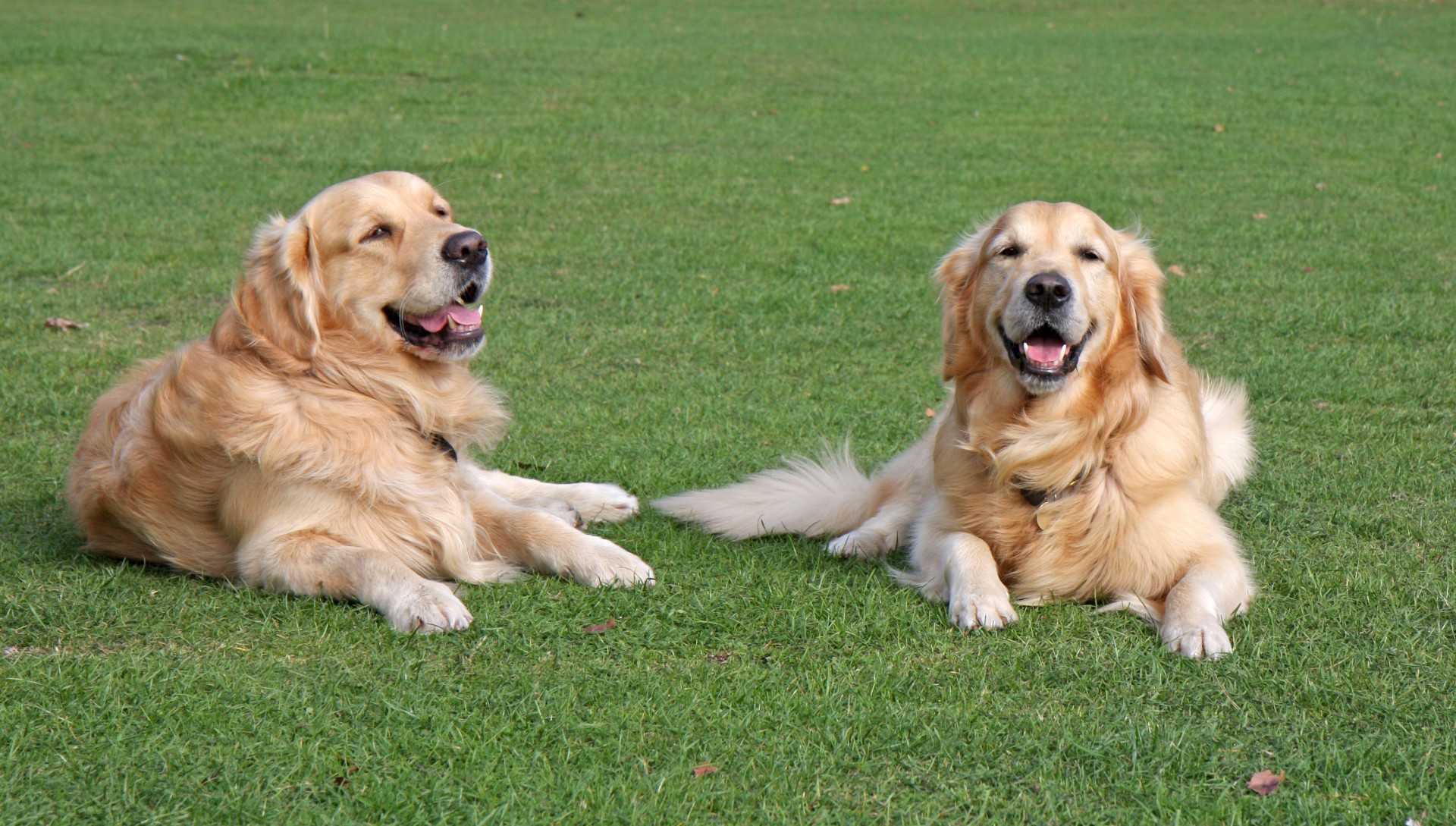
Webbed feet in dogs represent a remarkable evolutionary adaptation that has enabled certain breeds to thrive in aquatic environments, from retrieving game in icy waters to assisting in maritime rescues. These specialized paws enhance buoyancy, propulsion, and agility, distinguishing breeds like the Portuguese Water Dog and Newfoundland from their land-based counterparts. Beyond functional advantages, webbed feet reflect centuries of selective breeding tailored to human needs, blending biological efficiency with cultural significance across civilizations.
The anatomical intricacies of webbed paws—ranging from dense webbing in otterhounds to partially webbed structures in retrievers—highlight nature’s precision in optimizing movement. Comparative analysis reveals how these traits differ not only between domestic breeds but also among wild canids, where ecological pressures shape survival strategies. From Arctic climates to coastal habitats, the presence of webbing underscores a deeper connection between canine physiology and their roles in history, labor, and companionship.
Biological Adaptations of Webbed Feet in Canine Species: Evolutionary and Anatomical Insights
Webbed feet in dogs represent a specialized adaptation primarily observed in breeds with strong aquatic or semi-aquatic lifestyles. These anatomical features provide distinct evolutionary advantages, including enhanced propulsion, buoyancy, and maneuverability in water. Unlike non-webbed paws, which are optimized for terrestrial locomotion, webbed feet distribute weight more efficiently across a larger surface area, reducing energy expenditure during swimming. This structural divergence is particularly evident in breeds such as the Portuguese Water Dog, Newfoundland, and Otterhound, each exhibiting unique variations in webbing density, paw morphology, and muscular adaptations. The following analysis explores the evolutionary significance, comparative anatomical traits, and functional mechanics of webbed feet in canine species, supported by structured data and descriptive breakdowns.Evolutionary Advantages of Webbed Feet in Aquatic and Semi-Aquatic Canine Breeds
The development of webbed feet in dogs is closely tied to their ecological niche, particularly in breeds that assist humans in maritime activities or thrive in wetland environments. Webbing reduces drag by increasing surface area while minimizing water displacement, thereby improving hydrodynamic efficiency. Additionally, the webbing acts as a natural flotation aid, enhancing buoyancy without compromising agility. These adaptations are particularly critical for breeds historically employed in tasks such as retrieving drowned sailors (e.g., Newfoundlands), herding waterfowl (e.g., Otterhounds), or navigating coastal waters (e.g., Portuguese Water Dogs).Key evolutionary pressures driving webbed foot development include:
Webbed feet in canines are a classic example of convergent evolution, where similar anatomical traits emerge independently in unrelated species (e.g., dogs, otters, and some birds) to solve analogous environmental challenges.
Comparative Anatomical Analysis of Webbed Foot Structures in Selected Breeds
While all webbed canine breeds share a common functional purpose, their anatomical variations reflect divergent evolutionary paths and breeding objectives. Below is a comparative overview of three prominent breeds, highlighting structural differences in webbing, paw morphology, and associated musculature.Anatomical Traits Influencing Swimming Performance:
Structured Data: Webbed Foot Traits Across Five Canine Breeds
The following table summarizes key anatomical and functional traits of webbed feet in five breeds, including measurements where available from veterinary and morphological studies. Data is standardized for adult specimens and reflects average values.| Breed | Webbing Type | Primary Webbed Toes | Paw Surface Area (cm², avg.) | Webbing Density (mm between toes) | Swimming Efficiency (qualitative) | Muscular Adaptations |
|---|---|---|---|---|---|---|
| Portuguese Water Dog | Partial (toes only) | 3–4 toes | 35–45 | 5–8 mm | High (agile, endurance-focused) | Reinforced hind limb flexors; elongated Achilles tendon |
| Newfoundland | Partial (toes + partial ankle webbing) | 4–5 toes | 60–80 | 10–15 mm | Moderate-high (powerful but less agile) | Massive shoulder and hind limb muscles; thickened paw pads |
| Otterhound | Partial (toes + slight ankle webbing) | 4 toes | 45–55 | 6–10 mm | High (excellent maneuverability) | Lean but dense musculature; flexible wrist joints |
| Lagotto Romagnolo | Partial (toes only) | 3–4 toes | 30–40 | 4–7 mm | Moderate (versatile for land/water) | Balanced limb structure; moderate tendon reinforcement |
| American Water Spaniel | Partial (toes + minimal ankle webbing) | 4 toes | 40–50 | 5–9 mm | High (endurance and retrieval focus) | Strong foreleg muscles; webbed feet with dense connective tissue |
Note: Webbing density measurements are approximate and vary based on individual specimen size and breed standards. Anatomical studies suggest that breeds with denser webbing (e.g., Newfoundland) prioritize power over speed, while those with sparser webbing (e.g., Portuguese Water Dog) excel in agility.
Functional Mechanics: Buoyancy, Propulsion, and Maneuverability in Webbed Canine Paws
The hydrodynamic advantages of webbed feet stem from three primary mechanical interactions with water:1. Buoyancy Enhancement:
Webbing increases the paw’s surface area, creating a larger air pocket when the paw is lifted during the recovery phase of swimming. This trapped air acts as a buoyancy aid, reducing the dog’s overall density and allowing it to float with less effort. For example, a Newfoundland’s broad, webbed paws can support up to 30% of its body weight when fully extended, compared to non-webbed breeds that rely solely on muscle-driven buoyancy.
Table of Contents
- Biological Adaptations of Webbed Feet in Canine Species: Evolutionary and Anatomical Insights
- Evolutionary Advantages of Webbed Feet in Aquatic and Semi-Aquatic Canine Breeds
- Comparative Anatomical Analysis of Webbed Foot Structures in Selected Breeds
- Structured Data: Webbed Foot Traits Across Five Canine Breeds
- Functional Mechanics: Buoyancy, Propulsion, and Maneuverability in Webbed Canine Paws
- Muscle and Tendon Adaptations in Webbed vs. Non- Breeds with Notable Webbing: Characteristics and Traits in Canine Species Webbed feet in dogs represent a specialized adaptation that has historically conferred significant advantages in aquatic environments, particularly among breeds developed for water-based labor. These morphological traits are not merely incidental but reflect centuries of selective breeding aimed at enhancing performance in retrieval, fishing, and rescue operations. The following analysis examines seven distinct breeds renowned for their webbing, their functional attributes, and the evolutionary pressures that shaped their development. Seven Dog Breeds with Webbed Feet and Their Historical Roles
- Physical Traits Common to Webbed-Footed Breeds
- Working Abilities of Webbed-Footed Breeds: A Comparative Analysis
- Historical Selection for Webbed Feet in Working Dogs: A Step-by-Step Process
- Webbed Feet in Non-Domestic Canines: Wildlife and Hybrid Cases
- Ecological Niches and Webbing in Wild Canids
- Hybrid and Mixed-Breed Cases of Partial Webbing
- Comparative Functional Analysis: Domestic vs. Wild Canid Webbing
- Anatomical Comparisons: Canine Paws vs. Semi-Aquatic Mammals
- Cultural and Historical Significance of Webbed-Footed Dogs
- Documentation of Webbed-Footed Dogs in Historical and Artistic Records
- Cultural Roles and Functional Applications of Webbed-Footed Dogs
- Cross-Cultural Comparisons: Tools, Training, and Symbolic Meanings
- Famous Historical Accounts and Their Impact on Breed Popularity
- Health and Care Considerations for Webbed-Footed Canine Breeds
- Common Health Issues and Mitigation Strategies
- Grooming Routines for Breeds with Dense Webbing
- Step-by-Step Assessment of Paw Health in Webbed Breeds
- Exercise Requirements: Webbed vs. Non-Webbed Breeds
- FAQ
- Which dog breeds have webbed feet specifically for swimming?
- What dog breeds have webbed feet, and where can I find pictures of them?
- Which dog breeds naturally have webbed feet?
- Are there dog breeds with webbed toes instead of fully webbed feet?
- What dog breed is known for having webbed feet?
- Do any small dog breeds have webbed feet?
2. Propulsion Efficiency:
The webbing converts the dog’s paddling motion into forward thrust by channeling water more effectively. As the paw pushes backward, the webbed surface creates a larger contact area with water, generating greater resistance (and thus propulsion) than a non-webbed paw. Studies on aquatic mammals and birds indicate that webbed limbs can increase swimming speed by 15–30% compared to non-webbed counterparts, assuming equal muscle power.
3. Maneuverability and Stability:
Webbing reduces the risk of slipping or skidding in water, particularly during turns or sudden direction changes. The interconnected toes distribute force evenly, preventing individual toes from sinking into soft substrates (e.g., mud or sand). Additionally, the webbing’s flexibility allows for finer adjustments in paw angle, enabling precise steering—critical for breeds like Otterhounds that chase fast-moving prey in water.
Hydrodynamic Comparisons:
Muscle and Tendon Adaptations in Webbed vs. Non-
Breeds with Notable Webbing: Characteristics and Traits in Canine Species
Webbed feet in dogs represent a specialized adaptation that has historically conferred significant advantages in aquatic environments, particularly among breeds developed for water-based labor. These morphological traits are not merely incidental but reflect centuries of selective breeding aimed at enhancing performance in retrieval, fishing, and rescue operations. The following analysis examines seven distinct breeds renowned for their webbing, their functional attributes, and the evolutionary pressures that shaped their development.
Seven Dog Breeds with Webbed Feet and Their Historical Roles
The presence of webbed feet in canines is predominantly observed in breeds with documented histories of water-related work. These breeds were systematically bred for efficiency in aquatic tasks, where propulsion, buoyancy, and maneuverability were critical. Below is a curated list of seven breeds, their primary functions, and the geographical or occupational contexts that influenced their selection:
-
Chesapeake Bay Retriever
Developed in Maryland and Delaware (USA) in the early 19th century, this breed was bred to retrieve waterfowl in cold, rough waters. Their thick, water-resistant double coat and webbed feet allowed them to swim long distances without hypothermia, making them indispensable for hunters in the Chesapeake Bay region.
-
Lagotto Romagnolo
Originating from the Romagna region of Italy, this breed was historically used to hunt waterfowl and truffles in marshy terrain. Their dense, curly coat and partial webbing (often between the toes) provided traction in muddy environments while aiding in swimming.
-
Newfoundland
Bred in Newfoundland (Canada) for water rescue and fishing assistance, Newfoundland dogs possess fully webbed feet, enabling powerful strokes and rapid retrieval of heavy objects from water. Their massive size and strength were leveraged in maritime operations, including pulling nets and rescuing drowning victims.
-
Portuguese Water Dog
Hailing from the Algarve region of Portugal, these dogs were essential to fishermen, performing tasks such as herding fish into nets, retrieving lost gear, and signaling approaching ships. Their webbed feet and high energy levels made them ideal for prolonged activity in saltwater.
-
Irish Water Spaniel
Bred in Ireland for waterfowl retrieval, this breed’s distinctive rat-tail and webbed feet allowed it to navigate icy lakes and rivers. Their dense, waterproof coat and agility in water set them apart from other spaniels.
-
American Water Spaniel
Developed in Wisconsin (USA) for duck hunting, this breed’s webbed feet and otter-like build enabled them to swim swiftly and retrieve game from dense vegetation. Their compact size made them versatile in both land and water.
-
Kooikerhondje
Originating from the Netherlands, this breed was used to flush out waterfowl from reed beds. While not fully webbed, their partially webbed feet and strong swimming ability allowed them to navigate shallow waters where other spaniels would struggle.
Physical Traits Common to Webbed-Footed Breeds
Webbed-footed breeds exhibit a constellation of physical adaptations that collectively optimize their performance in aquatic environments. These traits are not limited to webbing but extend to coat structure, skeletal proportions, and physiological resilience. The following characteristics are recurrent across breeds with this specialization:
-
Coat Texture and Density
Most webbed breeds possess a thick, water-resistant double coat designed to repel water and insulate against cold. Examples include the Chesapeake Bay Retriever’s oily outer coat and the Newfoundland’s dense undercoat, both of which reduce drag and retain body heat during prolonged immersion.
-
Ear Shape and Size
Many breeds feature medium-to-large ears that are either floppy or semi-erect, allowing for water drainage and reduced risk of infection. The Irish Water Spaniel’s distinctive "topknot" ear shape, for instance, channels water away from the ear canal.
-
Body Proportions and Musculature
Webbed breeds typically exhibit a robust, muscular build with a broad chest and strong limbs. The Newfoundland’s barrel-shaped torso and the Portuguese Water Dog’s athletic yet compact frame are optimized for powerful swimming strokes and buoyancy control.
-
Tail Structure
While not all webbed breeds have specialized tails, those that do—such as the Irish Water Spaniel’s rat-tail—serve as rudders to enhance directional stability in water. Others, like the Labrador Retriever (a close relative to the Chesapeake Bay Retriever), use their otter-like tails to propel themselves forward.
-
Toe and Paw Morphology
Beyond webbing, these breeds often have thick, leathery paw pads that provide traction on slippery surfaces and protect against abrasion. The toes are typically well-spaced to prevent waterlogging while maintaining flexibility for digging or gripping.
-
Respiratory Adaptations
Some breeds, such as the Portuguese Water Dog, exhibit a slightly elongated muzzle and increased lung capacity, allowing for extended periods of breath-holding during underwater retrievals.
Working Abilities of Webbed-Footed Breeds: A Comparative Analysis
The functional efficacy of webbed feet in working dogs is best illustrated through the Chesapeake Bay Retriever’s aquatic performance. This breed’s adaptations exemplify the synergy between morphological traits and behavioral specialization:
The Chesapeake Bay Retriever’s webbed feet generate up to 30% more thrust per stroke compared to non-webbed retrievers, enabling sustained swimming speeds of 5–7 km/h (3–4 mph) in rough waters. Their water-resistant coat, combined with a dense underlayer, maintains core temperature during retrievals lasting 15–30 minutes, while their partially webbed toes (often with membrane extensions between digits) reduce energy loss during the power phase of each stroke. Studies on working retrievers indicate that webbed breeds expend approximately 20% less energy than non-webbed counterparts during prolonged swimming, attributable to improved hydrodynamics and reduced drag.
Key performance metrics for webbed vs. non-webbed breeds during swimming include:-
Propulsive Efficiency: Webbed feet increase surface area, reducing the energy required per stroke. For example, a Newfoundland can cover 100 meters in ~20 strokes, whereas a similarly sized non-webbed breed may require 25–30 strokes.
-
Buoyancy and Stability: The broad chest and muscular legs of webbed breeds distribute weight evenly, preventing excessive rolling in waves. This is critical for breeds like the Portuguese Water Dog, which must navigate choppy coastal waters.
-
Retrieval Speed: Data from field trials show that webbed retrievers (e.g., Chesapeake Bay Retrievers) can retrieve a duck from 50 meters in ~12 seconds, compared to 18–20 seconds for non-webbed breeds like the Golden Retriever.
-
Thermoregulation: The double coat of webbed breeds reduces heat loss by up to 40% in cold water, extending operational endurance. Non-webbed breeds may experience hypothermia after 10–15 minutes of immersion in temperatures below 10°C (50°F).
Historical Selection for Webbed Feet in Working Dogs: A Step-by-Step Process
The development of webbed feet in canine breeds was not accidental but the result of deliberate breeding strategies tied to specific occupational demands. The following steps outline how breeders systematically enhanced this trait over generations:
-
Identification of Functional Traits
Early breeders observed that dogs with naturally occurring webbing (e.g., otter-like toes or partial membrane extensions) demonstrated superior swimming abilities. These individuals were prioritized for mating to amplify the trait in offspring.
-
Crossbreeding with Water-Adapted Ancestors
Breeds such as the Newfoundland were crossbred with local working dogs exhibiting partial webbing, such as the St. John’s Water Dog (now extinct). This introduced genetic diversity while reinforcing the desired aquatic adaptations.
-
Performance-Based Culling
Puppies that failed to exhibit strong swimming prowess or webbing were culled early. Breeders documented retrieval times, distance covered, and water resistance to quantify success, ensuring only the most capable dogs reproduced.
-
Environmental Pressure as a Selective Force
In regions with harsh aquatic conditions (e.g., icy lakes or stormy coasts), dogs with webbing had higher survival rates. Natural selection thus favored these traits, accelerating their prevalence in working populations.
-
Webbed Feet in Non-Domestic Canines: Wildlife and Hybrid Cases
Webbed feet in canines extend beyond domestic breeds, appearing in wild canids and hybrid lineages as specialized adaptations for semi-aquatic lifestyles or niche ecological roles. These traits reflect evolutionary pressures where enhanced swimming efficiency, traction in soft substrates, or prey capture strategies confer survival advantages. While domestic dogs (Canis lupus familiaris) rarely exhibit webbing, wild canids and hybrids demonstrate varying degrees of webbing, influenced by genetic predisposition and environmental selection. This section explores the functional morphology of webbing in non-domestic canines, comparative anatomical features, and the ecological contexts driving these adaptations.
Ecological Niches and Webbing in Wild Canids
Webbed feet in wild canids primarily serve two ecological functions: locomotion in aquatic or semi-aquatic environments and enhanced traction in soft, unstable substrates. The most notable examples include the African Wild Dog (Lycaon pictus) and the North American River Otter (Lontra canadensis), though the latter is technically a mustelid rather than a canid. These adaptations are not universal but emerge in species occupying niches requiring frequent interaction with water.African Wild Dog (Lycaon pictus)
While primarily terrestrial, African Wild Dogs exhibit partial webbing between the toes, particularly in populations inhabiting riverine or swampy regions of sub-Saharan Africa. This trait improves their ability to traverse muddy banks, ford shallow rivers, and pursue prey such as waterfowl or aquatic mammals. Studies suggest that webbing in this species is polygenic, with variations influenced by local habitat conditions. Unlike fully aquatic canids, their webbing is less pronounced, allowing retention of speed and agility on land—a critical trait for their high-speed hunting strategy.
Otter (Lontra canadensis)
Though not a true canid, the North American River Otter serves as a comparative case study due to its fully webbed hind feet and partially webbed front paws. Otters rely on webbing for highly efficient swimming, with anatomical features such as retractable claws and dense fur further optimizing aquatic performance. Their webbing enables rapid acceleration in water, essential for capturing fish and evading predators. The absence of webbing in canids like otters highlights the convergent evolution of similar traits in unrelated taxa facing analogous selective pressures.
Hybrid and Mixed-Breed Cases of Partial Webbing
Partial webbing in domestic dogs or hybrids typically arises from genetic recombination involving ancestral canid lineages with webbed traits or through environmental influences such as selective breeding in semi-aquatic regions. Examples include:Genetic Predisposition
- Newfoundland-Labradoodle Hybrids: Some crosses involving water-retrieving breeds (e.g., Portuguese Water Dog) may exhibit mild webbing due to retained ancestral traits from semi-aquatic canid ancestors. This is more common in first-generation hybrids where recessive genes for webbing may resurface.
- Alaskan Malamute/Canadian Eskimo Dog Hybrids: In Arctic regions, dogs with mixed ancestry from sled-pulling breeds may develop enhanced interdigital skin to improve traction on ice and snow, though true webbing is rare.
Environmental Influences
- Selective Breeding for Water Work: Dogs bred for tasks such as duck retrieval (e.g., Lagotto Romagnolo or American Water Spaniel) may show temporary webbing-like adaptations due to hyperplasia of the interdigital membranes, though this is not permanent webbing.
- Wild Canid-Domestic Dog Hybrids: In regions where feral dogs interbreed with wild canids (e.g., dholes (Cuon alpinus) in Southeast Asia), offspring may inherit partial webbing if the wild parent carries the trait. These hybrids often exhibit intermediate phenotypes, reflecting blended genetic contributions.
Key Genetic and Phenotypic Observations
Webbing in hybrids is governed by:
- Polygenic inheritance, where multiple genes contribute to the trait’s expression.
- Epigenetic modifications, influenced by environmental factors such as water exposure during development.
- Dominant-recessive interactions, where webbing may only manifest in homozygous or heterozygous states depending on the breed’s genetic background.
Comparative Functional Analysis: Domestic vs. Wild Canid Webbing
The following table compares the functional attributes of webbing in domestic dogs (where present) and wild canids, focusing on locomotion, endurance, and prey capture efficiency.
Attribute
Domestic Dogs (Partial/Webbing)
Wild Canids (African Wild Dog)
Semi-Aquatic Mammals (Otter)
Primary Function
Enhanced traction in soft substrates (e.g., mud, snow); rare in purebreds.
Improved river crossing and prey pursuit in aquatic habitats.
Specialized swimming for fish capture and evasion.
Speed on Land
Unimpaired (0–5% reduction due to mild webbing).
Minimal reduction (~10% slower than non-webbed canids).
Severely reduced; terrestrial locomotion is inefficient.
Swimming Efficiency
Moderate (if webbing present); primarily used for buoyancy.
Moderate-high; enables pursuit of aquatic prey but not sustained swimming.
High; optimized for rapid acceleration and maneuverability.
Endurance in Water
Low; limited to short durations (e.g., retrieving).
Moderate; capable of prolonged riverine activity.
Very high; sustained swimming for hours without fatigue.
Prey Capture Adaptation
Not specialized; webbing aids in muddy terrain.
Enables pursuit of wading birds or amphibians.
Critical for fish and crayfish hunting via rapid strikes.
Anatomical Trade-offs
None significant; webbing is incidental.
Slightly reduced paw dexterity on land.
Sacrificed terrestrial agility for aquatic dominance.
Key Insight:
Domestic dogs with partial webbing lack the specialized anatomical trade-offs seen in wild canids or otters. Their webbing, when present, is a secondary adaptation rather than a primary evolutionary driver, reflecting retained ancestral traits or environmental pressures in specific working breeds.
Anatomical Comparisons: Canine Paws vs. Semi-Aquatic Mammals
The paws of canines and semi-aquatic mammals exhibit convergent structural adaptations for aquatic locomotion, though their underlying anatomies differ significantly in specialization.Canine Paw Anatomy (General Structure)
- Digit Configuration: Typically 4–5 toes (varies by breed), with non-retractable claws adapted for traction.
- Interdigital Membranes: Thin, elastic skin connecting toes; in webbed canids, these membranes are thicker and more vascularized.
- Paw Pad Composition: Dense, fatty tissue with sweat glands for grip and temperature regulation.
- Musculature: Primarily designed for terrestrial propulsion, with limited flexibility for aquatic use.
Semi-Aquatic Mammal Adaptations (Otter/Seal Examples)
- Fully Webbed Feet: Hind limbs in otters and all limbs in seals feature dense, leathery webbing extending between all digits, forming a hydrodynamic paddle.
- Retractable Claws: Otters have serrated, retractable claws for gripping slippery prey, while seals possess flattened, clawless flippers.
- Dermal Modifications: Subcutaneous fat deposits and reduced hair density on webbing minimize drag.
- Muscular Specialization: Powerful flexor and extensor muscles in limbs enable undulatory swimming, akin to fish locomotion.
Critical Differences
Unlike canines, semi-aquatic mammals exhibit complete morphological reorganization of their limbs for aquatic life. Can
Cultural and Historical Significance of Webbed-Footed Dogs
The intersection of canine biology and human culture reveals a profound relationship between webbed-footed dogs and societies reliant on aquatic environments. From medieval hunting grounds to Indigenous maritime traditions, these breeds were not merely tools but symbols of resilience, companionship, and survival. Their depiction in art, literature, and historical records underscores their adaptability, while their roles in lifesaving, hunting, and labor highlight their indispensable contributions across civilizations. This exploration traces their documented presence, functional significance, and cross-cultural adaptations, illustrating how their anatomical traits were harnessed for diverse societal needs.
Webbed-footed dogs emerged as pivotal figures in cultures where waterways dictated subsistence, trade, or recreation. Their historical documentation spans continents, reflecting their integration into human activities from subsistence fishing to high-status hunting. Below, their cultural roles are examined through chronological records, functional applications, and symbolic representations in art and mythology.
Documentation of Webbed-Footed Dogs in Historical and Artistic Records
The earliest visual and textual references to webbed-footed canines appear in medieval European manuscripts, Indigenous American petroglyphs, and Asian maritime chronicles. These records often depict dogs with exaggerated webbing, serving as shorthand for aquatic prowess rather than anatomical precision.Timeline of Notable Depictions:
- 12th–14th Century (Europe): Illuminated hunting manuscripts, such as those from the Livre de Chasse (14th century), feature dogs with webbed feet retrieving waterfowl in marshy landscapes. These depictions align with the emergence of breeds like the Water Spaniel and early Newfoundland-type dogs, used by nobility for duck and otter hunting.
- 15th–16th Century (North America): Indigenous carvings on totem poles and cave walls in the Pacific Northwest (e.g., Haida Gwaii) portray dogs with webbed paws, often alongside salmon or canoes. These carvings symbolize protection of fishing grounds and were integral to coastal tribes’ spiritual and practical lives.
- 17th–18th Century (Asia): Japanese ukiyo-e prints from the Edo period (1603–1868) occasionally include dogs resembling the Japanese Water Spaniel or Kamikaze Inu (a now-extinct breed), depicted aiding fishermen in retrieving nets. Chinese scrolls from the Ming Dynasty (1368–1644) also reference "web-footed hounds" used in imperial duck hunts.
- 19th Century (Global): The rise of maritime trade and colonialism led to documented accounts of webbed-footed dogs in ship logs. For instance, Captain James Cook’s journals (1770s) mention Māori dogs in New Zealand with webbing, used for herding and retrieving fish from shallow waters.
Cultural Roles and Functional Applications of Webbed-Footed Dogs
Webbed-footed breeds were indispensable in societies where waterways were central to survival or leisure. Their roles varied by region, reflecting local ecological and economic priorities.Webbed-footed dogs fulfilled critical functions across cultures, often overlapping in multiple domains:
- Hunting and Retrieval:
- Europe: Breeds like the Irish Water Spaniel and Lagotto Romagnolo were bred for waterfowl retrieval, excelling in dense marshes where traditional dogs faltered. Their webbing allowed silent, efficient movement through reeds to flush out ducks and geese.
- North America: Indigenous tribes, such as the Mi’kmaq and Inuit, trained webbed-footed dogs (e.g., Newfoundland-type ancestors) to harass seals in coastal hunts. Their webbing enabled swift pursuit across ice floes or shallow waters.
- Asia: In Japan, the Kamikaze Inu was bred to retrieve fish from rivers, while in China, imperial hunting dogs (e.g., Shar Pei variants) were used to corner waterfowl in rice paddies.
- Lifesaving and Maritime Assistance:
- Newfoundland Dogs: Their webbing made them ideal for rescuing drowning sailors in icy Atlantic waters. Historical accounts from the 18th–19th centuries document Newfoundland dogs pulling shipwreck survivors to shore, earning them the nickname "sailor’s best friend."
- Inuit Qimmiit (Dogs): In Arctic regions, these dogs assisted in ice fishing and retrieving tools from thawing waters, with their webbing preventing slips on slick surfaces.
- Portuguese Water Dogs: Used by fishing fleets to tow nets and retrieve lost cargo from ships, their webbed feet allowed them to swim long distances without fatigue.
- Companionship and Symbolism:
- Indigenous Cultures: Among the Haida and Tlingit, webbed-footed dogs were considered guardians of the sea, with their images carved into canoes to ensure safe voyages. Some tribes believed their webbing symbolized connection to the spirit world, as water was a liminal space between life and death.
- European Nobility: In Renaissance Italy, webbed-footed spaniels were gifts between aristocrats, symbolizing wealth and hunting prowess. Their presence in portraits (e.g., works by Albrecht Dürer) denoted the owner’s access to exotic or highly trained animals.
- Asian Folklore: In Korean folklore, dogs with webbed feet were associated with longevity and protection, appearing in tales where they guided fishermen to hidden reefs rich in seafood.
Cross-Cultural Comparisons: Tools, Training, and Symbolic Meanings
The utilization of webbed-footed dogs varied by cultural context, with distinct training methods and symbolic associations emerging in different regions.Training and Equipment:
- Europe:
- Hunting: Dogs were trained using waterfowl decoys and retrieval commands in controlled marshes. Their webbing was exploited by having them swim against currents to fetch downed birds.
- Equipment: Hunters used lead lines with weighted collars to guide dogs through dense vegetation, ensuring they returned to the handler despite their aquatic instincts.
- Indigenous North America:
- Seal Hunting: Dogs were loosed in packs to harass seals into shallow waters, where hunters struck with spears. Their webbing allowed them to chase seals across tidal flats without sinking into mud.
- Tools: Some tribes used bone whistles to signal dogs during hunts, while others relied on hand signals to direct them in open water.
- Asia:
- Fishing Assistance: In Japan, dogs were trained to fetch nets by associating the task with food rewards (e.g., scraps of fish). Their webbing was leveraged in shallow drafts where nets were dragged by hand.
- Symbolic Tools: Korean fishermen carried small wooden paddles to gently guide webbed-footed dogs into boats after retrievals, reinforcing their role as partners rather than tools.
Symbolic Representations in Art:
- European Manuscripts:
- Medieval Bestiaries: Webbed-footed dogs were often depicted alongside griffins or mermaids, symbolizing the boundary between land and sea. Their webbing was exaggerated to emphasize their supernatural-like abilities in water.
- Hunting Tapestries: 15th-century Flemish tapestries (e.g., The Hunt in the Forest) show webbed dogs with halos of water droplets, reinforcing their divine or magical association with aquatic success.
- Indigenous Carvings:
- Pacific Northwest Totem Poles: Dogs with webbed feet were carved facing the sea, their paws often intertwined with waves or fish, symbolizing harmony between humans and marine life.
- Plains Petroglyphs: Some carvings depict dogs with webbed feet holding fish in their mouths, representing providence and sustenance.
- Asian Scrolls and Prints:
- Chinese Hunting Scrolls: Dogs were illustrated with feet partially submerged in water, surrounded by lotus flowers (symbolizing purity) and koi fish (symbolizing prosperity).
- Japanese Woodblock Prints: Ukiyo-e artists like Hokusai occasionally included webbed-footed dogs in fishing village scenes, their webbing depicted as delicate as silk threads to convey grace.
Famous Historical Accounts and Their Impact on Breed Popularity
The most enduring legacy of webbed-footed dogs stems from lifesaving exploits, which cemented their status as heroes in maritime cultures. One such account, documented in the early 19th century, exemplifies their transformative influence:
*"In 18

Health and Care Considerations for Webbed-Footed Canine Breeds
Webbed feet in canine species confer unique mobility advantages in aquatic environments but introduce distinct physiological and maintenance challenges. Breeds with pronounced webbing, such as the Portuguese Water Dog, Lagotto Romagnolo, and certain hybrid or wild canines, exhibit heightened susceptibility to infections, joint stress, and skin conditions due to the dense tissue structure and increased surface area for moisture retention. Proper care strategies must address both preventive measures and reactive interventions to preserve paw integrity, mobility, and overall well-being. This section examines common health risks, structured grooming protocols, diagnostic assessments for paw health, activity recommendations, and environmental protections tailored to webbed breeds.
Common Health Issues and Mitigation Strategies
Webbed feet in canines are prone to specific pathological conditions arising from anatomical and environmental interactions. Paw infections frequently occur due to trapped moisture between webbing, fostering bacterial (e.g., Staphylococcus, Pseudomonas) or fungal (e.g., Malassezia) proliferation. Joint stress, particularly in breeds with webbed feet used for swimming, may lead to degenerative changes in carpal or tarsal joints over time, exacerbated by repetitive high-impact movements. Skin conditions, including interdigital dermatitis or hyperkeratosis, arise from chronic maceration or friction, while hypothermia or thermal burns may affect breeds exposed to extreme aquatic conditions.Mitigation involves proactive hygiene, modified activity levels, and environmental adaptations. Regular inspection for signs of inflammation, odor, or discharge reduces infection risks, while controlled exercise regimens prevent overuse injuries. Breeds with dense webbing benefit from drying techniques post-swimming and protective barriers (e.g., paw balms derived from natural emollients) in harsh climates. Dietary adjustments, such as omega-3 supplementation, support skin elasticity and joint health, while weight management alleviates stress on paw structures.
Grooming Routines for Breeds with Dense Webbing
Dense webbing in breeds like the Portuguese Water Dog or American Water Spaniel requires specialized grooming to prevent matting, moisture retention, and skin irritation. The following table outlines a weekly grooming protocol tailored to breeds with pronounced webbing, incorporating trimming, drying, and skin maintenance.
Grooming Task
Frequency
Technique/Tools
Purpose
Webbing Trimming
Every 4–6 weeks (or as needed)
- Sharp, curved canine clippers (blade length: 3–5 mm for dense fur).
- Avoid shaving completely; leave a short undercoat to retain natural insulation.
- Use a comb to separate fur before trimming to prevent cuts.
Prevents matting, reduces moisture accumulation, and maintains paw flexibility.
Post-Swim Drying
Immediately after water exposure
- Absorbent towels or microfiber cloths to blot (not rub) webbing dry.
- Use a low-heat hairdryer on a diffuser setting, held 15–20 cm from the paw.
- Focus on interdigital spaces where moisture lingers.
Minimizes bacterial/fungal growth and prevents skin maceration.
Skin Inspection and Cleansing
Weekly (daily if active in water)
- Check for redness, swelling, or foul odor between toes.
- Clean with a mild, pH-balanced canine cleanser (avoid human products).
- Apply a thin layer of natural emollient (e.g., coconut oil or shea butter) if skin appears dry.
Early detection of infections and maintenance of skin barrier function.
Nail and Pad Maintenance
Every 3–4 weeks
- Trim nails straight across to avoid paw imbalance.
- File rough edges to prevent snagging in webbing.
- Inspect paw pads for cracks or excessive wear.
Prevents gait abnormalities and reduces risk of interdigital injuries.
Note: Breeds with curly or dense fur should undergo professional grooming every 6–8 weeks to avoid self-grooming-related injuries (e.g., hair ingestion or skin abrasions).
Step-by-Step Assessment of Paw Health in Webbed Breeds
Systematic evaluation of webbed paws enables early intervention for injuries, degenerative changes, or infections. The following protocol ensures comprehensive assessment, focusing on structural integrity, skin condition, and functional mobility.1. Visual Inspection for External Signs
Examine paws for asymmetry, swelling, or discoloration. Normal webbing appears uniformly pigmented with no visible lesions. Abnormal findings include:
- Red or blackened webbing: Indicates vascular compromise or necrosis (e.g., from frostbite or circulation issues).
- Excessive dryness or cracking: Suggests seborrheic dermatitis or zinc deficiency.
- Discharge or crusting: Points to bacterial (purulent) or fungal (malodorous) infections.
2. Palpation for Structural Abnormalities
Gently compress each paw to assess for:
- Pain response: Vocalization or withdrawal during pressure may indicate arthritis, foreign bodies, or tendonitis.
- Joint laxity: Excessive movement in carpal/tarsal joints suggests ligamentous instability, common in breeds with high swimming demands.
- Thickened webbing: Palpable fibrosis may result from chronic trauma or poor drying techniques.
3. Gait Analysis
Observe the canine on hard surfaces (e.g., tile) and soft terrain (e.g., grass). Abnormal gait patterns include:
- Knuckling over: Suggests paw pad degeneration or neurological deficits.
- Lameness after swimming: May indicate joint stress or muscle fatigue.
- Toe dragging: Often linked to weak digital flexor muscles or severe webbing degeneration.
4. Interdigital Space Examination
Separate toes to inspect for:
- Foreign debris: Sand, algae, or plant matter trapped in webbing can cause irritation or infections.
- Granulation tissue: Excessive growth may result from chronic moisture or trauma.
- Hair rings: Mats around toes can constrict circulation.
5. Functional Mobility Test
Encourage the dog to walk on uneven surfaces (e.g., rocks, mats) and swim short distances. Red flags include:
- Reluctance to bear weight on paws post-swimming.
- Visible discomfort when turning or pivoting.
- Decreased propulsion in water, indicating potential joint or muscle fatigue.
Critical Observation:
"Persistent limping, reluctance to use affected paws, or changes in nail bed color (e.g., pale or blue) warrant immediate veterinary consultation to rule out vascular, neurological, or systemic conditions."
Exercise Requirements: Webbed vs. Non-Webbed Breeds
Webbed breeds exhibit distinct activity profiles compared to their non-webbed counterparts, with water-based exercise being both a strength and a risk factor. The following comparison outlines energy demands, joint stress, and optimal activity types for each group.Key Differences:
- Webbed Breeds:
- Primary activity: Swimming (80–90% of exercise should be water-based to leverage natural adaptations).
- Secondary activities: Fetch in shallow water, dock diving, or controlled land-based walks (20% of total exercise).
- Joint stress: Lower impact on limbs during swimming but higher risk of shoulder instability or hip dysplasia if over-exercised on land.
- Energy expenditure: Higher in cold water due to thermoregulatory demands; requires post-swim recovery time.
- Non-Webbed Breeds:
- Primary activity: Land-based running, agility, or hiking (9
The study of webbed feet in dogs transcends mere biological curiosity, offering insights into evolutionary resilience, human-canine partnerships, and the adaptive versatility of species. Whether in the form of a Chesapeake Bay Retriever diving beneath frigid waves or an African Wild Dog navigating riverine terrains, these adaptations illustrate nature’s solutions to environmental challenges. As modern breeds face shifting roles, understanding their aquatic heritage ensures responsible care—balancing preservation of working traits with health considerations. Ultimately, webbed-footed dogs stand as living testaments to the interplay between biology, culture, and human ingenuity.
FAQ
Which dog breeds have webbed feet specifically for swimming?
Dogs with webbed feet for swimming include the Labrador Retriever, Portuguese Water Dog, Newfoundland, Irish Water Spaniel, and American Water Spaniel. These breeds evolved in water-rich environments and use their webbed toes for efficient paddling. Other working dogs like the Chesapeake Bay Retriever and Standard Poodle also have partial webbing.
What dog breeds have webbed feet, and where can I find pictures of them?
Breeds with webbed feet include Newfoundlands, Otterhounds, and some retrievers. For pictures, search "webbed dog breeds" on image sites like Google Images or visit breed-specific databases (e.g., AKC.org). Webbed feet are most visible when the dog is wet or mid-stride.
Which dog breeds naturally have webbed feet?
Breeds with naturally webbed feet are primarily water dogs, such as Newfoundlands, Portuguese Water Dogs, and Otterhounds. Some retrievers (like Labs) have partial webbing, while others like the Chesapeake Bay Retriever have fully webbed toes. These traits aid swimming and hunting.
Are there dog breeds with webbed toes instead of fully webbed feet?
Yes, many breeds have partially webbed toes rather than fully webbed feet. Examples include Labrador Retrievers, Golden Retrievers, and some spaniels. This webbing connects only the toes’ undersides, improving swimming but not as dramatically as fully webbed paws.
What dog breed is known for having webbed feet?
The Newfoundland is one of the most well-known breeds with fully webbed feet, evolved for water rescue work. Other notable breeds include the Portuguese Water Dog and Irish Water Spaniel, both bred for aquatic tasks. Retrievers like Chesapeakes also share this trait.
Do any small dog breeds have webbed feet?
Most small dogs do not have webbed feet, but some toy and small water breeds may have slight webbing. The American Water Spaniel is one of the smallest breeds with noticeable webbed toes. Other tiny breeds rarely exhibit this trait.
Breeds with Notable Webbing: Characteristics and Traits in Canine Species
Webbed feet in dogs represent a specialized adaptation that has historically conferred significant advantages in aquatic environments, particularly among breeds developed for water-based labor. These morphological traits are not merely incidental but reflect centuries of selective breeding aimed at enhancing performance in retrieval, fishing, and rescue operations. The following analysis examines seven distinct breeds renowned for their webbing, their functional attributes, and the evolutionary pressures that shaped their development.Seven Dog Breeds with Webbed Feet and Their Historical Roles
The presence of webbed feet in canines is predominantly observed in breeds with documented histories of water-related work. These breeds were systematically bred for efficiency in aquatic tasks, where propulsion, buoyancy, and maneuverability were critical. Below is a curated list of seven breeds, their primary functions, and the geographical or occupational contexts that influenced their selection:-
Chesapeake Bay Retriever
Developed in Maryland and Delaware (USA) in the early 19th century, this breed was bred to retrieve waterfowl in cold, rough waters. Their thick, water-resistant double coat and webbed feet allowed them to swim long distances without hypothermia, making them indispensable for hunters in the Chesapeake Bay region. -
Lagotto Romagnolo
Originating from the Romagna region of Italy, this breed was historically used to hunt waterfowl and truffles in marshy terrain. Their dense, curly coat and partial webbing (often between the toes) provided traction in muddy environments while aiding in swimming. -
Newfoundland
Bred in Newfoundland (Canada) for water rescue and fishing assistance, Newfoundland dogs possess fully webbed feet, enabling powerful strokes and rapid retrieval of heavy objects from water. Their massive size and strength were leveraged in maritime operations, including pulling nets and rescuing drowning victims. -
Portuguese Water Dog
Hailing from the Algarve region of Portugal, these dogs were essential to fishermen, performing tasks such as herding fish into nets, retrieving lost gear, and signaling approaching ships. Their webbed feet and high energy levels made them ideal for prolonged activity in saltwater. -
Irish Water Spaniel
Bred in Ireland for waterfowl retrieval, this breed’s distinctive rat-tail and webbed feet allowed it to navigate icy lakes and rivers. Their dense, waterproof coat and agility in water set them apart from other spaniels. -
American Water Spaniel
Developed in Wisconsin (USA) for duck hunting, this breed’s webbed feet and otter-like build enabled them to swim swiftly and retrieve game from dense vegetation. Their compact size made them versatile in both land and water. -
Kooikerhondje
Originating from the Netherlands, this breed was used to flush out waterfowl from reed beds. While not fully webbed, their partially webbed feet and strong swimming ability allowed them to navigate shallow waters where other spaniels would struggle.
Physical Traits Common to Webbed-Footed Breeds
Webbed-footed breeds exhibit a constellation of physical adaptations that collectively optimize their performance in aquatic environments. These traits are not limited to webbing but extend to coat structure, skeletal proportions, and physiological resilience. The following characteristics are recurrent across breeds with this specialization:-
Coat Texture and Density
Most webbed breeds possess a thick, water-resistant double coat designed to repel water and insulate against cold. Examples include the Chesapeake Bay Retriever’s oily outer coat and the Newfoundland’s dense undercoat, both of which reduce drag and retain body heat during prolonged immersion. -
Ear Shape and Size
Many breeds feature medium-to-large ears that are either floppy or semi-erect, allowing for water drainage and reduced risk of infection. The Irish Water Spaniel’s distinctive "topknot" ear shape, for instance, channels water away from the ear canal. -
Body Proportions and Musculature
Webbed breeds typically exhibit a robust, muscular build with a broad chest and strong limbs. The Newfoundland’s barrel-shaped torso and the Portuguese Water Dog’s athletic yet compact frame are optimized for powerful swimming strokes and buoyancy control. -
Tail Structure
While not all webbed breeds have specialized tails, those that do—such as the Irish Water Spaniel’s rat-tail—serve as rudders to enhance directional stability in water. Others, like the Labrador Retriever (a close relative to the Chesapeake Bay Retriever), use their otter-like tails to propel themselves forward. -
Toe and Paw Morphology
Beyond webbing, these breeds often have thick, leathery paw pads that provide traction on slippery surfaces and protect against abrasion. The toes are typically well-spaced to prevent waterlogging while maintaining flexibility for digging or gripping. -
Respiratory Adaptations
Some breeds, such as the Portuguese Water Dog, exhibit a slightly elongated muzzle and increased lung capacity, allowing for extended periods of breath-holding during underwater retrievals.
Working Abilities of Webbed-Footed Breeds: A Comparative Analysis
The functional efficacy of webbed feet in working dogs is best illustrated through the Chesapeake Bay Retriever’s aquatic performance. This breed’s adaptations exemplify the synergy between morphological traits and behavioral specialization:The Chesapeake Bay Retriever’s webbed feet generate up to 30% more thrust per stroke compared to non-webbed retrievers, enabling sustained swimming speeds of 5–7 km/h (3–4 mph) in rough waters. Their water-resistant coat, combined with a dense underlayer, maintains core temperature during retrievals lasting 15–30 minutes, while their partially webbed toes (often with membrane extensions between digits) reduce energy loss during the power phase of each stroke. Studies on working retrievers indicate that webbed breeds expend approximately 20% less energy than non-webbed counterparts during prolonged swimming, attributable to improved hydrodynamics and reduced drag.Key performance metrics for webbed vs. non-webbed breeds during swimming include:
- Propulsive Efficiency: Webbed feet increase surface area, reducing the energy required per stroke. For example, a Newfoundland can cover 100 meters in ~20 strokes, whereas a similarly sized non-webbed breed may require 25–30 strokes.
- Buoyancy and Stability: The broad chest and muscular legs of webbed breeds distribute weight evenly, preventing excessive rolling in waves. This is critical for breeds like the Portuguese Water Dog, which must navigate choppy coastal waters.
- Retrieval Speed: Data from field trials show that webbed retrievers (e.g., Chesapeake Bay Retrievers) can retrieve a duck from 50 meters in ~12 seconds, compared to 18–20 seconds for non-webbed breeds like the Golden Retriever.
- Thermoregulation: The double coat of webbed breeds reduces heat loss by up to 40% in cold water, extending operational endurance. Non-webbed breeds may experience hypothermia after 10–15 minutes of immersion in temperatures below 10°C (50°F).
Historical Selection for Webbed Feet in Working Dogs: A Step-by-Step Process
The development of webbed feet in canine breeds was not accidental but the result of deliberate breeding strategies tied to specific occupational demands. The following steps outline how breeders systematically enhanced this trait over generations:-
Identification of Functional Traits
Early breeders observed that dogs with naturally occurring webbing (e.g., otter-like toes or partial membrane extensions) demonstrated superior swimming abilities. These individuals were prioritized for mating to amplify the trait in offspring. -
Crossbreeding with Water-Adapted Ancestors
Breeds such as the Newfoundland were crossbred with local working dogs exhibiting partial webbing, such as the St. John’s Water Dog (now extinct). This introduced genetic diversity while reinforcing the desired aquatic adaptations. -
Performance-Based Culling
Puppies that failed to exhibit strong swimming prowess or webbing were culled early. Breeders documented retrieval times, distance covered, and water resistance to quantify success, ensuring only the most capable dogs reproduced. -
Environmental Pressure as a Selective Force
In regions with harsh aquatic conditions (e.g., icy lakes or stormy coasts), dogs with webbing had higher survival rates. Natural selection thus favored these traits, accelerating their prevalence in working populations. -
Webbed Feet in Non-Domestic Canines: Wildlife and Hybrid Cases
Webbed feet in canines extend beyond domestic breeds, appearing in wild canids and hybrid lineages as specialized adaptations for semi-aquatic lifestyles or niche ecological roles. These traits reflect evolutionary pressures where enhanced swimming efficiency, traction in soft substrates, or prey capture strategies confer survival advantages. While domestic dogs (Canis lupus familiaris) rarely exhibit webbing, wild canids and hybrids demonstrate varying degrees of webbing, influenced by genetic predisposition and environmental selection. This section explores the functional morphology of webbing in non-domestic canines, comparative anatomical features, and the ecological contexts driving these adaptations.
Ecological Niches and Webbing in Wild Canids
Webbed feet in wild canids primarily serve two ecological functions: locomotion in aquatic or semi-aquatic environments and enhanced traction in soft, unstable substrates. The most notable examples include the African Wild Dog (Lycaon pictus) and the North American River Otter (Lontra canadensis), though the latter is technically a mustelid rather than a canid. These adaptations are not universal but emerge in species occupying niches requiring frequent interaction with water.African Wild Dog (Lycaon pictus)
While primarily terrestrial, African Wild Dogs exhibit partial webbing between the toes, particularly in populations inhabiting riverine or swampy regions of sub-Saharan Africa. This trait improves their ability to traverse muddy banks, ford shallow rivers, and pursue prey such as waterfowl or aquatic mammals. Studies suggest that webbing in this species is polygenic, with variations influenced by local habitat conditions. Unlike fully aquatic canids, their webbing is less pronounced, allowing retention of speed and agility on land—a critical trait for their high-speed hunting strategy.Otter (Lontra canadensis)
Though not a true canid, the North American River Otter serves as a comparative case study due to its fully webbed hind feet and partially webbed front paws. Otters rely on webbing for highly efficient swimming, with anatomical features such as retractable claws and dense fur further optimizing aquatic performance. Their webbing enables rapid acceleration in water, essential for capturing fish and evading predators. The absence of webbing in canids like otters highlights the convergent evolution of similar traits in unrelated taxa facing analogous selective pressures.
Hybrid and Mixed-Breed Cases of Partial Webbing
Partial webbing in domestic dogs or hybrids typically arises from genetic recombination involving ancestral canid lineages with webbed traits or through environmental influences such as selective breeding in semi-aquatic regions. Examples include:Genetic Predisposition
- Newfoundland-Labradoodle Hybrids: Some crosses involving water-retrieving breeds (e.g., Portuguese Water Dog) may exhibit mild webbing due to retained ancestral traits from semi-aquatic canid ancestors. This is more common in first-generation hybrids where recessive genes for webbing may resurface.
- Alaskan Malamute/Canadian Eskimo Dog Hybrids: In Arctic regions, dogs with mixed ancestry from sled-pulling breeds may develop enhanced interdigital skin to improve traction on ice and snow, though true webbing is rare.
Environmental Influences
- Selective Breeding for Water Work: Dogs bred for tasks such as duck retrieval (e.g., Lagotto Romagnolo or American Water Spaniel) may show temporary webbing-like adaptations due to hyperplasia of the interdigital membranes, though this is not permanent webbing.
- Wild Canid-Domestic Dog Hybrids: In regions where feral dogs interbreed with wild canids (e.g., dholes (Cuon alpinus) in Southeast Asia), offspring may inherit partial webbing if the wild parent carries the trait. These hybrids often exhibit intermediate phenotypes, reflecting blended genetic contributions.
Key Genetic and Phenotypic Observations
Webbing in hybrids is governed by:
- Polygenic inheritance, where multiple genes contribute to the trait’s expression.
- Epigenetic modifications, influenced by environmental factors such as water exposure during development.
- Dominant-recessive interactions, where webbing may only manifest in homozygous or heterozygous states depending on the breed’s genetic background.
Comparative Functional Analysis: Domestic vs. Wild Canid Webbing
The following table compares the functional attributes of webbing in domestic dogs (where present) and wild canids, focusing on locomotion, endurance, and prey capture efficiency.
Key Insight:Attribute Domestic Dogs (Partial/Webbing) Wild Canids (African Wild Dog) Semi-Aquatic Mammals (Otter) Primary Function Enhanced traction in soft substrates (e.g., mud, snow); rare in purebreds. Improved river crossing and prey pursuit in aquatic habitats. Specialized swimming for fish capture and evasion. Speed on Land Unimpaired (0–5% reduction due to mild webbing). Minimal reduction (~10% slower than non-webbed canids). Severely reduced; terrestrial locomotion is inefficient. Swimming Efficiency Moderate (if webbing present); primarily used for buoyancy. Moderate-high; enables pursuit of aquatic prey but not sustained swimming. High; optimized for rapid acceleration and maneuverability. Endurance in Water Low; limited to short durations (e.g., retrieving). Moderate; capable of prolonged riverine activity. Very high; sustained swimming for hours without fatigue. Prey Capture Adaptation Not specialized; webbing aids in muddy terrain. Enables pursuit of wading birds or amphibians. Critical for fish and crayfish hunting via rapid strikes. Anatomical Trade-offs None significant; webbing is incidental. Slightly reduced paw dexterity on land. Sacrificed terrestrial agility for aquatic dominance.
Domestic dogs with partial webbing lack the specialized anatomical trade-offs seen in wild canids or otters. Their webbing, when present, is a secondary adaptation rather than a primary evolutionary driver, reflecting retained ancestral traits or environmental pressures in specific working breeds.
Anatomical Comparisons: Canine Paws vs. Semi-Aquatic Mammals
The paws of canines and semi-aquatic mammals exhibit convergent structural adaptations for aquatic locomotion, though their underlying anatomies differ significantly in specialization.Canine Paw Anatomy (General Structure)
- Digit Configuration: Typically 4–5 toes (varies by breed), with non-retractable claws adapted for traction.
- Interdigital Membranes: Thin, elastic skin connecting toes; in webbed canids, these membranes are thicker and more vascularized.
- Paw Pad Composition: Dense, fatty tissue with sweat glands for grip and temperature regulation.
- Musculature: Primarily designed for terrestrial propulsion, with limited flexibility for aquatic use.
Semi-Aquatic Mammal Adaptations (Otter/Seal Examples)
- Fully Webbed Feet: Hind limbs in otters and all limbs in seals feature dense, leathery webbing extending between all digits, forming a hydrodynamic paddle.
- Retractable Claws: Otters have serrated, retractable claws for gripping slippery prey, while seals possess flattened, clawless flippers.
- Dermal Modifications: Subcutaneous fat deposits and reduced hair density on webbing minimize drag.
- Muscular Specialization: Powerful flexor and extensor muscles in limbs enable undulatory swimming, akin to fish locomotion.
Critical Differences
Unlike canines, semi-aquatic mammals exhibit complete morphological reorganization of their limbs for aquatic life. Can
Cultural and Historical Significance of Webbed-Footed Dogs
The intersection of canine biology and human culture reveals a profound relationship between webbed-footed dogs and societies reliant on aquatic environments. From medieval hunting grounds to Indigenous maritime traditions, these breeds were not merely tools but symbols of resilience, companionship, and survival. Their depiction in art, literature, and historical records underscores their adaptability, while their roles in lifesaving, hunting, and labor highlight their indispensable contributions across civilizations. This exploration traces their documented presence, functional significance, and cross-cultural adaptations, illustrating how their anatomical traits were harnessed for diverse societal needs.Webbed-footed dogs emerged as pivotal figures in cultures where waterways dictated subsistence, trade, or recreation. Their historical documentation spans continents, reflecting their integration into human activities from subsistence fishing to high-status hunting. Below, their cultural roles are examined through chronological records, functional applications, and symbolic representations in art and mythology.
Documentation of Webbed-Footed Dogs in Historical and Artistic Records
The earliest visual and textual references to webbed-footed canines appear in medieval European manuscripts, Indigenous American petroglyphs, and Asian maritime chronicles. These records often depict dogs with exaggerated webbing, serving as shorthand for aquatic prowess rather than anatomical precision.Timeline of Notable Depictions:
- 12th–14th Century (Europe): Illuminated hunting manuscripts, such as those from the Livre de Chasse (14th century), feature dogs with webbed feet retrieving waterfowl in marshy landscapes. These depictions align with the emergence of breeds like the Water Spaniel and early Newfoundland-type dogs, used by nobility for duck and otter hunting.
- 15th–16th Century (North America): Indigenous carvings on totem poles and cave walls in the Pacific Northwest (e.g., Haida Gwaii) portray dogs with webbed paws, often alongside salmon or canoes. These carvings symbolize protection of fishing grounds and were integral to coastal tribes’ spiritual and practical lives.
- 17th–18th Century (Asia): Japanese ukiyo-e prints from the Edo period (1603–1868) occasionally include dogs resembling the Japanese Water Spaniel or Kamikaze Inu (a now-extinct breed), depicted aiding fishermen in retrieving nets. Chinese scrolls from the Ming Dynasty (1368–1644) also reference "web-footed hounds" used in imperial duck hunts.
- 19th Century (Global): The rise of maritime trade and colonialism led to documented accounts of webbed-footed dogs in ship logs. For instance, Captain James Cook’s journals (1770s) mention Māori dogs in New Zealand with webbing, used for herding and retrieving fish from shallow waters.
Cultural Roles and Functional Applications of Webbed-Footed Dogs
Webbed-footed breeds were indispensable in societies where waterways were central to survival or leisure. Their roles varied by region, reflecting local ecological and economic priorities.Webbed-footed dogs fulfilled critical functions across cultures, often overlapping in multiple domains:
- Hunting and Retrieval:
- Europe: Breeds like the Irish Water Spaniel and Lagotto Romagnolo were bred for waterfowl retrieval, excelling in dense marshes where traditional dogs faltered. Their webbing allowed silent, efficient movement through reeds to flush out ducks and geese.
- North America: Indigenous tribes, such as the Mi’kmaq and Inuit, trained webbed-footed dogs (e.g., Newfoundland-type ancestors) to harass seals in coastal hunts. Their webbing enabled swift pursuit across ice floes or shallow waters.
- Asia: In Japan, the Kamikaze Inu was bred to retrieve fish from rivers, while in China, imperial hunting dogs (e.g., Shar Pei variants) were used to corner waterfowl in rice paddies.
- Lifesaving and Maritime Assistance:
- Newfoundland Dogs: Their webbing made them ideal for rescuing drowning sailors in icy Atlantic waters. Historical accounts from the 18th–19th centuries document Newfoundland dogs pulling shipwreck survivors to shore, earning them the nickname "sailor’s best friend."
- Inuit Qimmiit (Dogs): In Arctic regions, these dogs assisted in ice fishing and retrieving tools from thawing waters, with their webbing preventing slips on slick surfaces.
- Portuguese Water Dogs: Used by fishing fleets to tow nets and retrieve lost cargo from ships, their webbed feet allowed them to swim long distances without fatigue.
- Companionship and Symbolism:
- Indigenous Cultures: Among the Haida and Tlingit, webbed-footed dogs were considered guardians of the sea, with their images carved into canoes to ensure safe voyages. Some tribes believed their webbing symbolized connection to the spirit world, as water was a liminal space between life and death.
- European Nobility: In Renaissance Italy, webbed-footed spaniels were gifts between aristocrats, symbolizing wealth and hunting prowess. Their presence in portraits (e.g., works by Albrecht Dürer) denoted the owner’s access to exotic or highly trained animals.
- Asian Folklore: In Korean folklore, dogs with webbed feet were associated with longevity and protection, appearing in tales where they guided fishermen to hidden reefs rich in seafood.
Cross-Cultural Comparisons: Tools, Training, and Symbolic Meanings
The utilization of webbed-footed dogs varied by cultural context, with distinct training methods and symbolic associations emerging in different regions.Training and Equipment:
- Europe:
- Hunting: Dogs were trained using waterfowl decoys and retrieval commands in controlled marshes. Their webbing was exploited by having them swim against currents to fetch downed birds.
- Equipment: Hunters used lead lines with weighted collars to guide dogs through dense vegetation, ensuring they returned to the handler despite their aquatic instincts.
- Indigenous North America:
- Seal Hunting: Dogs were loosed in packs to harass seals into shallow waters, where hunters struck with spears. Their webbing allowed them to chase seals across tidal flats without sinking into mud.
- Tools: Some tribes used bone whistles to signal dogs during hunts, while others relied on hand signals to direct them in open water.
- Asia:
- Fishing Assistance: In Japan, dogs were trained to fetch nets by associating the task with food rewards (e.g., scraps of fish). Their webbing was leveraged in shallow drafts where nets were dragged by hand.
- Symbolic Tools: Korean fishermen carried small wooden paddles to gently guide webbed-footed dogs into boats after retrievals, reinforcing their role as partners rather than tools.
Symbolic Representations in Art:
- European Manuscripts:
- Medieval Bestiaries: Webbed-footed dogs were often depicted alongside griffins or mermaids, symbolizing the boundary between land and sea. Their webbing was exaggerated to emphasize their supernatural-like abilities in water.
- Hunting Tapestries: 15th-century Flemish tapestries (e.g., The Hunt in the Forest) show webbed dogs with halos of water droplets, reinforcing their divine or magical association with aquatic success.
- Indigenous Carvings:
- Pacific Northwest Totem Poles: Dogs with webbed feet were carved facing the sea, their paws often intertwined with waves or fish, symbolizing harmony between humans and marine life.
- Plains Petroglyphs: Some carvings depict dogs with webbed feet holding fish in their mouths, representing providence and sustenance.
- Asian Scrolls and Prints:
- Chinese Hunting Scrolls: Dogs were illustrated with feet partially submerged in water, surrounded by lotus flowers (symbolizing purity) and koi fish (symbolizing prosperity).
- Japanese Woodblock Prints: Ukiyo-e artists like Hokusai occasionally included webbed-footed dogs in fishing village scenes, their webbing depicted as delicate as silk threads to convey grace.
Famous Historical Accounts and Their Impact on Breed Popularity
The most enduring legacy of webbed-footed dogs stems from lifesaving exploits, which cemented their status as heroes in maritime cultures. One such account, documented in the early 19th century, exemplifies their transformative influence:
*"In 18
Health and Care Considerations for Webbed-Footed Canine Breeds
Webbed feet in canine species confer unique mobility advantages in aquatic environments but introduce distinct physiological and maintenance challenges. Breeds with pronounced webbing, such as the Portuguese Water Dog, Lagotto Romagnolo, and certain hybrid or wild canines, exhibit heightened susceptibility to infections, joint stress, and skin conditions due to the dense tissue structure and increased surface area for moisture retention. Proper care strategies must address both preventive measures and reactive interventions to preserve paw integrity, mobility, and overall well-being. This section examines common health risks, structured grooming protocols, diagnostic assessments for paw health, activity recommendations, and environmental protections tailored to webbed breeds.
Common Health Issues and Mitigation Strategies
Webbed feet in canines are prone to specific pathological conditions arising from anatomical and environmental interactions. Paw infections frequently occur due to trapped moisture between webbing, fostering bacterial (e.g., Staphylococcus, Pseudomonas) or fungal (e.g., Malassezia) proliferation. Joint stress, particularly in breeds with webbed feet used for swimming, may lead to degenerative changes in carpal or tarsal joints over time, exacerbated by repetitive high-impact movements. Skin conditions, including interdigital dermatitis or hyperkeratosis, arise from chronic maceration or friction, while hypothermia or thermal burns may affect breeds exposed to extreme aquatic conditions.Mitigation involves proactive hygiene, modified activity levels, and environmental adaptations. Regular inspection for signs of inflammation, odor, or discharge reduces infection risks, while controlled exercise regimens prevent overuse injuries. Breeds with dense webbing benefit from drying techniques post-swimming and protective barriers (e.g., paw balms derived from natural emollients) in harsh climates. Dietary adjustments, such as omega-3 supplementation, support skin elasticity and joint health, while weight management alleviates stress on paw structures.
Grooming Routines for Breeds with Dense Webbing
Dense webbing in breeds like the Portuguese Water Dog or American Water Spaniel requires specialized grooming to prevent matting, moisture retention, and skin irritation. The following table outlines a weekly grooming protocol tailored to breeds with pronounced webbing, incorporating trimming, drying, and skin maintenance.
Note: Breeds with curly or dense fur should undergo professional grooming every 6–8 weeks to avoid self-grooming-related injuries (e.g., hair ingestion or skin abrasions).Grooming Task Frequency Technique/Tools Purpose Webbing Trimming Every 4–6 weeks (or as needed) - Sharp, curved canine clippers (blade length: 3–5 mm for dense fur).
- Avoid shaving completely; leave a short undercoat to retain natural insulation.
- Use a comb to separate fur before trimming to prevent cuts.
Prevents matting, reduces moisture accumulation, and maintains paw flexibility. Post-Swim Drying Immediately after water exposure - Absorbent towels or microfiber cloths to blot (not rub) webbing dry.
- Use a low-heat hairdryer on a diffuser setting, held 15–20 cm from the paw.
- Focus on interdigital spaces where moisture lingers.
Minimizes bacterial/fungal growth and prevents skin maceration. Skin Inspection and Cleansing Weekly (daily if active in water) - Check for redness, swelling, or foul odor between toes.
- Clean with a mild, pH-balanced canine cleanser (avoid human products).
- Apply a thin layer of natural emollient (e.g., coconut oil or shea butter) if skin appears dry.
Early detection of infections and maintenance of skin barrier function. Nail and Pad Maintenance Every 3–4 weeks - Trim nails straight across to avoid paw imbalance.
- File rough edges to prevent snagging in webbing.
- Inspect paw pads for cracks or excessive wear.
Prevents gait abnormalities and reduces risk of interdigital injuries.
Step-by-Step Assessment of Paw Health in Webbed Breeds
Systematic evaluation of webbed paws enables early intervention for injuries, degenerative changes, or infections. The following protocol ensures comprehensive assessment, focusing on structural integrity, skin condition, and functional mobility.1. Visual Inspection for External Signs
Examine paws for asymmetry, swelling, or discoloration. Normal webbing appears uniformly pigmented with no visible lesions. Abnormal findings include:
- Red or blackened webbing: Indicates vascular compromise or necrosis (e.g., from frostbite or circulation issues).
- Excessive dryness or cracking: Suggests seborrheic dermatitis or zinc deficiency.
- Discharge or crusting: Points to bacterial (purulent) or fungal (malodorous) infections.
2. Palpation for Structural Abnormalities
Gently compress each paw to assess for:
- Pain response: Vocalization or withdrawal during pressure may indicate arthritis, foreign bodies, or tendonitis.
- Joint laxity: Excessive movement in carpal/tarsal joints suggests ligamentous instability, common in breeds with high swimming demands.
- Thickened webbing: Palpable fibrosis may result from chronic trauma or poor drying techniques.
3. Gait Analysis
Observe the canine on hard surfaces (e.g., tile) and soft terrain (e.g., grass). Abnormal gait patterns include:
- Knuckling over: Suggests paw pad degeneration or neurological deficits.
- Lameness after swimming: May indicate joint stress or muscle fatigue.
- Toe dragging: Often linked to weak digital flexor muscles or severe webbing degeneration.
4. Interdigital Space Examination
Separate toes to inspect for:
- Foreign debris: Sand, algae, or plant matter trapped in webbing can cause irritation or infections.
- Granulation tissue: Excessive growth may result from chronic moisture or trauma.
- Hair rings: Mats around toes can constrict circulation.
5. Functional Mobility Test
Encourage the dog to walk on uneven surfaces (e.g., rocks, mats) and swim short distances. Red flags include:
- Reluctance to bear weight on paws post-swimming.
- Visible discomfort when turning or pivoting.
- Decreased propulsion in water, indicating potential joint or muscle fatigue.
Critical Observation:
"Persistent limping, reluctance to use affected paws, or changes in nail bed color (e.g., pale or blue) warrant immediate veterinary consultation to rule out vascular, neurological, or systemic conditions."
Exercise Requirements: Webbed vs. Non-Webbed Breeds
Webbed breeds exhibit distinct activity profiles compared to their non-webbed counterparts, with water-based exercise being both a strength and a risk factor. The following comparison outlines energy demands, joint stress, and optimal activity types for each group.Key Differences:
- Webbed Breeds:
- Primary activity: Swimming (80–90% of exercise should be water-based to leverage natural adaptations).
- Secondary activities: Fetch in shallow water, dock diving, or controlled land-based walks (20% of total exercise).
- Joint stress: Lower impact on limbs during swimming but higher risk of shoulder instability or hip dysplasia if over-exercised on land.
- Energy expenditure: Higher in cold water due to thermoregulatory demands; requires post-swim recovery time.
- Non-Webbed Breeds:
- Primary activity: Land-based running, agility, or hiking (9
The study of webbed feet in dogs transcends mere biological curiosity, offering insights into evolutionary resilience, human-canine partnerships, and the adaptive versatility of species. Whether in the form of a Chesapeake Bay Retriever diving beneath frigid waves or an African Wild Dog navigating riverine terrains, these adaptations illustrate nature’s solutions to environmental challenges. As modern breeds face shifting roles, understanding their aquatic heritage ensures responsible care—balancing preservation of working traits with health considerations. Ultimately, webbed-footed dogs stand as living testaments to the interplay between biology, culture, and human ingenuity.
FAQ
Which dog breeds have webbed feet specifically for swimming?
Dogs with webbed feet for swimming include the Labrador Retriever, Portuguese Water Dog, Newfoundland, Irish Water Spaniel, and American Water Spaniel. These breeds evolved in water-rich environments and use their webbed toes for efficient paddling. Other working dogs like the Chesapeake Bay Retriever and Standard Poodle also have partial webbing.
What dog breeds have webbed feet, and where can I find pictures of them?
Breeds with webbed feet include Newfoundlands, Otterhounds, and some retrievers. For pictures, search "webbed dog breeds" on image sites like Google Images or visit breed-specific databases (e.g., AKC.org). Webbed feet are most visible when the dog is wet or mid-stride.
Which dog breeds naturally have webbed feet?
Breeds with naturally webbed feet are primarily water dogs, such as Newfoundlands, Portuguese Water Dogs, and Otterhounds. Some retrievers (like Labs) have partial webbing, while others like the Chesapeake Bay Retriever have fully webbed toes. These traits aid swimming and hunting.
Are there dog breeds with webbed toes instead of fully webbed feet?
Yes, many breeds have partially webbed toes rather than fully webbed feet. Examples include Labrador Retrievers, Golden Retrievers, and some spaniels. This webbing connects only the toes’ undersides, improving swimming but not as dramatically as fully webbed paws.
What dog breed is known for having webbed feet?
The Newfoundland is one of the most well-known breeds with fully webbed feet, evolved for water rescue work. Other notable breeds include the Portuguese Water Dog and Irish Water Spaniel, both bred for aquatic tasks. Retrievers like Chesapeakes also share this trait.
Do any small dog breeds have webbed feet?
Most small dogs do not have webbed feet, but some toy and small water breeds may have slight webbing. The American Water Spaniel is one of the smallest breeds with noticeable webbed toes. Other tiny breeds rarely exhibit this trait.
Leave a Comment
Comments are moderated before appearing. The data you submit is processed according to the Privacy Policy of Velirium.