What Is Building Automation Systems And Its Core Functions

Building automation systems represent a transformative convergence of technology and infrastructure management, redefining how modern buildings operate with precision and intelligence. At its core, BAS integrates hardware, software, and real-time data analytics to optimize energy consumption, enhance occupant comfort, and reduce operational expenditures across diverse environments—from corporate towers to residential complexes. By leveraging sensors, controllers, and cloud-based platforms, these systems transcend traditional building management, enabling predictive maintenance, adaptive climate control, and seamless integration with broader smart ecosystems.
The evolution of BAS reflects a strategic response to escalating global energy demands and sustainability imperatives, where decentralized intelligence and IoT-driven insights are reshaping urban development. Whether deployed in mission-critical facilities like hospitals or high-density commercial spaces, BAS delivers measurable efficiency gains while adhering to stringent regulatory frameworks. This discussion explores the technical underpinnings, architectural trade-offs, and industry-specific applications that position BAS as a cornerstone of next-generation infrastructure.
Core Definition and Purpose of Building Automation Systems
Building Automation Systems (BAS) represent a sophisticated integration of hardware, software, and communication technologies designed to centrally monitor, control, and optimize the performance of building infrastructure. Their primary purpose is to enhance energy efficiency, improve occupant comfort, reduce operational costs, and extend the lifespan of building systems by leveraging real-time data and automated decision-making. BAS achieve this through a networked ecosystem of devices that interact dynamically, adapting to occupancy patterns, environmental conditions, and system demands. The adoption of BAS has grown significantly in both commercial and residential sectors, driven by regulatory mandates for sustainability, advancements in IoT (Internet of Things) connectivity, and the increasing demand for intelligent, data-driven infrastructure.The effectiveness of a BAS hinges on its ability to balance automation with human oversight, ensuring that systems operate predictably while remaining adaptable to evolving requirements. For instance, a modern office building equipped with a BAS can adjust HVAC (heating, ventilation, and air conditioning) settings based on occupancy sensors, reducing energy waste during unoccupied hours. Similarly, residential BAS can optimize lighting and temperature based on daily routines, enhancing comfort while minimizing utility bills. The scalability of BAS architectures further distinguishes their applicability, with commercial deployments often requiring centralized coordination for large portfolios, whereas residential systems may prioritize modular, decentralized solutions.
Key Components of a Building Automation System
The functionality of a BAS relies on a structured interplay between four core components: controllers, sensors, actuators, and user interfaces. Each component plays a distinct role in data acquisition, processing, execution, and human interaction, collectively enabling the system to achieve its operational objectives. Below is a structured breakdown of these components, including their functions, example technologies, and integration methods.| Component Name | Function | Example Technology | Integration Method |
|---|---|---|---|
| Controllers | Process data from sensors, execute control logic (e.g., PID algorithms), and send commands to actuators. Act as the "brain" of the BAS, often running proprietary or open-source automation software. |
|
|
| Sensors | Collect environmental and operational data (e.g., temperature, humidity, occupancy, energy consumption) to inform control decisions. Accuracy and placement are critical for system performance. |
|
|
| Actuators | Execute physical actions based on controller commands, such as adjusting HVAC setpoints, dimming lights, or activating security systems. Precision and reliability are essential to prevent system failures. |
|
|
| User Interfaces | Provide operators, facility managers, and occupants with access to system data, alerts, and control capabilities. Interfaces range from simple touchscreens to advanced analytics dashboards. |
|
|
Integration with Smart Building Frameworks and Real-Time Analytics
Building Automation Systems no longer operate in isolation; they are increasingly embedded within broader smart building frameworks that incorporate IoT connectivity, cloud platforms, and advanced analytics. This integration enables BAS to transition from reactive control to predictive and adaptive management, where systems anticipate needs and optimize performance proactively. The synergy between BAS and smart technologies is particularly evident in three key areas: real-time monitoring, predictive maintenance, and cross-system optimization.Real-time monitoring is achieved through continuous data streams from sensors, which are transmitted to centralized or edge-based analytics engines. For instance, a BAS integrated with a cloud platform (e.g., Microsoft Azure IoT or IBM Watson IoT) can process occupancy data to dynamically adjust HVAC schedules, reducing energy consumption by up to 30% in commercial buildings (source: U.S. Department of Energy, 2021). Similarly, residential BAS can sync with smart thermostats (e.g., Nest Learning Thermostat) to learn occupant behaviors and pre-condition spaces before arrival, enhancing comfort while minimizing energy use.
Predictive analytics further elevates BAS capabilities by leveraging machine learning algorithms to forecast equipment failures, energy spikes, or comfort deviations. For example, a BAS equipped with AI-driven analytics (e.g., Siemens MindSphere) can analyze vibration patterns in HVAC compressors to predict maintenance needs before catastrophic failures occur, reducing downtime by 40% (source: McKinsey & Company, 2020). In commercial settings, this predictive approach is scalable across portfolios, enabling facility managers to prioritize interventions based on risk and cost.
Table of Contents
- Core Definition and Purpose of Building Automation Systems
- Key Components of a Building Automation System
- Integration with Smart Building Frameworks and Real-Time Analytics
- Technologies and Hardware Used in Building Automation Systems
- Categorization of Essential BAS Hardware
- IoT Devices and Their Role in Enhancing BAS Functionality
- Edge Computing in BAS: Localized Data Processing and Security Implications
- Software and Control Algorithms in Building Automation Systems
- Software Layers in BAS and Their Interactions
- Template for a BAS Control Algorithm: PID Tuning for HVAC with Adaptive Logic
- Proprietary vs. Open-Source BAS Software: Feature Comparison
- Applications and Industry-Specific Use Cases of Building Automation Systems
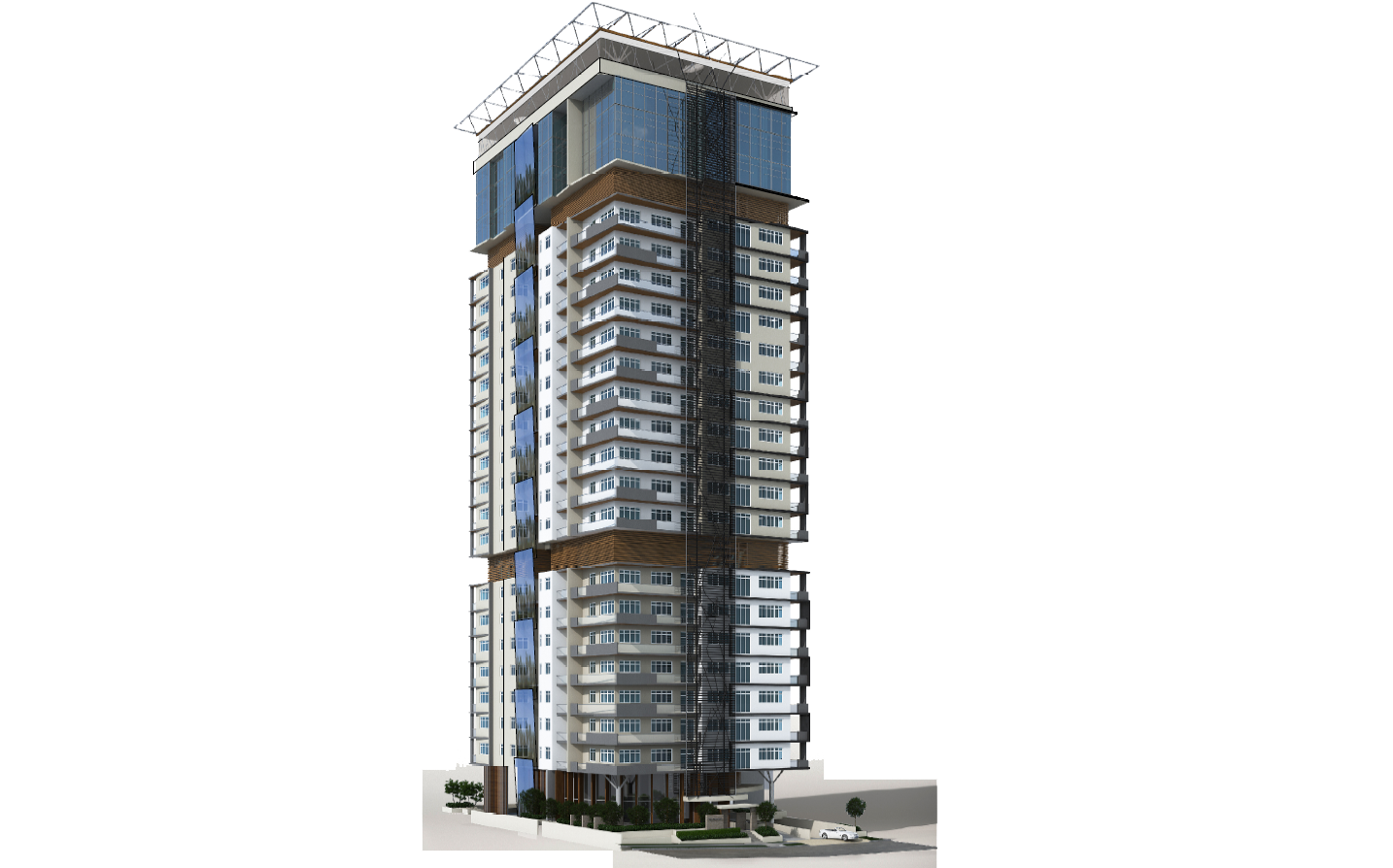
- Deployment in High-Rise Buildings
- Hospital and Healthcare Facility Automation
- Data Center and Mission-Critical Facility Automation
- Industrial Facility Automation
- Smart City Infrastructure Integration
- Retrofitting Existing Buildings with BAS
- Compliance Standards and Their Implications
- FAQ
- How does building automation systems (BAS) specifically work in HVAC (heating, ventilation, and air conditioning)?
- What exactly is a home automation system and how does it differ from building automation?
- What is the purpose of industrial automation systems and how do they differ from building automation?
- What is the difference between building control systems and building automation systems?
- What are building automation controls, and what technologies do they use?
- What is a BAS (Building Automation System), and what are its key components?
Cross-system optimization involves the coordination of BAS with other smart building technologies, such as lighting control, security systems, and renewable energy microgrids. A notable example is the integration of BAS with Building Energy Management Systems (

Technologies and Hardware Used in Building Automation Systems
Building Automation Systems (BAS) integrate diverse hardware and communication technologies to optimize energy efficiency, operational reliability, and occupant comfort. The selection of components—ranging from direct digital controllers (DDC) to IoT-enabled sensors—determines system scalability, interoperability, and responsiveness. Advances in edge computing further refine performance by enabling real-time data processing at the device level, reducing dependency on centralized servers while enhancing security. This section categorizes essential hardware, examines IoT integration, and outlines the role of edge computing, followed by a structured approach to hardware selection aligned with industry standards.Categorization of Essential BAS Hardware
The hardware backbone of BAS comprises controllers, actuators, sensors, and communication interfaces, each serving distinct functional roles. Controllers—such as Programmable Logic Controllers (PLCs) and Direct Digital Controllers (DDCs)—execute automation logic, while actuators (e.g., dampers, valves, motorized blinds) physically adjust environmental parameters. Sensors (e.g., temperature, humidity, occupancy) provide real-time data inputs, and communication protocols (BACnet, Modbus, LonWorks) ensure seamless data exchange between devices.Key hardware categories and their technical specifications:
- Controllers:
- PLCs (Programmable Logic Controllers): Industrial-grade devices with deterministic execution cycles (e.g., 1–100ms), supporting ladder logic and function block programming. Common in legacy systems with Modbus or Profibus communication. Example: Allen-Bradley ControlLogix with BACnet/IP support.
- DDC Controllers: Purpose-built for BAS, featuring Ethernet/IP, BACnet MS/TP, or LonWorks interfaces. Typically operate with 10–50ms response times and support open protocols for interoperability. Example: Siemens Desigo CC controllers with integrated HVAC sequencing.
- Actuators:
- HVAC Actuators: Variable Frequency Drives (VFDs) for pumps/fans (efficiency range: 50–98% at partial loads) and motorized dampers (0–100% modulation with ±1% accuracy). Example: Danfoss VLT drives with BACnet integration.
- Lighting Controls: 0–10V dimming modules or DALI (Digital Addressable Lighting Interface) gateways, supporting scene scheduling and occupancy-based adjustments. Example: Lutron RadioRA2 with BACnet/Modbus gateways.
- Sensors:
- Environmental Sensors: Temperature (±0.5°C accuracy), humidity (±2% RH), and CO₂ (0–5000 ppm range) with analog or digital outputs. Example: Siemens SITRANS P sensors with Modbus RTU.
- Occupancy Sensors: Passive Infrared (PIR) or ultrasonic (detection range: 10–15m, response time: <1s). Example: Honeywell OCC-100 with BACnet/IP.
- Smart Meters: Energy meters (e.g., electricity, water) with pulse output or digital protocols (DLMS/COSEM). Example: Landis+Gyr E350 with Modbus TCP.
- Communication Protocols:
BACnet: ISO 16484-5 standard for interoperability, supporting MS/TP (master-slave/token-passing), Ethernet/IP, and wireless (BACnet/802.11). Ideal for multi-vendor systems.
Modbus: Serial (RTU) or TCP-based, widely used in industrial applications but lacks native security features.
LonWorks: Token-passing network with LonTalk protocol, enabling plug-and-play device integration (e.g., Siemens Desigo Insight).
IoT Devices and Their Role in Enhancing BAS Functionality
IoT devices extend BAS capabilities by introducing granular data collection, predictive analytics, and adaptive control. Unlike traditional sensors, IoT-enabled components often feature wireless connectivity (Wi-Fi, Zigbee, LoRaWAN), cloud integration, and machine learning algorithms for anomaly detection. In a smart office setup, IoT devices dynamically adjust systems based on occupancy patterns, environmental conditions, and energy demand.Example: Smart Office BAS Integration
| Device Type | Data Collected | Processing Method | Output Action |
|---|---|---|---|
| Occupancy Sensor (PIR + Bluetooth Low Energy) | Room occupancy, device proximity (e.g., smartphones), motion patterns | Edge-based occupancy classification (e.g., "empty," "partially occupied," "fully occupied") using threshold algorithms | Trigger HVAC setpoint adjustment (e.g., 22°C when empty → 20°C when occupied) and lighting dimming (50% when partially occupied) |
| CO₂ and VOC Sensor (IoT Gateway) | CO₂ levels (400–5000 ppm), volatile organic compounds (VOCs), humidity | Cloud-based predictive modeling to detect poor air quality trends and correlate with occupancy data | Increase ventilation rate via VFD-controlled dampers; alert facility management via mobile app |
| Smart Plugs (Wi-Fi Enabled) | Real-time power consumption (W), device status (on/off) | Edge analytics to identify phantom loads (e.g., idle printers) and peak demand periods | Automate shutdown of non-critical loads during peak hours; provide energy usage reports to tenants |
| Environmental Monitor (IoT + Edge AI) | Temperature, humidity, noise levels, light intensity | On-device federated learning to adjust comfort thresholds based on seasonal patterns (e.g., summer vs. winter) | Dynamic recalibration of HVAC and lighting schedules; generate comfort indexes for occupant feedback |
Edge Computing in BAS: Localized Data Processing and Security Implications
Edge computing shifts processing from centralized servers to local controllers or gateways, reducing latency (critical for HVAC response times) and bandwidth usage (e.g., transmitting only aggregated data to the cloud). In BAS, edge nodes—such as BACnet/IP routers or IoT gateways—filter, analyze, and act on data before sending summaries to higher-level systems.Technical advantages:
- Reduced Latency: Local processing eliminates round-trip delays to cloud servers. Example: A VFD controlling a chiller responds to a temperature sensor within <50ms (vs. 200ms+ with cloud dependency).
- Bandwidth Optimization: Edge devices compress or sample data (e.g., transmitting average CO₂ levels hourly instead of per-second readings).
- Improved Reliability: Offline-capable edge nodes ensure BAS functionality during network outages (e.g., storing logs for later upload).
Edge computing introduces new attack surfaces, including:
- Device Hardening: Use of secure boot, firmware signing, and runtime integrity checks (e.g., Intel SGX for edge controllers).
- Network Segmentation: Isolating IoT devices from BAS controllers via VLANs or zero-trust architectures.
- Data Encryption: AES-256 for communication between edge nodes and cloud (e.g., TLS 1.3 for BACnet/IP).
- Anomaly Detection: On-device ML models to flag unusual sensor
Validation Metrics:
Software and Control Algorithms in Building Automation Systems
Building Automation Systems (BAS) rely on layered software architectures and sophisticated control algorithms to optimize operational efficiency, energy consumption, and occupant comfort. The software stack in BAS integrates supervisory control, automation logic, and data visualization layers, each interacting dynamically to process real-time data, execute commands, and adapt to environmental or occupancy-driven changes. Control algorithms, such as PID (Proportional-Integral-Derivative) tuning, form the backbone of system responsiveness, while emerging technologies like machine learning enhance predictive capabilities. This section explores the hierarchical software structure, algorithmic design templates, proprietary vs. open-source solutions, and the integration of AI-driven optimizations in BAS.
Software Layers in BAS and Their Interactions
The software architecture of a BAS is organized into three primary layers: supervisory control, automation logic, and data visualization, each serving distinct yet interconnected functions. These layers operate in a closed-loop system where data flows from sensors and user inputs through processing units to actuators, while feedback mechanisms ensure continuous refinement.Data Flow Diagram (ASCII Representation):
┌───────────────────────────────────────────────────────┐
│ Supervisory Control Layer │
│ (User Interface, Analytics, Long-Term Scheduling) │
└───────────────┬───────────────────────────────────────┘
│ (Commands/Setpoints)
▼
┌───────────────────────────────────────────────────────┐
│ Automation Logic Layer │
│ (PID Controllers, Rule-Based Logic, Sequential Logic)│
└───────────────┬───────────────────────────────────────┘
│ (Actuator Signals)
▼
┌───────────────────────────────────────────────────────┐
│ Data Visualization Layer │
│ (Dashboards, Historical Trends, Alerts) │
└───────────────┬───────────────────────────────────────┘
│ (User Feedback/Adjustments)
▲
┌───────────────────────────────────────────────────────┐
│ Field Devices Layer │
│ (Sensors, Actuators, I/O Modules) │
└───────────────────────────────────────────────────────┘Key Interactions:
- The supervisory layer interprets high-level directives (e.g., energy-saving modes, occupancy schedules) and translates them into setpoints for the automation layer.
- The automation logic layer executes real-time control algorithms (e.g., PID for HVAC, occupancy-based lighting) and communicates with field devices via BACnet, Modbus, or LonWorks protocols.
- The visualization layer aggregates data for monitoring, enabling operators to adjust parameters dynamically or trigger alerts (e.g., equipment failure, threshold breaches).
- Feedback loops ensure that deviations in performance (e.g., temperature drift, energy spikes) are corrected iteratively.
Template for a BAS Control Algorithm: PID Tuning for HVAC with Adaptive Logic
A Proportional-Integral-Derivative (PID) controller is the most widely deployed algorithm in BAS for HVAC systems due to its ability to balance responsiveness and stability. Below is a structured template for an adaptive PID controller that incorporates occupancy patterns and weather conditions to prioritize energy savings.Algorithm Template:
1. Input Parameters:
- Setpoint (T_set): Desired indoor temperature (e.g., 22°C).
- Process Variable (T_actual): Real-time temperature from sensors.
- Occupancy Status (O): Binary (1 = occupied, 0 = unoccupied) or multi-level (e.g., 0.5 = partial occupancy).
- Weather Data (W): External temperature (T_ext), solar radiation (SR), humidity (H).
- Energy Cost Signal (E): Real-time electricity pricing (e.g., peak/off-peak).
2. Adaptive PID Components:
- Proportional Term (Kp): Scaled by occupancy (e.g., Kp = Kp_base O).
- Integral Term (Ki): Disabled during unoccupied periods to prevent overshoot.
- Derivative Term (Kd): Adjusted based on weather volatility (e.g., higher Kd for rapid T_ext changes).
3. Energy-Saving Logic:
- Occupancy-Based Setpoint Drift:
- If O = 0, allow T_set to drift ±1°C (e.g., 21–23°C) to reduce HVAC workload.
- If O > 0.5, enforce strict T_set ±0.5°C.
- Weather-Adaptive Pre-Cooling/Heating:
- If T_ext > T_set + 5°C and SR > threshold, pre-cool during off-peak hours (E = low).
- If T_ext < T_set - 5°C, delay heating until occupancy peaks.
- Cost-Aware Operation:
- Shift heating/cooling to off-peak hours if E < threshold (e.g., $0.10/kWh).
4. Output:
- Control signal to VAV (Variable Air Volume) dampers, chilled water valves, or heat pumps.
- Log energy consumption and comfort metrics for retrospective analysis.
Example PID Formula with Adaptive Terms:
PID_output = Kp(T_set - T_actual) + Ki∫(T_set - T_actual)dt + Kd(d(T_set - T_actual)/dt)
- Kp = Kp_base min(O, 1.0)
- Ki = Ki_base (O > 0.3 ? 1.0 : 0.0)
- Kd = Kd_base (1.0 + 0.5 (ΔT_ext/Δt > 2°C/min ? 1.0 : 0.0))
- Energy Savings: 15–25% reduction in HVAC energy use during unoccupied periods (source: ASHRAE 90.1).
- Comfort Compliance: ≤5% occupant dissatisfaction (adhering to ANSI/ASHRAE Standard 55).
Proprietary vs. Open-Source BAS Software: Feature Comparison
The choice between proprietary and open-source BAS software depends on factors such as customization needs, scalability, and vendor support. Below is a comparative table highlighting key differences, with examples from industry-leading solutions.
Software Name Licensing Key Features Target Users Siemens Desigo Proprietary (Licensed)
- Integrated with Siemens building systems (e.g., HVAC, fire safety).
- Cloud-based analytics (Desigo Insights) for predictive maintenance.
- BACnet/KNX protocol support with vendor-locked hardware.
- Centralized commissioning tools (e.g., Desigo CC).
- Large enterprises with Siemens infrastructure.
- Facility managers requiring end-to-end vendor support.
Johnson Controls Metasys Proprietary (Licensed)
- Modular architecture with add-on applications (e.g., Energy Dashboard).
- AI-driven optimization (e.g., Adaptive Recovery for post-occupancy cooling).
- Supports BACnet, LonWorks, and open protocols via third-party gateways.
- Mobile app (Metasys Energy Dashboard) for remote monitoring.
- Commercial buildings (offices, hospitals, data centers).
- Organizations prioritizing energy efficiency certifications (e.g., LEED).
OpenHAB Open-Source (GPLv3)
- Vendor-agnostic with 300+ binding integrations (e.g., BACnet, Zigbee, MQTT).
- Rule Engine
Applications and Industry-Specific Use Cases of Building Automation Systems
Building Automation Systems (BAS) are deployed across diverse environments where operational efficiency, safety, and sustainability are critical. Each application domain presents unique challenges—such as redundancy in mission-critical facilities, compliance with industry-specific regulations, or integration with legacy infrastructure—that shape system design and functionality. Below, industry-specific implementations are examined, including high-rise buildings, hospitals, data centers, and industrial facilities, alongside a smart city infrastructure use case. Additionally, procedures for retrofitting existing buildings and adherence to compliance standards are detailed to ensure practical deployment.
Deployment in High-Rise Buildings
High-rise buildings require BAS solutions that address vertical transportation, HVAC zoning, fire safety, and energy optimization while managing occupant comfort and security. Key considerations include:
- Redundancy and fail-safes: Critical systems (e.g., elevators, emergency lighting) must operate during power outages or equipment failures. BAS integrates with backup generators and uninterruptible power supplies (UPS) to maintain functionality.
- ASHRAE 90.1 and LEED compliance: Energy-efficient designs often incorporate demand-controlled ventilation (DCV), variable refrigerant flow (VRF) systems, and automated shading to reduce peak loads and meet certification requirements.
- Occupancy-based controls: Motion sensors and CO₂ monitoring adjust lighting, HVAC, and vertical transportation schedules to minimize energy waste in unoccupied zones.
- Integration with security systems: Access control and surveillance cameras are linked to BAS for centralized monitoring, enabling rapid response to incidents.
Example: The Burj Khalifa in Dubai employs a BAS that dynamically adjusts HVAC setpoints based on external weather data, reducing energy consumption by 30% while maintaining comfort across 160+ floors.
Hospital and Healthcare Facility Automation
Healthcare environments demand BAS solutions that prioritize patient safety, infection control, and operational reliability. Unique requirements include:
- Redundancy and scalability: Life-support systems (e.g., HVAC, medical gas distribution) require N+1 redundancy to ensure continuous operation during maintenance or failures.
- ASHRAE 170 and CDC guidelines: Air filtration (e.g., MERV 13+ filters) and negative-pressure isolation rooms are automated to prevent pathogen spread. BAS monitors air changes per hour (ACH) and differential pressure in real-time.
- Energy recovery systems: Heat recovery ventilators (HRVs) and enthalpy wheels reduce heating/cooling loads while maintaining sterile environments.
- Integration with clinical systems: BAS interfaces with electronic health records (EHR) to correlate HVAC conditions with patient outcomes, enabling predictive maintenance for critical equipment.
Example: Johns Hopkins Hospital’s BAS automates HVAC in operating rooms to maintain precise temperature (±0.5°C) and humidity (±5%) while minimizing energy use during non-operative hours.
Data Center and Mission-Critical Facility Automation
Data centers and industrial control facilities rely on BAS to optimize cooling, power distribution, and redundancy while ensuring uptime. Key features include:
- Precision cooling and containment: BAS manages liquid cooling, rear-door heat exchangers, and AI-driven cooling optimization to reduce PUE (Power Usage Effectiveness) below 1.2.
- Redundancy and failover protocols: Critical systems (e.g., UPS, diesel generators) are monitored for degradation, with BAS triggering automatic failovers or maintenance alerts.
- ASHRAE TC 9.9 compliance: Adaptive cooling setpoints (e.g., 27°C/80°F for IT equipment) are dynamically adjusted based on workload and ambient conditions.
- Energy storage integration: BAS coordinates with battery energy storage systems (BESS) to shave peak demand and leverage time-of-use (TOU) tariffs.
Example: Google’s data centers use BAS to achieve PUE as low as 1.1 by integrating AI-driven cooling with outdoor air economization, reducing energy costs by 40%.
Industrial Facility Automation
Industrial BAS focuses on process optimization, safety, and regulatory compliance in manufacturing, warehousing, and energy production. Applications include:
- Process automation and MES integration: BAS synchronizes with Manufacturing Execution Systems (MES) to optimize HVAC, dust collection, and material handling based on production schedules.
- Safety and emissions compliance: Automated monitoring of volatile organic compounds (VOCs), particulate matter, and noise levels ensures adherence to OSHA and EPA standards.
- Energy-intensive equipment management: BAS controls high-power machinery (e.g., compressors, furnaces) to minimize energy waste during idle periods.
- Predictive maintenance: Vibration and temperature sensors on rotating equipment trigger maintenance alerts before failures occur, reducing downtime.
Example: Tesla’s Gigafactories use BAS to coordinate HVAC, battery cooling, and robotics in real-time, achieving 20% lower energy consumption than conventional plants.
Smart City Infrastructure Integration
Smart cities leverage BAS to optimize energy use in public infrastructure, including traffic management, street lighting, and transit coordination. A use-case scenario follows:Scenario: A BAS-managed smart city reduces energy consumption by 25% through:
1. Adaptive traffic signal control: AI-driven BAS adjusts signal timings based on real-time traffic data, reducing idle time for vehicles and public transit.
2. Dynamic street lighting: Photocells and motion sensors dim or turn off lights in low-traffic areas, with centralized control reducing energy use by 30%.
3. Public transit coordination: BAS integrates with bus/tram schedules to optimize routes, reduce congestion, and minimize wait times while synchronizing with traffic signals for green-wave prioritization.
4. Energy storage integration: Excess renewable energy (e.g., from solar panels) is stored in grid-scale batteries and deployed during peak demand, lowering costs by 15%.Key Technologies:
- IoT sensors: Deployed on roads, lampposts, and vehicles to collect real-time data.
- Centralized SCADA: Monitors and controls distributed systems from a single dashboard.
- Machine learning: Predicts demand patterns to preemptively adjust infrastructure settings.
Example: Copenhagen’s smart city initiative uses BAS to reduce traffic congestion by 20% and street lighting energy use by 40% through adaptive controls.
Retrofitting Existing Buildings with BAS
Retrofitting a building with BAS requires a structured approach to assess compatibility, phase implementation, and quantify ROI. The procedure includes:Phase 1: Assessment and Planning
- Energy audit: Identify inefficiencies in HVAC, lighting, and electrical systems using tools like ASHRAE Level II audits.
- Legacy system compatibility: Evaluate existing controllers (e.g., DDC, pneumatic) for integration with modern BAS protocols (BACnet, Modbus, LonWorks).
- Stakeholder alignment: Engage facility managers, IT, and occupants to define priorities (e.g., energy savings vs. comfort improvements).
Phase 2: Phased Implementation
- Pilot zones: Deploy BAS in a single floor or wing to test performance before full-scale rollout.
- Incremental upgrades: Replace obsolete components (e.g., thermostats, actuators) while retaining functional legacy systems.
- Cloud vs. on-premise: Assess whether a hybrid BAS (local controllers + cloud analytics) suits the facility’s needs.
Phase 3: ROI Calculation
- Energy savings: Compare pre- and post-retrofit utility bills, accounting for BAS operational costs.
- Maintenance reductions: Quantify decreased labor for manual adjustments (e.g., HVAC setpoints).
- Incentives and rebates: Apply for local/regional programs (e.g., DOE’s Better Buildings Initiative).
- Payback period: Typically 3–7 years for commercial buildings, with IRR ranging from 12% to 25%.
Example: A 2018 study by the U.S. DOE found that retrofitting a 500,000 sq. ft. office building with BAS yielded $250,000/year in energy savings, with a 4.5-year payback period.
Compliance Standards and Their Implications
BAS design and installation must adhere to industry standards to ensure safety, efficiency, and regulatory compliance. Below are key standards and their implications:Building and Energy Efficiency Standards
- ASHRAE 90.1: Establishes minimum energy efficiency requirements for HVAC, lighting, and envelope design. BAS must support variable-speed drives, economizers, and demand-controlled ventilation.
- LEED v4.1: Requires BAS for energy monitoring, demand response, and occupant comfort. Points are awarded for advanced controls (e.g., automated shading, CO₂-based ventilation).
- ISO 50001: Focuses on energy management systems (EnMS). BAS provides real-time data for continuous improvement and benchmarking against industry standards.
Electrical and Safety Codes
- National Electrical Code (NEC) 705: Mandates backup power for BAS critical systems (e.g., fire alarms, emergency lighting) during outages.
- NFPA 72: Specifies requirements for fire alarm integration with BAS, including smoke damper control and stairwell
Building automation systems exemplify the synergy between engineering innovation and operational excellence, offering a scalable framework to address contemporary challenges in energy management and building performance. From the granular control of HVAC systems to the overarching coordination of smart city networks, BAS demonstrates how data-driven decision-making can achieve cost savings, regulatory compliance, and environmental stewardship. As technology advances, the integration of machine learning and edge computing will further amplify BAS capabilities, ensuring its pivotal role in sustainable urban development. The future of intelligent buildings hinges on these systems' ability to adapt, optimize, and deliver tangible value across all sectors.
FAQ
How does building automation systems (BAS) specifically work in HVAC (heating, ventilation, and air conditioning)?
Building automation systems in HVAC integrate sensors, controllers, and software to monitor and regulate temperature, humidity, airflow, and energy use in commercial or residential buildings. They optimize comfort, reduce energy waste, and improve efficiency by automating tasks like scheduling, zoning, and equipment maintenance. Common features include demand-controlled ventilation, variable-speed drives, and integration with smart thermostats.
What exactly is a home automation system and how does it differ from building automation?
Home automation systems use networked devices and software to remotely control and automate household functions like lighting, security, thermostats, and appliances via smartphones or voice assistants. Unlike commercial building automation, which focuses on large-scale efficiency and safety, home systems prioritize convenience, energy savings, and personalized comfort for residential use. They often rely on consumer-friendly platforms like Apple HomeKit or Google Home.
What is the purpose of industrial automation systems and how do they differ from building automation?
Industrial automation systems use robots, PLCs (programmable logic controllers), and AI to streamline manufacturing, assembly, and production processes for efficiency, precision, and safety. Unlike building automation—which manages HVAC, lighting, and security—they focus on repetitive tasks like material handling, packaging, and quality control in factories. Industrial systems often integrate with SCADA (Supervisory Control and Data Acquisition) for real-time monitoring.
What is the difference between building control systems and building automation systems?
Building control systems (BCS) are the hardware and software components (e.g., thermostats, sensors, and controllers) that directly regulate building functions like HVAC, lighting, or security. Building automation systems (BAS) encompass the entire networked infrastructure, including user interfaces, data analytics, and integration with other systems, to centrally manage and optimize these controls. A BAS builds on BCS by adding automation, scheduling, and energy management features.
What are building automation controls, and what technologies do they use?
Building automation controls refer to the mechanisms—such as sensors, actuators, and controllers—that monitor and adjust building systems (e.g., HVAC, lighting, access) based on predefined rules or real-time data. Technologies used include IoT devices, BACnet or LonWorks protocols, wireless networks (Wi-Fi, Zigbee), and cloud-based platforms for remote management. These controls enable energy savings, predictive maintenance, and adaptive responses to occupancy or weather changes.
What is a BAS (Building Automation System), and what are its key components?
A BAS (Building Automation System) is a centralized platform that monitors, controls, and optimizes a building’s mechanical, electrical, and safety systems for efficiency, comfort, and cost savings. Key components include controllers (e.g., DDC—Direct Digital Control), sensors (temperature, motion, CO2), user interfaces (HMI—Human-Machine Interface), and software for scheduling, energy reporting, and integration with other building systems. BAS often supports open protocols like BACnet or Modbus for interoperability.
Leave a Comment
Comments are moderated before appearing. The data you submit is processed according to the Privacy Policy of Velirium.